Look beyond the deck
Maritime history is often told through captains, voyages and ships. Those stories matter, but a vessel depended on work done ashore before it left and after it returned. Food had to be prepared, goods bought and sold, nets tended, accounts kept and families supported through uncertain absences. Women took part in this work in many coastal and island communities, though their roles varied by place, period, class and local custom.
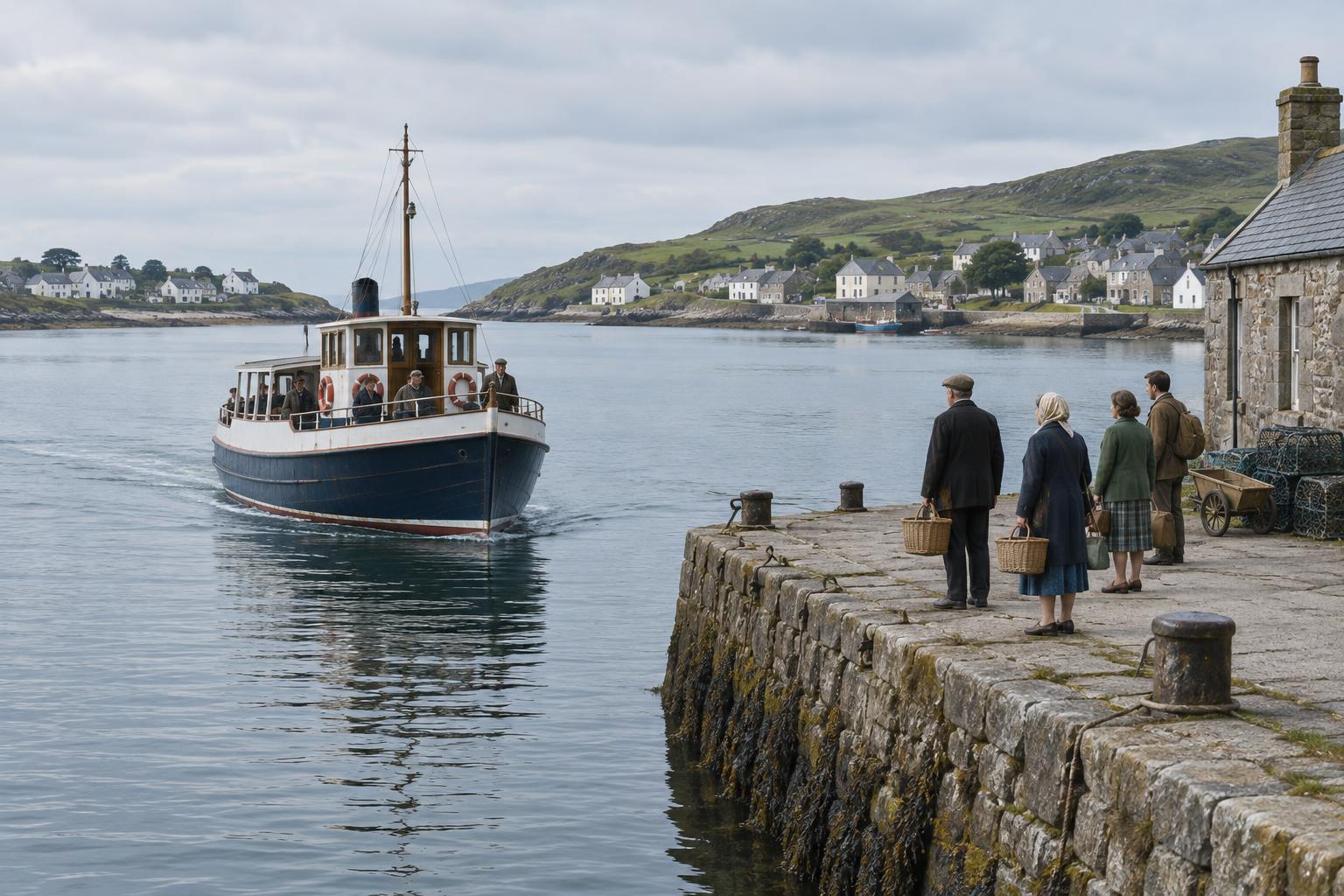
Some women also sailed, but looking beyond a ship’s crew changes the questions a traveler can ask. Who supplied the harbor? Who handled a catch once it came ashore? Who maintained a household when wages or returns were unpredictable? The answers may be harder to find than a ship’s name on a plaque, yet they reveal how deeply a port was connected to the people living around it.
From landing place to market
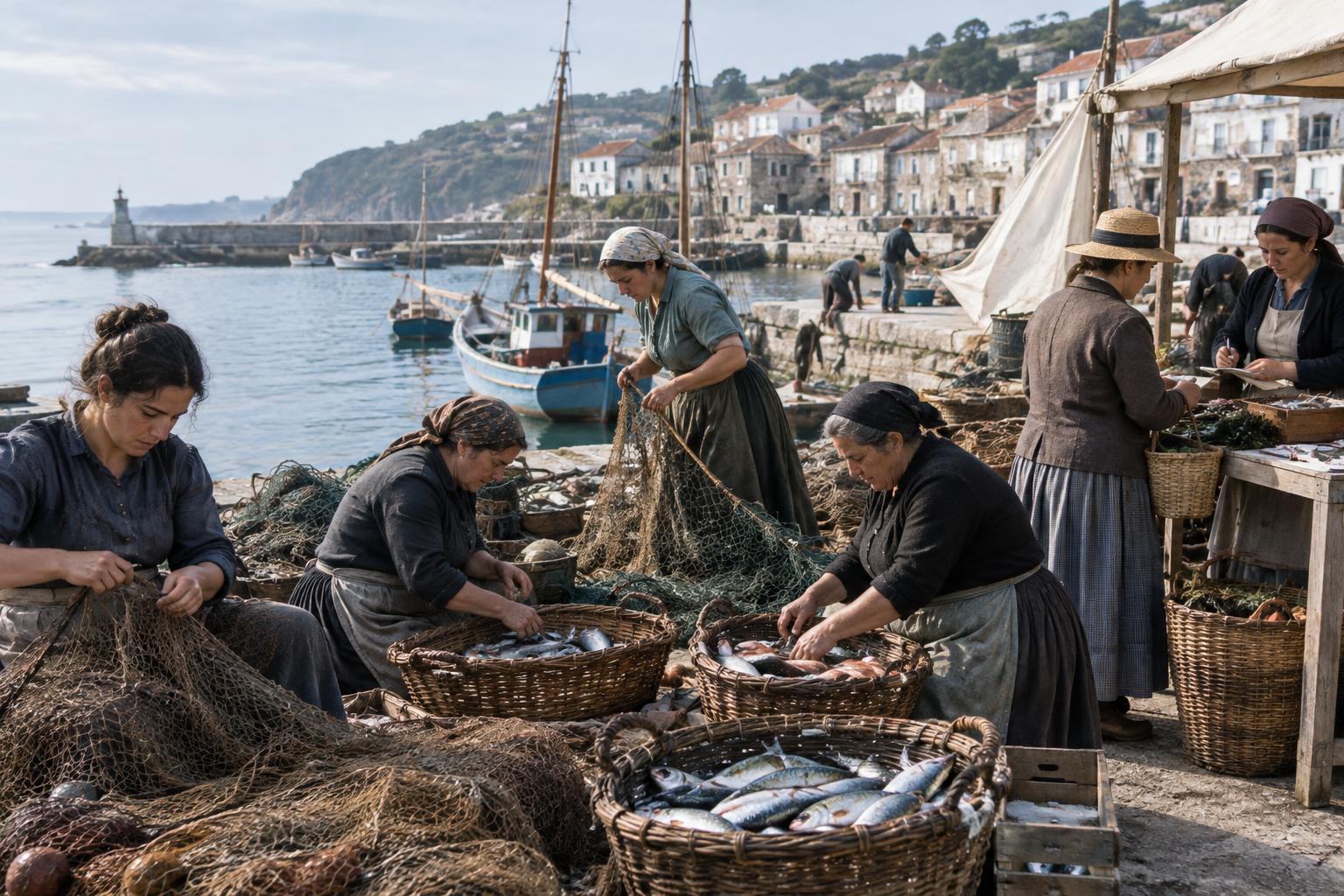
Fishing did not end when a boat reached shore. A catch might need sorting, cleaning, preserving, carrying and selling, often within a short window. In some communities, women performed much of this shore-based labor or traded fish directly. Their knowledge of customers, seasons and preservation methods could be as important to a household’s livelihood as the work at sea.
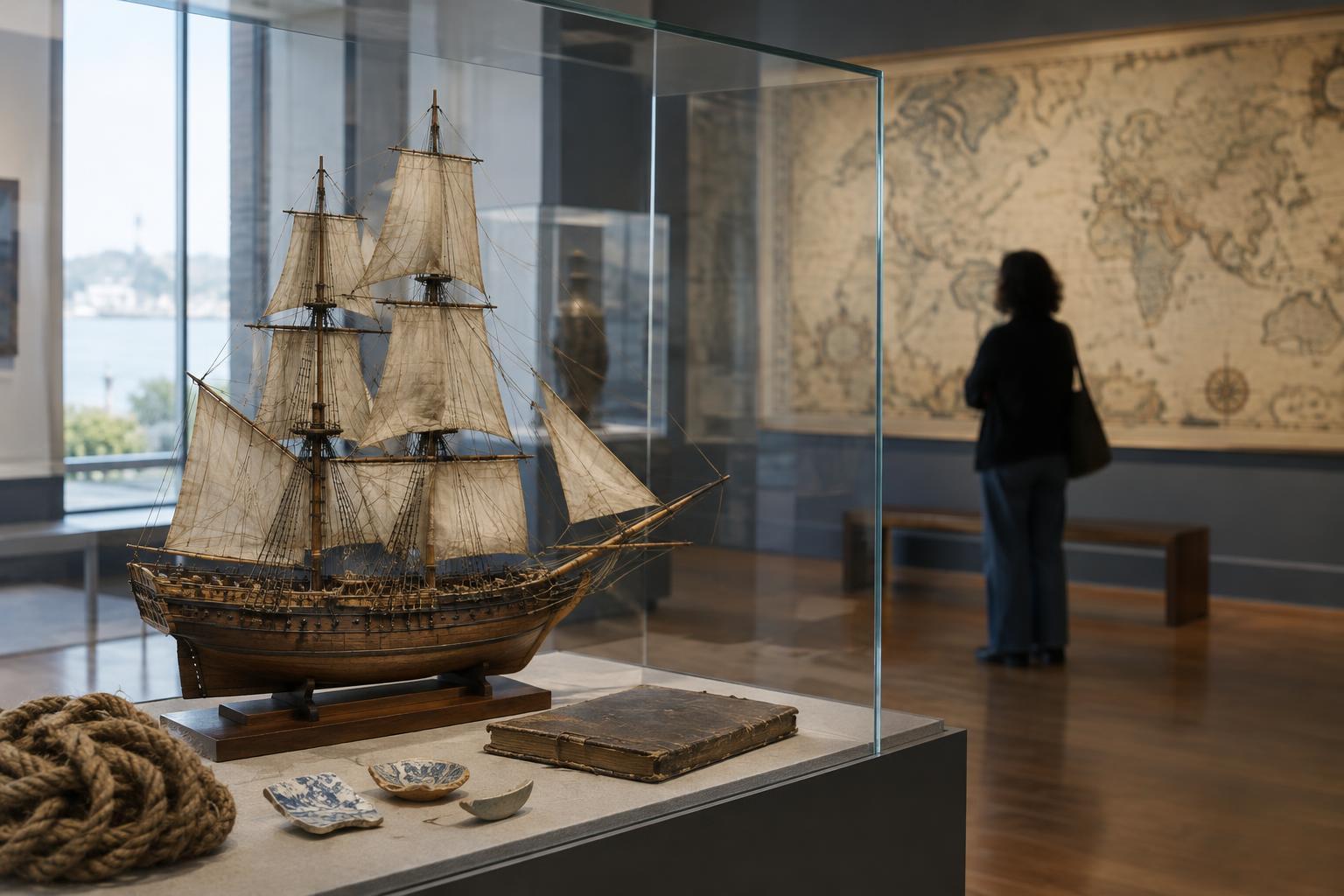
Ports also needed food and everyday supplies. Women might run stalls, prepare meals, keep lodging houses or sell provisions to visiting crews. Others worked with textiles, mending or making items needed by maritime households and trades. These activities were not identical everywhere, and paid work could sit alongside unpaid family duties. When a museum display jumps from fishing boat to finished product, it is worth pausing over the steps between them and asking whose hands completed them.
The labor of keeping life going
A journey across the sea could redistribute responsibilities at home. Where relatives were away for long periods, women might manage money, raise children, care for older family members, negotiate with suppliers or make decisions about property and work. These tasks were not always described as maritime labor, but they helped households withstand the risks and irregular rhythms of seafaring.
Women’s circumstances differed sharply. A merchant’s wife with access to business records had options that a wage worker, servant or widowed parent might not. Some women owned or managed enterprises; others had little control over the income their labor produced. It is more useful to ask what opportunities and constraints shaped a particular person’s choices than to treat all women in a port as a single group.
Why their stories can be difficult to see
Official records often favor the activities that institutions counted: vessels, cargo, licenses and named officeholders. Work done within families, shared informally or paid in small amounts may leave a thinner paper trail. That does not mean it was unimportant. It does mean a visitor should be cautious about assuming that a lack of prominent names reflects a lack of participation.
Different traces can fill out the picture: a market’s layout, equipment used to process a catch, household objects, photographs, business records and oral histories. Each offers only a partial view. A photograph may show someone at work without explaining their pay or authority; a ledger may record a transaction without describing the labor behind it. Looking at several kinds of evidence together makes room for a fuller, more careful account.
How to explore a port with these questions in mind
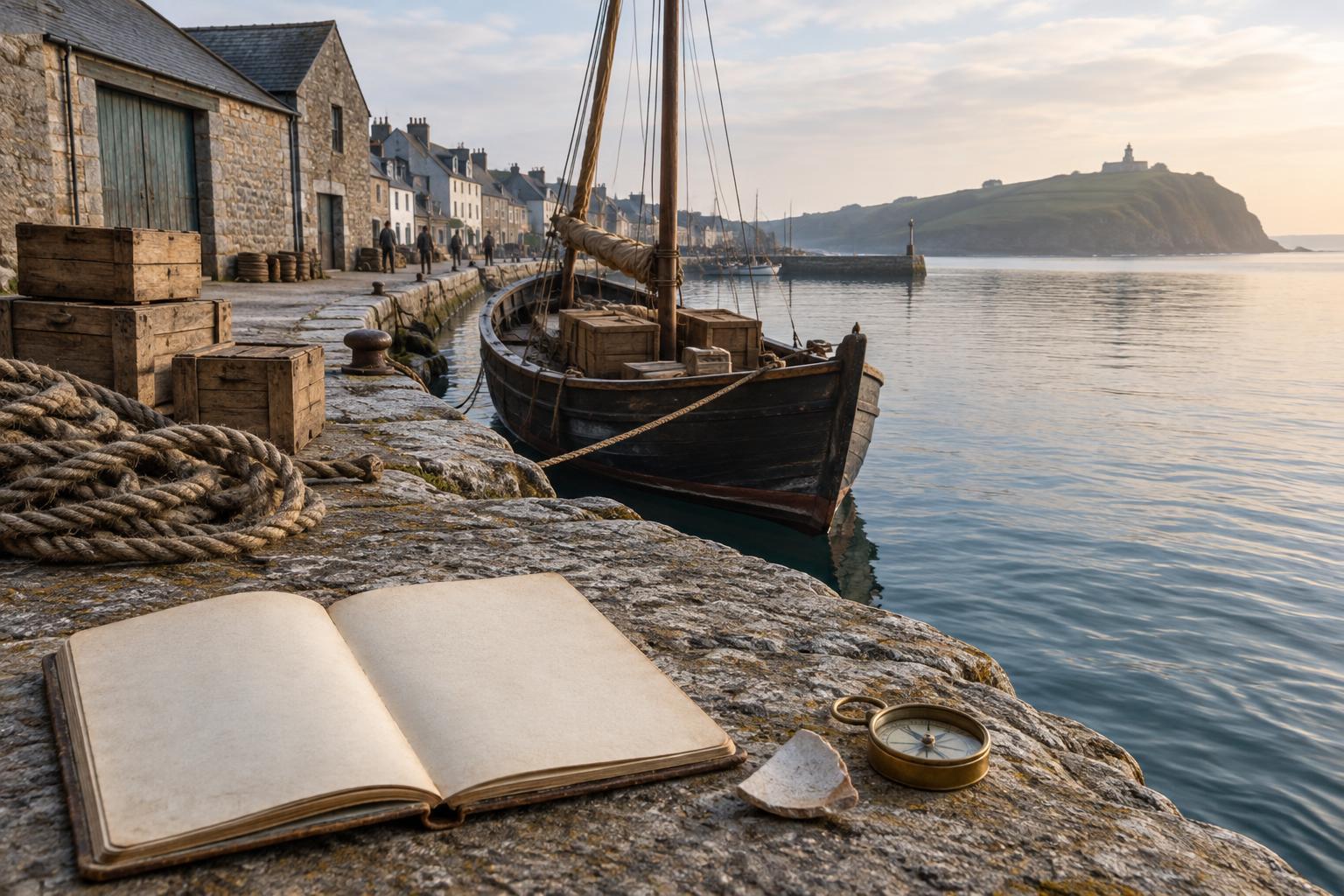
On a coastal visit, walk the route between the landing place, former work areas, market streets and homes, where access is permitted. Consider how far goods had to be carried, where they could be stored and who would have been present at different stages of a working day. At a museum, read labels for what they say about processing, selling and family life as well as voyages. Local guides and community collections may offer perspectives missing from ship-centered displays.
Avoid turning every quiet lane into a confident historical claim. Buildings change uses, and a waterfront can be rebuilt many times. Instead, let the physical setting prompt questions, then use the available interpretation to test them. Women’s maritime history is not a footnote to the voyage: it is part of the network of labor that made coastal life and travel possible.