Begin with the story the museum chooses to tell
Maritime museums often welcome visitors with ships, routes and cargo. These are useful starting points, but they can make colonial trade appear to be a story of movement alone. As you enter an exhibition, notice its organizing question. Is it about navigation, the growth of a port, the lives of sailors, or the exchange of goods? Each frame brings some experiences forward and leaves others harder to see.
Look at the words used on introductory panels. Terms such as “discovery,” “expansion” and “prosperity” may describe how merchants or colonial governments understood an activity without describing how people already living in the places visited experienced it. That does not mean you should dismiss a display at once. Treat its language as part of the evidence: ask whose viewpoint the wording reflects and whether other viewpoints appear elsewhere in the room.
Read a trade route as a network of people
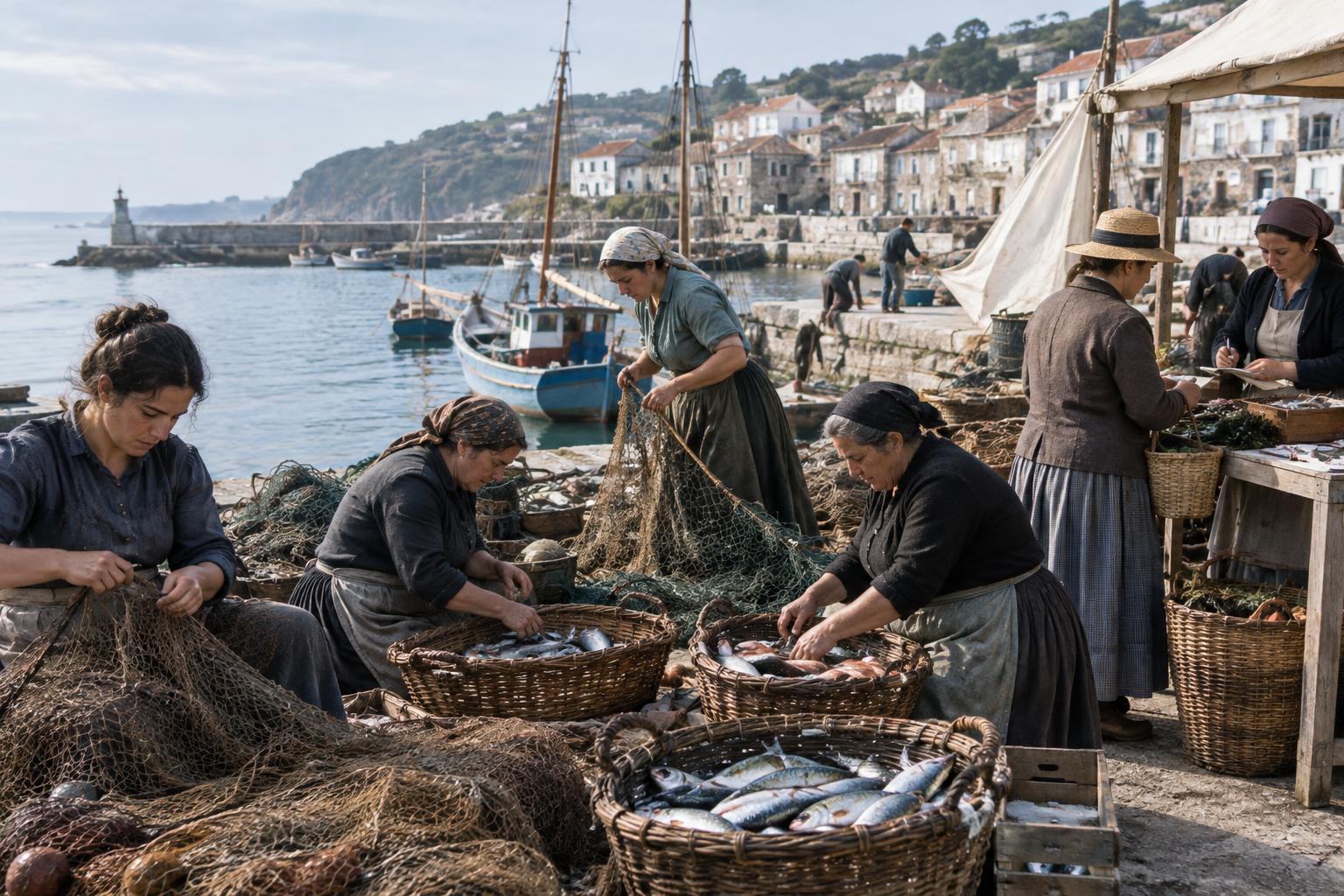
A map may draw a clean line between ports, but every stop depended on work ashore and at sea. When you follow a route, ask what was carried in each direction, who produced or loaded it, and who controlled its sale. Consider the roles of farmers, craftspeople, dockworkers, sailors and traders alongside those of shipowners and officials. Depending on the route and period, that work could include coerced labor and the trafficking of enslaved people. A line on a map cannot convey those experiences by itself.
Pay attention, too, to what a map calls a place. Colonial names and borders may not match local understandings of land and sea. If the museum provides different names or perspectives, compare them rather than treating one map as the whole account. Where it does not, let the gap become a question to carry through the rest of your visit.
Ask what an object can—and cannot—show
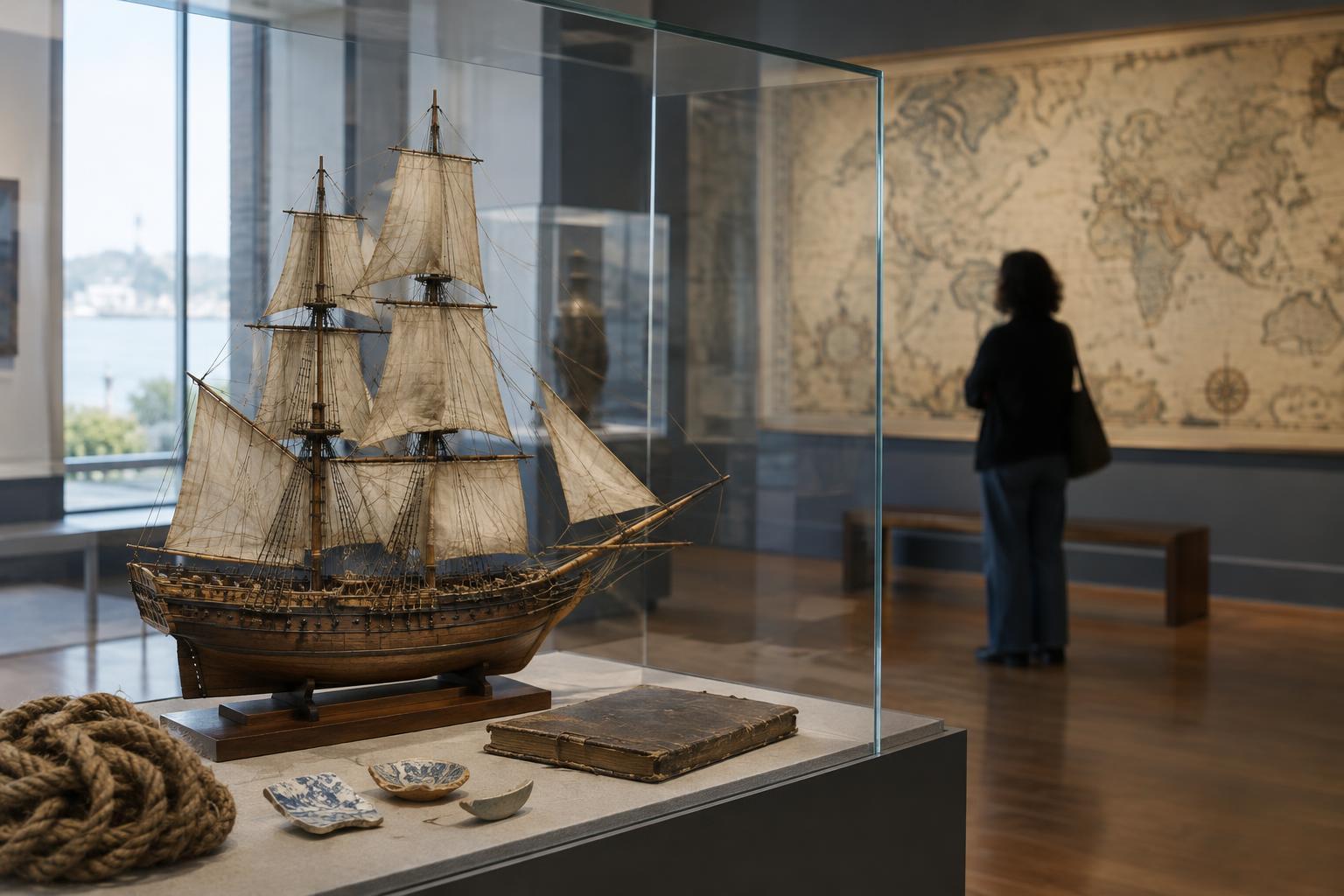
A navigation instrument can reveal how a voyage was planned; a ledger can record prices or cargo; a piece of tableware can suggest how imported goods entered daily life. None of these objects explains an entire trade system on its own. Read the label for its date, place of origin, maker, owner and path into the collection. If those details are unknown, the uncertainty matters. If they are known, consider why the museum has chosen to emphasize some of them over others.
The condition of an object can also shape your response. A polished ship model may invite admiration for craft, while a plain document may contain more direct evidence of the transactions that supported a voyage. You can appreciate technical skill without treating it as separate from the purposes it served. Move between objects rather than relying on the most striking item in the gallery to define the story.
Look for voices beyond the ship and the merchant
Colonial trade connected places unevenly. A port might have gained wealth while communities elsewhere faced dispossession, forced work or restrictions on their own trade. Ask whether an exhibition names the people affected, explains their choices and constraints, and shows ways they resisted or adapted. Stories of Indigenous communities, enslaved people and local producers should not appear only as background to a captain’s journey.
Also notice how the museum presents testimony. A first-person account, a recorded oral history and an official shipping record tell different kinds of stories; each needs context. Where few personal accounts survive, an exhibition may have to explain its limits rather than fill them with imagined detail. When community members have helped interpret objects or places, look for how their contributions are identified and whether their perspectives shape the wider display.
Leave with better questions, not a tidy verdict
Before leaving, return to an object or map that first caught your attention. What do you understand differently now? You might ask who profited from a cargo, who bore its costs, or how the same voyage might be described from another shore. These questions can make a small collection rewarding even when it cannot answer everything.
If you have time, read the museum’s notes about its collections, speak with a guide, or explore a nearby port landscape with care. Warehouses, waterfronts and place names can prompt further thought, but their meanings are not always obvious from appearance alone. The aim is not to find a single sentence that settles the past. It is to connect seafaring skill and material exchange to the people, power and labor that made colonial trade possible.