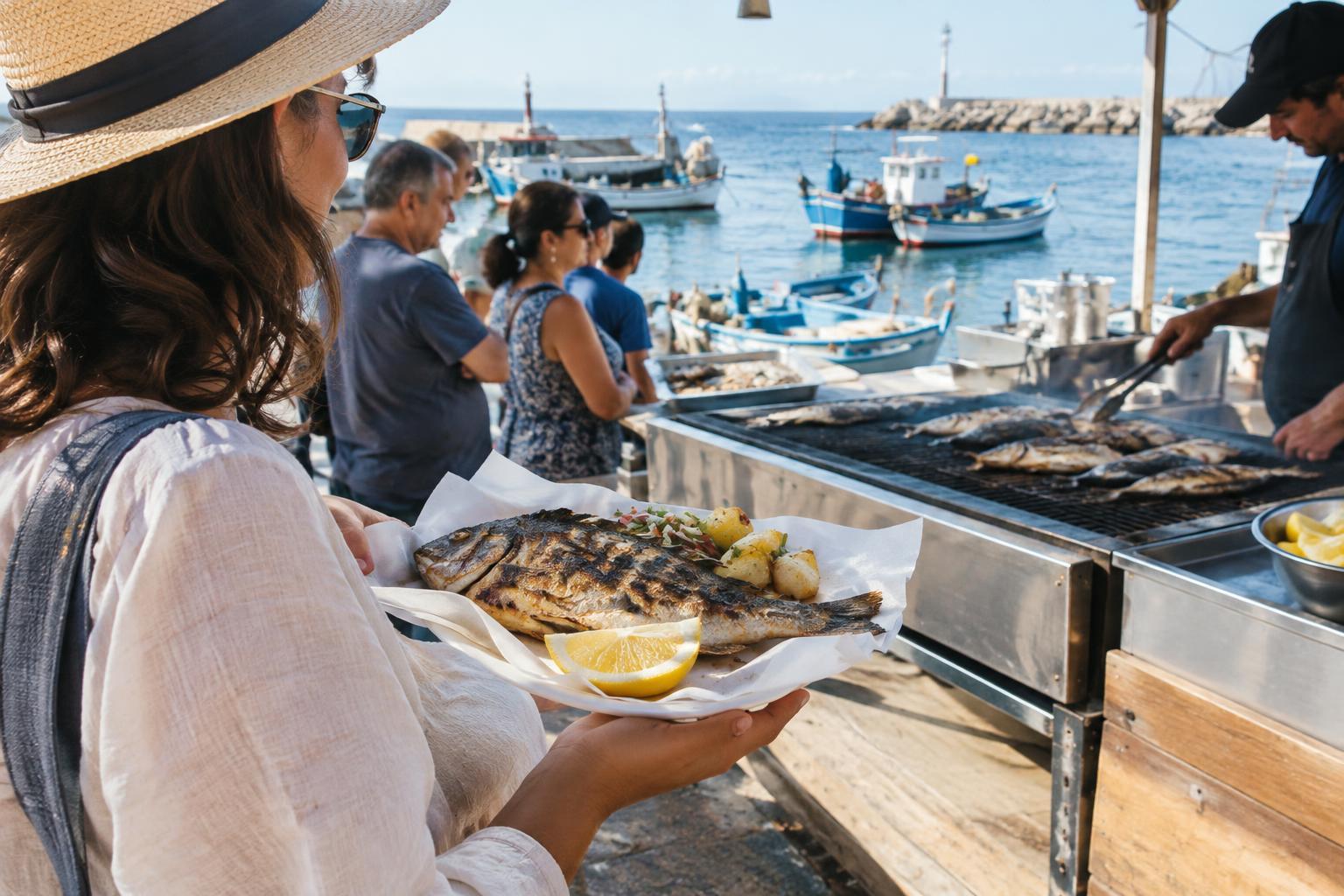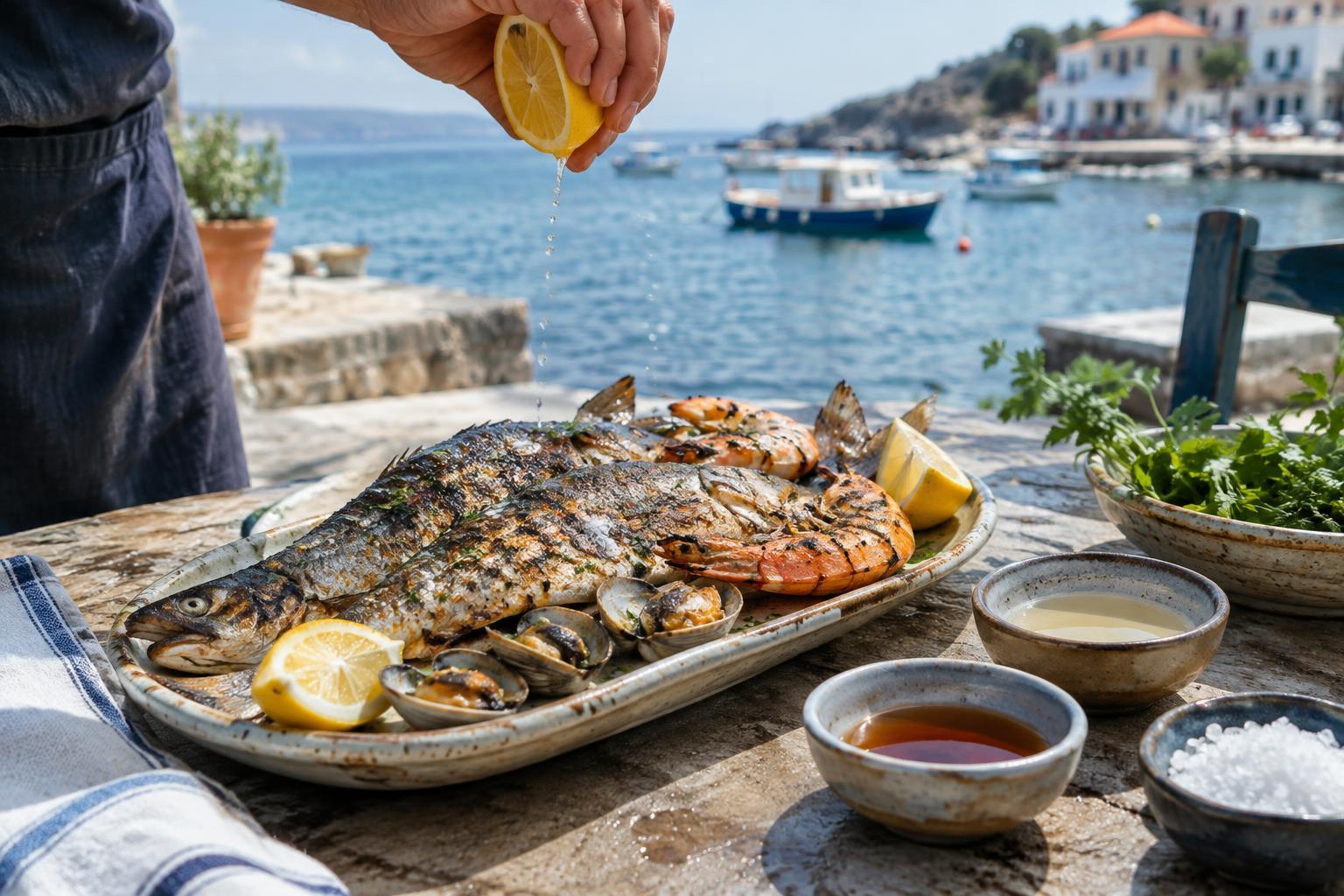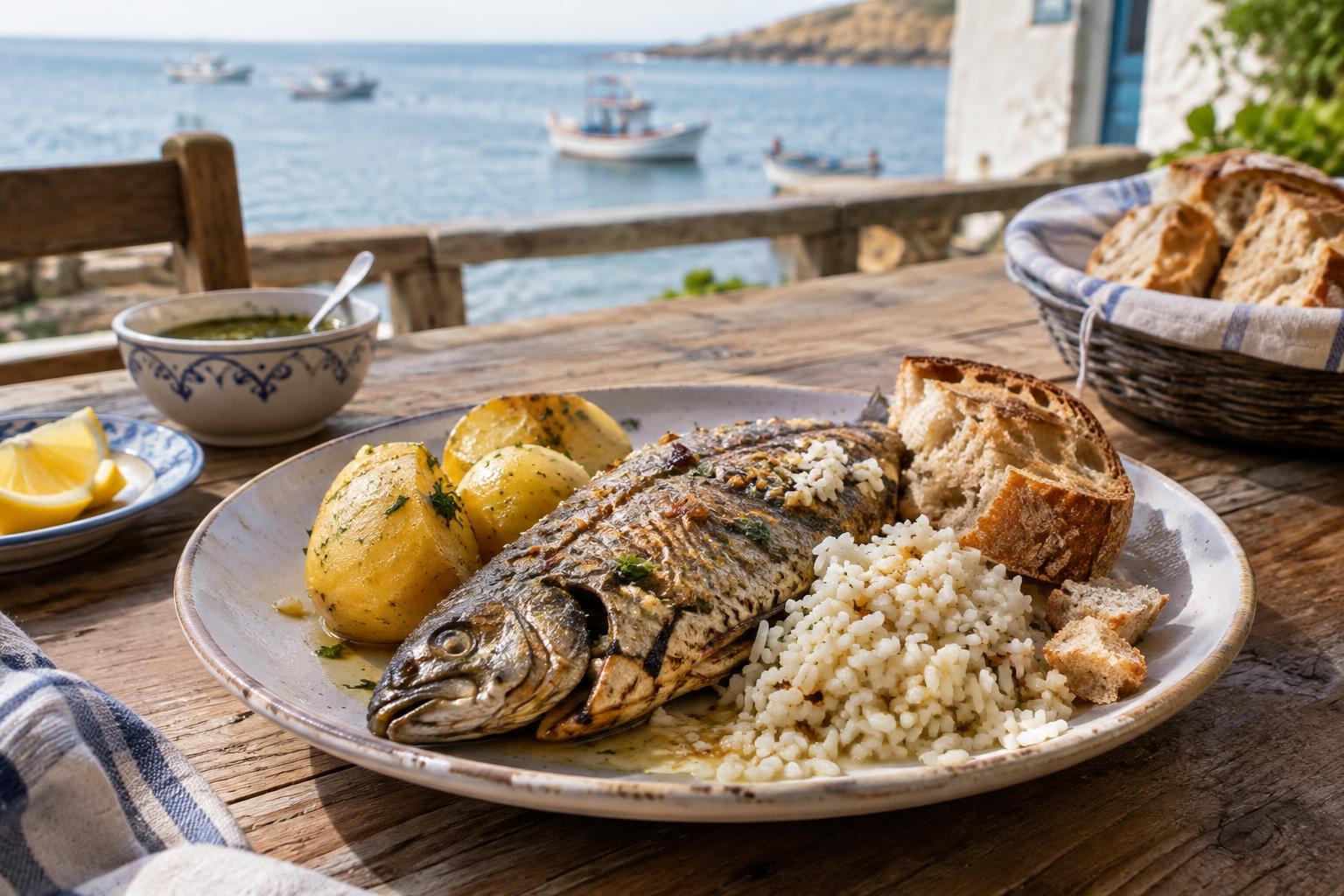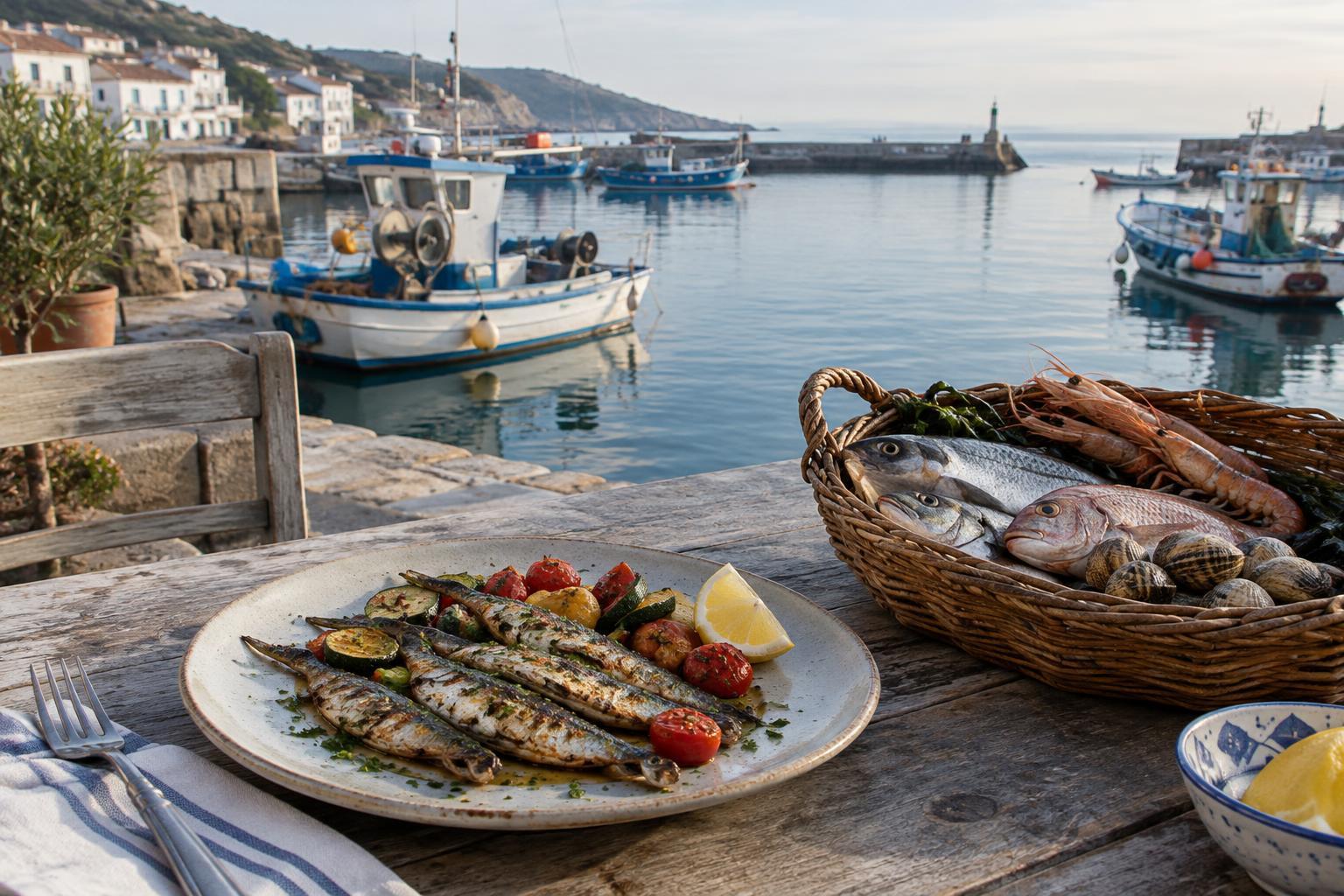
A menu follows more than the calendar
On a coast, “in season” can mean several things. A species may be present in nearby waters at one time of year, but that does not guarantee it will reach a restaurant. Fishing methods, landing rules, demand and the condition of the sea all shape what is available. Two dining rooms on the same waterfront may therefore serve very different seafood.
Seasonal change is part of the pleasure of eating by the sea. A short menu may make room for a fish that has just been landed, while another familiar dish disappears until supplies return. Rather than treating the menu as a fixed list of regional specialties, it helps to read it as a snapshot of what a kitchen can obtain and prepare.
The sea sets one timetable; people set others
Fish and shellfish follow life cycles that can affect where and when they are caught or gathered. Some species move through different waters, while others may be less accessible during parts of the year. Conditions also vary from place to place: a seafood season in one coastal region may not resemble the season in another.
Rules add another layer. Depending on the location and species, fishing may be limited by permitted seasons, catch limits, minimum sizes or protected areas. These measures are not interchangeable, and a restaurant’s ability to buy a particular catch depends on the rules and supply chain around it. Weather can change the picture even faster. When boats cannot safely go out or shellfish cannot be harvested, the day’s offering may shrink regardless of what the calendar suggests.
Why a coastal restaurant may serve seafood from elsewhere
A seat beside a harbor is not proof that a dish began there. Restaurants need dependable quantities, especially when they serve the same menu every day. They may buy from other ports, use farmed seafood or keep frozen fish on hand when nearby landings are scarce. None of these choices is automatically a sign of poor quality; what matters is whether the menu represents them clearly.
Words such as “fresh,” “local” and “catch of the day” can be less precise than they sound. Fresh might describe a product that has not been frozen, without saying where it was caught. Local might refer to a broad region rather than the neighboring bay. If origin matters to you, ask what fish is being served, where it came from and whether it was wild-caught or farmed. A straightforward answer is more useful than an evocative label.
Tradition keeps the menu moving between landings
Coastal food traditions do not rely only on fish brought in that morning. Drying, salting, smoking, pickling and preserving have long offered ways to use a catch beyond its landing day. A stew or fish cake may make good use of smaller pieces, while a preserved ingredient can give depth to a dish built mostly from vegetables or grains. These preparations can be as revealing of a place as a simply cooked whole fish.
Kitchens also adapt their recipes to what they can buy. A soup may keep its familiar seasoning while its fish changes; a grilled special may take the place of a standard menu item. This flexibility is worth noticing. Asking how a dish is usually made, and what has changed today, can lead to a more interesting meal than seeking one supposedly essential species at every stop.
How to order with curiosity
Before deciding, look for the parts of the menu that can change: a chalkboard special, a short list of landed fish or a dish described by method rather than species. Ask what is particularly good today, then ask why. The answer might be about a recent landing, a reliable farm, the cook’s preferred preparation or simply what arrived in suitable condition. If you have a dietary restriction or allergy, confirm ingredients directly rather than relying on a dish name.
It is reasonable to care about responsible sourcing, but no single rule such as “always choose local” settles every choice. Catch methods, management and farming practices differ, and a visitor may not have enough information to judge them at the table. Choose places willing to explain their seafood, stay open to less familiar dishes and accept that some favorites will be unavailable. A changing menu is often a more honest introduction to coastal eating than one that promises everything all year.