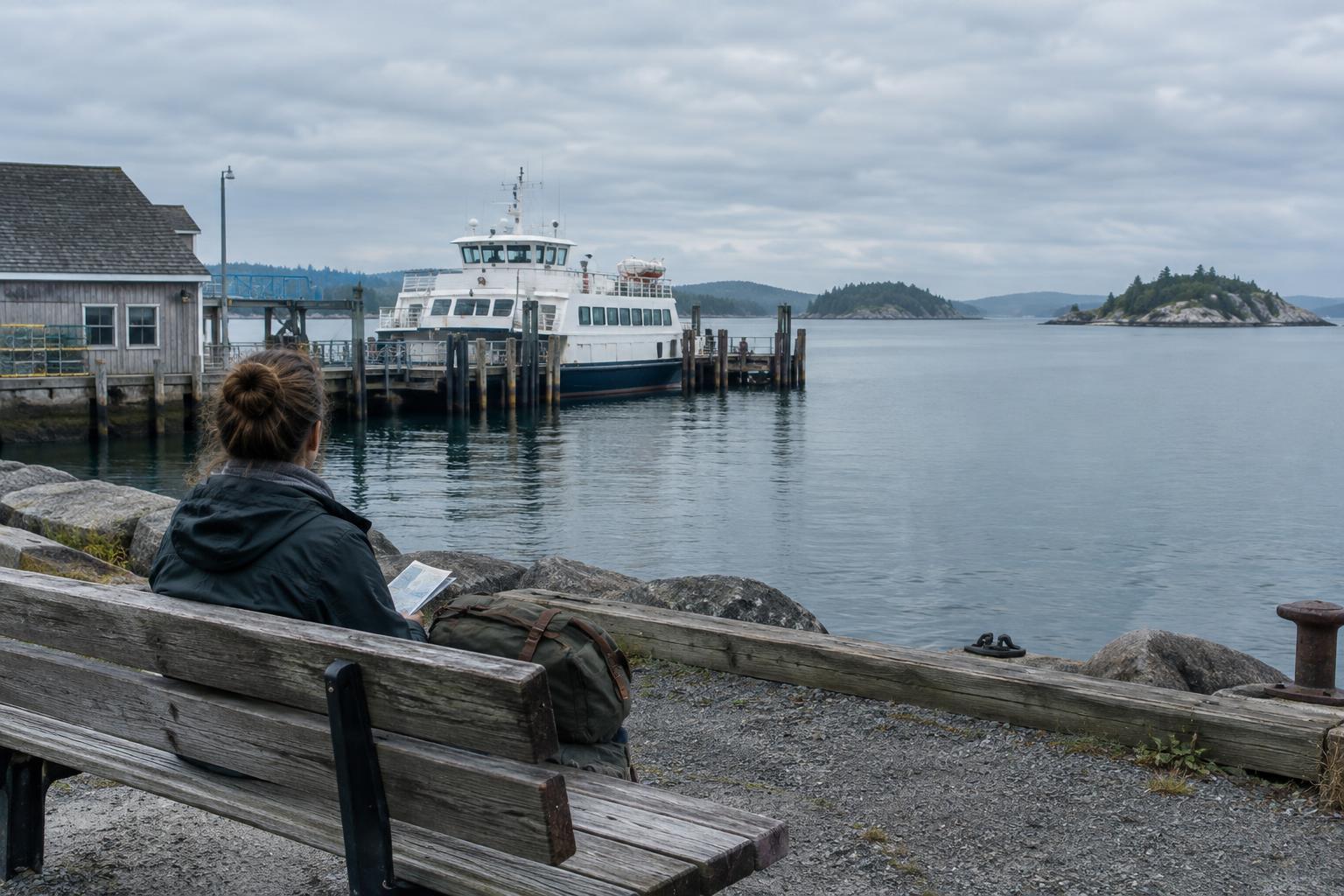
Confirm what has changed before making a new plan
A cancellation notice may arrive by text, email, app alert or an announcement at the terminal. Before booking anything else, check the ferry operator’s official channel for your particular sailing, route and booking reference. Find out whether the service is canceled outright, delayed, or being replaced by a later departure. If you are already at the port, ask staff where updates will appear and when the next one is expected. Conditions can change, so treat an early estimate as provisional.
Keep your booking confirmation and any cancellation message where you can find them. Take a screenshot of an app notice if connectivity is uncertain, and write down what staff tell you, including any instructions for rebooking. This is not about preparing for an argument; it is a way to avoid repeating the same questions when queues are long or information arrives in pieces.
Work out which part of the trip needs attention first
Start with the commitments that cannot simply wait: a last ferry to another island, a flight, a prepaid room or a vehicle reservation. Make a short list with departure times, contact details and booking references. Then separate what is urgent from what is merely inconvenient. Missing an afternoon walk is disappointing; losing the only workable connection for the next day calls for a decision sooner.
If you have accommodation on the far side, contact the host before your expected arrival time. Explain that the ferry was canceled, say when you expect another update and ask about late check-in or moving the stay. Do the same for onward transport and activities with fixed start times. Policies differ, and a clear, early message may give everyone more room to help. If you are traveling with others, agree on one person to track operator updates while another handles calls and messages.
Compare alternatives without creating a second problem
The next ferry is often the simplest option, but check whether your ticket moves automatically or requires a new reservation. Ask specifically about foot-passenger and vehicle availability; a sailing with space for one may not have space for the other. If another port or operator serves the island, include the journey to that terminal in your calculation. A promising departure is less useful if the bus connection, road journey or check-in deadline makes it unreachable.
Before choosing a replacement, compare the full cost and effort: extra transport, a possible overnight stay, luggage handling and the arrival time at your destination. Check any applicable fare conditions, operator guidance and travel insurance documents rather than assuming a particular refund or reimbursement will apply. If the crossing was canceled because of weather, do not plan around the idea that a smaller boat must be able to sail. Let the people operating the service judge whether it can run.
Make a comfortable holding plan
Sometimes there is no useful decision to make until the operator posts another update. In that case, find a place to wait where you can hear announcements or reliably check your phone. Keep essential medication, water, snacks, warm layers and charging cables with you rather than buried in a vehicle or checked bag. If the terminal is crowded or exposed, ask staff about nearby facilities before walking away, particularly if a revised sailing could be called at short notice.
For a longer interruption, look at rooms near the departure port as well as at the intended destination. A night close to the terminal may make an early replacement sailing easier than a late journey to a distant hotel. Build in time to eat and rest, especially if you have been traveling all day. Island connections can reward patience, but tired travelers are more likely to miss a notice or commit to an awkward detour.
Reshape the island trip, not just the timetable
Once you have a workable crossing, look again at the days that remain. Rather than trying to squeeze every missed stop into a shorter visit, choose the experiences that matter most and leave space around them. You might keep a coastal walk and let a distant day trip go, or spend more time in one village instead of moving accommodations twice. The aim is to preserve the character of the journey, not to make up every lost hour.
Before traveling onward, confirm the new sailing and any changed check-in requirements, then update the people expecting you. Keep receipts and messages together until the trip is settled in case you need to review a booking, insurance policy or operator process later. A ferry cancellation is frustrating, but a few orderly steps can turn a scattered day into a manageable pause—and help you arrive ready to enjoy the island when the crossing finally opens.