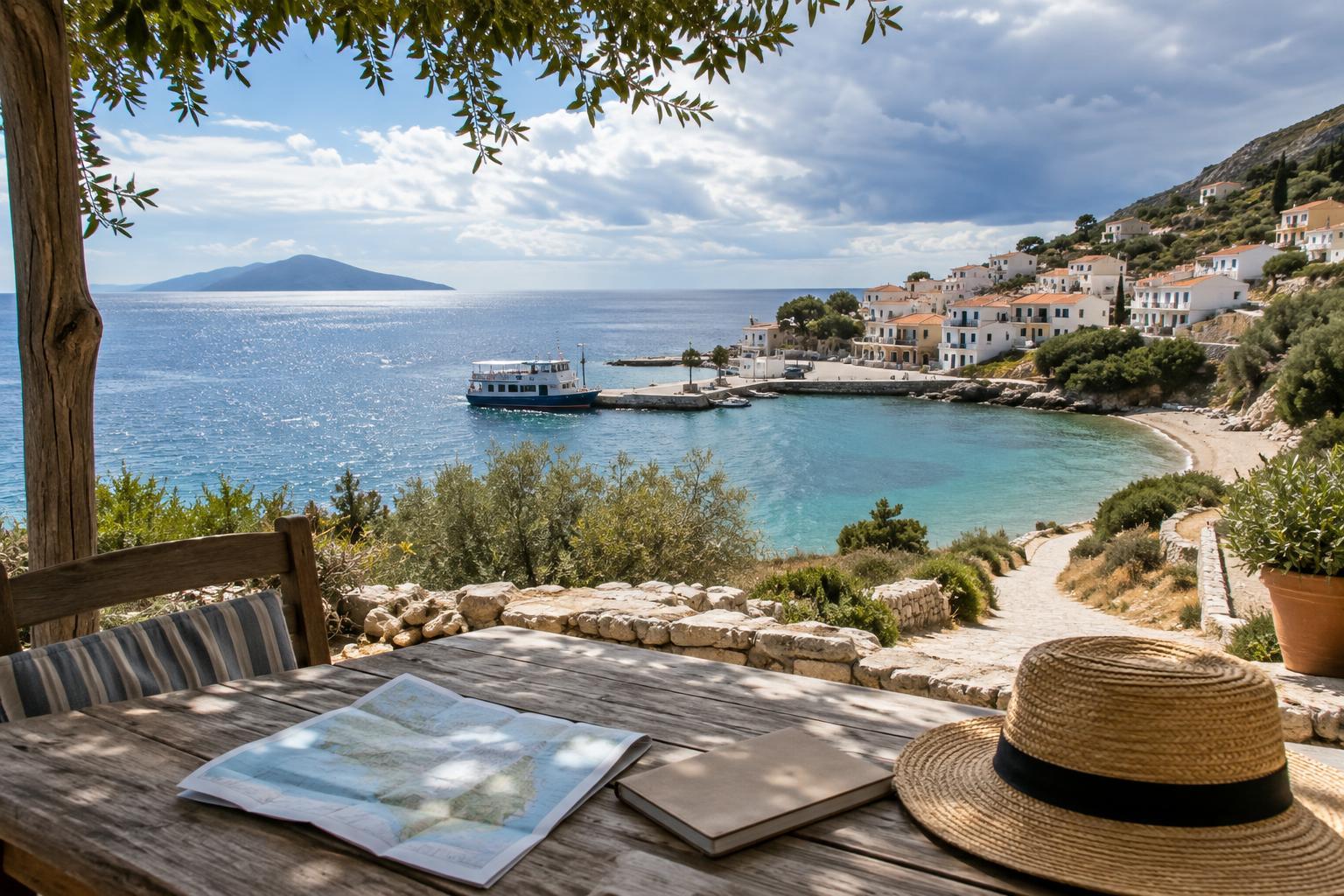
Start with the route, not the room
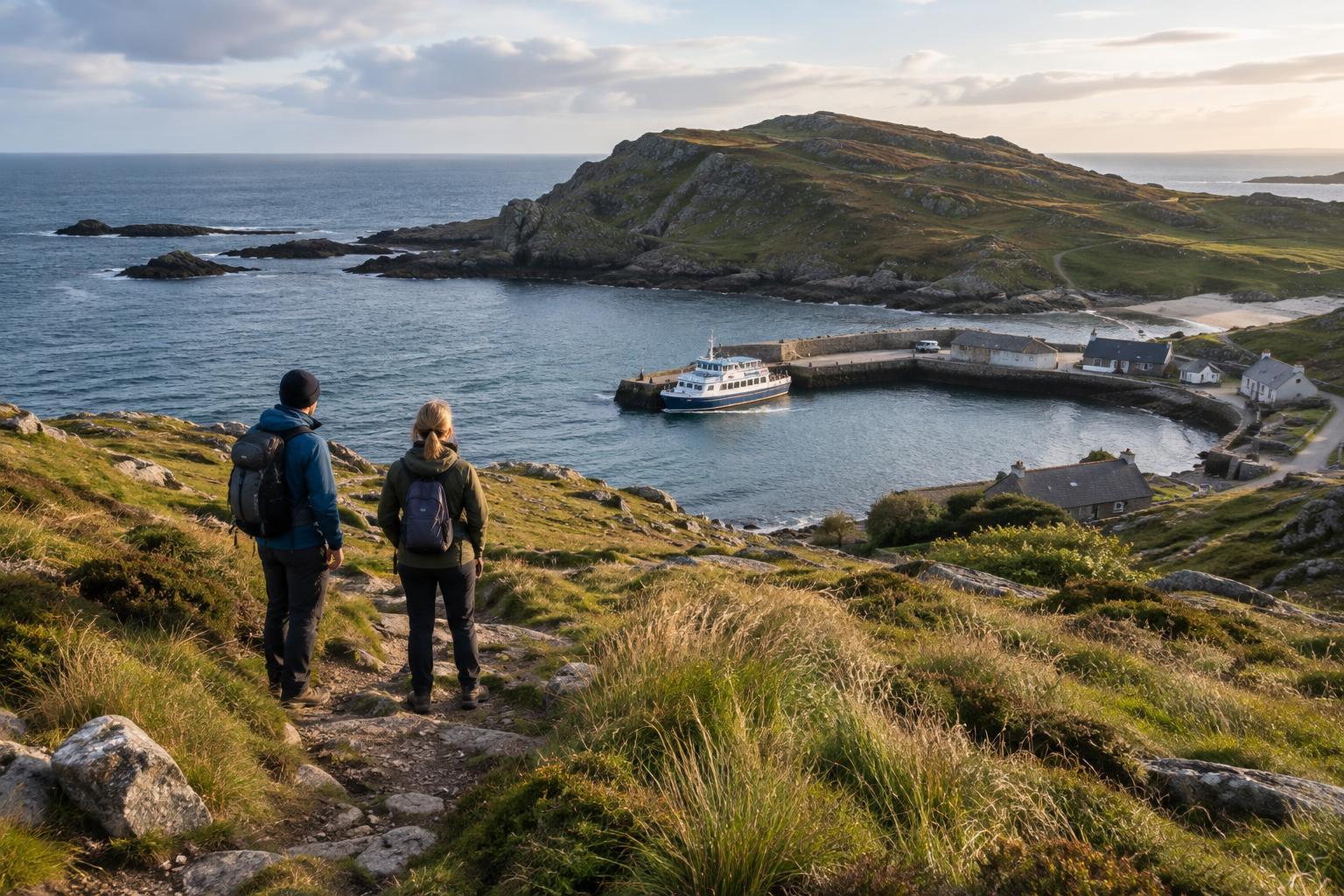
Outside peak season, an island may be easier to enjoy on foot, with quieter paths and more space to linger. Getting there can take more thought, though. A crossing that runs several times a day in summer may have fewer departures at other times. Before reserving accommodation, check the operator’s timetable for your exact travel dates, including the day of the week. Look at both the outbound and return journeys; a convenient arrival is less useful if the only return leaves before you can reach the port.
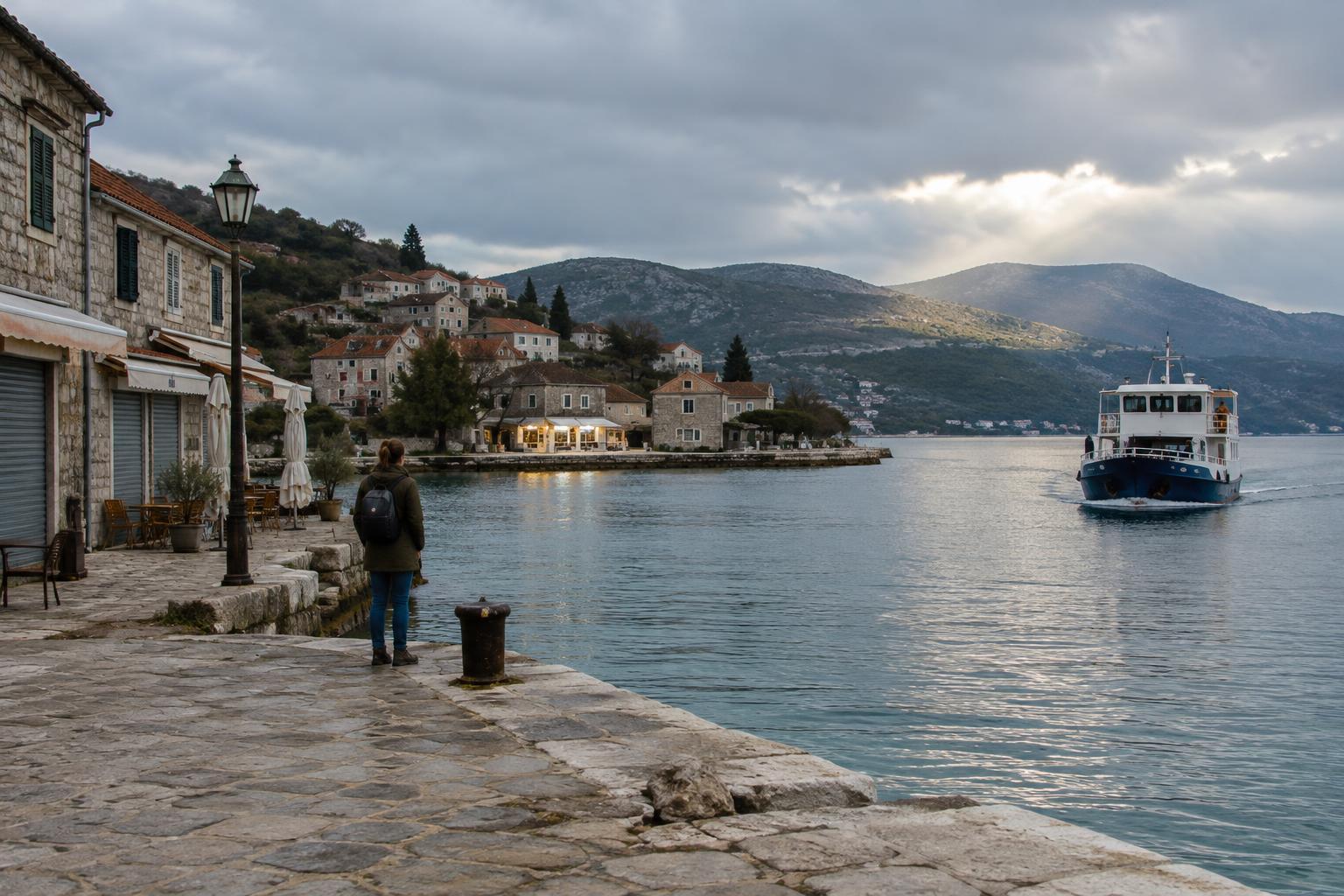
Check how the route works beyond the ferry or boat itself. If you need a train, bus or flight to reach the departure port, allow time for a missed connection. Find out whether a vehicle needs a separate reservation, where passengers check in and how early boarding closes. On islands served by more than one port, confirm which one your accommodation is near. Save the operator’s contact details and check its preferred way of announcing changes shortly before each crossing.
Confirm what is actually open
An accommodation listing may be available even when its restaurant, reception desk or nearby shops keep limited hours. Contact your host before booking and ask specific questions: Is there a place to eat on your arrival night? Can you check in if the last boat is delayed? Is breakfast provided, and is there a kitchen you can use? Specific answers are more useful than a general assurance that the island is open.
Do the same for activities that matter to your trip. A museum may open only on certain days, while a guided boat outing may depend on weather or enough passengers. If visiting a particular site is your main reason for travelling, confirm access directly and leave room to rearrange your plans. Avoid building each day around a single opening time that you have not checked.
Plan for everyday needs
Think through the first evening and the final morning in practical terms. Where can you buy groceries, refill water or get a meal? Will you need cash for a small business or transport service? Payment options and opening hours vary, so ask locally rather than assume. If you rely on a particular item, bring enough for the trip where practical instead of counting on finding it after you arrive.
Getting around deserves the same attention. A seasonal bus route, bicycle hire desk or car rental office may not match your travel dates. Check how far it is from the port to your lodging, whether the route is walkable with luggage and what you will do after dark or in rain. For a more remote stay, ask your host about the nearest staffed facilities and how residents normally reach them. This is preparation, not a reason to treat the island as a place without ordinary daily life.
Give the weather room to change your plans
Sea conditions can disrupt crossings even when the island itself looks calm. Build a little flexibility into an off-season itinerary, especially if you have an onward flight or another fixed commitment. Where possible, avoid making the last available boat your only route to something you cannot miss. Check the fare rules and accommodation cancellation terms so you understand what happens if travel changes.
Pack for the conditions you may encounter while moving between places, not just for a forecast at your destination. A waterproof outer layer, shoes with grip and a way to protect your luggage can make waiting at an exposed quay more comfortable. Daylight hours also affect how much you can reasonably fit into a day. Choose a few places you would enjoy visiting, then keep an indoor or sheltered alternative in mind.
Travel at the island’s pace
A quieter season is not simply a cheaper or emptier version of summer. Working ports, shops and neighbourhoods have routines that are not arranged around visitors. Keep to marked paths where requested, respect closures and ask before entering spaces that look private. If a small café or shop is open, checking its hours and making a purchase can be a more useful gesture than expecting it to stay open late.
Make one final check a few days before departure: crossings, arrival arrangements, meals, local transport and any activity you consider essential. Then let the less certain parts of the trip stay flexible. With the basics settled, an island visit outside peak season leaves more time for unhurried walks, conversations and the simple pleasure of being somewhere across the water.