Start with what you cannot easily retrieve
On some ferries, large bags go into a luggage area or a vehicle that passengers cannot access during the crossing. Pack your day bag as though you will not see your main luggage again until arrival. Keep tickets or booking details, required identification, a payment card and any essential personal items together in an easy-to-reach pocket. Check your operator’s instructions before leaving, since boarding procedures and baggage rules vary.
Carry your phone, charging cable and a charged power bank if you use one. Save any booking information you may need offline in case reception is unreliable. A small amount of local currency can be useful where cash is accepted, but you need not carry every valuable you brought on the trip. Choose a bag that closes securely and remains comfortable when you are standing in a boarding queue.
Dress for the crossing, not just the forecast
Conditions can feel different at sea, at the terminal and at your destination. A light layer gives you options if an indoor lounge feels cool, while a wind-resistant outer layer is useful if you hope to spend time on an open deck. Even on a mild day, wind and sea spray can make a short spell outside less comfortable than expected. Pack layers you can put on without unpacking the whole bag.
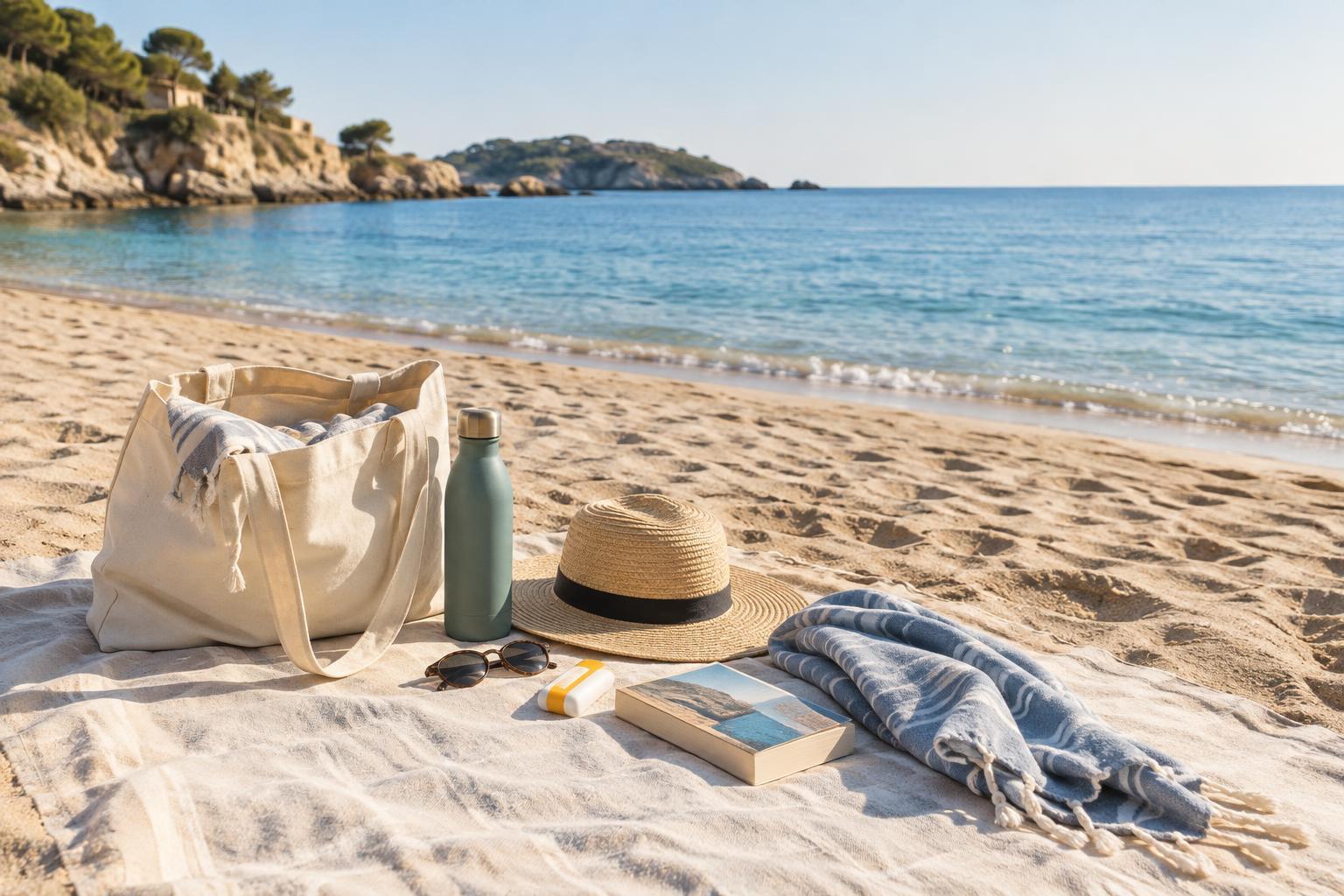
A compact rain layer is often more versatile than an umbrella on a windy deck. Add sunglasses, a brimmed hat or sunscreen if you expect to be outdoors, and choose shoes with good grip for wet surfaces and stairs. You do not need to prepare for every possible change in weather: check the forecast, consider the length of your crossing and take the few items you are most likely to use.
Bring simple comforts for time on board
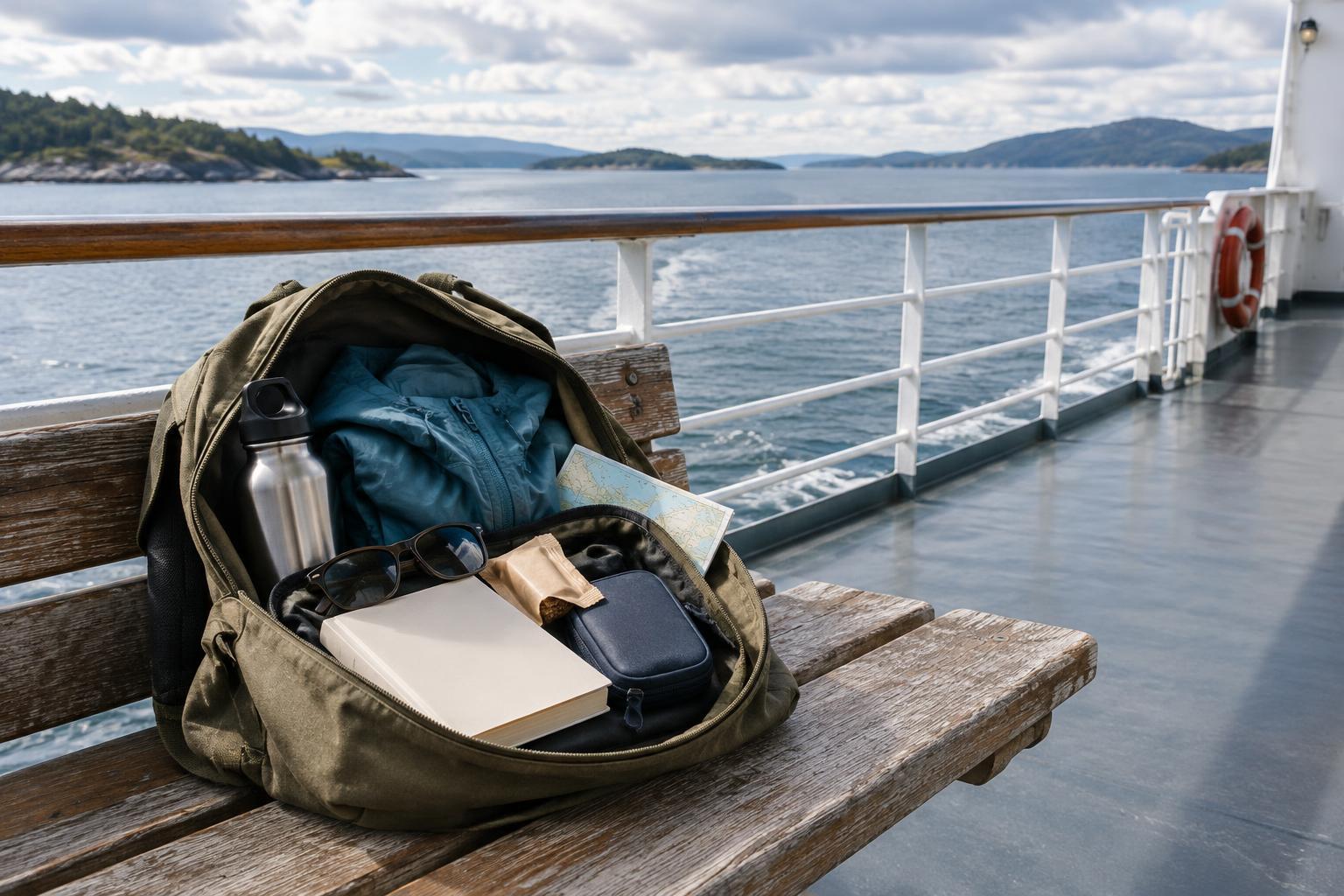
A refillable water bottle and a modest snack can make a wait or a longer crossing easier, even if food is sold on board. Choose something tidy to eat and check any restrictions on bringing food, particularly for international routes. A book, downloaded audio or a small notebook offers a way to pass the time without relying on a signal. Headphones help keep shared seating areas pleasant for everyone.
If you are prone to motion discomfort, consider where you tend to feel most comfortable on a vessel and allow yourself to sit and rest rather than planning every minute of the trip. Keep any personal items you routinely use within reach. Tissues, hand sanitizer and a small bag for wrappers or damp items are easy additions that help you leave your seat as you found it.
Protect your bag from spray and spills
Your day bag does not have to be specialized gear. A comfortable backpack or crossbody bag with a secure closure works for many crossings. Put documents and electronics in a water-resistant pouch or resealable bag, particularly if you expect to sit outside. Keep the water bottle upright in a separate pocket if possible, and avoid placing a damp jacket directly against paperwork.
Think about how you will use the bag in a crowded terminal or on a narrow aisle. Frequently needed items belong near the top; loose objects are easier to manage inside small pouches. Leave enough empty space to stow a layer when you warm up. A lighter bag is also easier to keep with you when moving between decks or carrying luggage ashore.
Pack for the first hour after landing
Before closing the bag, picture your arrival. Will you need an address, a walking route, onward transport details or a way to contact your accommodation? Keep those details available offline, along with anything you will want before you can open your larger luggage. If you are arriving after dark, a small flashlight or a charged phone can be useful for finding your way.
Finally, check the ferry operator’s guidance for your specific sailing, including rules for baggage, food, pets and portable batteries. Then do one last pocket check for identification, ticket, phone and wallet. The best ferry day bag is not the fullest one: it is the one that lets you board, settle in and step ashore without searching for what matters.