A method is one part of the story
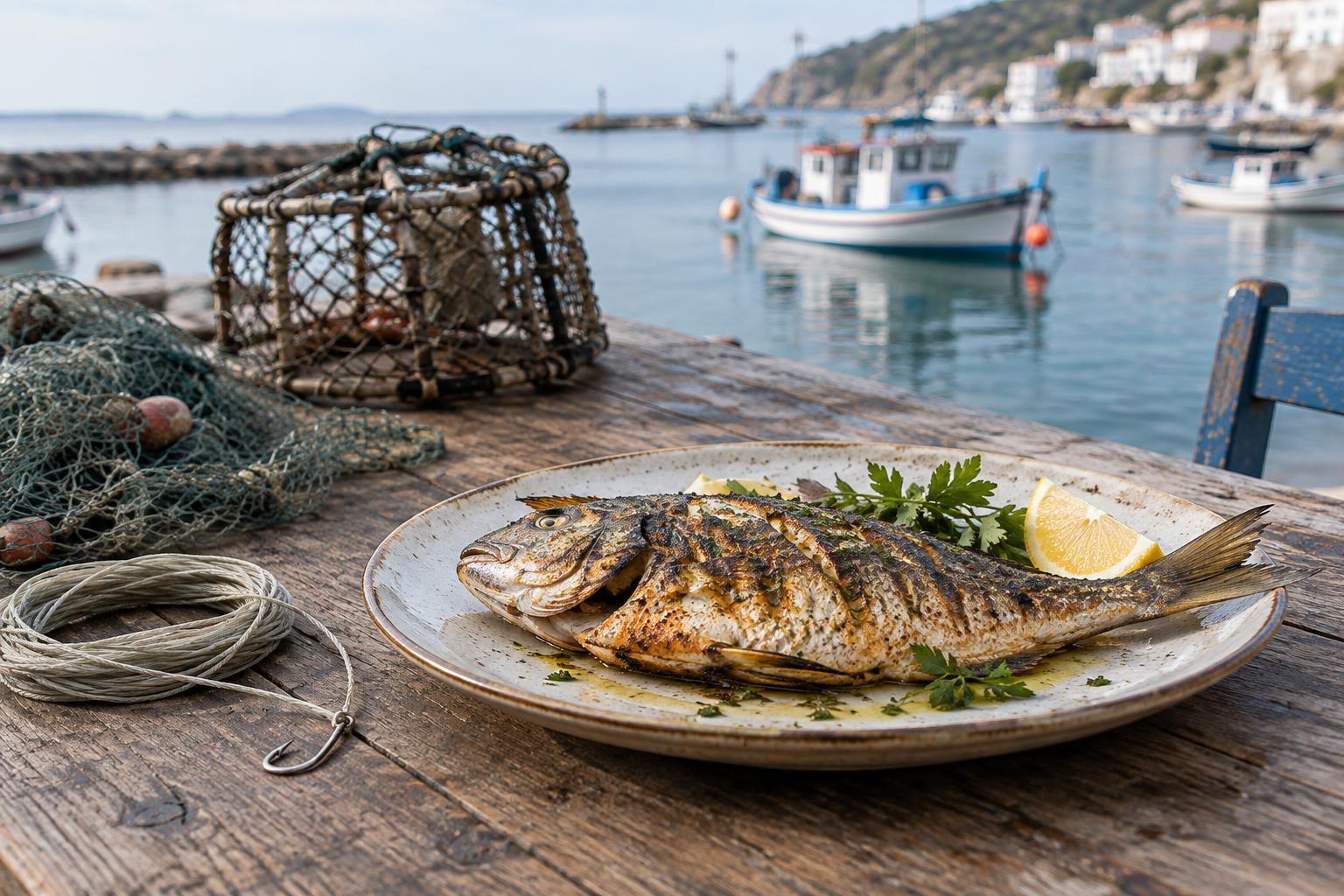
At a harbor café or an island market, a fishing-method label can make a dish feel closer to the water it came from. “Line-caught” suggests a different journey from “trawled,” while “pot-caught” may bring to mind traps set and retrieved near shore. The terms describe ways of catching seafood, not a single standard of freshness, flavor or care.
A useful label names the species as well as the method. Fish sold under a broad name may include several species, and the same species can be caught in different places with different gear. Where it was caught, how the fishery is managed and how the catch was handled afterward also matter. Read the method as an opening question rather than a verdict on the dish.
Lines: from individual hooks to many at once
Handlines and pole-and-line gear use hooks to catch fish, often one at a time. They can allow fishers to identify and release an unwanted catch, though the outcome depends on the species, the gear and how it is used. A menu that says only “line-caught” may also refer to a longline: a main line carrying many baited hooks. Longlines can operate near the surface or closer to the seabed.
Those differences are worth knowing because hooks may catch animals other than the intended fish. Gear choices, fishing location and practices intended to reduce unwanted catch can change the result. If a restaurant highlights “line-caught,” asking which kind of line and where the fish was caught will tell you more than the label alone.
Nets and trawls need closer description
“Net-caught” covers several methods. Gillnets hold fish when they swim into the mesh; seine nets encircle a group of fish; and trawls are towed through the water or along the seabed. Each has different uses and possible effects. A bottom trawl, for example, can disturb seabed habitat where the gear makes contact, but the extent depends on the gear, location and fishing practices. Other net methods can raise concerns about unwanted catch.
A short menu label rarely provides enough detail to compare two fisheries fairly. It may not say whether a net was set or towed, whether a trawl touched the bottom, or what measures were used to avoid catching other animals. Rather than treating “net-caught” as automatically good or bad, look for a more precise gear name and a place of capture.
Pots, traps and shellfish gathering
Pots and traps are commonly used for shellfish such as crabs and lobsters. They are typically set in one place, baited and later hauled up, allowing some unwanted animals to be released. Their design and use still matter: lost gear may continue to affect marine life, and lines attached to traps can pose risks in some waters. “Pot-caught” tells you how an animal was captured, but not how those risks were managed.
For oysters, mussels and clams, the language may shift to “harvested” rather than “caught.” Shellfish might be gathered from wild beds or raised through aquaculture, with different practices in different places. If a menu calls a shellfish dish “local,” that is a clue about origin, not a description of its method. Ask what the shellfish is and where it was grown or gathered.
How to use a label when ordering
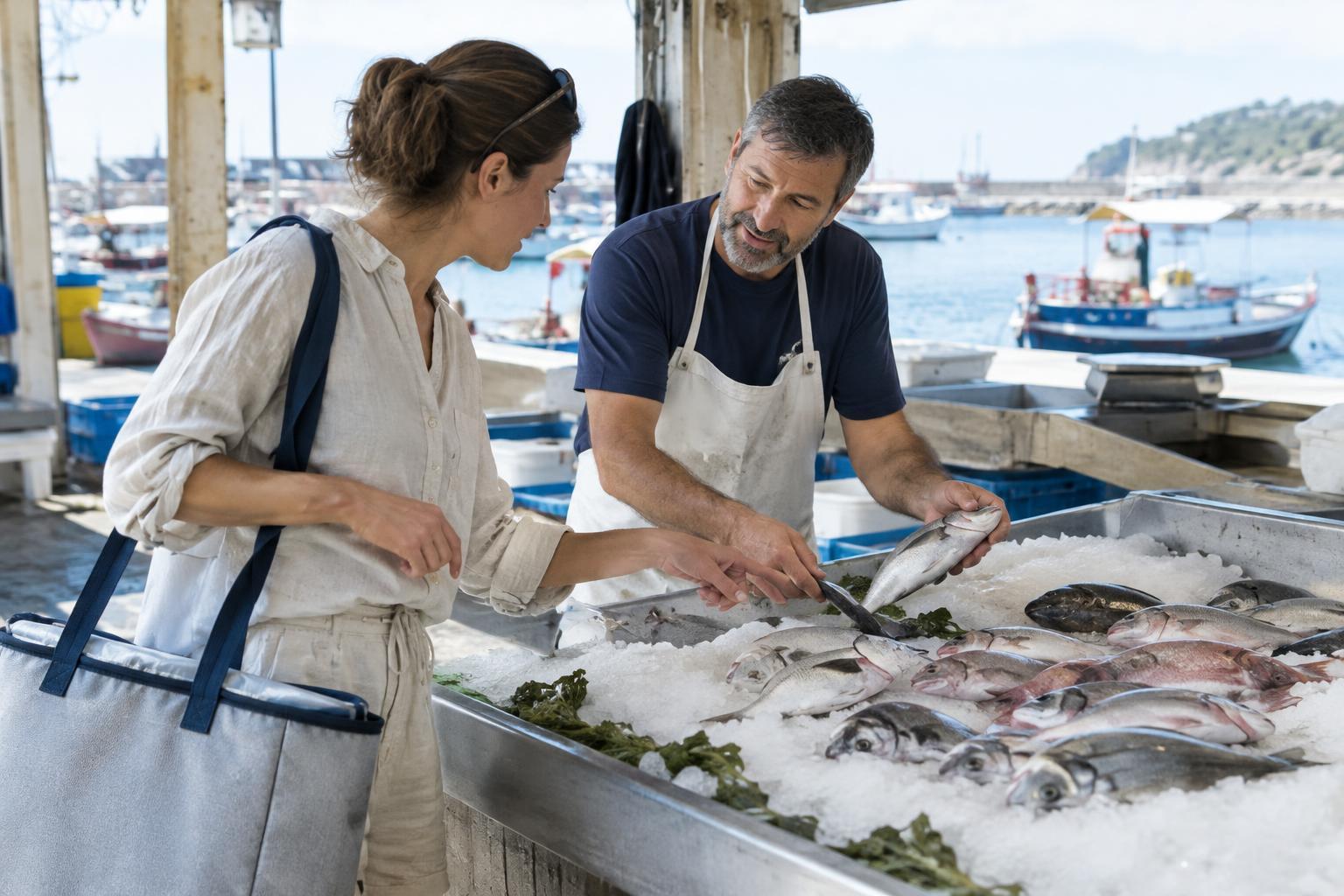
Start with a few approachable questions: What species is this? Where was it caught or raised? What does the fishing-method term mean here? Staff may have a detailed answer, a brief one or none at all. A lack of detail does not prove anything about the dish, but a clear answer can help you understand what the kitchen knows about its suppliers.
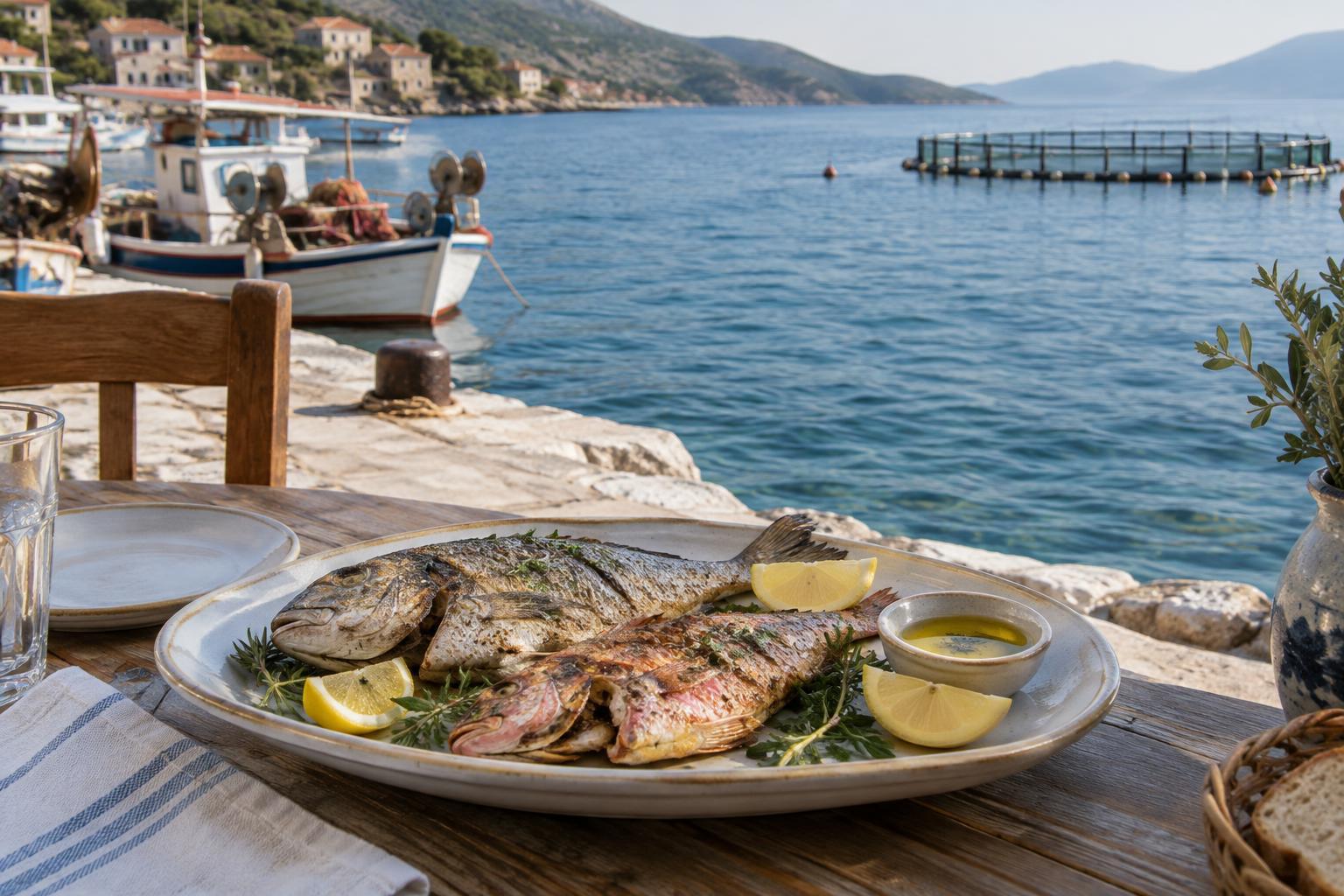
Then return to the meal itself. A fishing method does not tell you whether a fish was stored well, prepared skillfully or traditionally eaten in that coastal community. Nor does a picturesque harbor guarantee that every ingredient came from nearby waters. Reading labels carefully leaves room for both enjoyment and curiosity: you can appreciate a seafood dish while asking how its journey across the water began.