Plan the meal before you visit the market
Cooking seafood near the water is one of the pleasures of a coastal stay. In a holiday rental, though, the fridge may be small, the knives unfamiliar and the journey from market to kitchen longer than it looks. A little planning lets you enjoy the meal without rushing through it.
Check the kitchen before buying anything perishable. Look for a working refrigerator, a clean preparation surface, a pan large enough for your recipe and, ideally, a food thermometer. Decide how much you will cook that day rather than buying extra simply because the display is tempting. If you will be out exploring first, leave the seafood purchase until the end of your outing.
Choose carefully and keep the journey short
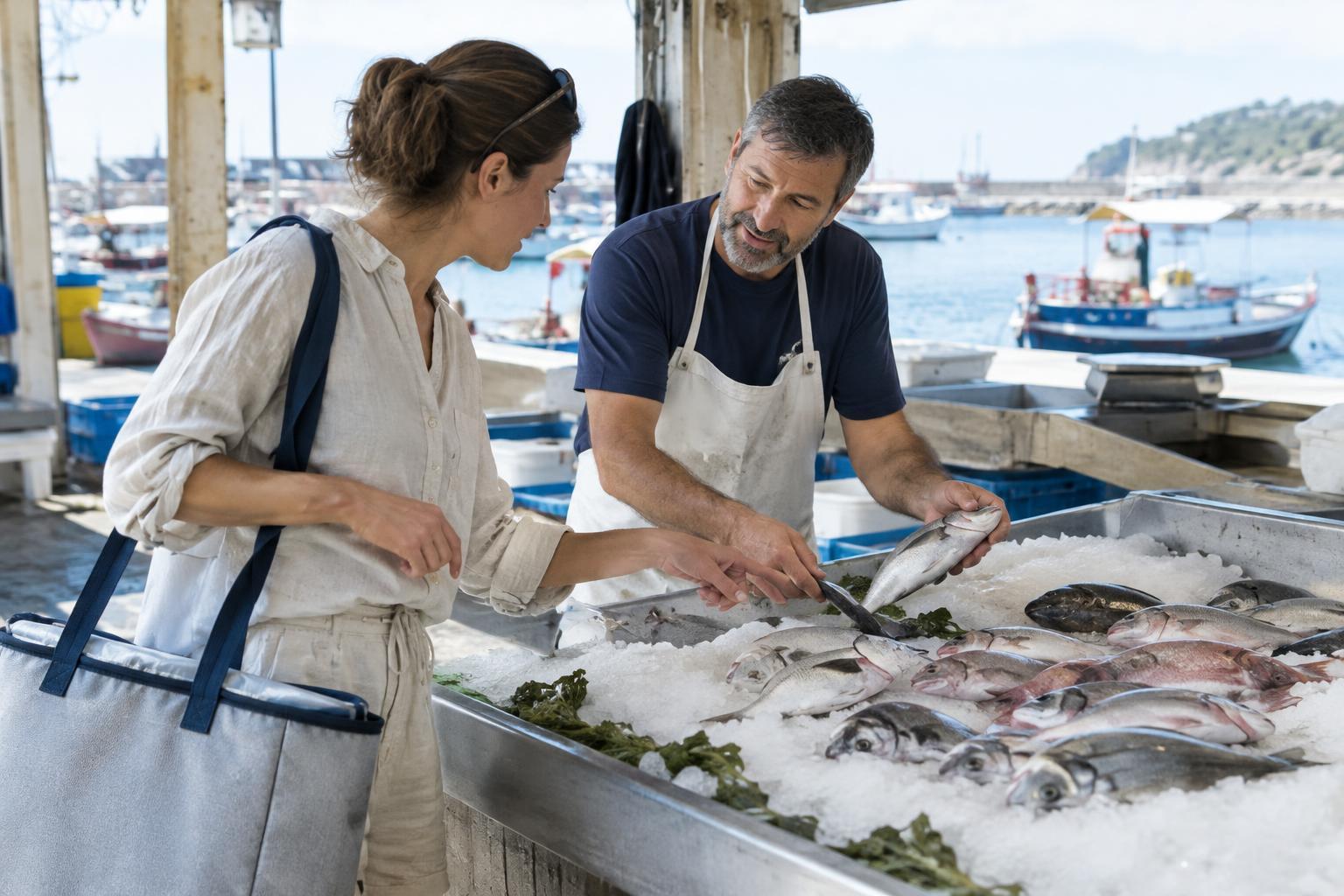
Buy from a seller who keeps seafood properly chilled or, where appropriate, displayed on clean ice. Fish should not have a strong sour or ammonia-like smell. If you are buying live shellfish, ask the seller how to transport and store that particular kind; requirements differ. Do not buy seafood you are unsure how to identify, prepare or keep safely.
Bring an insulated bag with cold packs, especially if the market is a walk or drive from the rental. Keep seafood apart from ready-to-eat food and go straight back after buying it. Warm weather, a long ferry queue or a detour for lunch can quickly turn a short trip into a poor storage plan. When reliable chilling is not possible, choose a meal that does not depend on fresh seafood.
Make room in the fridge
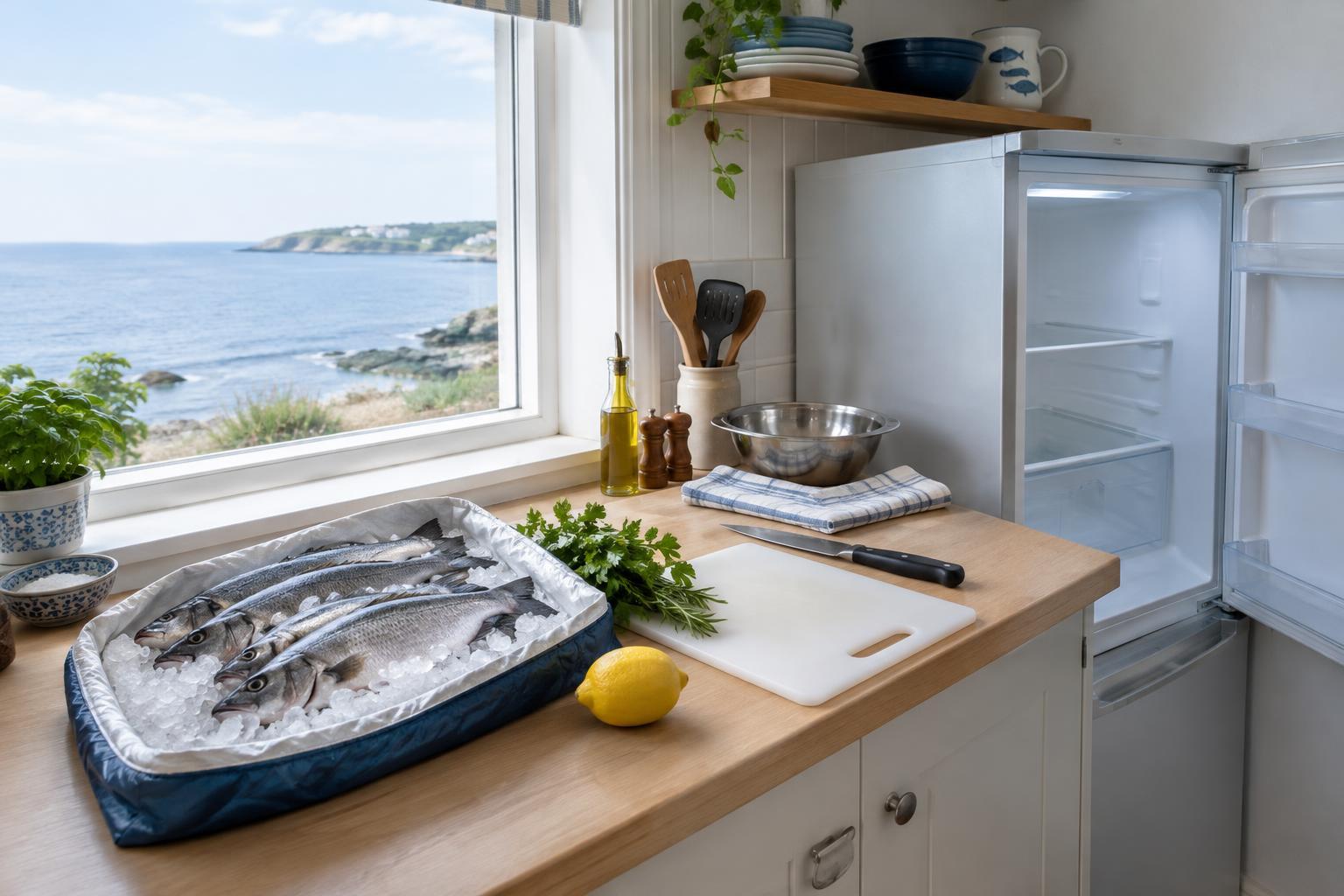
Put seafood in the refrigerator as soon as you arrive. A fridge thermometer is useful in an unfamiliar kitchen: aim for 4°C (40°F) or colder. If the fridge feels warm or cannot hold that temperature, do not rely on it for storing raw seafood. Keep fish in a covered container on a low shelf so juices cannot drip onto other food, and follow any storage directions given by the seller. Live shellfish may need airflow rather than a sealed container, so check the advice for what you bought.
Fresh seafood is best treated as a near-term meal in a rental kitchen. If your plans change, freezing may be an option when the seafood is suitable for it and the freezer works properly, but a tiny freezer compartment may not freeze a large purchase quickly. When in doubt about how long something has been warm or whether it is still safe, discard it rather than trying to rescue it with cooking.
Prepare and cook with simple, clean habits
Begin with clean hands, utensils and surfaces. Keep raw seafood and its juices away from salad, bread, fruit and anything else you will serve without further cooking. Use a separate board if one is available; otherwise, prepare ready-to-eat ingredients first, then wash the board, knife and counter thoroughly after handling the seafood. Do not rinse raw fish or shellfish under a running tap, which can spread droplets around the sink.
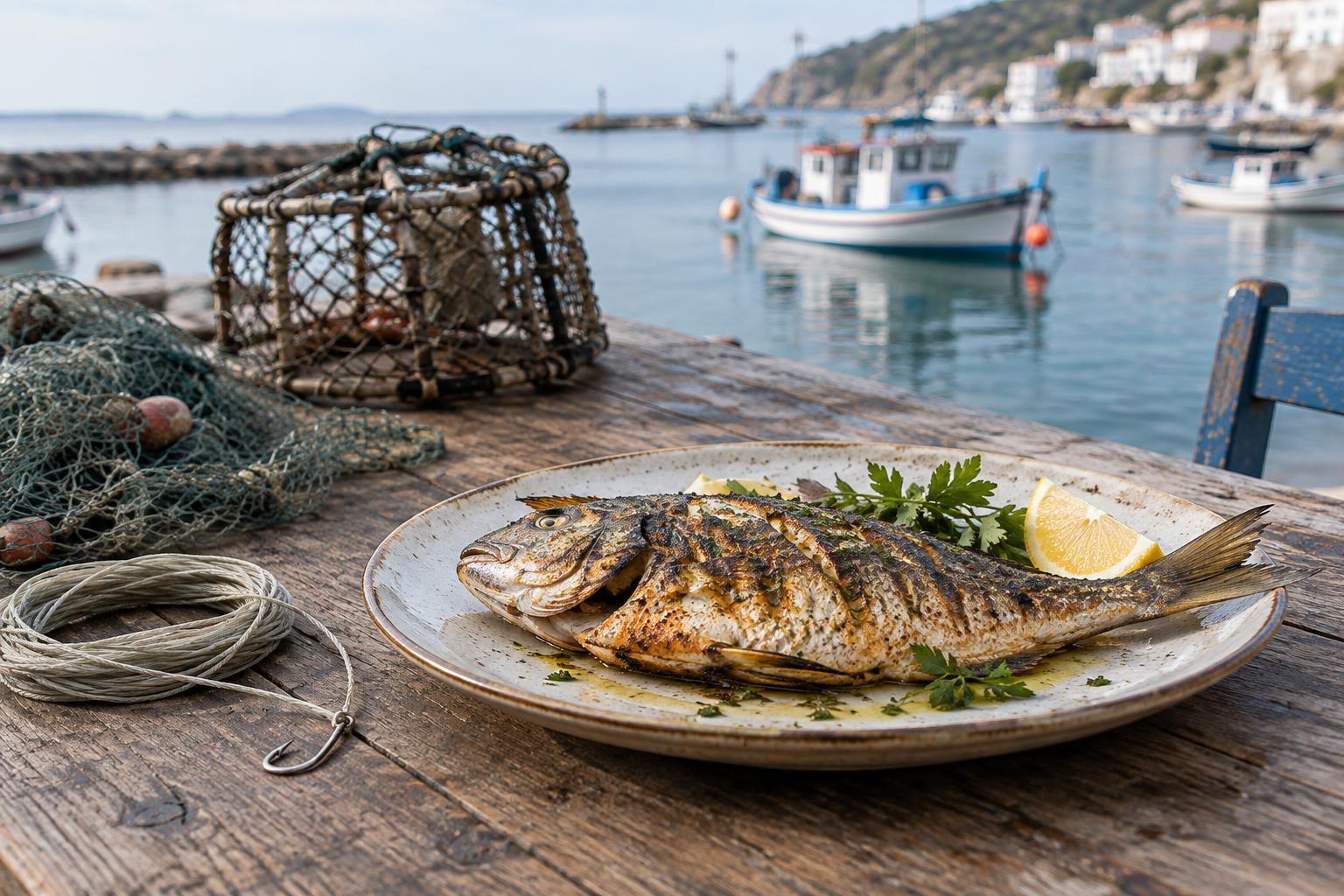
Choose a straightforward method that suits the equipment: a shallow pan, an oven tray or a covered pot is often easier to manage than an elaborate recipe. Cook seafood thoroughly, using a food thermometer when you have one and checking guidance appropriate to the species and preparation. Appearance alone can be misleading, particularly with thick pieces of fish. If you are cooking shellfish, follow species-specific advice on handling and cooking, and discard any that should not be eaten.
If anyone in your group has a seafood allergy, do not assume that washing a shared pan or removing an ingredient makes a meal suitable for them. Discuss ingredients and kitchen setup before cooking, and avoid preparing food you cannot keep reliably separate.
Serve promptly and be realistic about leftovers
Bring the meal to the table when it is ready rather than leaving cooked seafood out while everyone returns from the beach. Refrigerate leftovers promptly in shallow, covered containers, separate from raw ingredients. If the fridge is crowded or unreliable, make only what you expect to eat at that sitting.
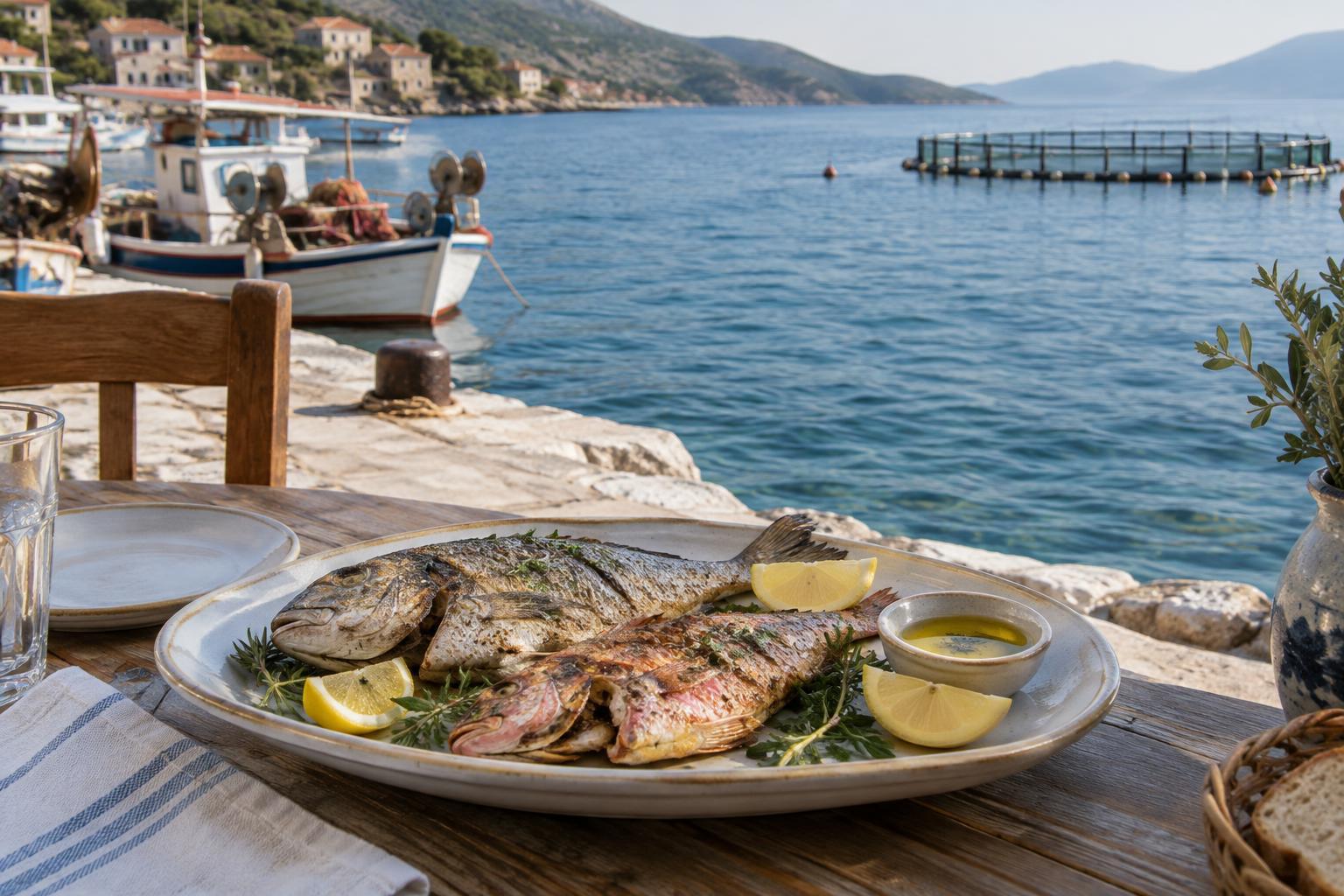
Before checking out, wash the utensils, boards and sink used for raw seafood, and empty food waste as the rental requires. It is a small courtesy to the next guest as well as a good end to your own meal. The reward for keeping things simple is more time to enjoy where you are: a local ingredient, a view of the coast and a dinner made with care.