Start with the kitchen you have
Before visiting a fish counter, take stock of the rental. Is there an oven, a working hob or just a small grill? Do you have a frying pan large enough for a whole fish, a baking tray, a sharp knife and a reliable fridge? Check for cooking oil, salt and a way to clean up, too. These ordinary details will make the seller’s advice much more useful.
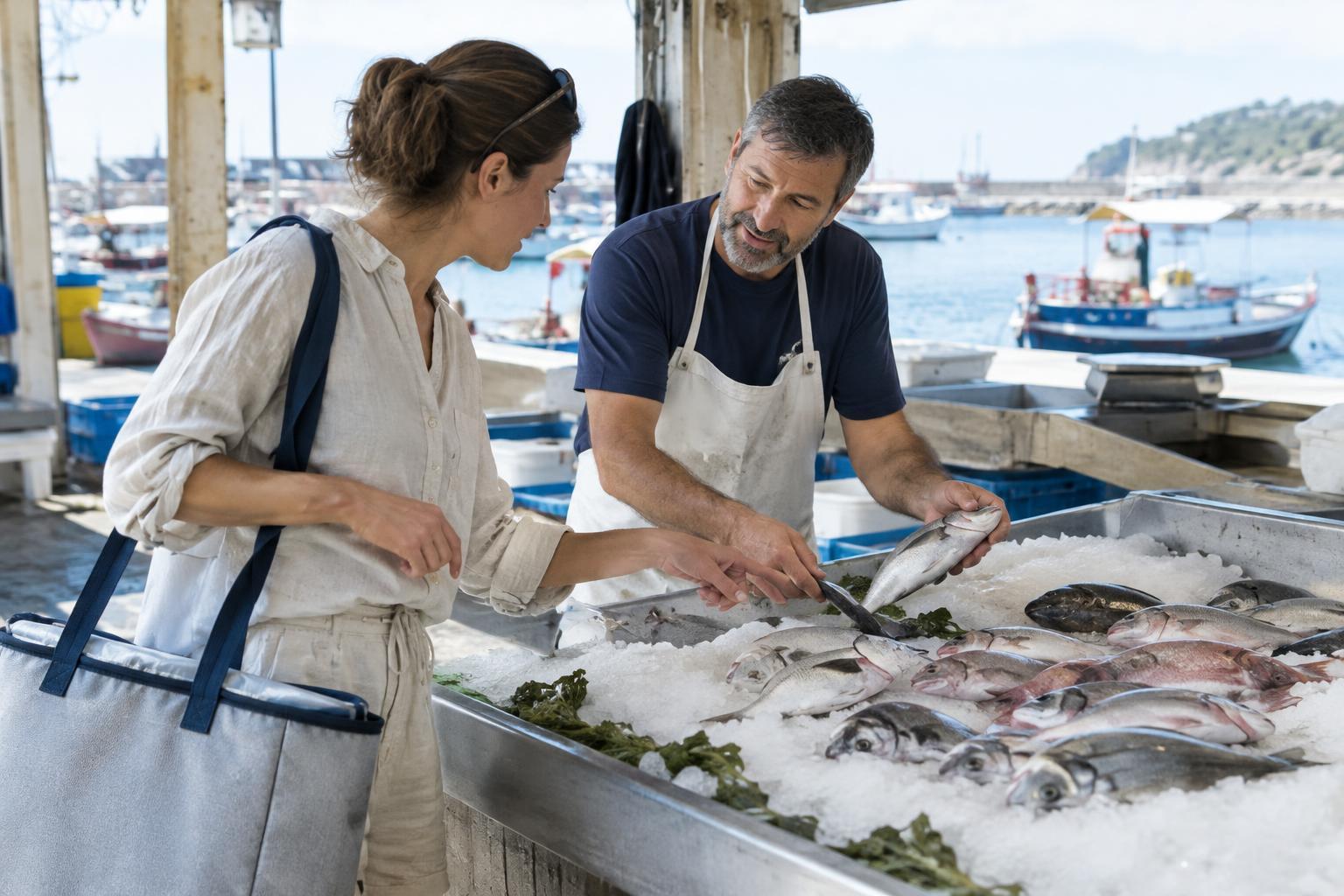
Instead of asking only, “What’s good today?”, try: “What would you recommend for a small pan and a simple supper?” Mention how many people you are feeding and whether you want to cook immediately. A thick fillet, small whole fish or pieces suitable for a covered pan may each make sense in a different kitchen. If you are unfamiliar with the local names, ask the seller to describe the fish’s texture and a straightforward way to cook it.
Ask what you are buying and how it has been handled
Markets often have their own vocabulary for species, cuts and sizes. Ask, “What fish is this?” and “Is it sold whole, cleaned or as a fillet?” If the answer is unclear, pointing to the fish and asking for its name to be written down can help you remember what you bought. You can also ask whether it has been previously frozen, particularly if you expect to freeze any leftovers yourself.
To understand how the fish will reach your plate, ask how it has been kept cold and how long the seller recommends keeping it before cooking. Appearance and smell can offer clues, but neither is a complete test of safety. Fish should be kept properly chilled; if the display or handling gives you doubts, it is reasonable to choose something else. A helpful seller should also be able to tell you whether the fish has bones, skin or scales you will need to deal with.
Make preparation part of the purchase
A holiday rental is rarely the best place to learn to scale a fish over a small sink. Ask, “Could you clean and scale this for me?” or “Could you fillet it and leave the skin on?” If you want to roast a whole fish, ask for it to be gutted and ready to cook. For children or anyone who prefers fewer bones, ask which available cut is easier to eat, while remembering that even fillets can contain small bones.
Portions are another useful conversation. Tell the seller what else you plan to serve and ask how much they would suggest for your group. This is more reliable than guessing from the size of a whole fish, where bones and head account for some of the weight. Before paying, confirm the price for the amount you are taking and whether preparation changes the cost. A clear question at the counter can prevent both wasted food and an awkward surprise.
Plan the journey from counter to fridge
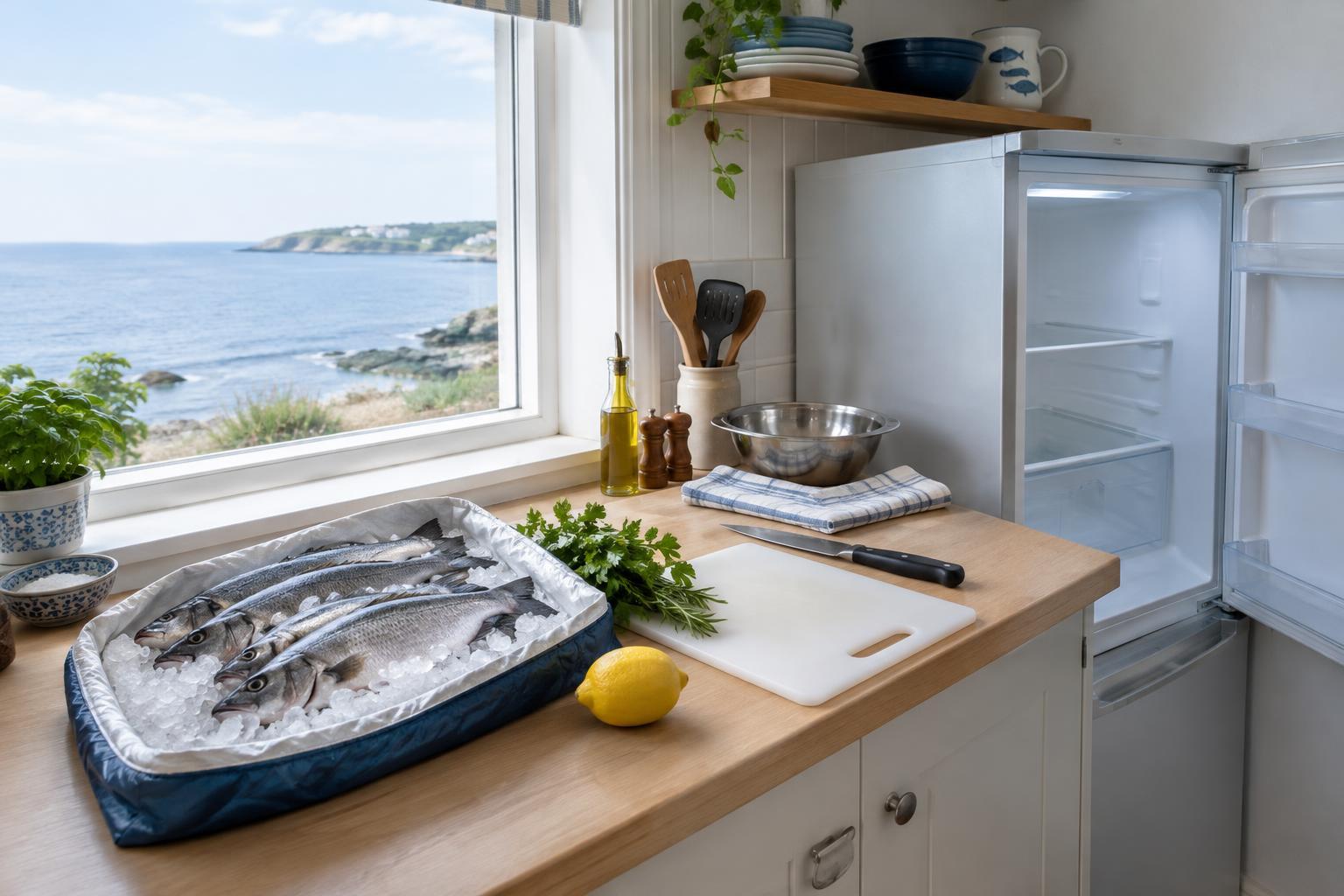
If you have a long walk, a ferry ride or sightseeing planned after shopping, ask the seller to pack the fish for travel and bring an insulated bag with a cold pack if you can. Keep it separate from ready-to-eat foods and take it back to a fridge promptly. If the rental fridge does not feel cold or you cannot get the fish home without a lengthy warm journey, buy it closer to cooking time or choose another meal.
Once home, keep the wrapped fish cold and follow any storage advice the seller gives. Wash your hands and clean surfaces and utensils after handling raw fish; do not let its juices touch salad, bread or other food that will not be cooked. Cook the fish thoroughly rather than planning a raw preparation in an unfamiliar kitchen. If its condition seems questionable when you unwrap it, cooking is not a way to make a doubtful purchase worth the risk.
Let local knowledge shape a simple meal
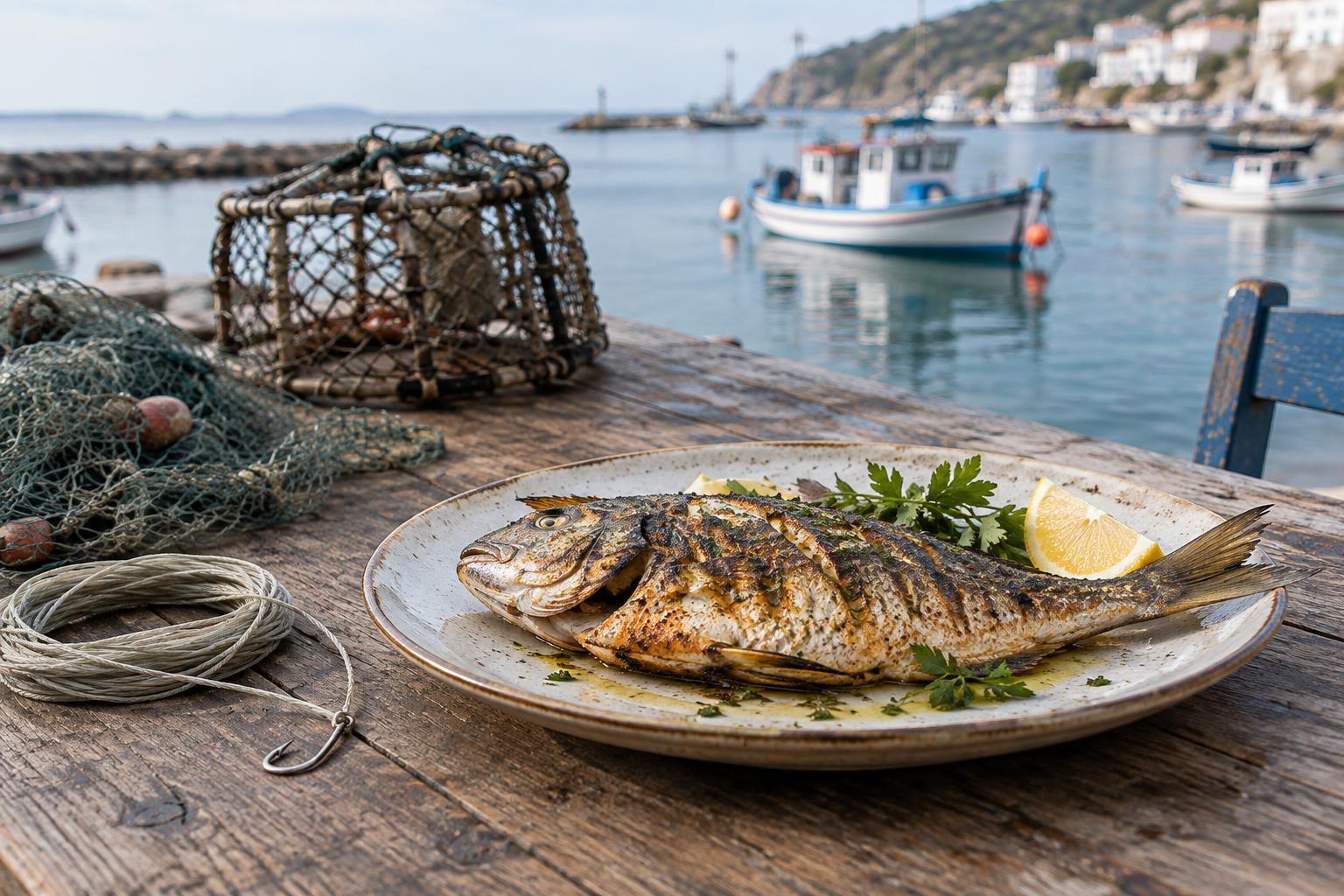
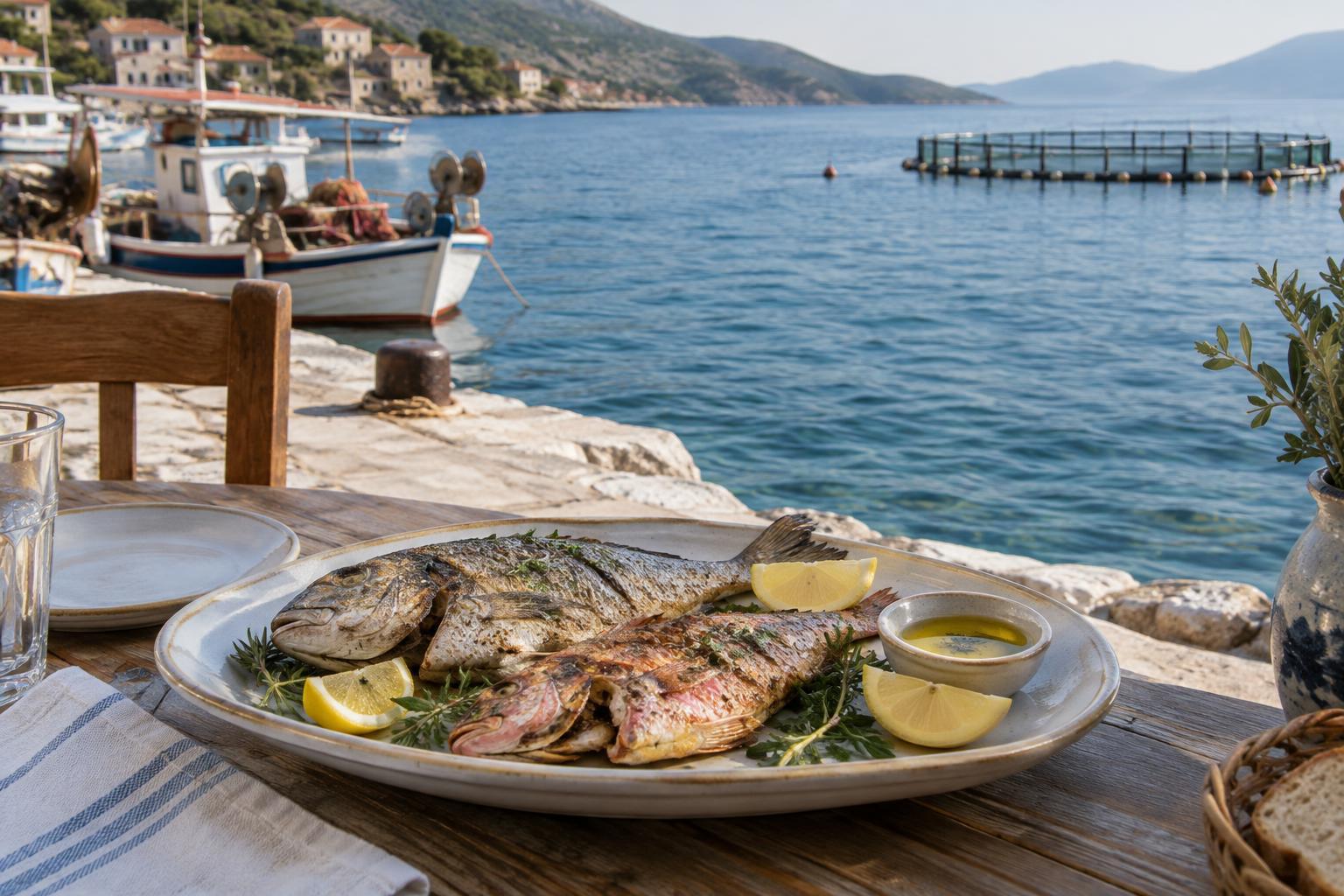
The most enjoyable question may be, “How would you cook this at home?” You might hear a suggestion involving a little oil, a covered pan, herbs or citrus, depending on the fish and the local kitchen. Ask about a modest seasoning or side dish you can buy nearby, rather than gathering ingredients you will leave behind. If you are interested in choosing a species that is commonly eaten locally, ask what alternatives are available and how they differ in flavour and preparation.
Keep the final plan forgiving: one fish, one cooking method and a side you already know how to make. Note the seller’s instructions, especially if they recommend a different approach for a delicate fillet or a thicker cut. Asking a few precise questions turns the market visit into more than a transaction, while giving you a supper that fits the place, the journey home and the kitchen waiting for you.