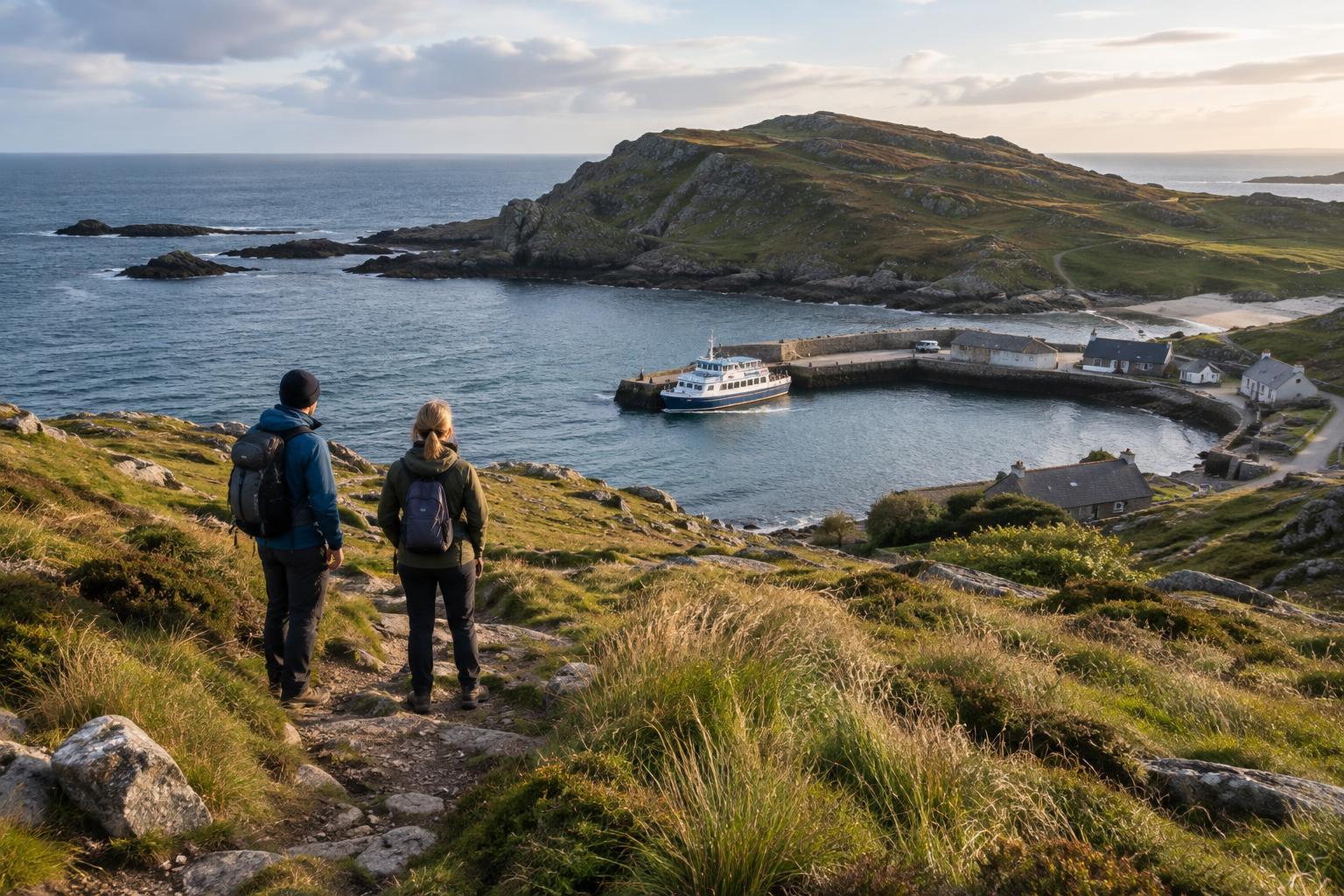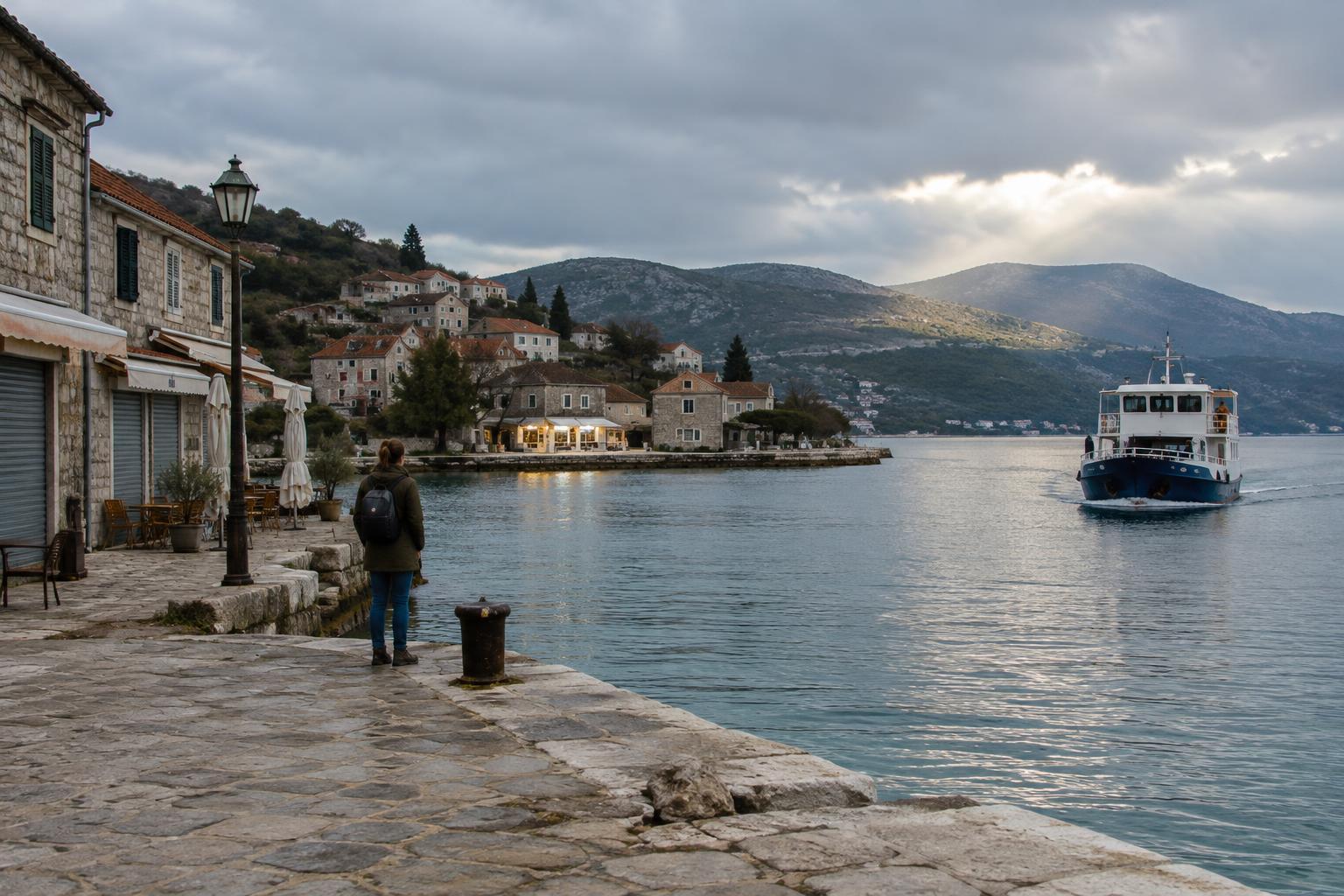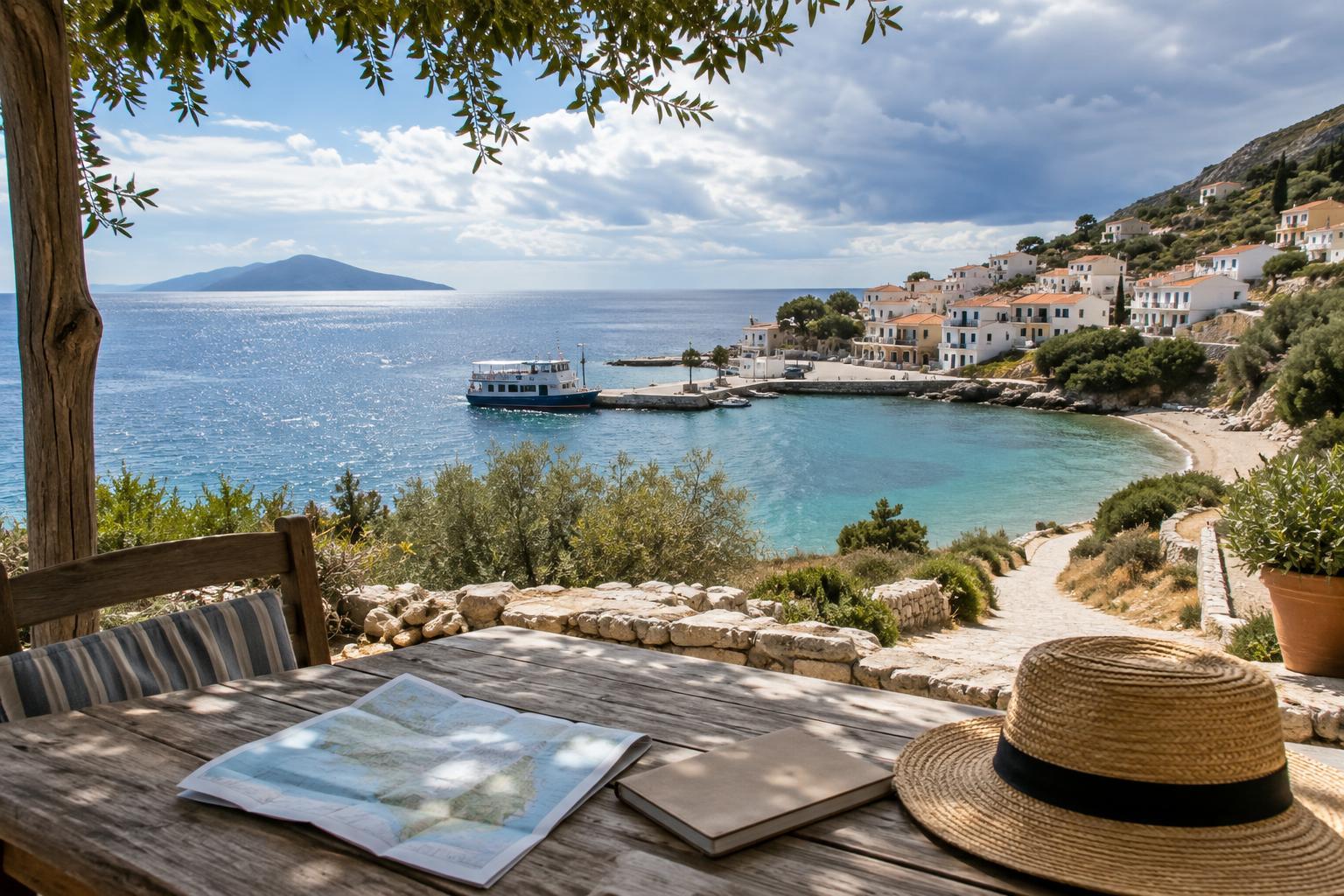
Start with the parts that cannot move
A flexible island itinerary begins with a few firm decisions. Identify your arrival and departure points, accommodation nights and any transport you must take on a particular day. If a ferry, flight or tour has limited departures, check its timetable and booking terms before arranging the rest of the trip. These are the framework, not the whole schedule.
Give special attention to the journey off the island. If missing a connection would disrupt onward travel, consider spending your final night close to the departure point rather than depending on a long chain of transfers that morning. Build in enough time to collect bags, reach the terminal and handle ordinary delays. Flexibility is easier to enjoy when the essential connections are protected.
Choose a base that makes slow days possible
Changing accommodation every night can make a short trip feel like a sequence of check-ins. A well-chosen base lets you explore without repeatedly packing your bag. Look at where you can reach on foot or by the transport you expect to use, not just at the distance on a map. A quiet cove may be appealing, but it may limit your options if you do not have a car or frequent bus service.
For a larger island, two bases may make more sense than one. Divide the trip by area rather than trying to cross the island each day. Leave a little time after each move to settle in, buy supplies and find your bearings. That unassigned afternoon can become a swim, a harbor walk or simply a chance to rest.
Plan priorities, not a minute-by-minute route
Before you go, choose a small number of experiences that would make the journey meaningful to you. Perhaps that means walking a coastal path, visiting a maritime museum, eating a regional dish or taking a boat to a neighboring island. Check practical details such as opening days, transport links and whether advance booking is needed. Then give each priority a plausible place in the itinerary without filling every gap around it.
Keep a second list of optional activities grouped by location. If you finish a walk early, you might have a nearby village or beach in mind; if you linger over lunch, nothing important is lost. This approach avoids a common planning trap: treating an island as a checklist when distances, terrain and connections may make each outing take longer than expected.
Give weather and transport their own space
Conditions near the sea can change what feels comfortable or feasible. A windy day might be better for a sheltered village than an exposed headland, while a calm morning may be your best chance for a boat excursion. If an activity depends on suitable conditions, try to schedule it early enough in the stay to allow another opportunity. Check local forecasts and operator updates during the trip rather than assuming the original plan will hold.
Make a simple alternative for each weather-dependent day. Pair an outdoor idea with an indoor or more sheltered one, such as a market, small museum or long meal. Do the same for transport: know what you would do if the last return service is earlier than expected or a crossing does not run. The goal is not to anticipate every problem, but to keep a changed plan from consuming the day.
Leave room for the island you actually find
The most useful open time is deliberate. Keep part of a day free after a major outing, or leave an entire day without a fixed destination on a longer stay. You may want to revisit a beach at a different hour, follow a recommendation from your host or sit by the harbor and watch the working boats. You may also discover that you need a quieter day than you expected.
Before each evening, look at the next day’s essentials and decide what can wait. Confirm any time-sensitive transport, then choose just one or two possibilities that suit your energy and the conditions. An island itinerary does not have to be vague to be flexible. With a few dependable anchors and space between them, you can travel confidently while still paying attention to the place in front of you.