Begin with permission, not a basket
A shoreline may feel open to everyone, yet access and food gathering are different questions. Rules can vary between neighboring beaches and may depend on what you want to collect, how much you take and whether the shore is protected. Before a trip, check guidance from the relevant local authority or site manager for the exact location and species. Look for restrictions on protected areas, seasonal closures, minimum sizes and collection methods. If you cannot confirm that gathering is allowed, treat the visit as a walk rather than a harvest.
Public access does not necessarily extend across private land, working harbors or aquaculture sites. Respect signs, fences and marked operations, and avoid assuming that an empty stretch of coast is unused. If you are traveling, ask locally about customary access as well as formal rules. A place may support fishing families, shellfish growers or community gathering practices that are not obvious to a visitor. Permission is a starting point for considerate foraging, not the whole of it.
Know what you are looking at
Only gather a species when you can identify it confidently and distinguish it from similar-looking organisms. This matters for seaweeds, coastal plants and shellfish alike. A photograph or a common name alone may not settle an identification; appearance can change with age, season and exposure. Use a reliable identification guide suited to the region, examine the features it describes and leave anything uncertain in place. If you are new to foraging, a guided walk with a knowledgeable local leader can be more useful than trying to fill a bag on your first outing.
Identifying something as edible does not mean it is safe to eat from a particular site. Shellfish can accumulate harmful substances, including toxins that cooking may not remove. Water quality and harvesting advisories can change, so check the relevant local notices before considering shellfish collection. Avoid gathering near drains, industrial areas, busy harbors or other apparent sources of contamination, but do not treat a clean-looking beach as proof of safety. When reliable local safety information is unavailable, choose another activity.
Plan around tides and changing conditions
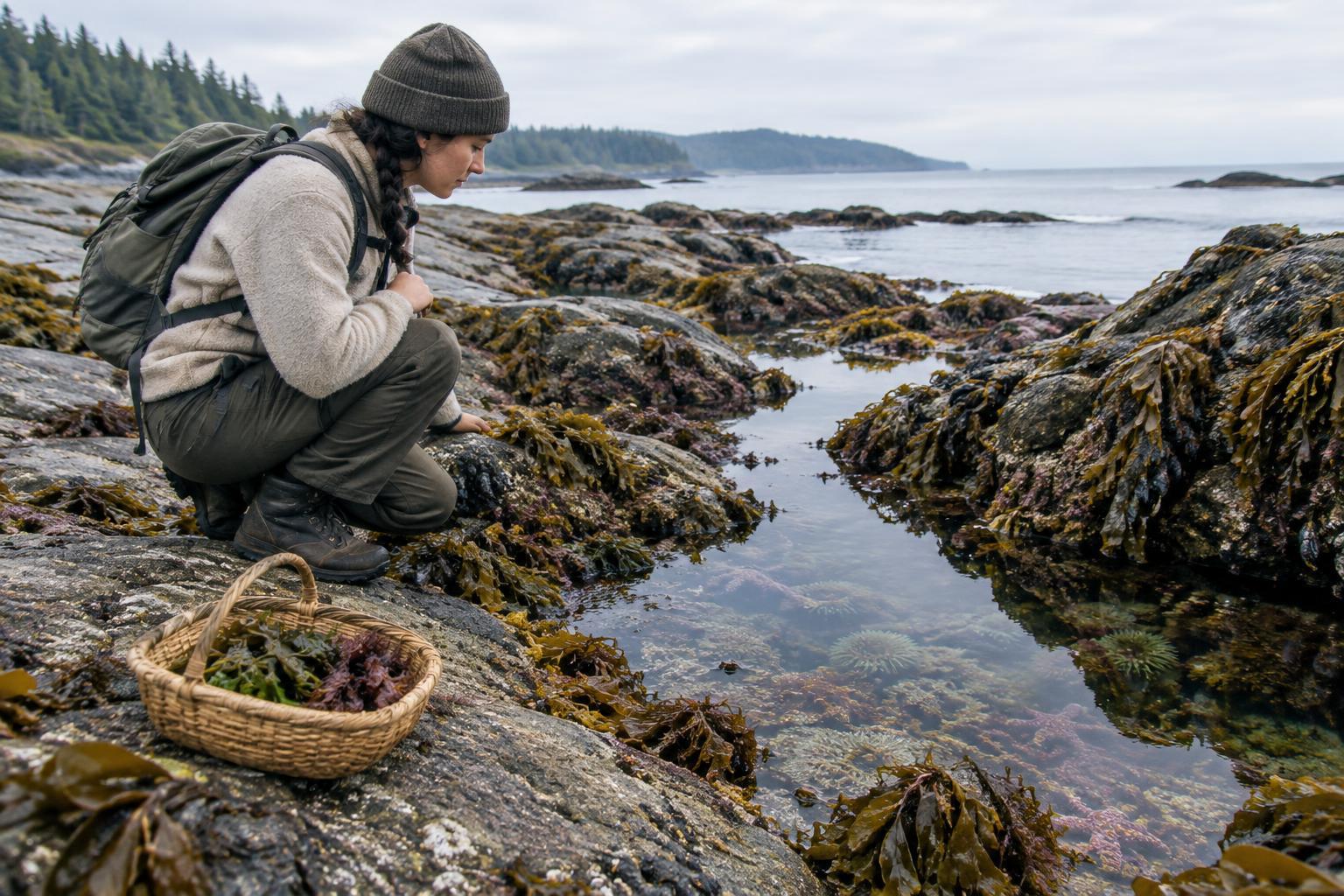
The intertidal zone offers a tempting sense of discovery, but the same tide that reveals it will return. Check local tide information before setting out, allow ample time to get back and keep a clear route to higher ground. Watch for channels that may fill before the wider beach, slippery rock and sudden changes in weather or surf. Go with another person when possible, tell someone your plan and turn back early if the route becomes difficult. No ingredient is worth a risky crossing.
Choose simple equipment that helps you move carefully: footwear with good grip, a small container that will not spill and a way to keep any permitted harvest separate from sand and debris. Dress for wind and wet conditions even on a mild day. Keep your hands free where footing is uncertain, and avoid climbing fragile banks or reaching into deep pools. A short, well-timed visit often makes for a better experience than trying to cover every exposed patch of shore.
Gather lightly and leave the shore working
Coastal plants and animals are part of a living system, not a stocked pantry. Seaweed offers shelter, rock pools hold small creatures and shellfish filter water. If gathering is permitted and safe, take a modest amount for a meal rather than collecting simply because something is abundant. Spread any collection across an area instead of stripping one patch. Follow local guidance on tools and methods, and avoid pulling attached seaweed up by its holdfast or disturbing animals you do not intend to collect.
Move gently through the habitat. Turned stones can shelter organisms that depend on dampness and shade; if you lift one to look, replace it as you found it. Avoid trampling beds of vegetation, digging unnecessarily or leaving line, packaging and other litter behind. Be particularly cautious where birds are feeding or nesting. The aim is to leave enough food, cover and space for the shore’s other users—including the people who will arrive after you.
Let a good meal start with restraint
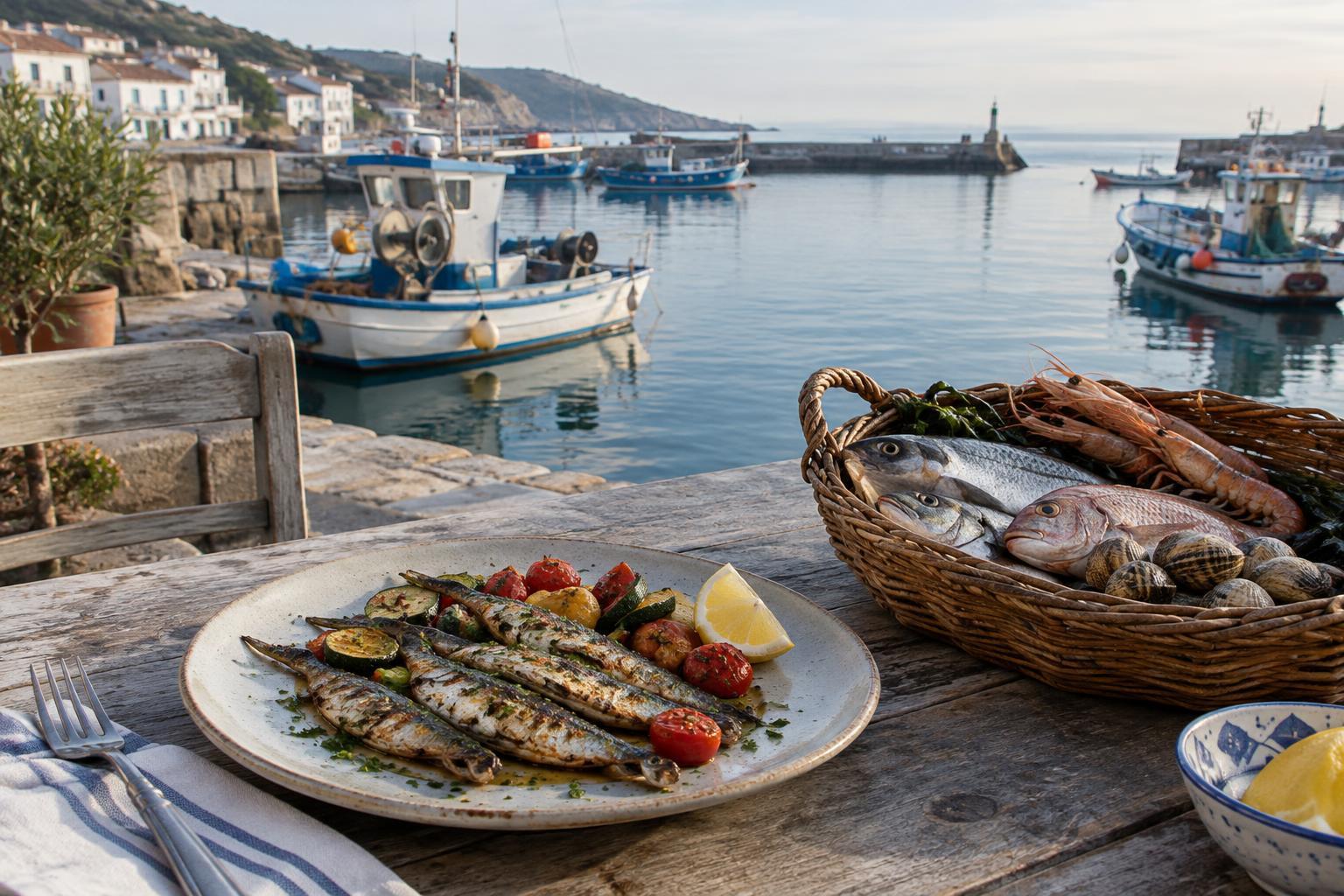
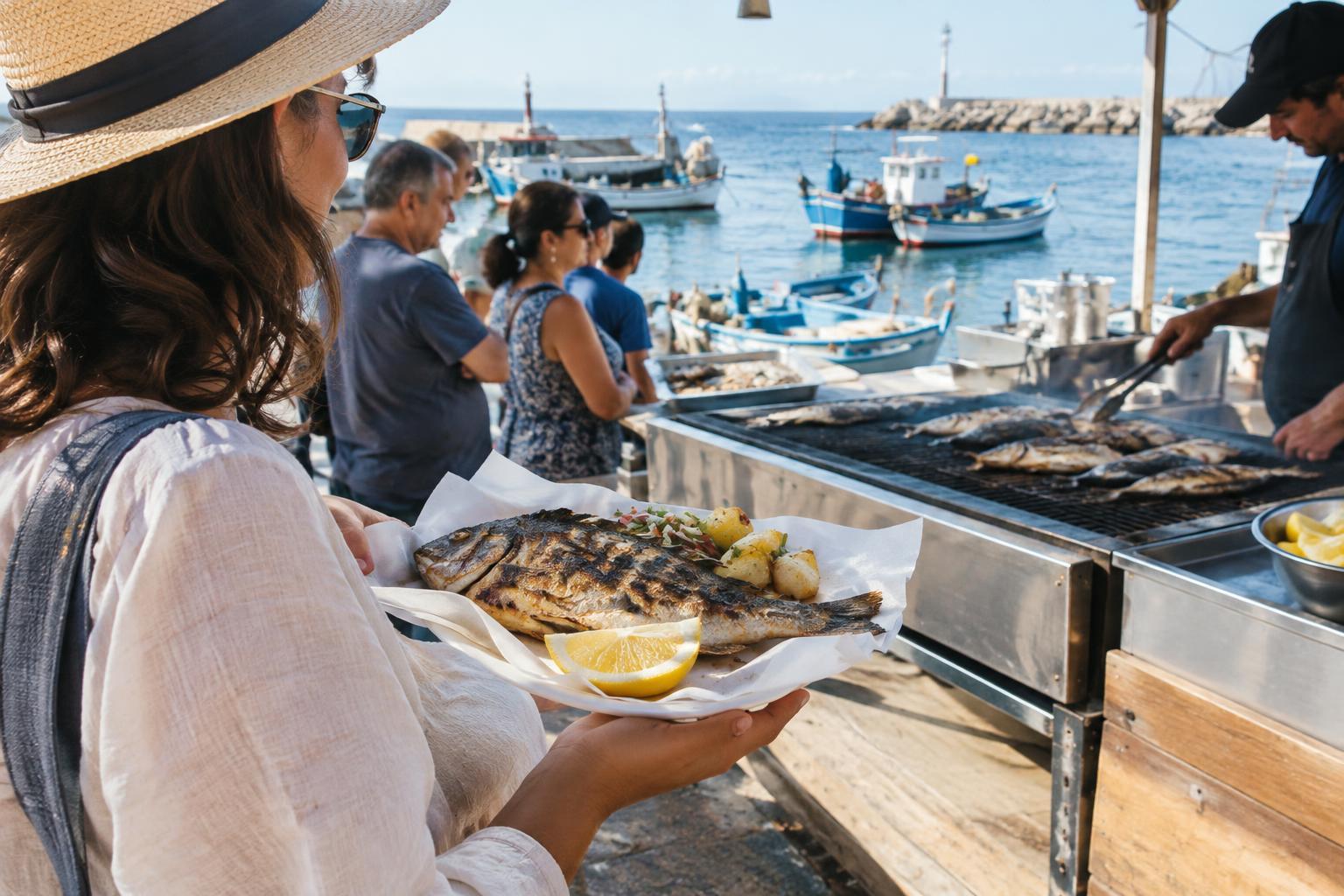
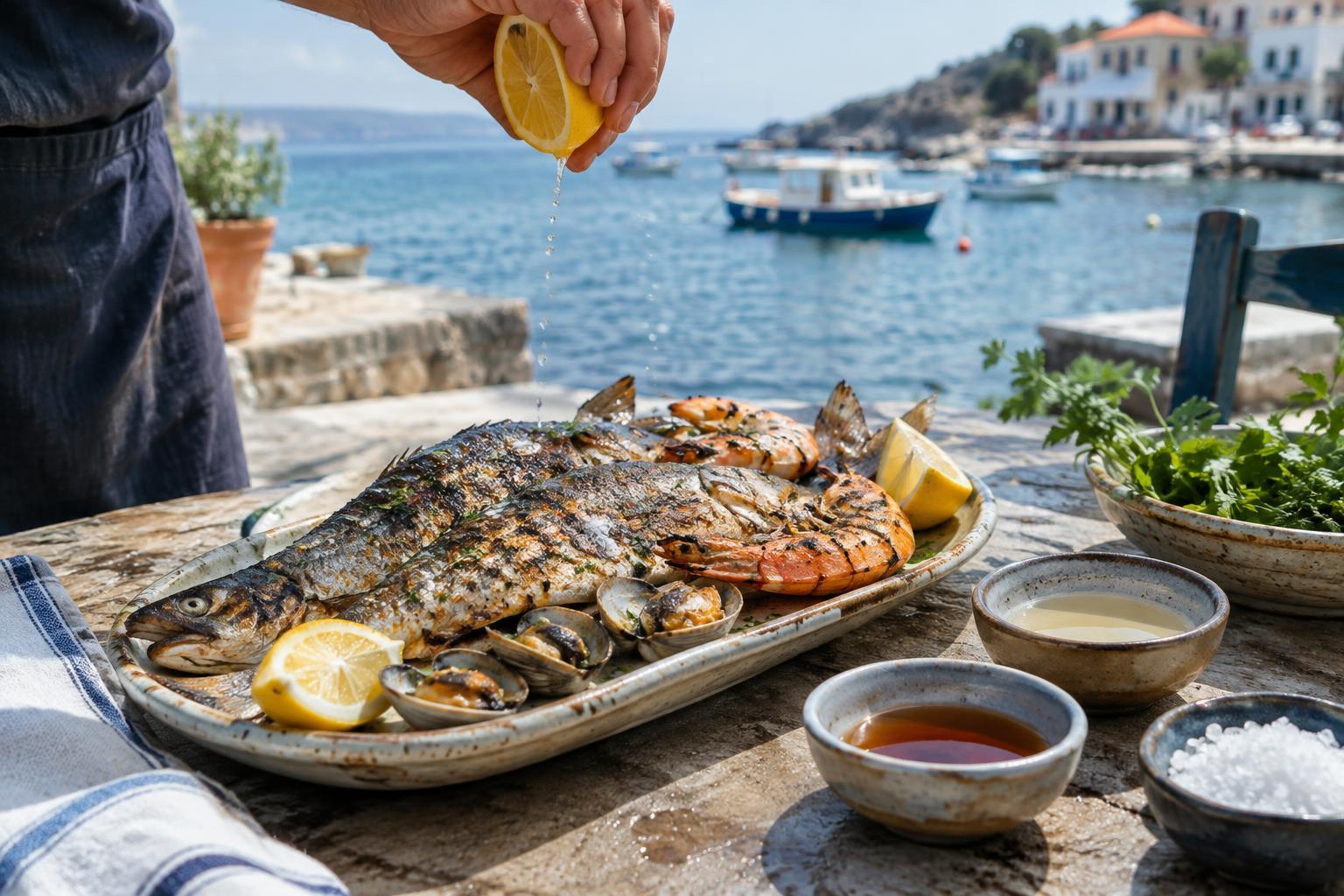
Before taking anything home, think through how you will transport, store and prepare it. Keep food clean and appropriately cool, and do not use a harvest that smells off or has been left in unsuitable conditions. Preparation needs differ by species, and cooking cannot correct every identification or contamination mistake. If you are unsure about any step, do not eat the harvest. Tasting local seafood or sea plants from a reputable vendor can be a rewarding alternative to collecting your own.
Shoreline foraging does not have to end with a full basket. Learning one plant’s name, noticing which birds feed as the tide falls or understanding why an area is closed can make a coastal journey more memorable. Approach each visit as a chance to observe first and gather only when permission, identification, conditions and habitat care all align.