See a wreck as a site, not a souvenir
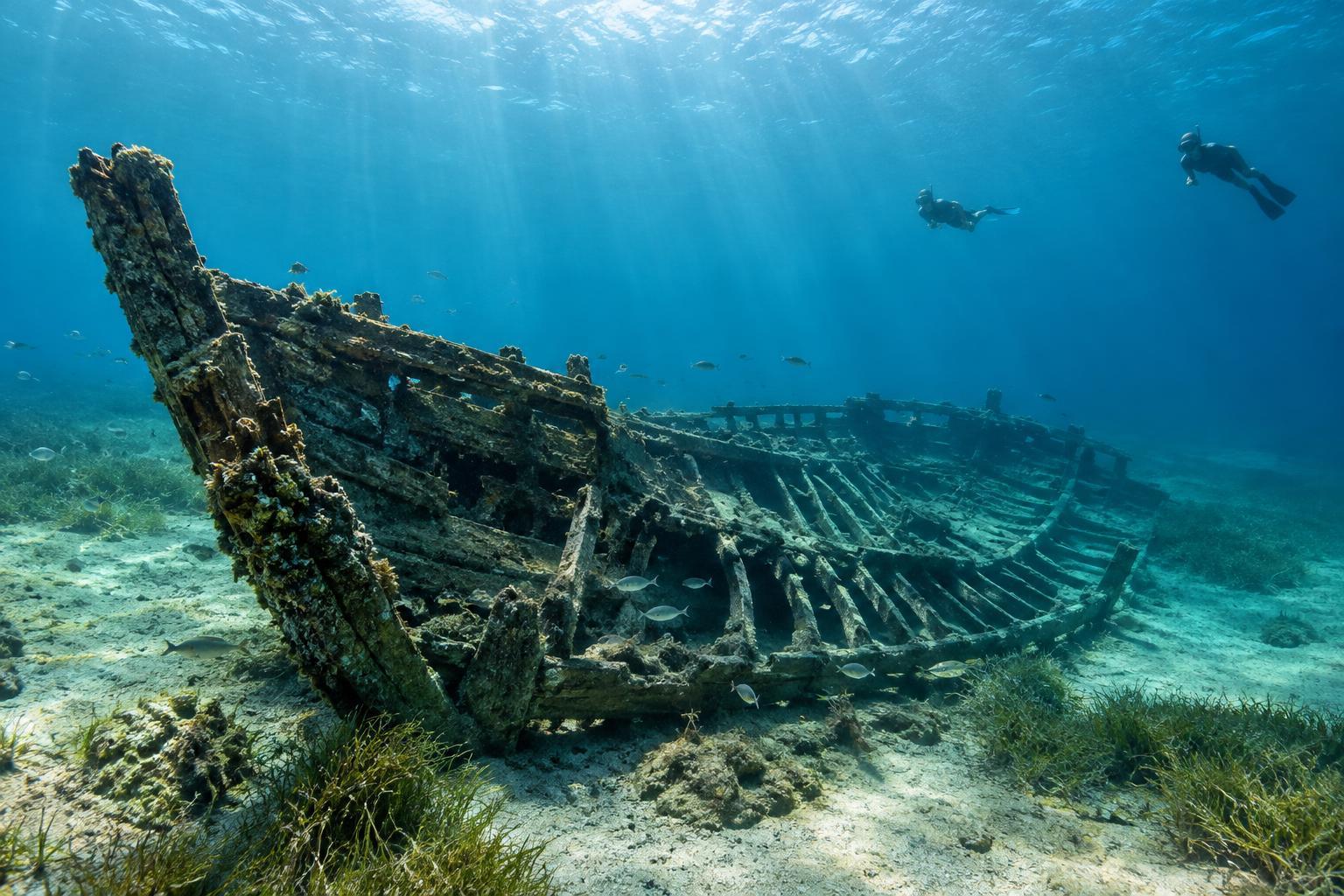
A shipwreck is rarely just a hull. Its scattered fittings, cargo, broken pieces and position on the seabed can help explain how a vessel was built, used and lost. An object may look ordinary on its own, yet its location beside other objects gives it meaning. Moving it, even a short distance for a photograph, can erase part of that record.
Wrecks can also carry memories for families and coastal communities. Some are connected to loss of life; others recall fishing, trade, migration or everyday work at sea. Visiting with care begins by allowing room for those stories, rather than treating the site as an underwater treasure hunt.
Plan the visit before entering the water
Access rules differ by place and by site. A wreck may lie in a protected area, require a permit or be closed to visitors. Before setting out, check information from the relevant park, heritage authority or site operator. If you book a boat trip or guided dive, ask how the operator avoids anchoring on the wreck and what boundaries visitors are expected to observe.
You do not need to enter the water to learn from a wreck. Coastal museums, interpretation panels, archives and shore viewpoints can offer a fuller account of the vessel and its setting. If you do swim or dive, choose a visit suited to your ability and the conditions. Currents, visibility, surf and boat traffic matter more than the appeal of a particular photograph. Never enter a wreck unless you are properly trained and permitted to do so.
Keep your distance and leave everything in place
The simplest rule is to look without touching. Do not climb on a wreck, pry at its structure, brush away growth or pick up an object to inspect it. Fragile materials may be less stable than they appear, and a small disturbance can damage surfaces or separate an item from its archaeological context. Sediment stirred up by fins or hands can also obscure the site for others and settle over delicate features.
Give the wreck enough space to move comfortably without making contact. For divers, careful buoyancy and awareness of fins and equipment help prevent accidental knocks. Snorkelers can avoid standing on exposed remains in shallow water. From a boat, use established moorings where available rather than placing an anchor near the site. Take photographs from a respectful distance, without rearranging anything for a clearer view.
Protect the setting around the wreck
Over time, a wreck may become habitat for marine life. That does not make it less significant as heritage; it gives visitors another reason to tread lightly. Avoid chasing animals out of openings, resting on nearby reef or seagrass, and leaving fishing line or other litter behind. Follow any local guidance on wildlife and water access.
Think carefully about what you share afterward. A public post that identifies a little-known wreck precisely could bring more visitors than the site can withstand or draw unwanted collecting. You can describe what you learned and credit a museum or guide without publishing exact coordinates. If a site is already open and interpreted for visitors, share its stated visiting guidance along with your experience.
Let curiosity lead to stewardship
If you notice a newly exposed object or signs of damage, resist the urge to investigate by moving things. Make a note of what you observed and contact the relevant local heritage or park authority, following its advice about photographs and location details. Reporting a concern is more useful than attempting to repair or recover something yourself.
The most rewarding shipwreck visit may leave you with questions rather than possessions. Who worked aboard? What route connected this coast to others? How has the sea changed the remains, and how do local people remember the vessel? Seek out interpretation from the communities and institutions caring for the site. Then leave the wreck as you found it, so its evidence—and its stories—remain available to others.