Mistaking the surviving structure for the whole story
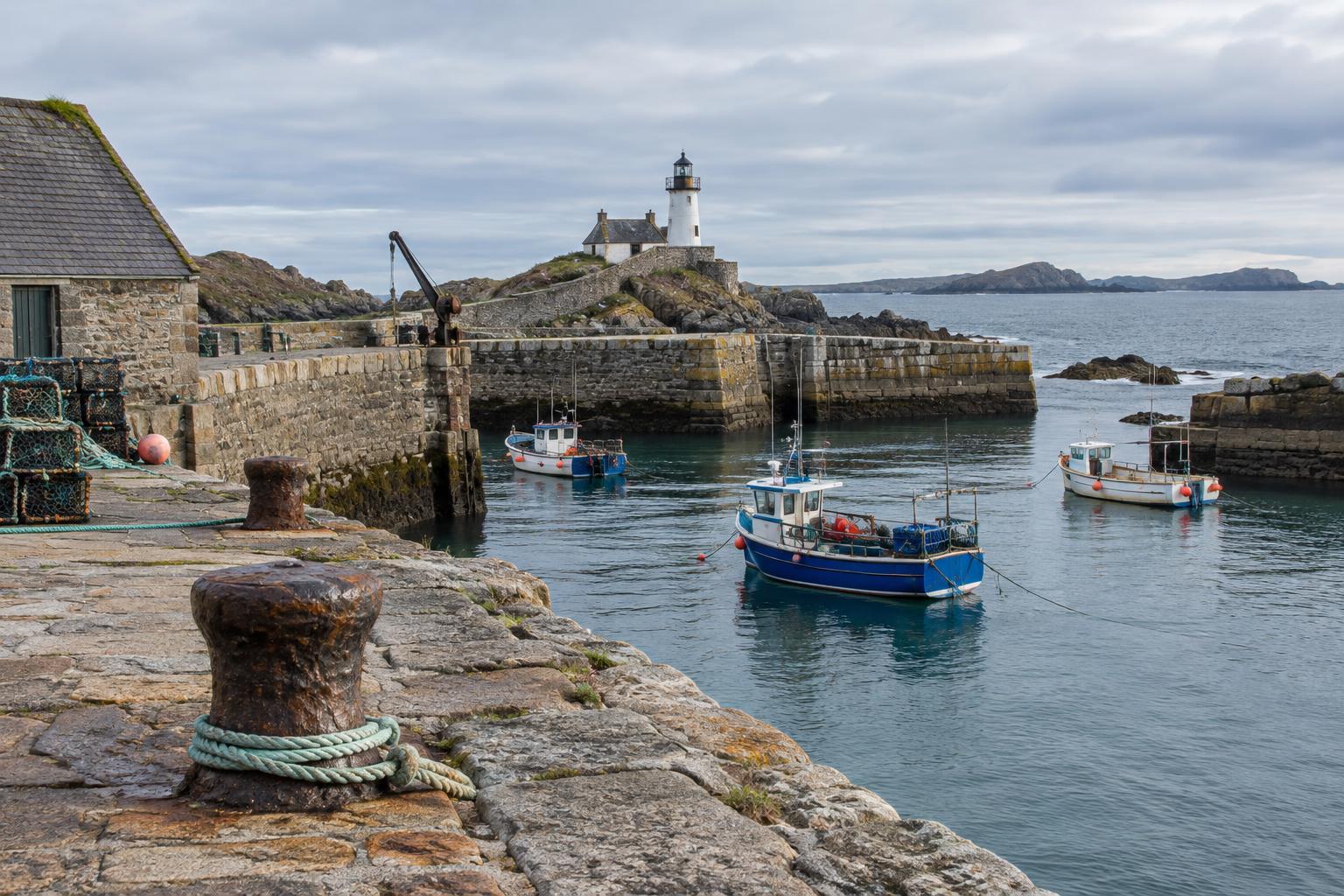
A lighthouse is easy to admire as an isolated landmark. A harbor wall invites a photograph from its most dramatic angle. But what survives at a maritime site is rarely the full setting in which people worked. A light depended on supplies and maintenance; a port relied on routes between shore, warehouses, workshops and inland communities. Even a small quay may have served several purposes at different times.
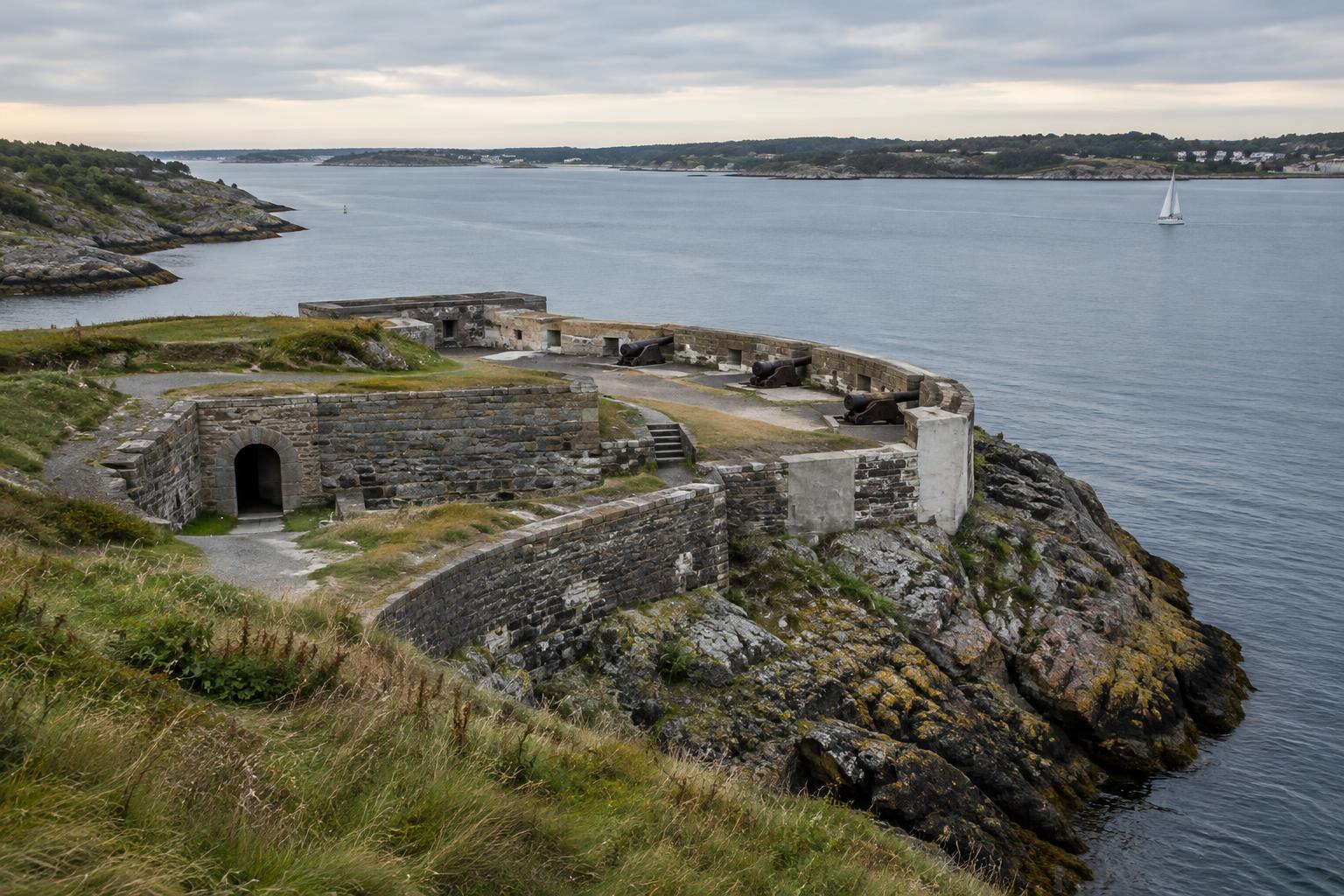
Start by asking what is missing. Where might boats have landed before the present structure was built? How did people move goods away from the water? Has the shoreline changed, or have later buildings obscured older ones? Maps, site plans and labels can help, but an ordinary walk through the surrounding streets can be useful too. Treat the visible monument as one part of a larger working landscape, not as a complete account of it.
Letting romance replace working lives
Maritime displays often feature ships, captains and daring voyages. Those stories can be compelling, yet they may leave less visible work in the background: repairing nets and sails, preparing food, loading cargo, keeping records, caring for families or maintaining equipment. People who never sailed could still be essential to life around a harbor.
When reading a panel or looking at an object, ask whose labor made the activity possible and whose names are recorded. A polished instrument may draw the eye, while a worn tool or a ledger can offer a different view of daily routines. Avoid assuming that every coastal community shared the same occupations or that life at sea was uniformly adventurous. Weather, income, household obligations and access to work could shape experiences in very different ways.
Assuming a site had one purpose and one era
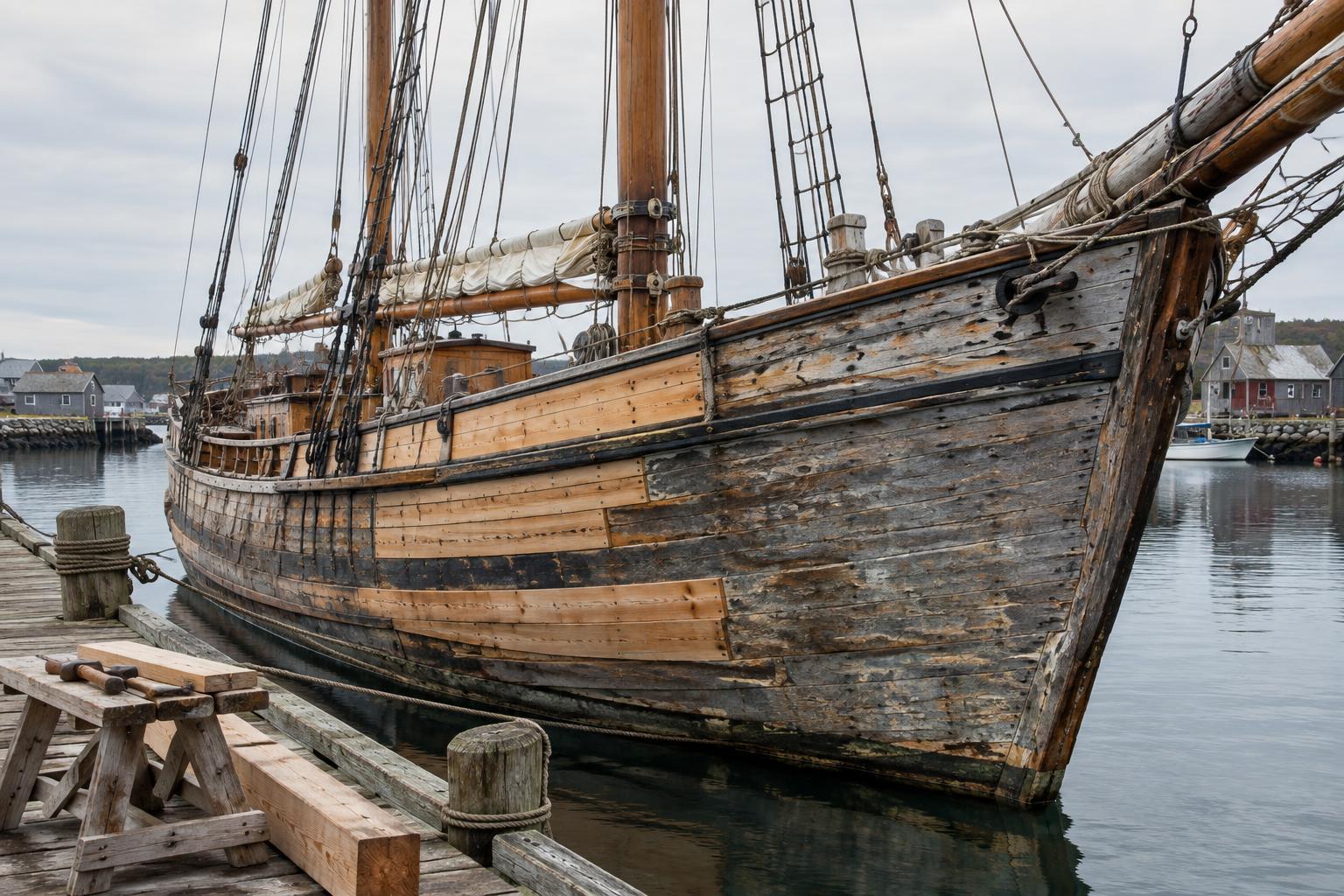
A waterfront may have been altered repeatedly. A building used today as a museum might once have stored goods, housed workers or served a later industry. A vessel may have been adapted over its working life. Interpreting every feature as if it belonged to a single moment can make a complicated place seem simpler than it was.
Look for clues to change: blocked doorways, additions in different materials, reused fittings or labels that distinguish original objects from reconstructions. Ask what the site was built for, how its use changed and which period the presentation emphasizes. A reconstructed room can help visitors imagine a past setting, but it is still an interpretation. Noticing where evidence ends and a plausible reconstruction begins makes the visit more interesting, not less.
Treating sea routes as stories of arrival alone
Ports connect places, so an exhibit may focus on where a ship went or what it brought home. That can obscure what left, who did the carrying and how trade affected communities at both ends of a route. Maritime exchange can involve cooperation and creativity, but a site’s history may also include exploitation, forced movement or unequal control of resources. The details depend on the place and period; they should not be assumed from a general image of seafaring.
If a display names a cargo or destination, follow that thread. Where did the goods originate, and who produced them? Who gained from the journey, and who bore its costs? Notice whether local, visiting and displaced people are represented in the account. When information is limited, frame these as open questions rather than filling gaps with a convenient story.
Confusing access with understanding
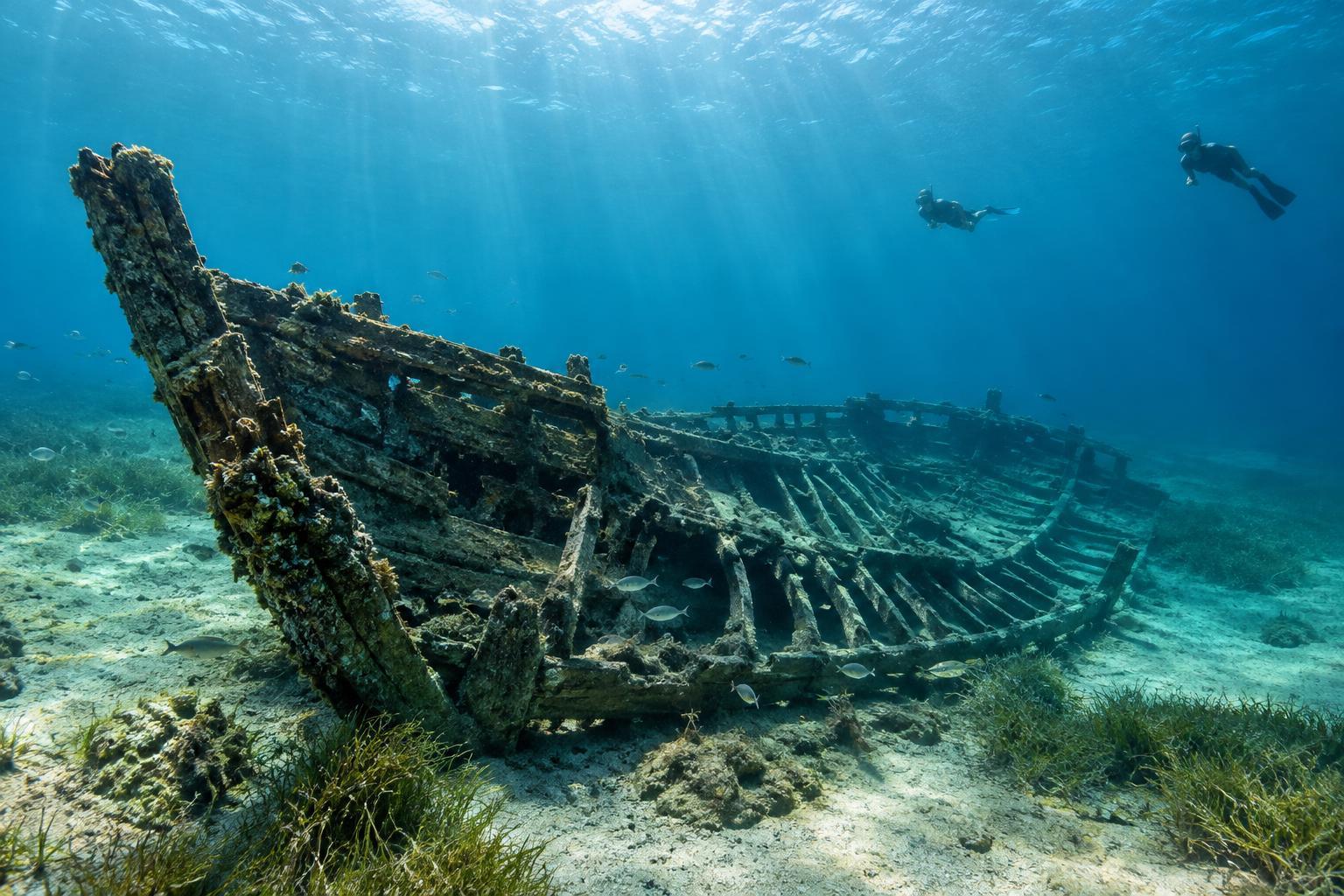
Being able to stand on a pier, enter a historic ship or see an object up close does not mean its meaning is self-evident. Labels may reflect the evidence available when they were written; local memories may add perspectives that an object alone cannot convey. Equally, a dramatic ruin is not an invitation to climb, remove a fragment or enter an unsafe area.
Give yourself time to read introductory material before heading for the most photogenic feature. Where available, compare a site’s timeline with its map, and pay attention to words such as “possibly” or “reconstructed.” Follow access guidance and leave objects where they are. The most useful habit is curiosity paired with restraint: ask what the evidence supports, notice whose perspective is being offered and accept that some questions may remain unanswered.