Start with the water, not the walls
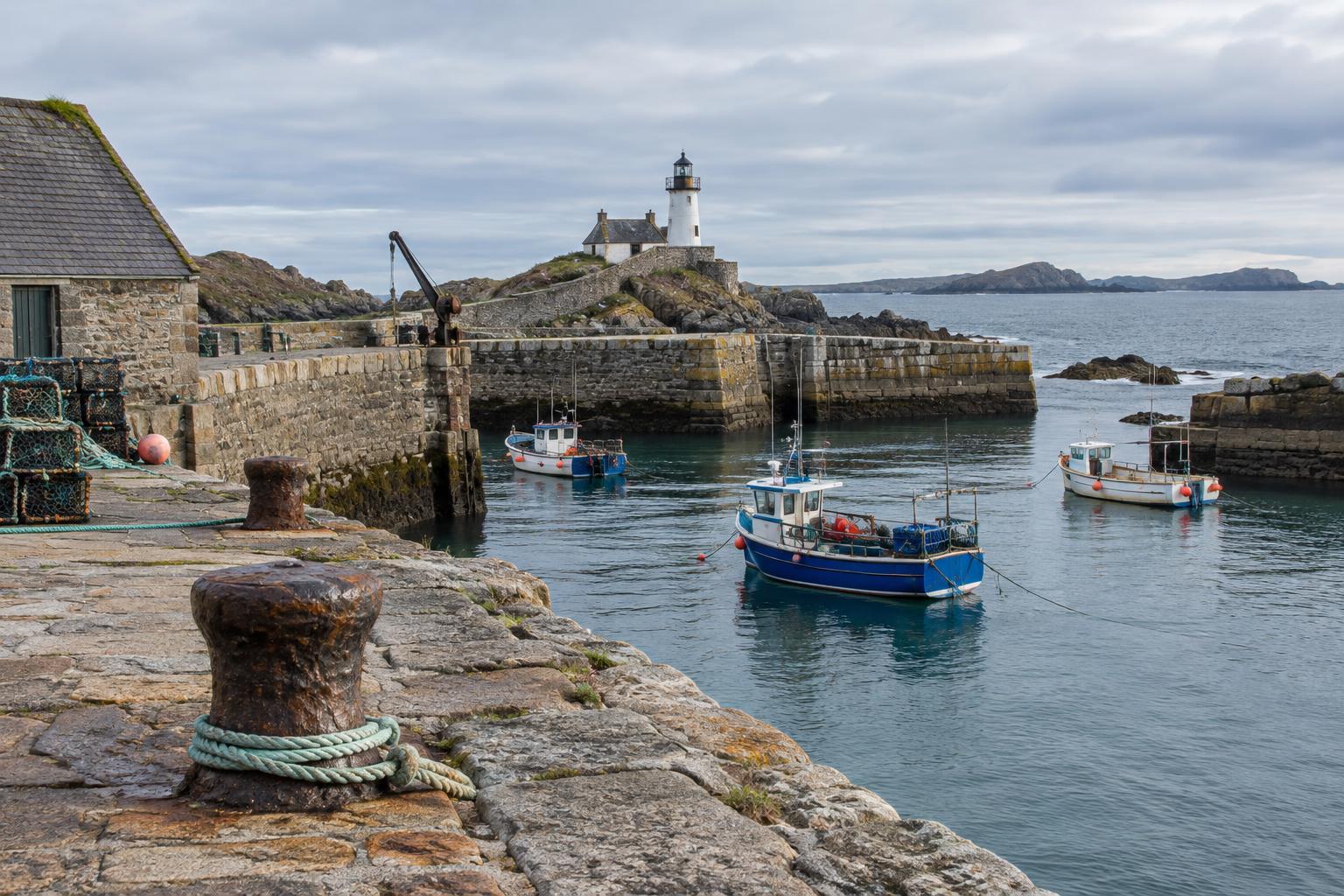
Before walking into a harbor fort, pause where you can see the shoreline. Look for a narrow channel, a sheltered anchorage, a river mouth or a bend that limits where vessels can travel. A defense often makes more sense from this wider view than it does from inside its walls. Ask what a ship approaching the harbor would have seen, and which stretches of water a position could overlook.
Harbor defenses did not always have to stop a vessel on their own. They might have guarded an entrance, supported another position across the water or protected ships and stores within the harbor. On a map, notice whether forts and batteries appear in pairs or form a sequence along the coast. On the ground, remember that shorelines and harbor works may have changed. A modern road or reclaimed waterfront can obscure the original relationship between a structure and the sea.
Follow the shape of the defense
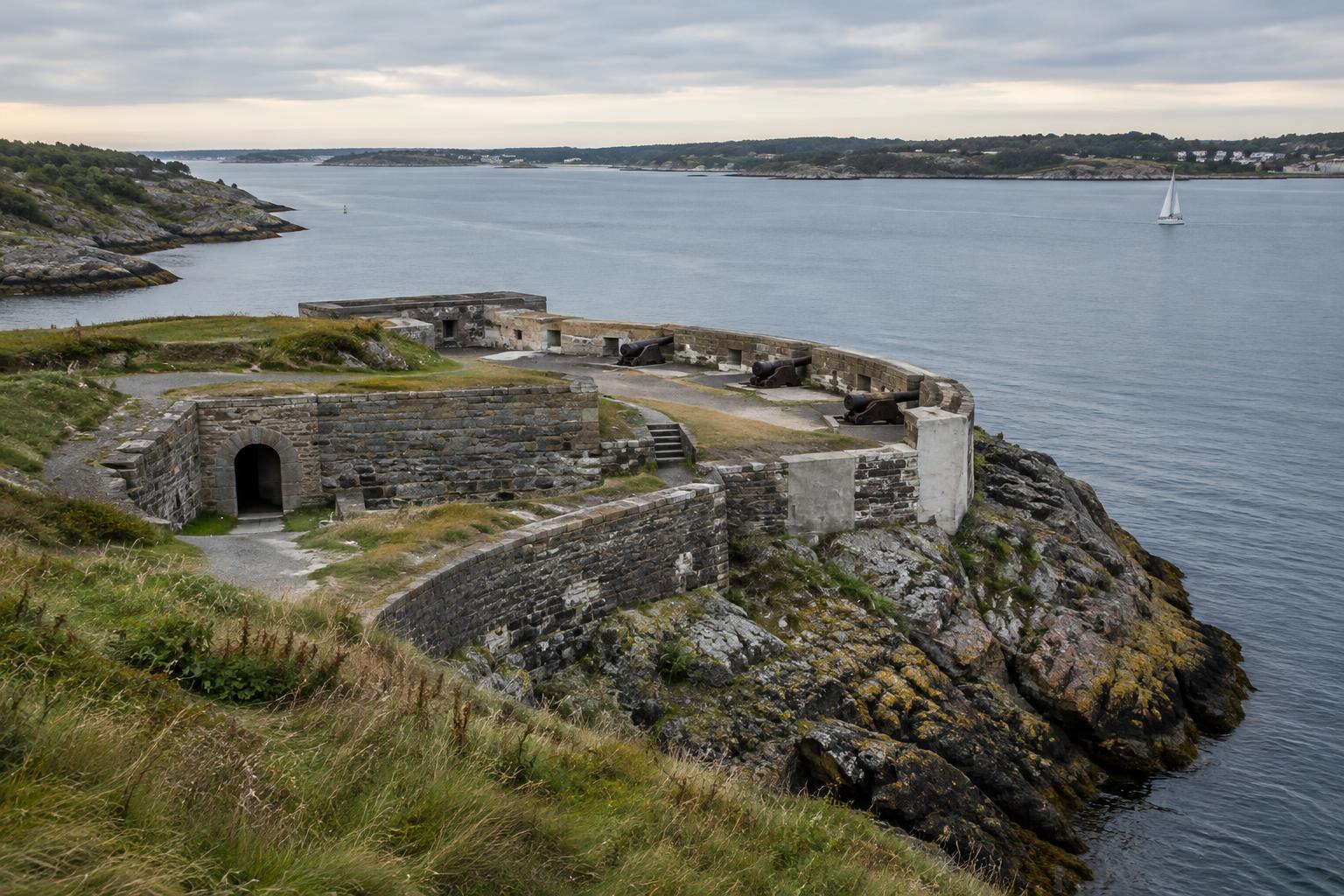
A fort is usually an enclosed defensive site, while a coastal battery is a position built around guns aimed toward the water. The terms can overlap in local descriptions, so use the visible layout as your guide. Trace the outer edge first: walls, banks and ditches suggest how the position was protected. Then find the entrance. A gate on the landward side, a winding approach or a sheltered route for supplies can tell you as much about daily operation as a commanding sea view.
Look for places where guns could have stood, such as broad platforms or openings through a parapet. Their orientation offers clues to the water being covered, though missing guns and later alterations can make this hard to judge. Recesses, small buildings and protected passages may have served storage or other practical needs. Avoid assigning a precise purpose to every feature from appearance alone; a site plan or on-site interpretation may help distinguish original elements from repairs.
Read the layers of change
Coastal defenses were often adapted rather than built once and left untouched. New weapons, different threats and changing harbor traffic could lead to altered gun positions, strengthened walls or additional shelters. One part of a site may be carefully cut stone, another poured concrete. That contrast can be a clue to different building phases, but materials alone cannot reliably date a structure.
Look for blocked openings, raised parapets, patched masonry and platforms that interrupt an earlier layout. These are useful questions to take to a visitor display, guidebook or local archive, rather than proof of a particular event. Later uses matter too. A former military building may have become a store, lookout or public space. Reading those changes alongside the original defenses gives a fuller picture of a working harbor that continued to evolve after the guns fell silent.
Imagine the people and work behind the position
A dramatic view can make a fort seem like a collection of walls facing the sea. Try looking in the other direction. Where would people have brought food, water and equipment? Was there room for a garrison to live on site, or does the position appear to have depended on nearby buildings? Paths between entrances, stores and gun platforms can reveal the practical demands of maintaining a defense, even when their original surfaces have disappeared.
It is also worth asking whom the fort was meant to protect and how its construction affected the surrounding community. Fishing grounds, waterfront access and everyday movement may have existed alongside military needs, sometimes uneasily. A fort’s history may involve conflict, forced labor or colonial control, depending on the place and period. When interpretation is available, give those histories as much attention as the architecture. A harbor is never only a military landscape.
Visit carefully, and leave questions open
Ruined defenses can have steep drops, unstable edges and enclosed spaces that are unsafe to enter. Follow marked routes and local access rules, especially where a site also protects wildlife or sensitive coastal vegetation. Leave loose objects where they are; even an unremarkable fragment may help tell the site’s story when kept in context.
A simple way to finish a visit is to stand at three points: the approach from land, a former gun position and a viewpoint over the harbor. At each, ask what can be seen and what remains hidden. You may leave without knowing the purpose of every wall. That is part of reading a historic site honestly: use its setting and surviving fabric to form questions, then let reliable local interpretation refine the answers.