Know what you need to avoid
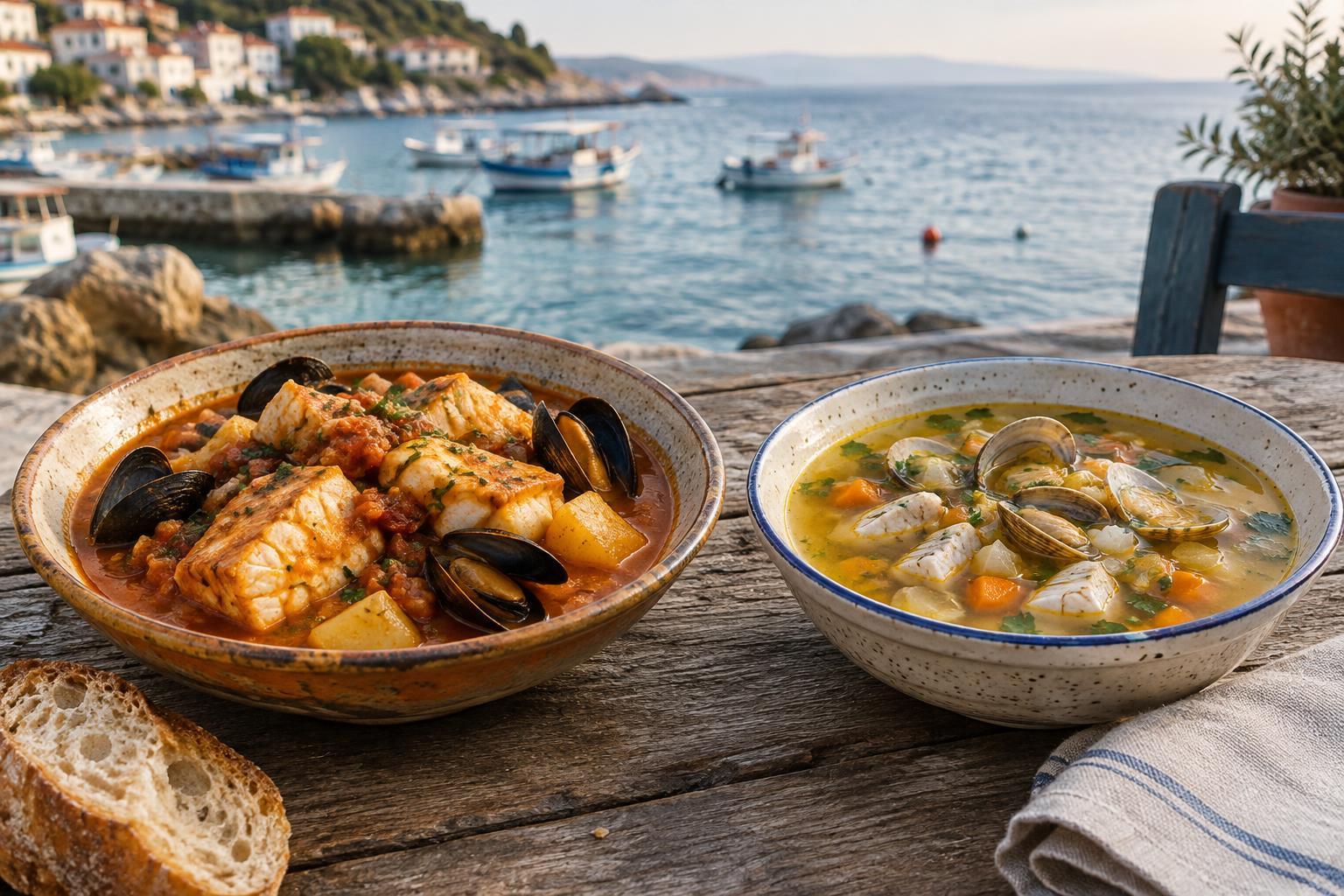
“Seafood allergy” can mean different things to different people. Fish and shellfish are distinct groups, and shellfish includes foods such as shrimp, crab, mussels and clams. Before traveling, be clear about the foods you have been told to avoid. Do not assume that saying “no seafood” will give a cook enough detail, or that a dish without visible fish or shellfish is suitable.
Coastal cooking often makes use of ingredients that are easy to miss on a short menu description. A vegetable dish might contain fish stock; a dressing might include anchovies; a sauce or seasoning might use fish sauce, oyster sauce or shrimp paste. Recipes vary from kitchen to kitchen, so an ingredient list or a familiar dish name is a starting point, not a complete answer.
Ask about the whole dish, not just the main ingredient
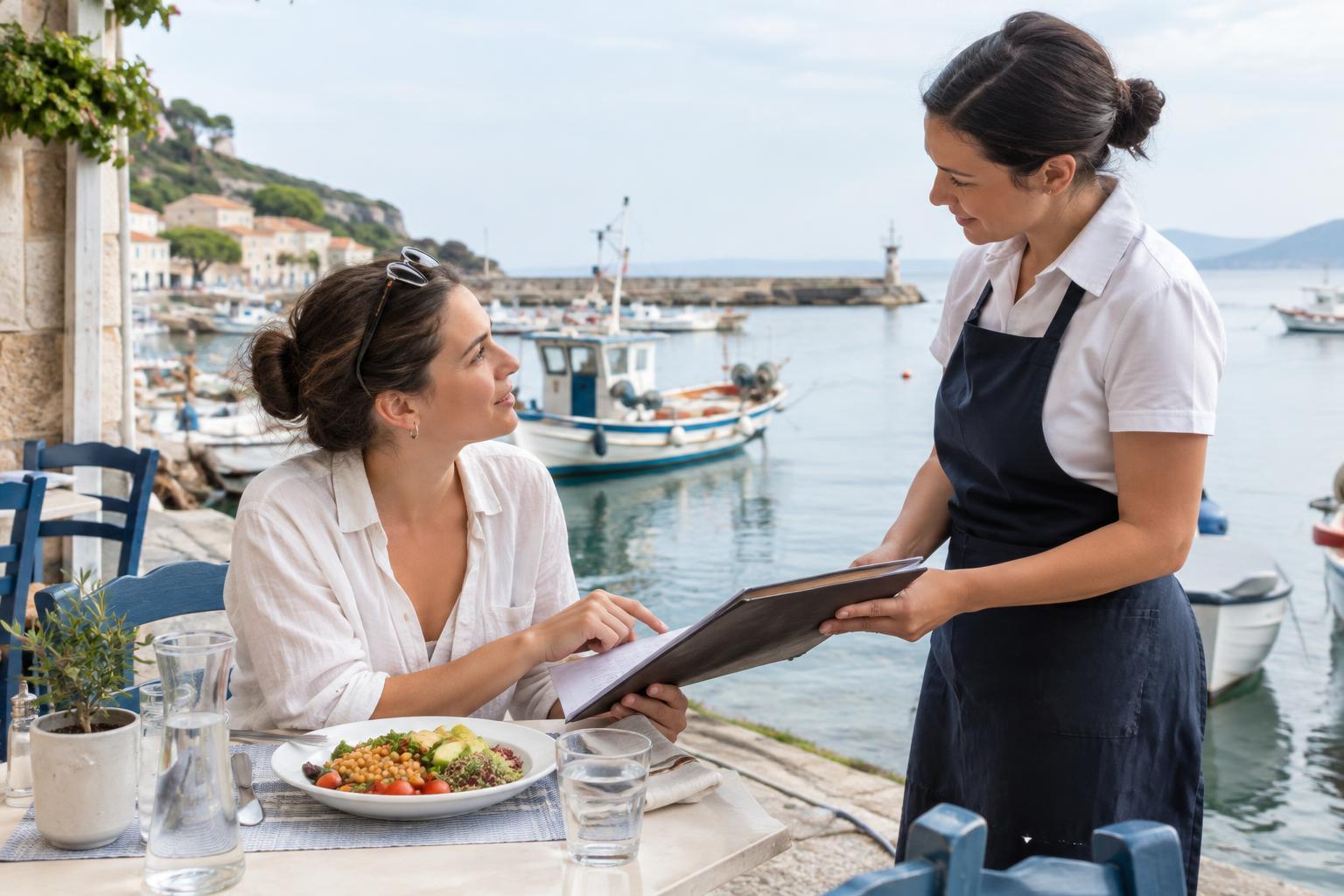
Start with a direct explanation: name the food you cannot eat and say that it is an allergy. Then ask, “Does any part of this dish contain it?” If the answer is unclear, ask separately about the broth, marinade, dressing, garnish and cooking fat. For a fried dish, ask what else is cooked in the same oil. For rice, noodles or vegetables, ask whether seafood stock or paste is used to add flavor.
It can help to ask the person taking your order to check with the cook rather than guess. A server may know the main ingredients but not the contents of a prepared sauce or a batch of stock. At a market stall, where food may be assembled quickly and ingredients may change, give the vendor time to answer. A confident-sounding reply is less useful than a clear explanation of what goes into the dish.
Make cross-contact a separate conversation
A dish can contain none of your allergen as an ingredient and still come into contact with it during preparation. Shared knives, cutting boards, tongs, grills, steamers and fryers are worth asking about, especially in kitchens preparing seafood throughout the day. You might ask, “Is this cooked on the same surface as shrimp?” or “Could clean utensils and a separate pan be used?”
The answer depends on how that kitchen works. A small stall may use one grill and one set of tongs, while a larger restaurant may have more room to separate tasks. Neither setting is automatically safe or unsafe. What matters is whether staff understand your question and can describe a preparation method that meets your needs. If they cannot confirm how the food will be handled, choose something else rather than relying on a promise that a dish is “probably fine.”
Prepare for language gaps and busy service
If you do not speak the local language well, bring a written explanation that names your specific allergen and makes clear that ingredients and cross-contact both matter. Have the wording checked by someone fluent if possible; a literal translation of “seafood” may not cover the foods you mean. Keep the message short enough to show a cook or vendor, and leave space for a conversation about a particular dish.
Timing can also make that conversation easier. At a quieter hour, staff may have more opportunity to check a recipe or explain the cooking setup. On a crowded quay or at a busy fish market, a rushed exchange can leave important questions unanswered. Politeness helps, but you do not need to apologize for asking. You are deciding whether to buy a meal, and a clear answer is essential to that decision.
Have a fallback plan
Before heading out for the day, identify a few foods you can eat without depending on an unfamiliar kitchen to modify a seafood-heavy recipe. Pack suitable snacks for a ferry crossing or a long coastal walk, and keep any medication prescribed for your allergy accessible. Discuss your travel plans and emergency preparations with your clinician before you leave; this article cannot tell you which foods or precautions are safe for your individual allergy.
It is disappointing to pass up a celebrated harbor dish, particularly when food is part of the reason for a journey. But declining an uncertain meal does not mean missing the local culture. You can still explore a market, ask about its ingredients and traditions, or choose a simpler meal whose preparation can be explained. The best order is one you can make with enough information to feel confident in your decision.