Sail: working with wind and distance
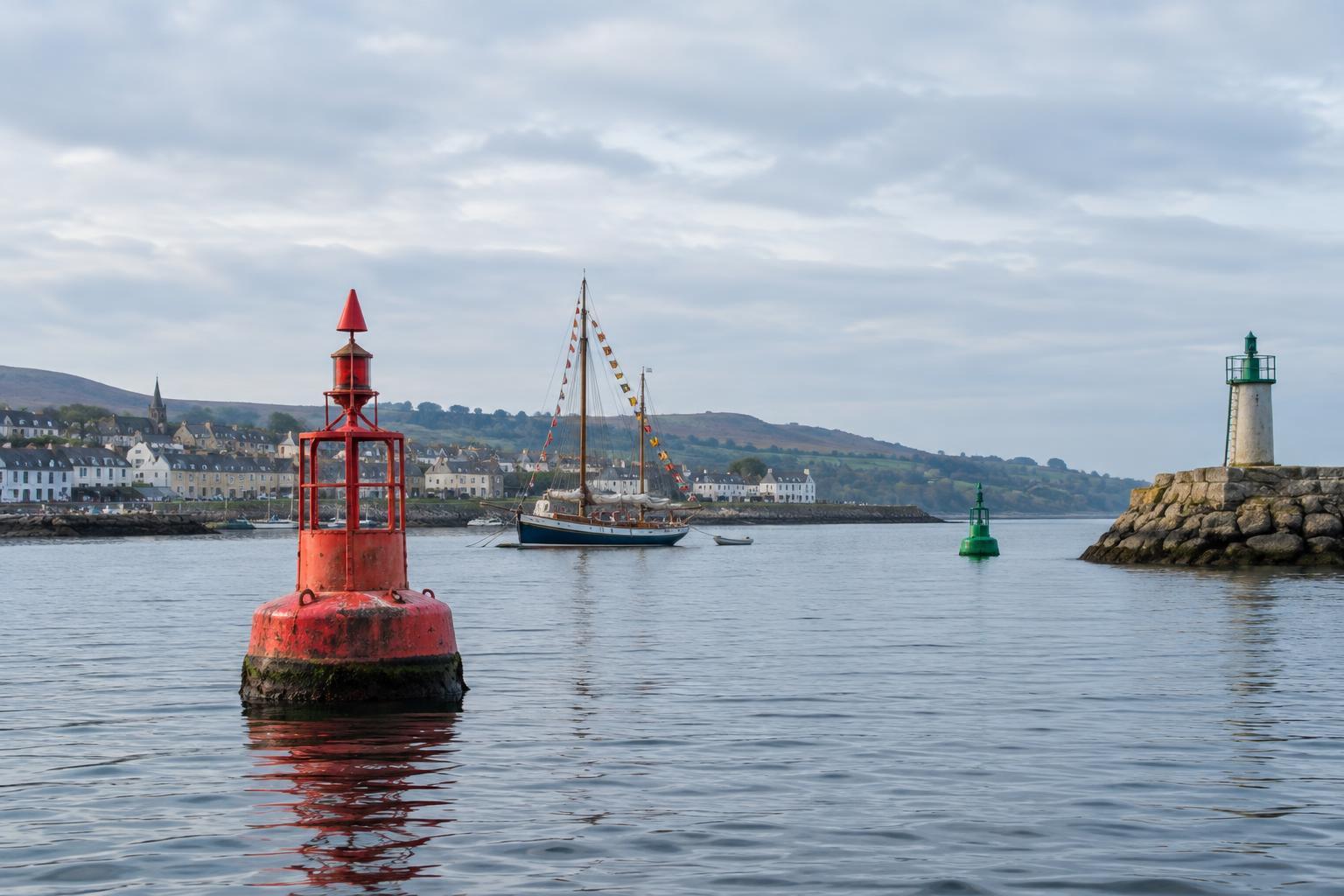
For a vessel under sail, the wind is both an opportunity and a constraint. A captain can adjust sails and course, but cannot order a favorable breeze. This made a voyage less predictable than a modern ferry crossing: a calm could slow progress, while a change in weather might send a ship along a different path. Routes reflected prevailing winds, seasonal conditions and the need for safe places to shelter.
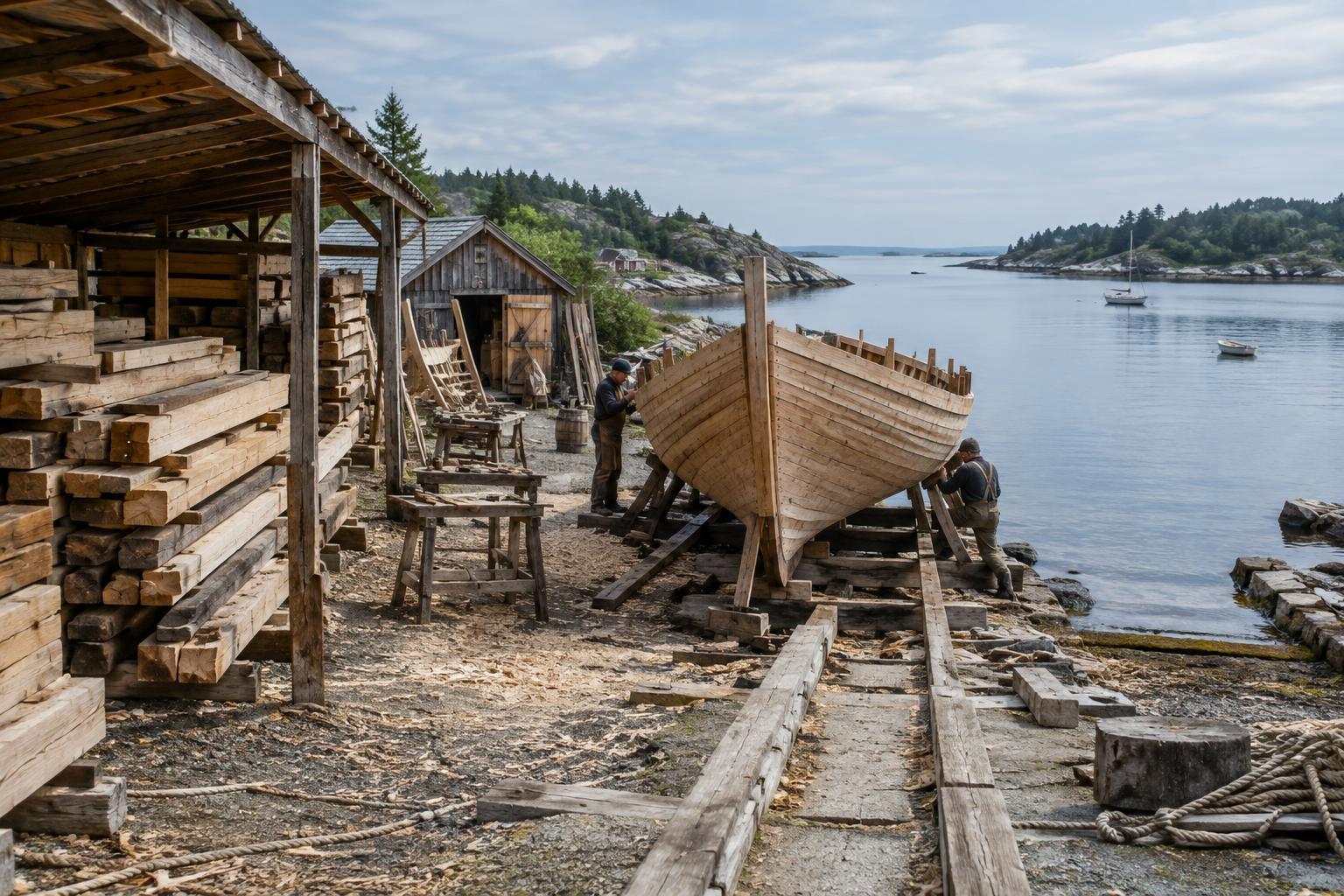
Sail connected islands and mainland ports through trade, migration and everyday travel, though the experience varied greatly by vessel and purpose. Space aboard could be limited, and arrival times uncertain. In coastal communities, practical knowledge of tides, currents, anchorages and local weather was as important as the ship itself. Sail did not disappear when other forms of power arrived; working boats, training vessels and small craft kept its skills visible.
Steam: a new relationship with the timetable
Steam engines gave ships a source of propulsion that did not depend directly on the wind. Weather and sea conditions still mattered, but operators could plan departures and arrivals with greater consistency. That mattered to passengers arranging onward travel and to ports handling goods and mail. On suitable routes, a more regular crossing could make an island feel less isolated, even when the water between shores remained difficult.
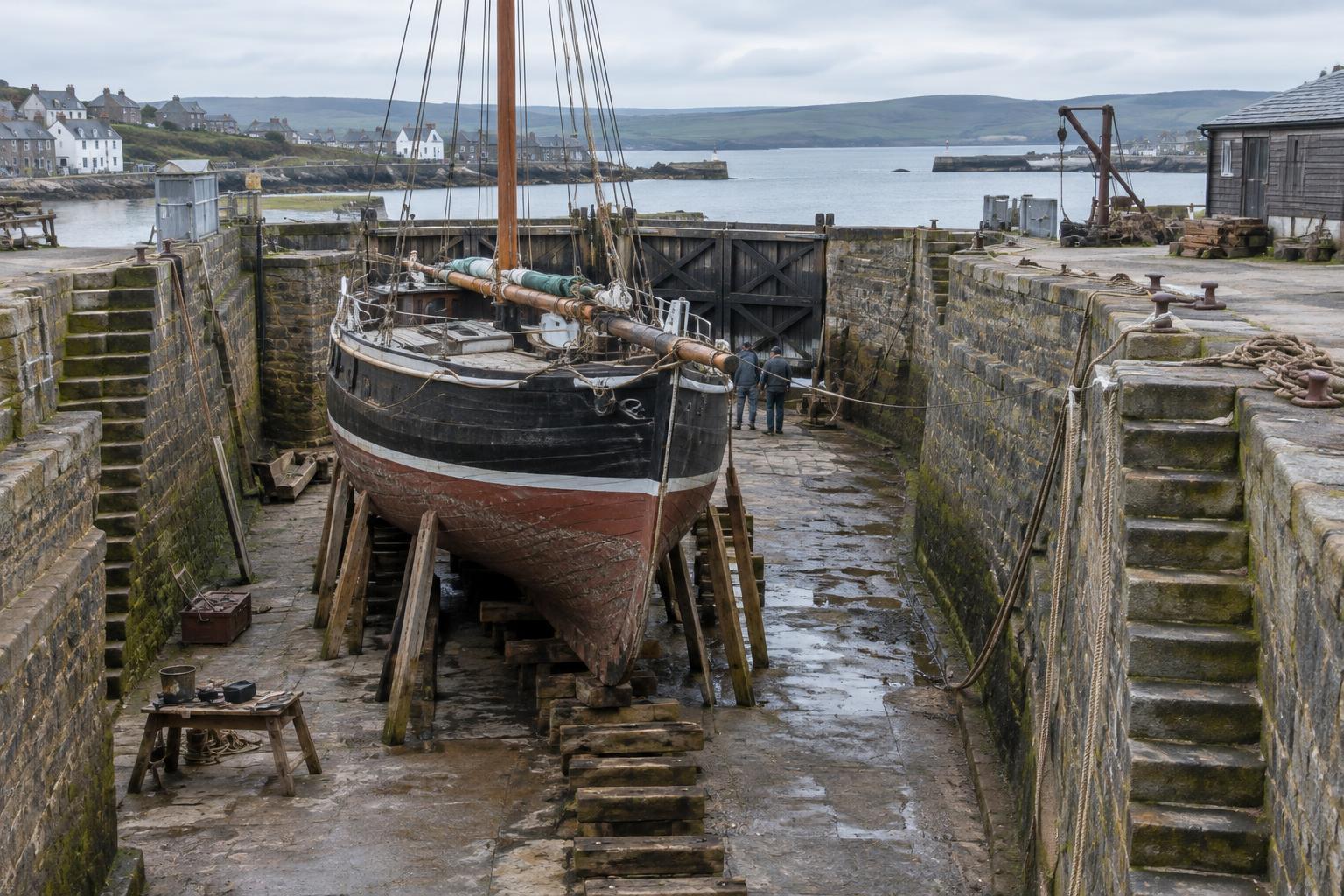
Steam also brought new demands. Ships needed fuel, machinery, crew members with engineering skills and places where coal or other supplies could be taken aboard. Engine rooms occupied space and required constant attention. A steamship was therefore part of a larger network of docks, storage, repair facilities and schedules. Its influence can be seen not only in surviving vessels but in the shape of older waterfronts built to serve them.
Motor power: flexibility, but not freedom from limits
Motor vessels gradually became familiar sights on coastal and island routes. Compared with a coal-fired steamship, a motor vessel could avoid some of the work involved in storing and handling coal, while still offering powered travel independent of the wind. Different engines and vessel designs suited different jobs, from carrying a handful of passengers across a channel to moving vehicles and freight between larger ports.
Motor power did not make every journey fast or reliable. A ferry still has to contend with rough water, limited harbor space, maintenance and the practical time needed to load safely. What changed was the range of services operators could design around a powered vessel. For travelers, that often meant planning a crossing as one stage of a wider journey rather than treating departure as something governed chiefly by the next fair wind.
Changes passengers could see
Each shift in power changed the rhythms aboard. Under sail, watching the sky and waiting for the vessel to make headway were part of the journey. Steam brought the sounds, heat and labor of an engine-driven ship, alongside the possibility of a published timetable. Motor ferries introduced another recognizable routine: queues at a terminal, vehicles guided into place and a crossing fitted between road or rail journeys.
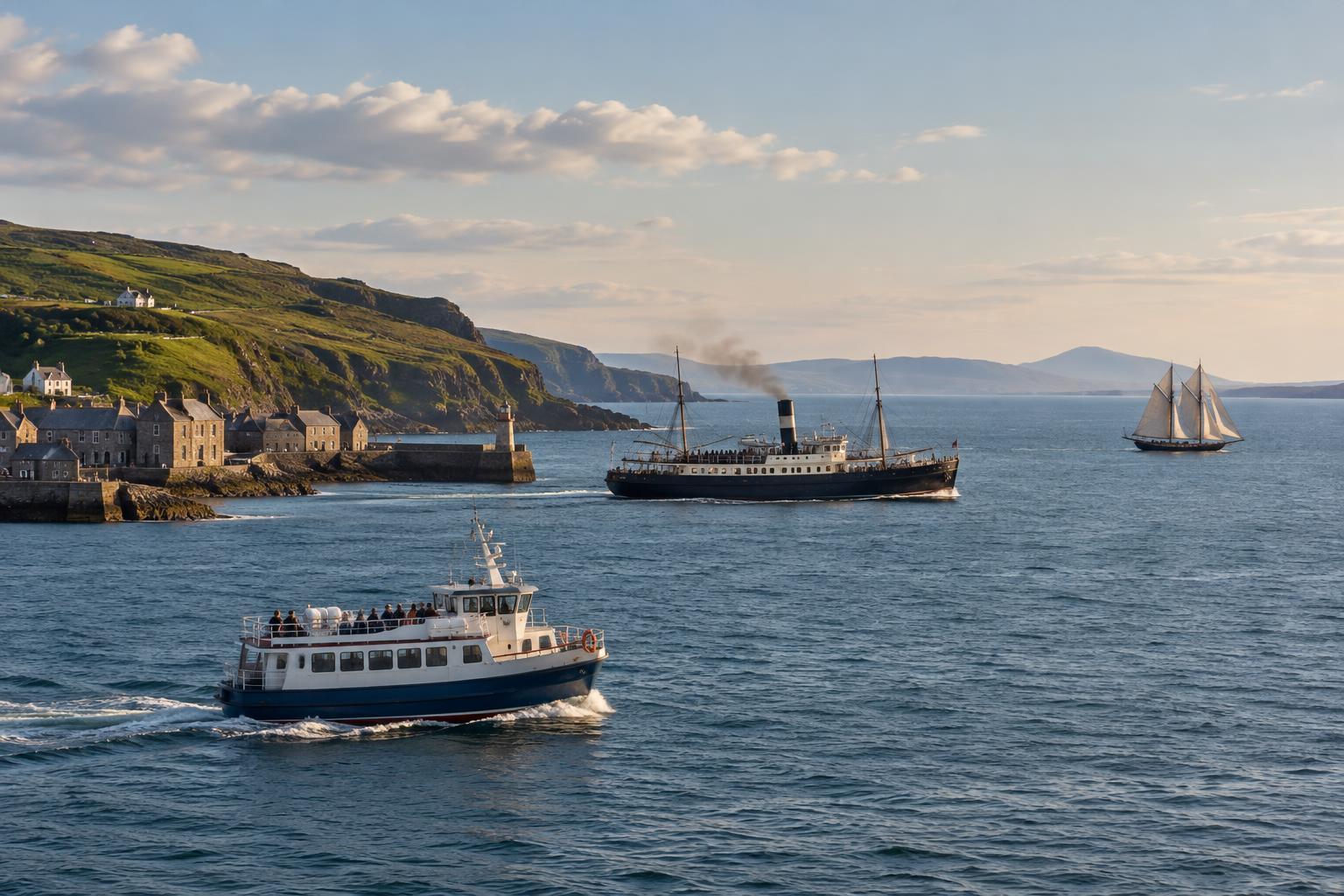
Those are broad patterns, not a neat sequence in which every new vessel replaced an older one. Sail, steam and motor craft have shared the same waters, and local conditions have always shaped which were useful. A short sheltered passage, a long exposed route and a working fishing harbor ask different things of a boat. The history of sea travel is partly the history of people adapting available power to particular stretches of water.
Reading maritime heritage on a trip
A harbor offers clues to these changes if you slow down and look beyond the vessel at the quay. Consider where ships could berth, how passengers might have boarded, and what space was needed for cargo or fuel. A maritime museum, preserved boat or working waterfront can help connect an engine or sail plan to the people who operated it. Even an ordinary ferry terminal tells a story about how a community depends on crossings.
On your next sea journey, notice what determines the route and schedule now. Ask what an earlier sailing vessel would have needed from the wind, or where a steamship might have taken on supplies. These questions turn a crossing into a way of reading the coast: not as an empty gap between destinations, but as a place where technology, weather and daily life have long met.