Start with the landscape, but do not stop there
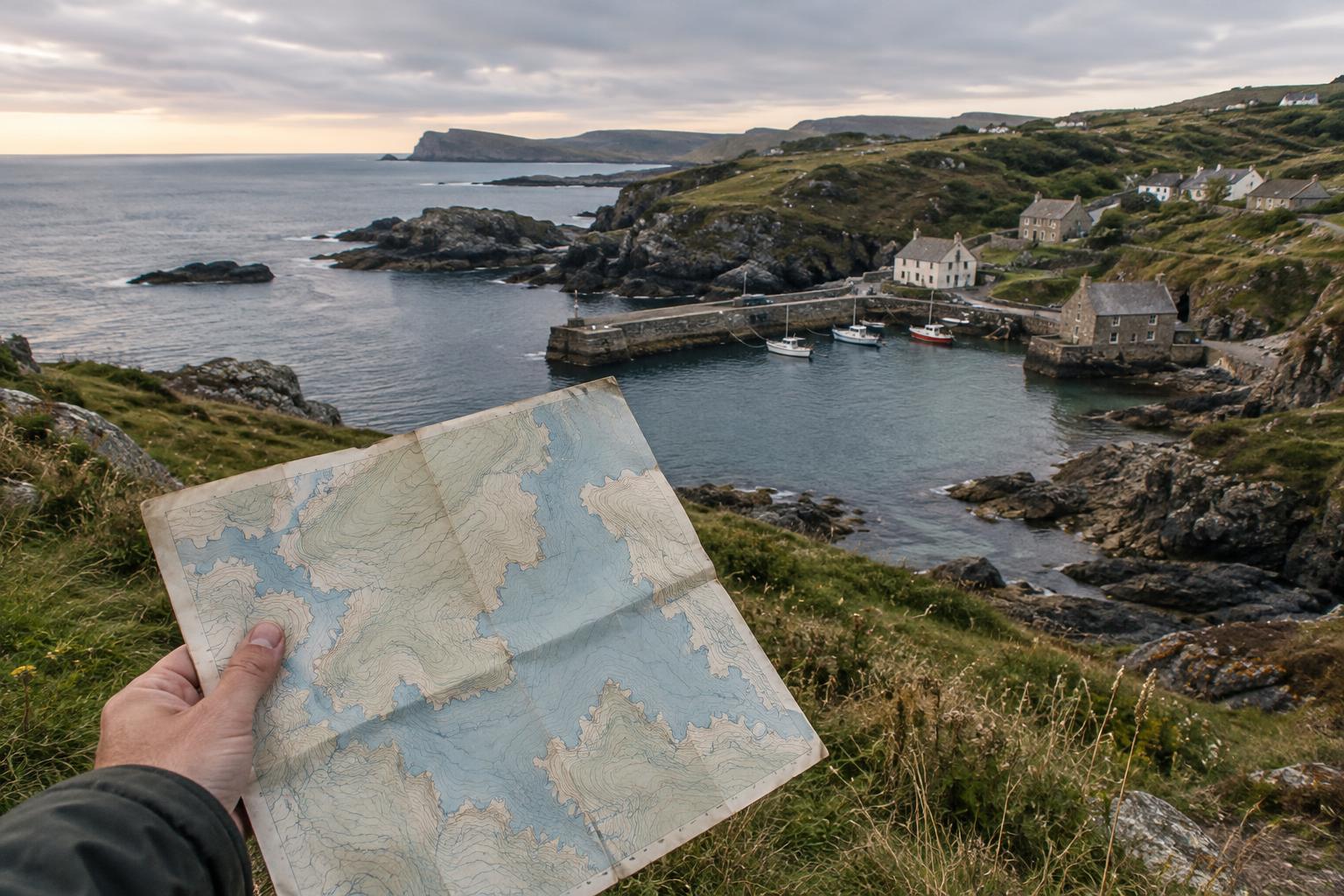
Along a coast, names often seem to describe what a traveler can see: a point of land, a narrow inlet, a sandy beach or a place where boats can come ashore. Those clues can help you orient yourself, especially when roads, paths and ferry routes meet the water in unexpected ways. A name on a map may encourage you to look more closely at the shape of a bay or the shelter offered by a headland.
But a familiar-looking word is not proof of a name’s origin. Languages change, spellings shift and a name that appears to describe the present landscape may refer to an earlier use or an older word. Treat your first interpretation as a question rather than an answer. This keeps the coast interesting without turning every signpost into a story you cannot verify.
Notice the layers on the map
Coastal names can carry traces of different languages and periods of settlement. A harbor may have one name on a road sign, another on an older chart and a locally used short form in everyday speech. On islands and in border regions, more than one name may be in active use. None of these layers should automatically be treated as a quaint alternative to the “real” name.
Before a trip, compare the names used by your ferry operator, accommodation, walking map and local visitor information. This is useful planning, not just cultural background: a ticket office, bus stop and trailhead may be labeled differently. Save the exact spelling of the place you need to reach, along with nearby landmarks. If you find two versions, note both rather than assuming they are interchangeable in every context.
Listen for how people say a place
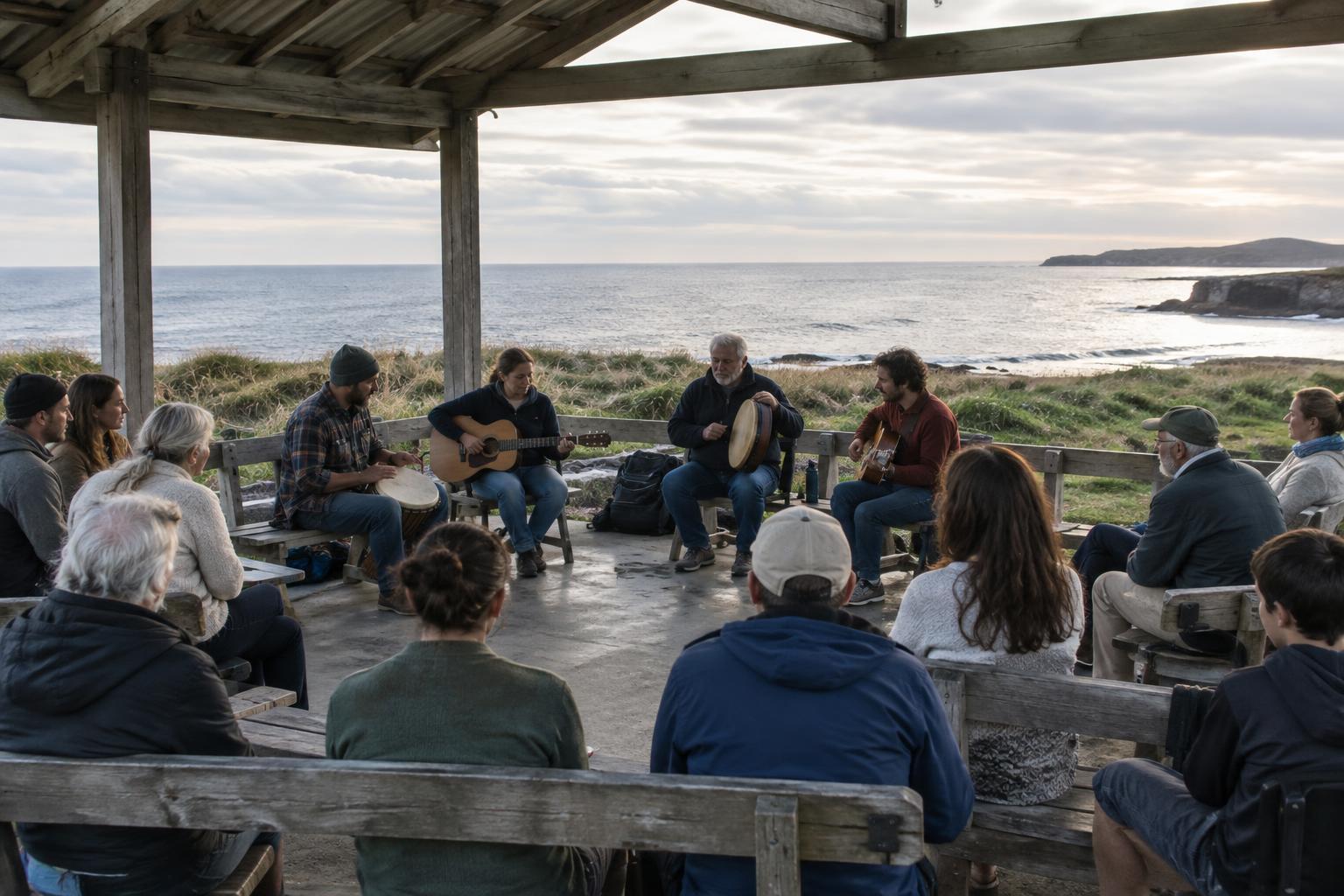
A printed name gives you only part of the picture. Local pronunciation may preserve sounds that a visitor would not guess from the spelling, while the name used in conversation may be shorter than the one on a map. Listening before repeating a name is a small courtesy. If you need to ask, a simple “How do you say this place name?” invites help without asking someone to deliver a history lesson.
Use the name a person uses for their own community when speaking with them, and avoid correcting someone from a map or guidebook. At the same time, do not expect one resident to speak for everyone. Neighbors, generations and language communities may favor different forms. When you write a caption or travel note, a careful phrase such as “also shown on some maps as…” can be more accurate than declaring a single definitive version.
Ask what a name helps people remember
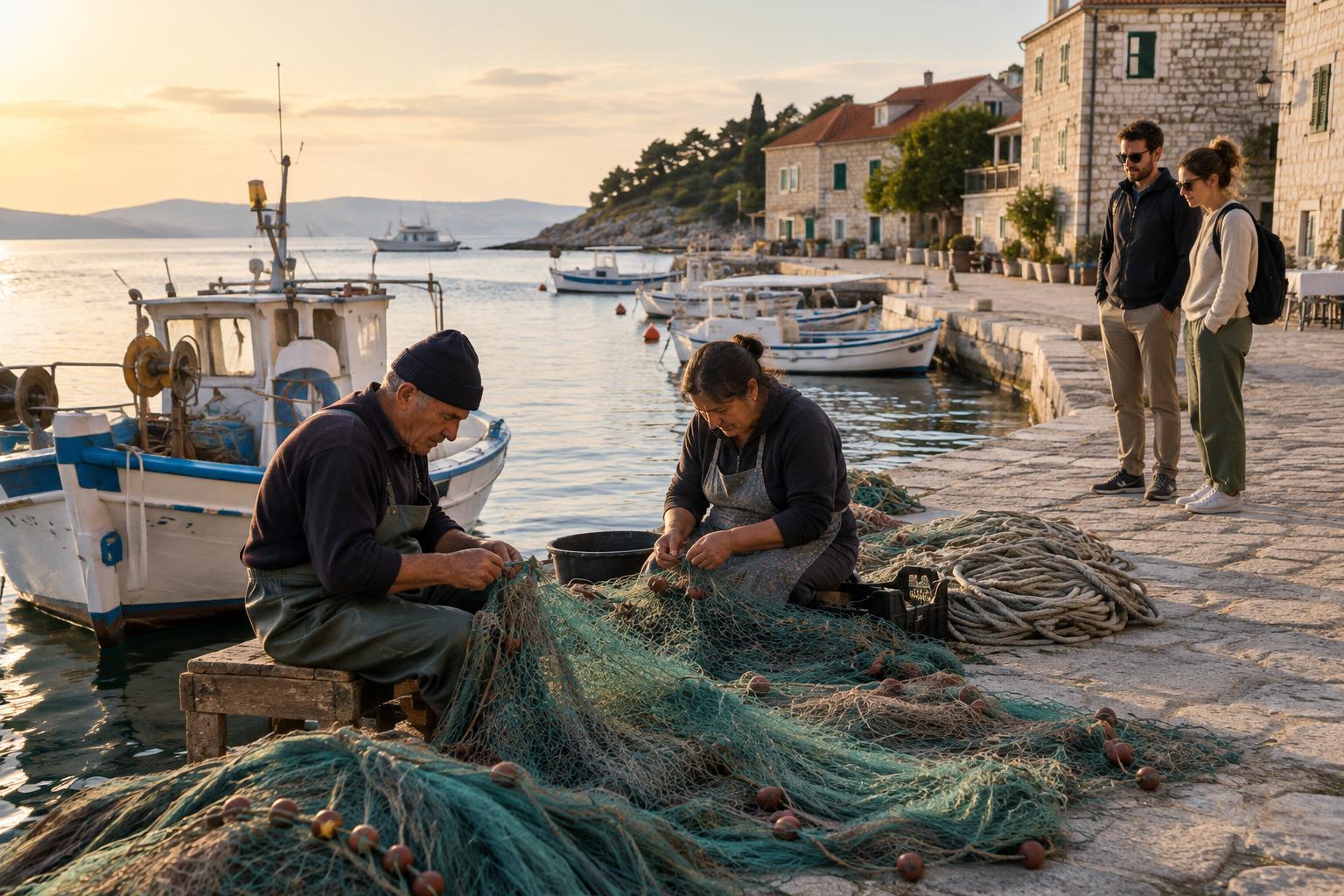
Some names point toward working life: a landing place, a fishing ground, a crossing or a route to inland fields. Others may be connected with stories, families or events that are not visible to a visitor. The most useful question is often not “What does it translate to?” but “How is this name used here?” That leaves room for the possibility that a name has a practical meaning, a personal association or several explanations.
Be especially careful with names linked to Indigenous communities, migration or colonial histories. A newer official name may sit alongside an older one that remains important; an older map may preserve a spelling that people no longer use. If you share a story, distinguish what someone told you from what you inferred yourself, and respect a person’s choice not to explain a name. Curiosity works best when it does not demand access.
Carry the habit into a slower journey
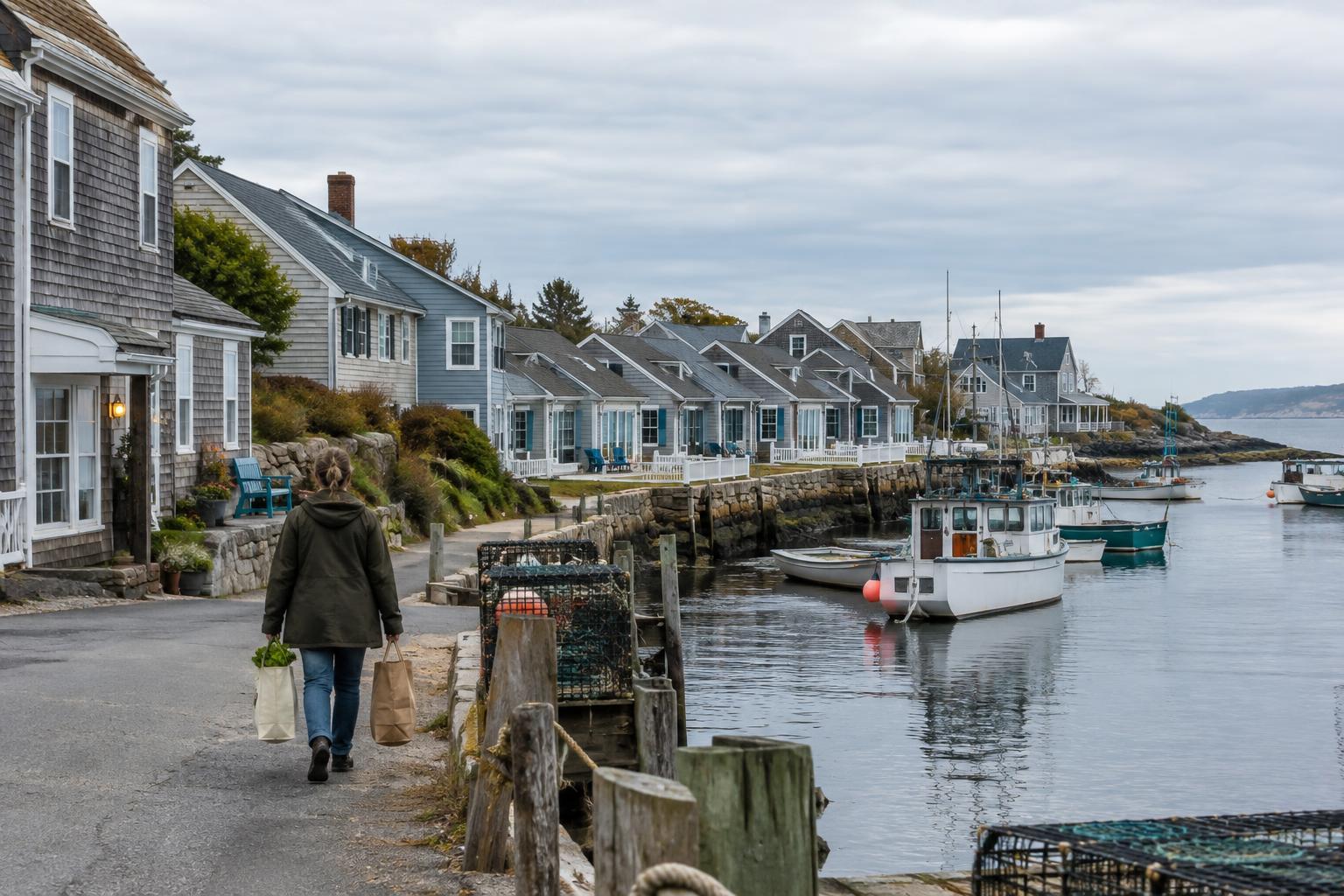
Place names can become a gentle way to plan a day. Choose a short stretch of coast and read the names of its coves, paths, villages and ferry stops before setting out. As you walk, compare the map with the shore: where is the sheltered water, the steep approach or the likely old landing? Pause at public signs or local exhibits when they offer context, and leave room for the landscape to complicate your guesses.
Keep a small note of spellings, pronunciations you have been taught and questions worth checking later. It can help you find your way back, label photographs thoughtfully and remember that a coastline is more than scenery. You do not need to solve every name. Paying attention to how places are named—and to who uses those names—is already a richer way to travel.