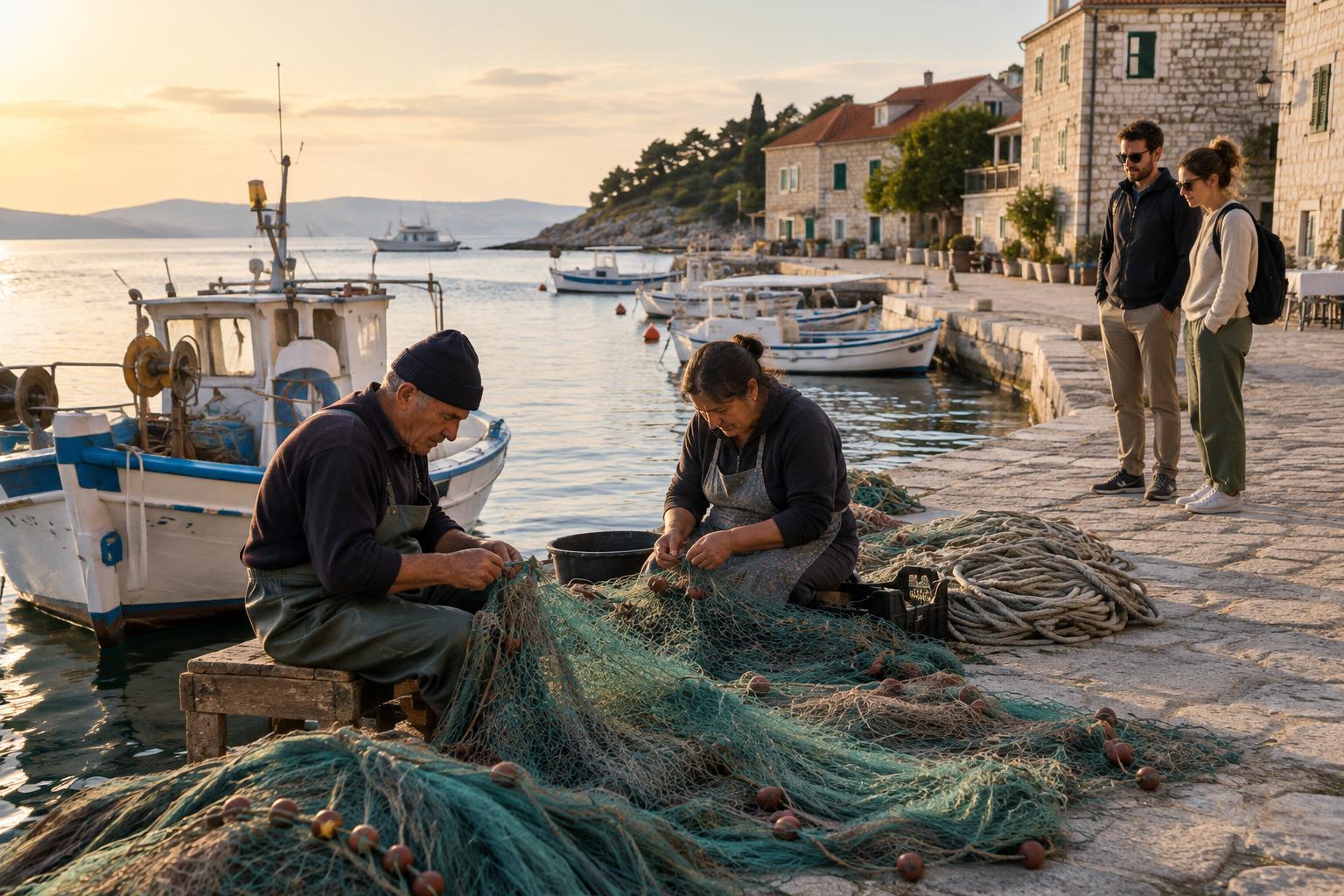
A coast that changes with the season
A seaside street can have two distinct rhythms. In summer, windows are open, cafés are busy and people head toward the beach. Outside the holiday season, some of those same houses may stand dark for weeks. In places with many second homes or short-term rentals, that contrast can shape more than the atmosphere: it can affect how neighbours meet, how businesses plan and who is able to stay.
Neither type of property has a single, predictable effect. A family-owned cottage used throughout the year is different from a home that is rarely occupied. A room let by a resident is different from a whole dwelling reserved for visitors. The local picture depends on the housing supply, the length of the visitor season and the way properties are owned and managed. Those differences matter when discussing change without treating every visitor—or every homeowner—as the cause of it.
Housing is the foundation of community life
When homes can earn more as visitor accommodation or attract buyers with larger budgets than local wages support, residents may face a narrower choice of places to rent or buy. This pressure can be particularly difficult for people whose work must happen in person: the cooks, care workers, ferry staff and shop employees who keep a coastal town running. Even where holiday properties are only one part of a wider housing shortage, they can make an already limited supply feel tighter.
Housing also affects the relationships that give a place continuity. Children need classmates, clubs need volunteers and neighbours need neighbours who are present beyond a peak weekend. When people must move farther away to find a home, they may spend more time travelling to work and less time taking part in local activities. For someone planning a trip, the question is not simply whether an accommodation looks charming. It is worth asking whether the choice fits the place around it.
The benefits and limits of visitor spending
Guests in second homes and rentals buy meals, visit markets, book boat trips and help some businesses remain viable. Property maintenance can bring work to local tradespeople. In a town with few other sources of income, those opportunities may be important, and hosts may help visitors discover independent businesses they would otherwise miss.
Yet a busy season does not necessarily provide steady work. Shops may have to earn much of their income in a short period, while workers need housing and services all year. A business aimed mainly at brief visits may replace one that residents rely on regularly; in other places, visitor demand may help a bakery or ferry route serve both groups. Rather than assuming tourism is wholly helpful or harmful, look at who receives its benefits, who bears its costs and what happens when the crowds leave.
What can be lost when everyday spaces become visitor spaces
Coastal culture is not confined to festivals, seafood menus or picturesque harbours. It lives in ordinary routines: a familiar conversation at the shop, a community hall in regular use, working boats sharing the waterfront with leisure craft. As properties and businesses increasingly serve temporary stays, some of those routines can become harder to sustain. Noise, parking pressure and frequent changes of neighbours can add friction, even when individual guests mean well.
Access to the shore can become another point of tension. A path that looks like a scenic shortcut may pass close to homes or working areas; a harbour may be a workplace as well as a place to take photographs. Visitors can show care by following posted access guidance, keeping clear of equipment and remembering that the landscape is someone else’s daily environment. Respect is less about performing an ideal version of local culture than allowing room for it to continue.
Making a more thoughtful stay
Travellers cannot solve a town’s housing challenges with a single booking. They can, however, make choices with more attention. Consider a locally run hotel, guesthouse or hosted room alongside a whole-home rental, especially if the latter appears to remove a long-term dwelling from use. Read the listing carefully, ask a host how the accommodation is managed and follow any local rules on visitor stays. There is no universal label that guarantees a positive impact.
The timing and shape of a visit matter too. Travelling outside the busiest weeks, when services are open, may spread spending more evenly. Buying from year-round businesses, using public facilities responsibly and keeping noise down in residential streets are small but meaningful habits. Most of all, approach a coastal town as a place people live, not a backdrop assembled for a holiday. Its appeal depends in part on the community that remains after visitors go home.