Start with questions, not just objects
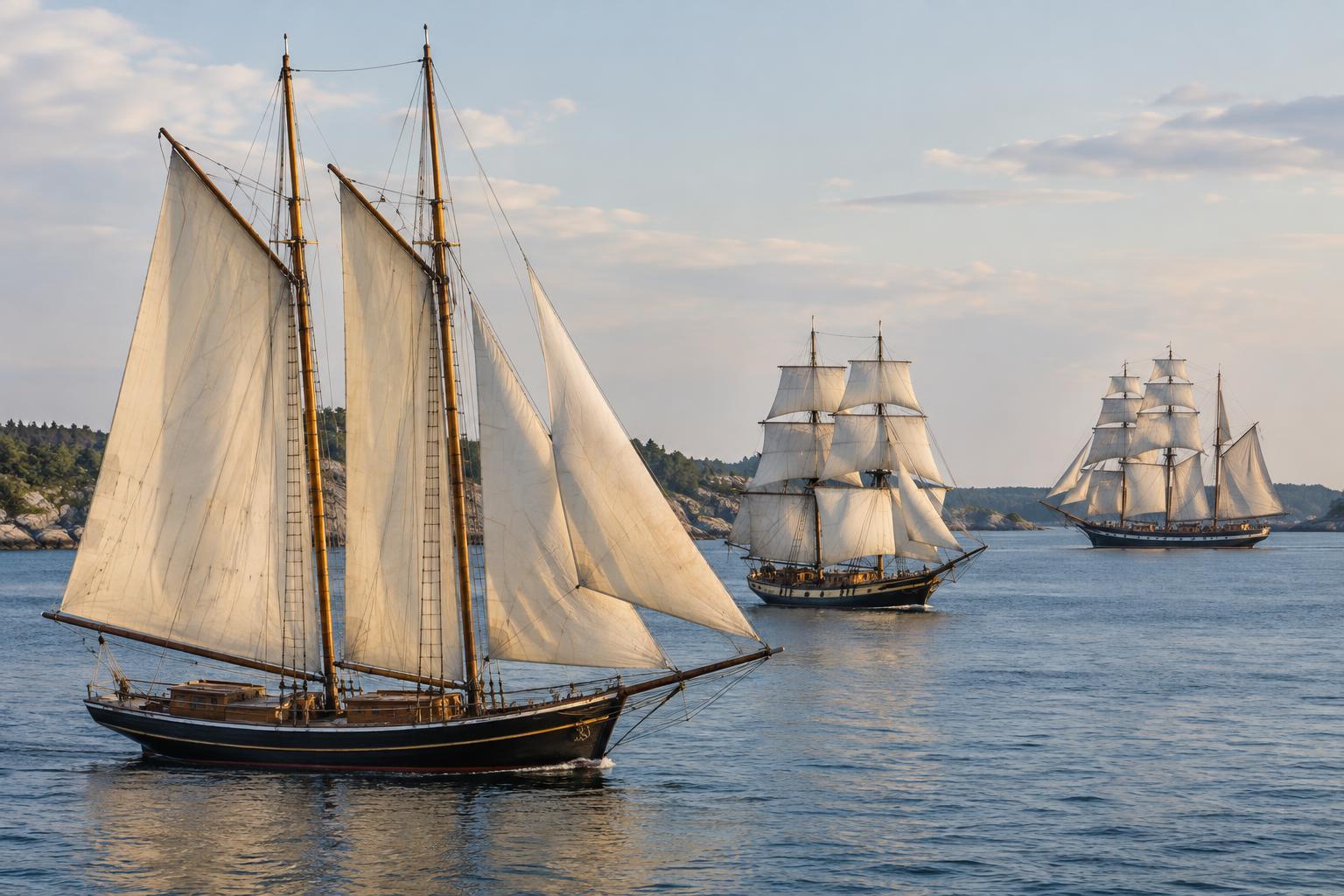
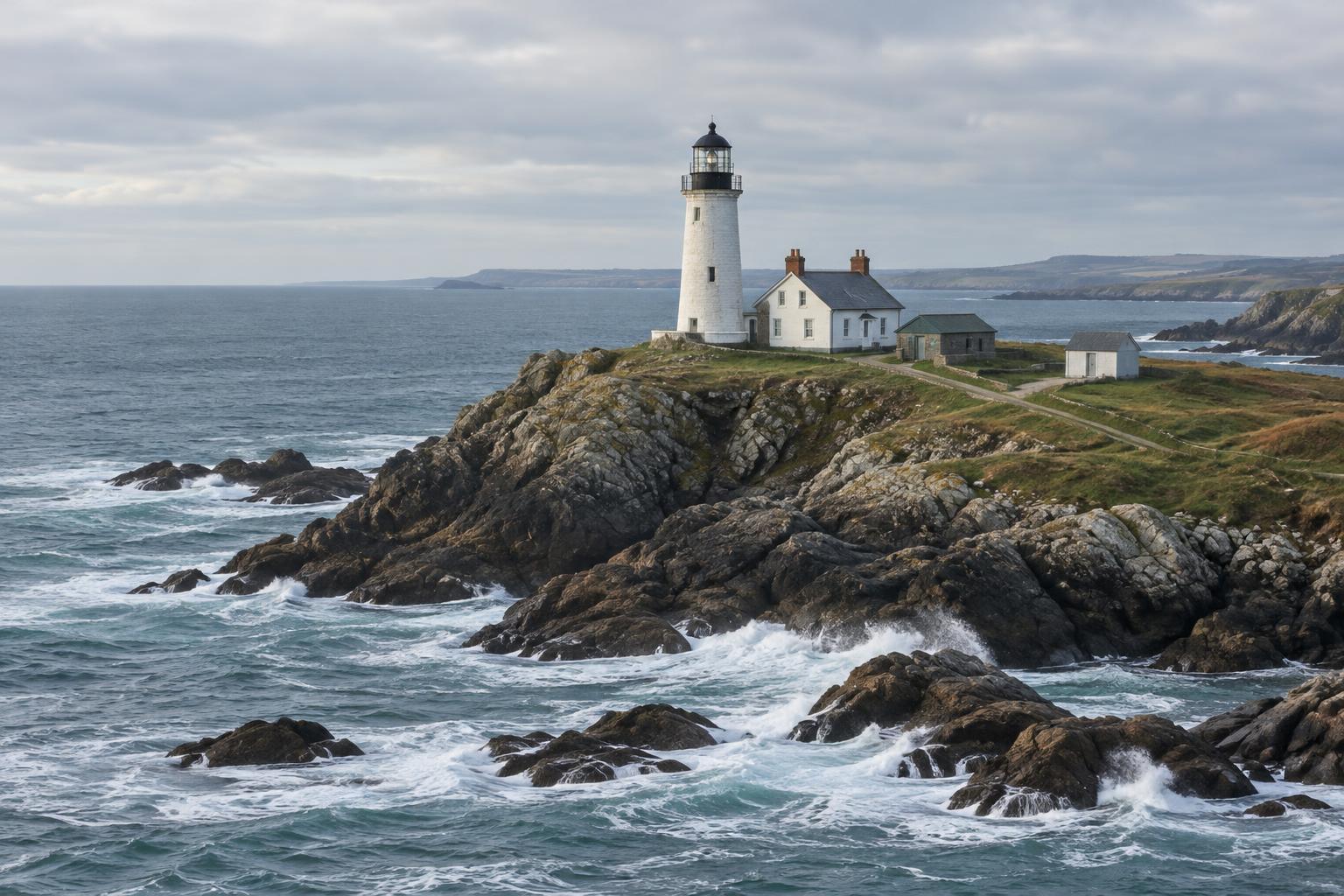
A historic ship or harbor crane can be impressive on its own, but maritime heritage becomes more interesting when you ask what it helped people do. Who used it? What did they carry? Where did a journey begin and end? What happened between voyages? These questions turn a waterfront walk into an exploration of the relationships between a coast and the wider world.
The sea connected places, but it did not affect everyone in the same way. A port might have offered work to sailors, dockworkers, builders and market sellers while also depending on unequal labor or exposing communities to danger and loss. Look for accounts of everyday work as well as celebrated crossings. A useful beginner’s approach is to treat every display, building and document as a clue rather than a complete story.
Read a ship as a record of its work
The shape and fittings of a vessel often suggest its purpose. Cargo space, passenger accommodation, fishing gear or a shallow hull can prompt different questions about the routes it took and the waters it entered. Materials and repairs may point to what was available locally and how crews kept a vessel working. You do not need to identify every part to notice the practical choices built into a ship.
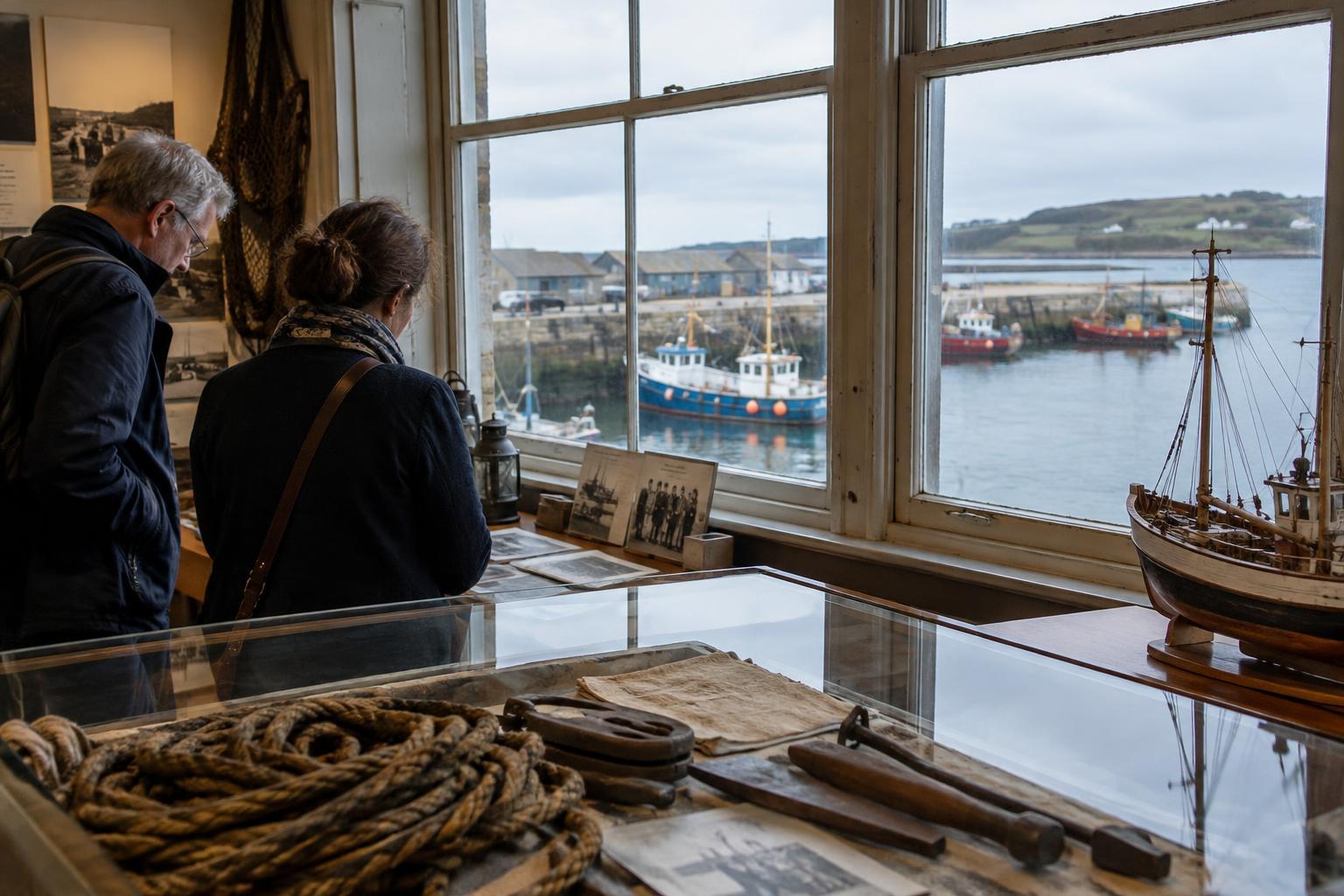
At a museum or preserved vessel, begin with the simplest observations: Where would people sleep, cook or store supplies? How much room was left for work? Which tasks would require several people? Then check the label or guide for context. A vessel displayed today may have changed during its working life or been restored later, so try to distinguish original features from reconstructions. If a ship has been lost, models, images and written descriptions can still offer clues, though none tells the whole story alone.
Walk a port beyond the postcard view
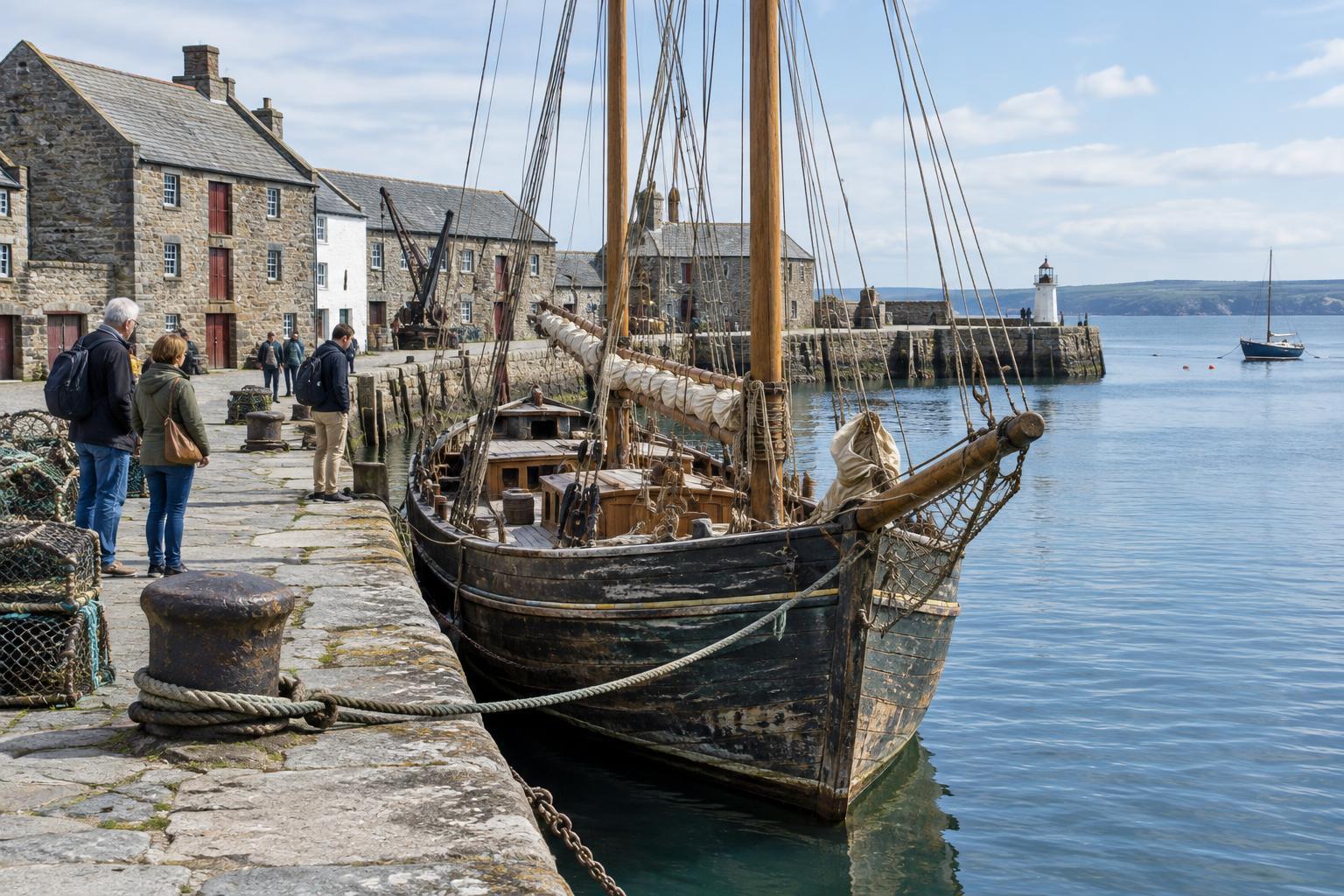
Ports are working landscapes, even where former docks have become promenades. Follow the relationship between water, streets and buildings. Warehouses suggest storage; slipways and yards point to building or repair; markets hint at the movement of goods into the surrounding community. A sheltered inlet, tidal conditions or access to inland routes may help explain why a harbor developed in a particular place.
Change is part of that history. Waterfronts can be rebuilt, filled in or adapted for new uses, so a neat row of cafés may sit where noisy work once took place. Old maps and on-site signs can help you compare past and present without assuming that every surviving structure served the same purpose throughout its life. Notice what is still in use, too. Fishing boats, ferries and maintenance crews can remind visitors that a port is not merely a backdrop for heritage tourism. Observe from public areas and give working spaces the room they need.
Use records to find the people behind the routes
Ships and ports show physical traces; records can add names, decisions and complications. Crew lists, passenger documents, cargo accounts, charts, photographs and personal letters each answer different questions. A cargo account might show what passed through a harbor, while a letter might describe the experience of a journey. Neither should be treated as a full account of everyone involved.
Records also have limits. Names can be misspelled, places renamed and people omitted. Official paperwork may describe a voyage very differently from the way a worker or traveler remembered it. When a museum or archive provides access, note who created a document and why before drawing conclusions from it. Pairing a record with a map, an object or another person’s account can help you see where stories agree and where questions remain.
Make a thoughtful visit of it
Choose one manageable thread for a first visit: a vessel type, a harbor trade, a ferry route or a family’s passage. Spend time with a few objects rather than trying to absorb an entire collection at once. If you are walking a waterfront, check whether historic sites are open to visitors and be prepared for working quays, restricted access and changing weather.
Leave space for difficult histories as well as ingenuity and adventure. Maritime routes have carried opportunity, but also displacement, forced labor and environmental change. A good heritage site can help you ask whose perspective is represented and whose is missing. Carry those questions into the next harbor or museum. The reward is not a single tidy story of the sea, but a richer sense of how coastal places were made through work, movement and human choices.