Start with the view from the water
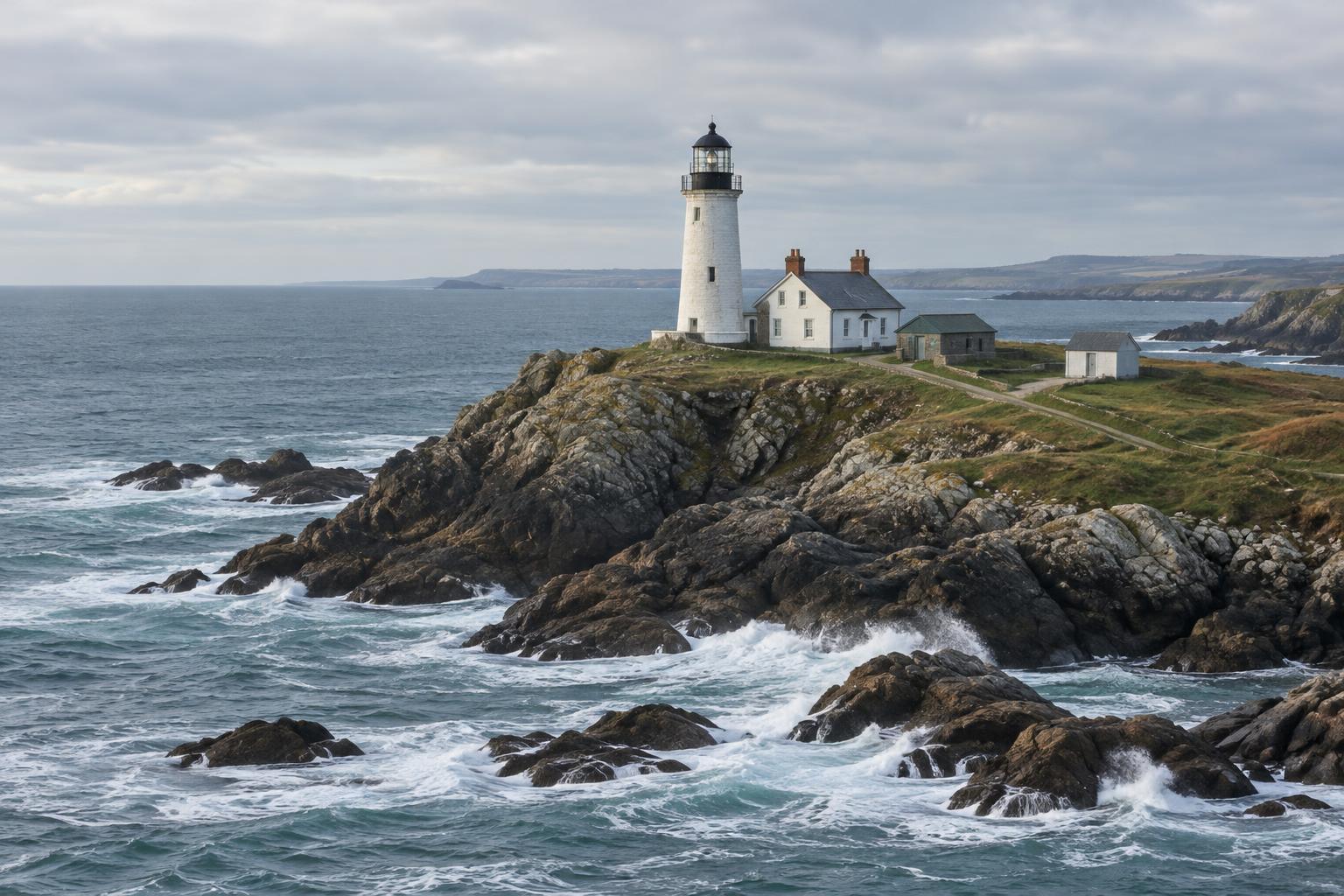
A lighthouse often makes most sense when you imagine approaching it by sea. From a path on shore, it may appear to occupy a dramatic headland for the sake of the view. From a vessel’s perspective, that headland might be the edge of a dangerous approach, a turning point or a recognizable feature on a long stretch of coast. A light near a harbor entrance may serve a different purpose from one on an exposed offshore rock: one helps identify a confined approach, while the other may warn of a hazard well before landfall.
Height and distance from the shore are clues, not rules. A high site can make a light visible above surrounding terrain, while a lower tower may be enough on a cliff. Fog, background lights and the shape of the coastline also affect what a mariner can distinguish. When looking at a lighthouse, ask what can be seen from the sea, what might block the view and which nearby features could cause confusion. Never use those observations to navigate; mariners rely on current charts and official aids-to-navigation information.
Read the tower as a practical structure
A lighthouse’s form reflects the demands of its site as well as the building methods available when it was constructed or altered. A tower on a wave-washed rock needs to withstand conditions unlike those faced by a light set back from a sheltered harbor. Broad bases, compact forms and sturdy materials can suggest an effort to resist wind and water. On land, a taller or more slender tower may provide the necessary elevation without having to withstand waves breaking directly against it.
Color and pattern can help a tower stand out in daylight, when the light itself may be hard to see. A painted band, an unusual silhouette or a contrasting roof can make the structure easier to identify against its background. But appearances are not a universal code: colors vary by place and may change during a lighthouse’s life. A fresh coat of paint can preserve a familiar look while concealing layers of repair beneath it.
Notice how the light does its job
The lantern room is often the most recognizable feature, yet it represents only part of the system. Many lighthouses were designed to show a light in a particular direction or with a distinctive pattern, helping mariners distinguish one aid from another. Lenses, shutters, lamps and later electric equipment all shaped how a signal appeared. Some historic optical equipment remains in place; elsewhere, a smaller modern light performs the navigational role while the older apparatus is preserved for visitors or moved to a collection.
That distinction matters when reading a site. A building may be protected as heritage even if its original light no longer operates, and an active light may be maintained within a much older structure. The tower’s age alone cannot tell you what equipment is in use. If a site has interpretation panels, compare what they say about earlier technology with what is visible today. Changes are part of the working history, not a failure to keep the lighthouse unchanged.
Look beyond the tower
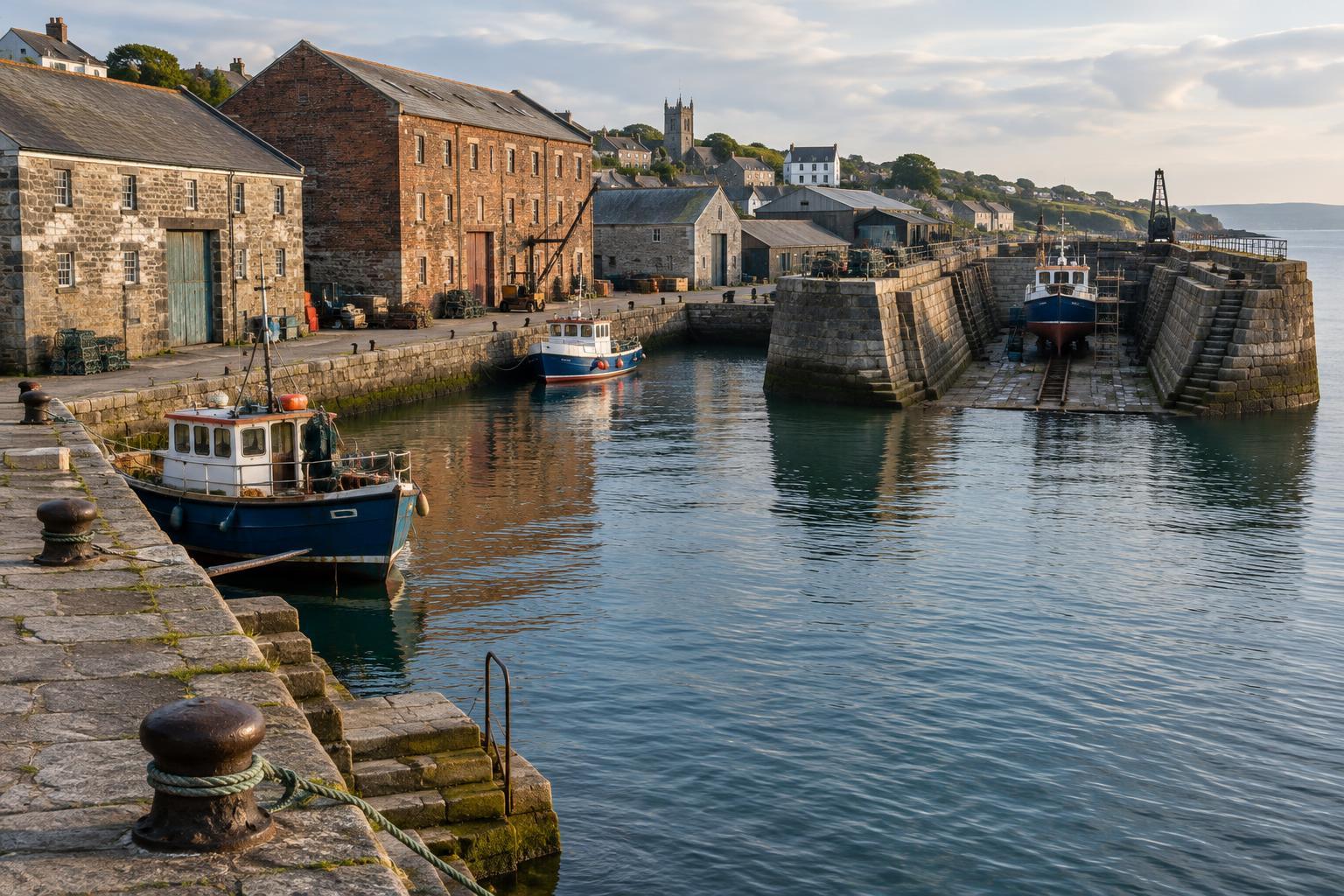
Keeper’s houses, paths, landing places, store rooms and water supplies can say as much about a lighthouse as its beam. An isolated station needed ways to bring in people and provisions, maintain equipment and shelter those responsible for it. A steep stair or exposed landing hints at the difficulty of routine work in poor weather. At a more accessible site, roads and neighboring buildings may show how the light became part of a harbor community.
Automation changed many stations, but it did not erase the labor that preceded it or eliminate the need for maintenance. When a cottage has become a museum or accommodation, look for signs of its former function rather than assuming its present use tells the whole story. The relationship among buildings is especially revealing: a tower, dwelling and landing together form a working landscape. Even an empty foundation may explain how supplies once reached the light.
Visit with curiosity and care
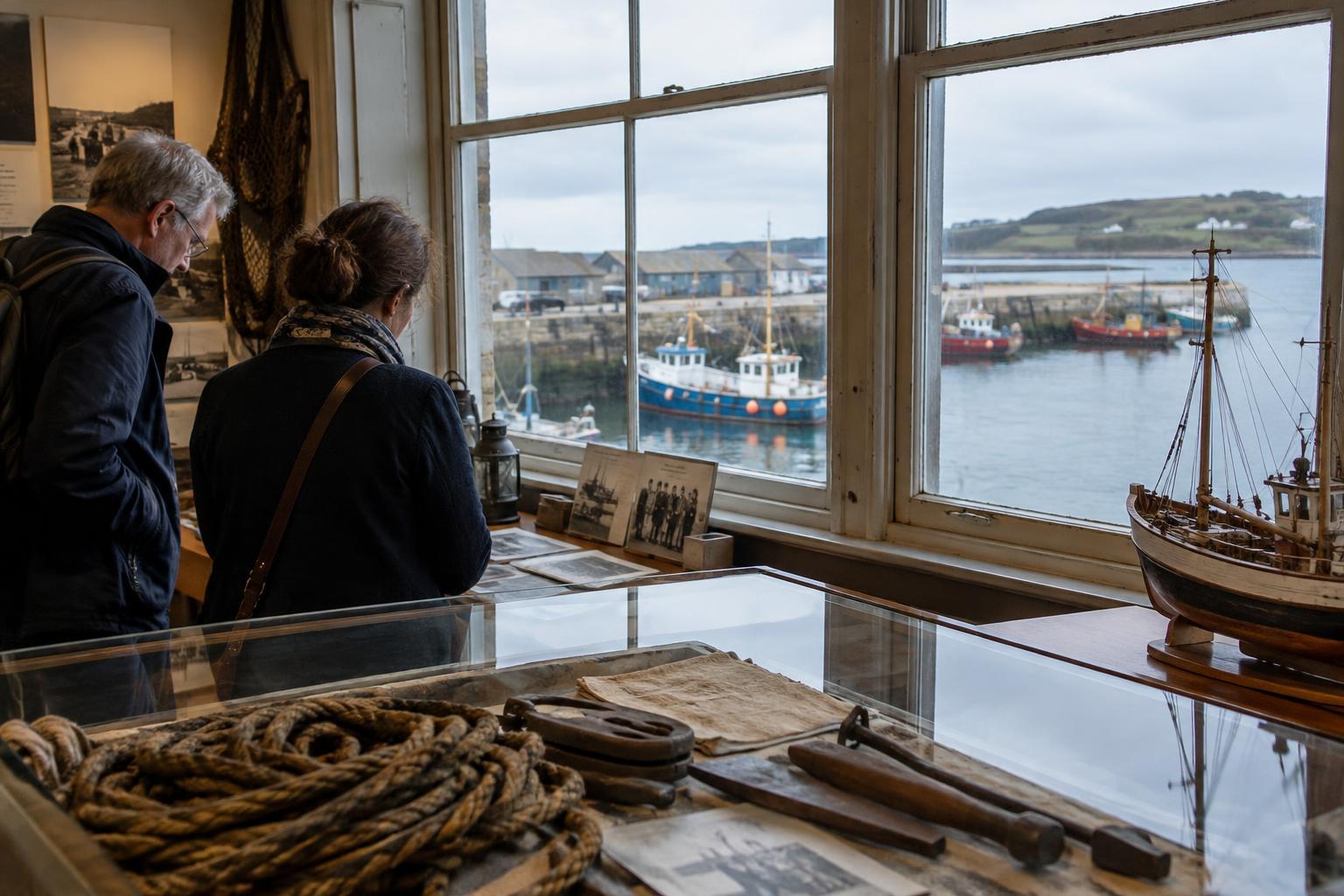
To understand a lighthouse, take time to walk a permitted route and view it from more than one angle. Notice the coastline it faces, the shelter available to boats and the routes people would have used to reach it. Local museums and on-site displays can help identify later additions without asking the structure to speak for itself. If a tower is open, remember that access to the grounds does not necessarily mean access to the lantern or service areas.
Coastal settings can be fragile and hazardous. Stay on marked paths, respect closures and keep well back from cliff edges and breaking water. A lighthouse is an appealing photograph, but it is also part of a maritime landscape that may still serve a practical purpose. Reading its design with that in mind turns a brief stop into a richer encounter with the coast and the people who worked along it.