Start with the place outside the doors
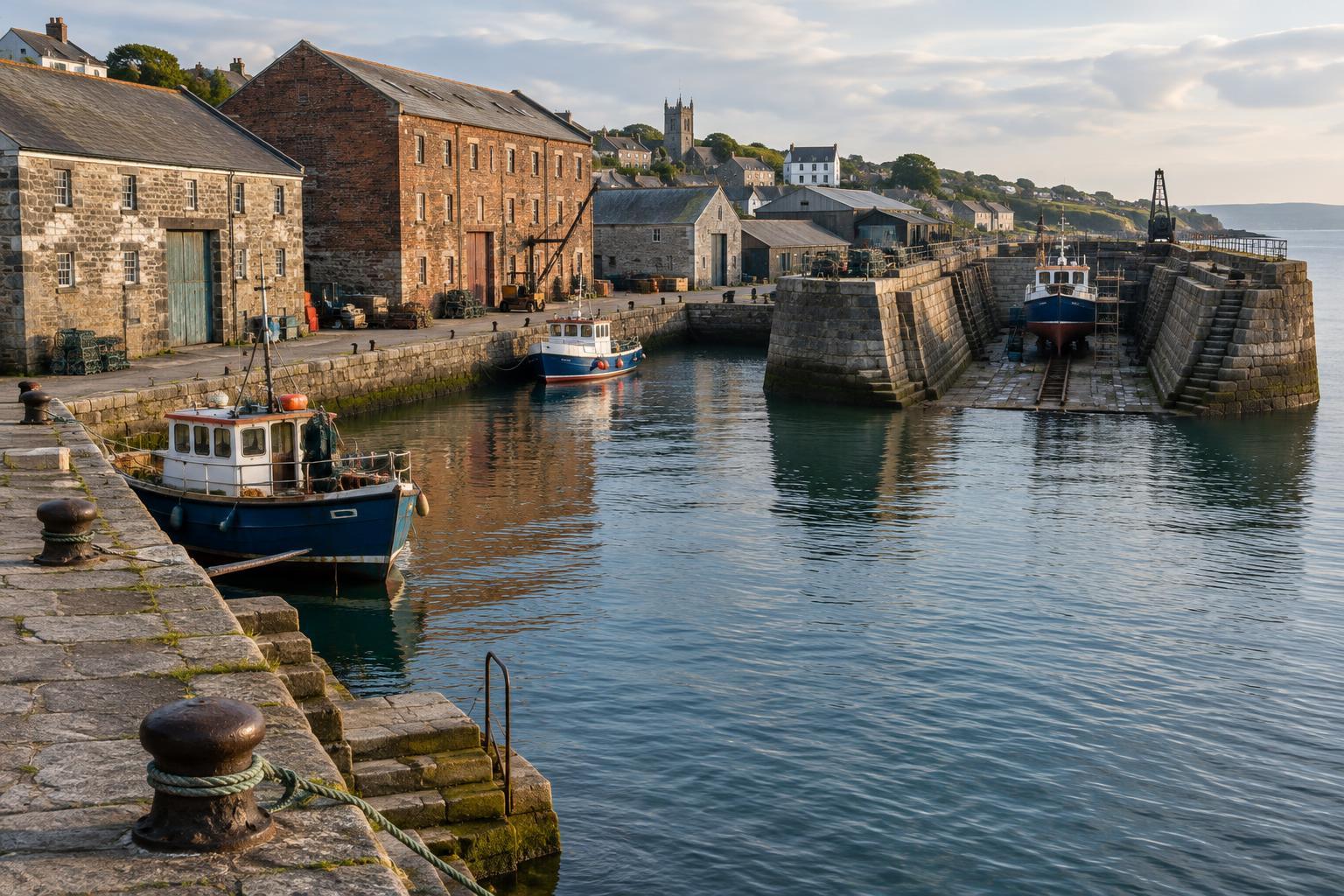
A maritime museum makes more sense when you know what lies beyond its walls. Before entering, take a few minutes to look at the waterfront. Is the museum beside a working quay, an old warehouse, a ferry terminal or a sheltered inlet? Notice the distance between the exhibits and the water. The setting can help explain why people built boats there, what they carried and how the shoreline has changed.
Inside, begin with a map if there is one. Look for routes connecting the port to nearby islands and distant coasts, then ask what made those journeys possible. Wind, tides, available timber and safe places to land can be as important to a maritime story as a famous captain. This approach turns a collection of objects into a story about a particular place.
Follow the people, not only the vessels
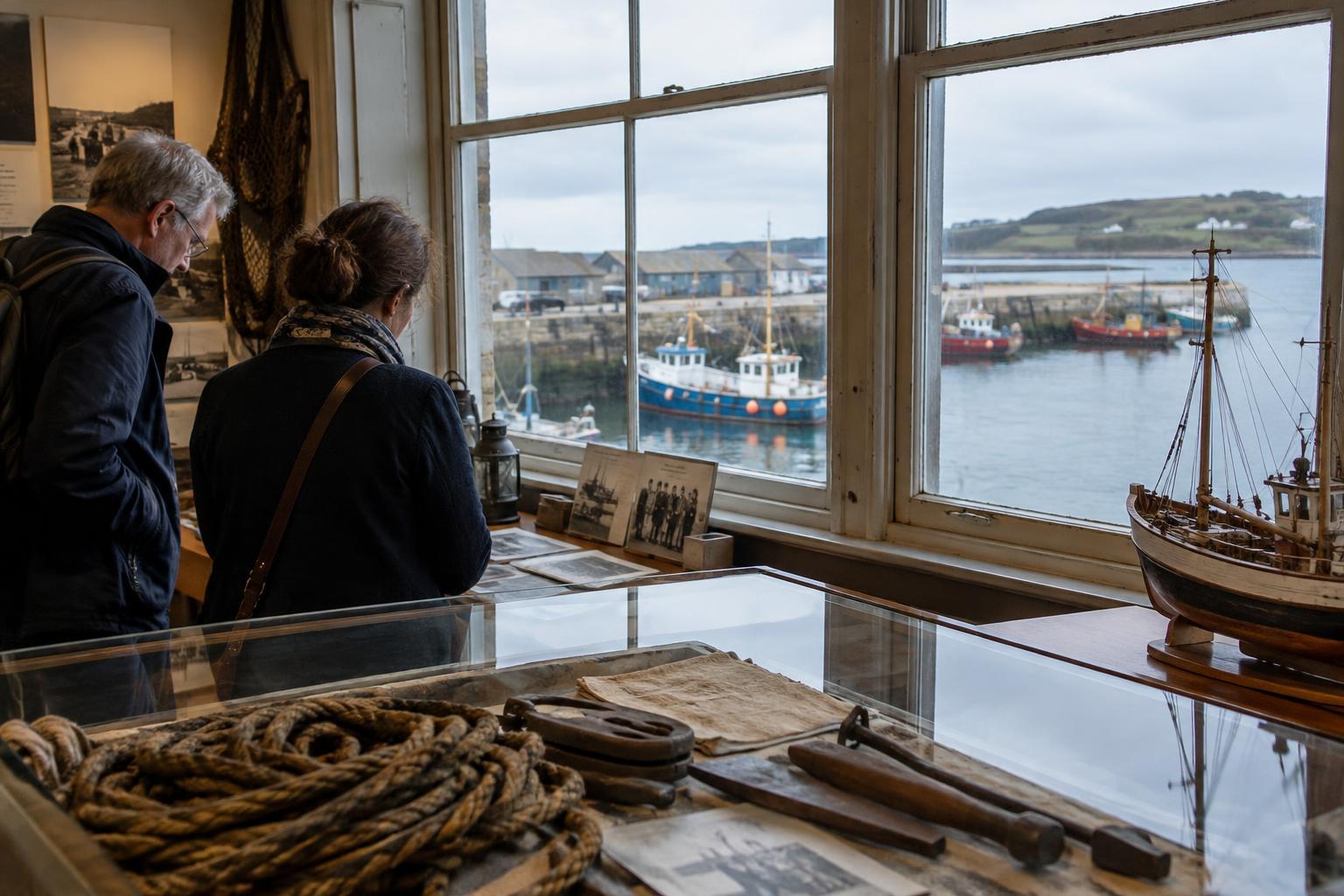
Ship models are useful: they show a hull’s shape, the space available for cargo and the kinds of journeys a vessel could make. But a model rarely shows who repaired the sails, unloaded the catch, cooked aboard or waited for a crew to return. Read labels for these less visible roles. Fishing, trade and passenger travel depended on work done both at sea and on shore.
Pay attention to whose names appear in the galleries and whose do not. A museum may preserve the records of owners and officers more readily than those of deckhands, dockworkers, migrants or families maintaining a household during long absences. An absence does not mean those people were unimportant. It may reflect which objects and documents survived, and whose experiences were recorded.
Small items can bring those lives closer than a grand vessel can. A mended net, a wage book or a lunch container invites questions about skill, routine and uncertainty. If an exhibit includes an oral history, listen for how someone describes their own work. Their account may add a perspective that a technical label cannot.
Read trade and travel with care
Ports are places of exchange, but exchange was not always equal. When a gallery describes a cargo route, look beyond the goods themselves. Who produced them? Who profited from moving them? Who had a choice about making the journey? Depending on the region and period, maritime collections may also touch on forced labor, colonization, displacement or dangerous working conditions. These histories deserve attention alongside accounts of navigation and invention.
You do not need to resolve every question during a visit. Compare a route map with the objects placed beside it, and notice whether the labels describe people at both ends of the voyage. If something seems missing, a guide, curator’s note or temporary exhibition may offer another entry point. Keeping a question open is often more useful than filling the gap with an assumption.
Look for a changing coast
Maritime heritage is not only a record of the past. Harbors shift, fishing methods change and communities adapt their relationship with the sea. Photographs, charts and tools from different periods can help you see those changes. Compare images of the same shoreline if the museum provides them: what has been built, removed or reclaimed, and which activities still take place there?
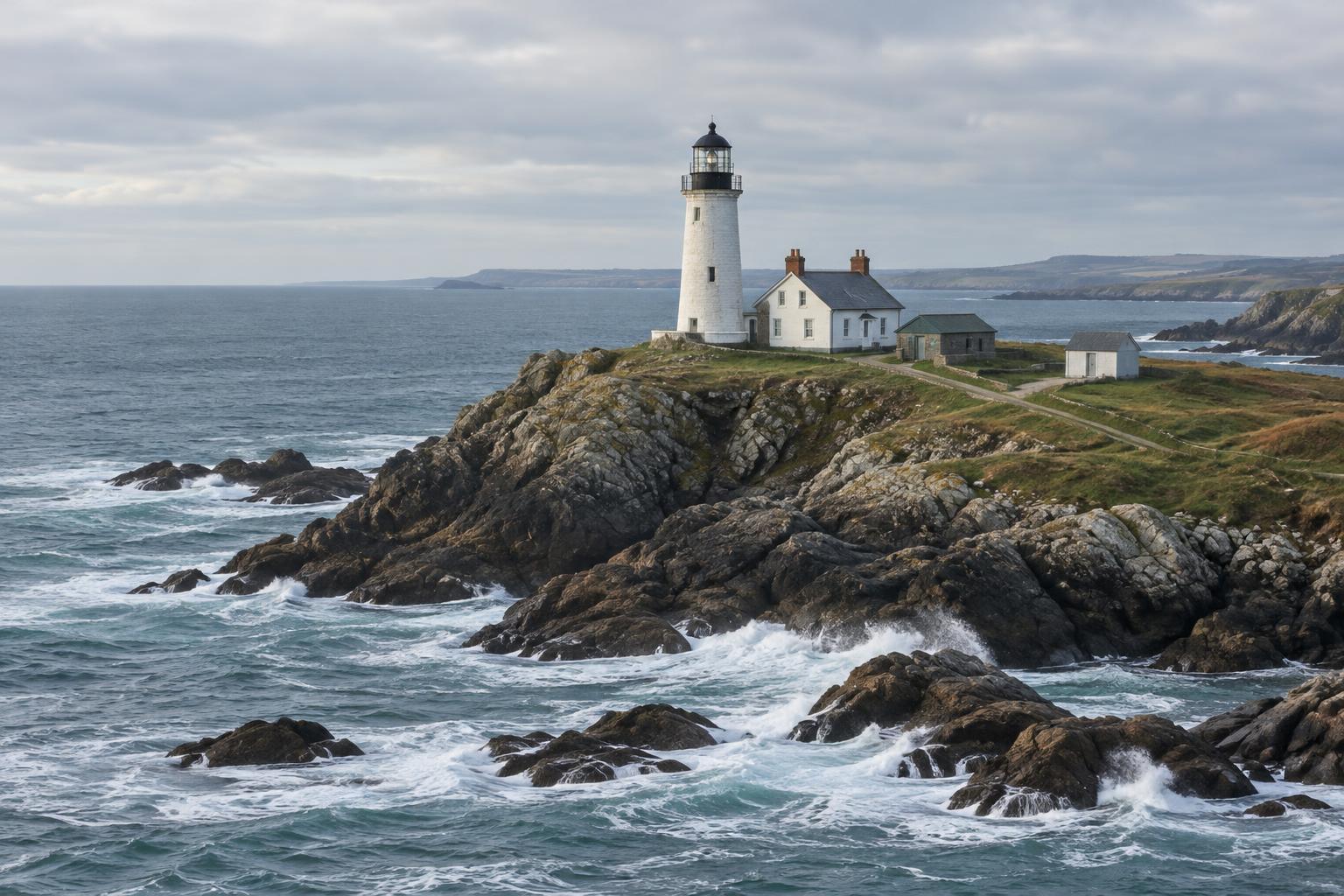
Nature belongs in this story, too. A collection about fishing may show how crews understood seasons, weather and local waters. Displays about lighthouses or lifeboats can reveal the risks posed by reefs and storms without turning every voyage into a tale of heroism. When an exhibit discusses environmental change, distinguish between what its evidence shows about that place and broader questions you may want to explore later.
Make the visit part of a slower journey
Give yourself time to follow one thread rather than trying to read every label. You might trace the journey of a single material, such as rope or salt, or follow a route from the map to the objects and personal accounts connected with it. If you are visiting with someone else, choose one object each and explain what it made you wonder about. A focused visit can be more memorable than a hurried tour of every room.
Before leaving, check whether the museum identifies nearby places connected to its collections: a harbor path, a former boatyard or a working market. Visit only where public access is clear, and remember that a working waterfront is someone’s workplace, not an exhibit. Back outside, look again at the water. The museum may have changed what you notice there—not just the boats, but the labor, choices and communities that have shaped the coast.