Two clocks for one coastline
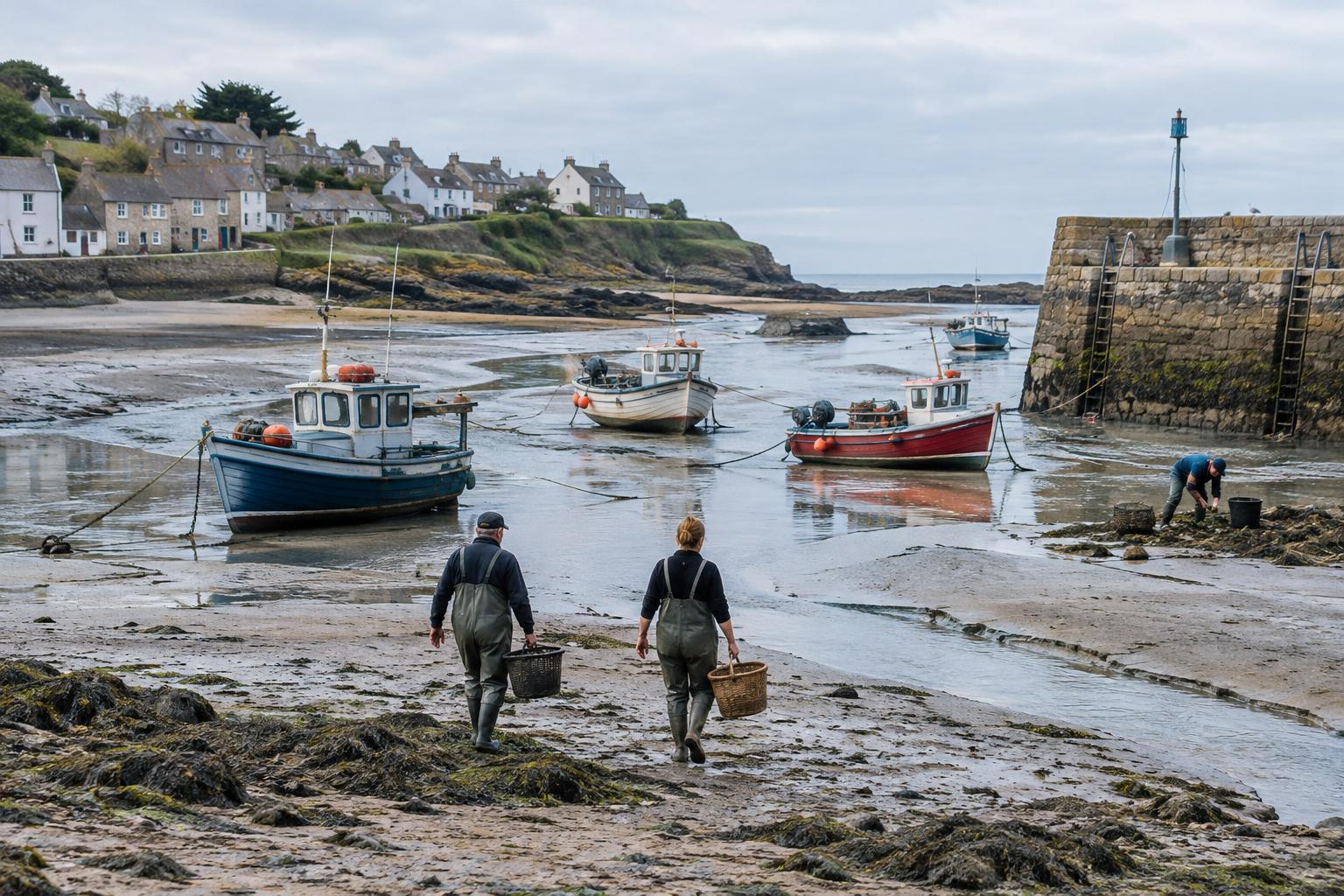
A coastal day may run on two schedules: the hours shown on a clock and the changing position of the water. In places with a substantial tidal range, a beach that offers a broad walking route in the morning may be narrow or covered later. A boat may float beside a quay at one hour and rest on exposed ground at another. These changes are familiar parts of daily life for many residents, even when they are striking to a visitor.
Tidal influence varies greatly from coast to coast. Some places have only modest changes in water level; others have channels, causeways or tidal flats that change how people move through the landscape. Weather, waves and river flow can complicate the pattern. For that reason, coastal routines are usually shaped by local knowledge as well as a tide table, not by a single rule that works everywhere.
When access sets the pace
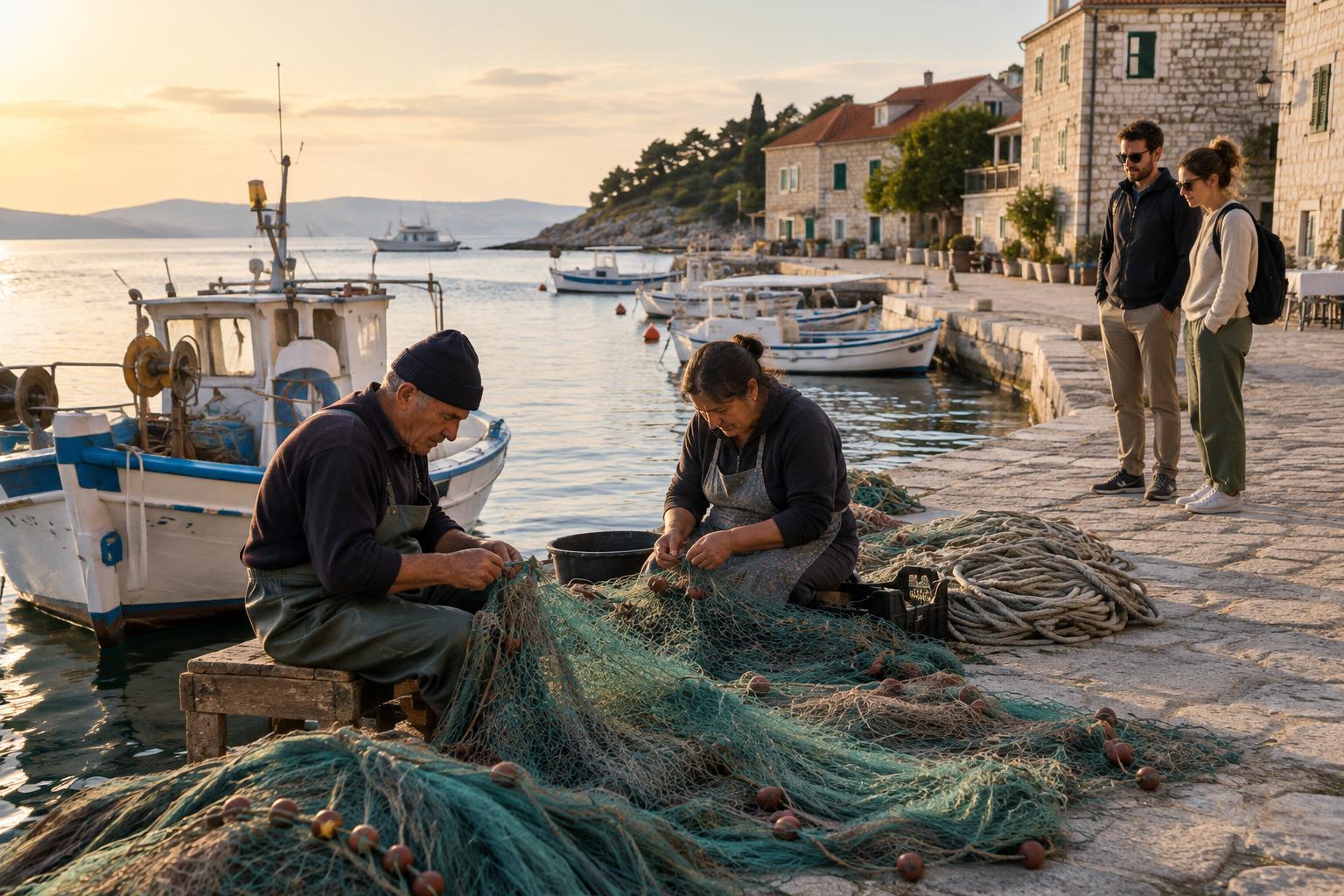
For people who work on the water, the useful part of a day may depend on whether a vessel can enter a harbor, reach a landing or pass through a shallow channel. Fishing crews, harbor workers and small-boat operators may plan departures and returns around a workable depth of water. The same consideration can affect deliveries to waterside businesses or the timing of maintenance on boats and moorings.
On land, a low tide may open a route across a beach or tidal flat, while a high tide closes it. Communities with such crossings often treat access as something to check rather than assume. A journey that looks short on a map may require a longer road route at the wrong time. Local signs, published crossing guidance and advice from people responsible for the route matter more than a visitor’s estimate of how quickly they can walk.
Food traditions shaped by the shore
Tides can also influence when food is gathered. Where permitted, people who collect shellfish or seaweed may work during a suitable low-water window, then return to sort, clean or prepare what they have collected. Fish markets and kitchens may adjust to the practical timing of landings rather than expecting every catch at the same hour. The details depend on local waters, seasons, regulations and the kind of work being done.
These routines are part of food culture, not simply a picturesque scene for travelers. Gathering grounds may be working areas or carefully managed habitats. A visitor hoping to understand a coastal dish can start by asking how its ingredients reach the table and listening to the answer. Buying from an established local seller or choosing a guided experience, where available, is more respectful than assuming an exposed shore is open for collecting.
Shared spaces that change through the day
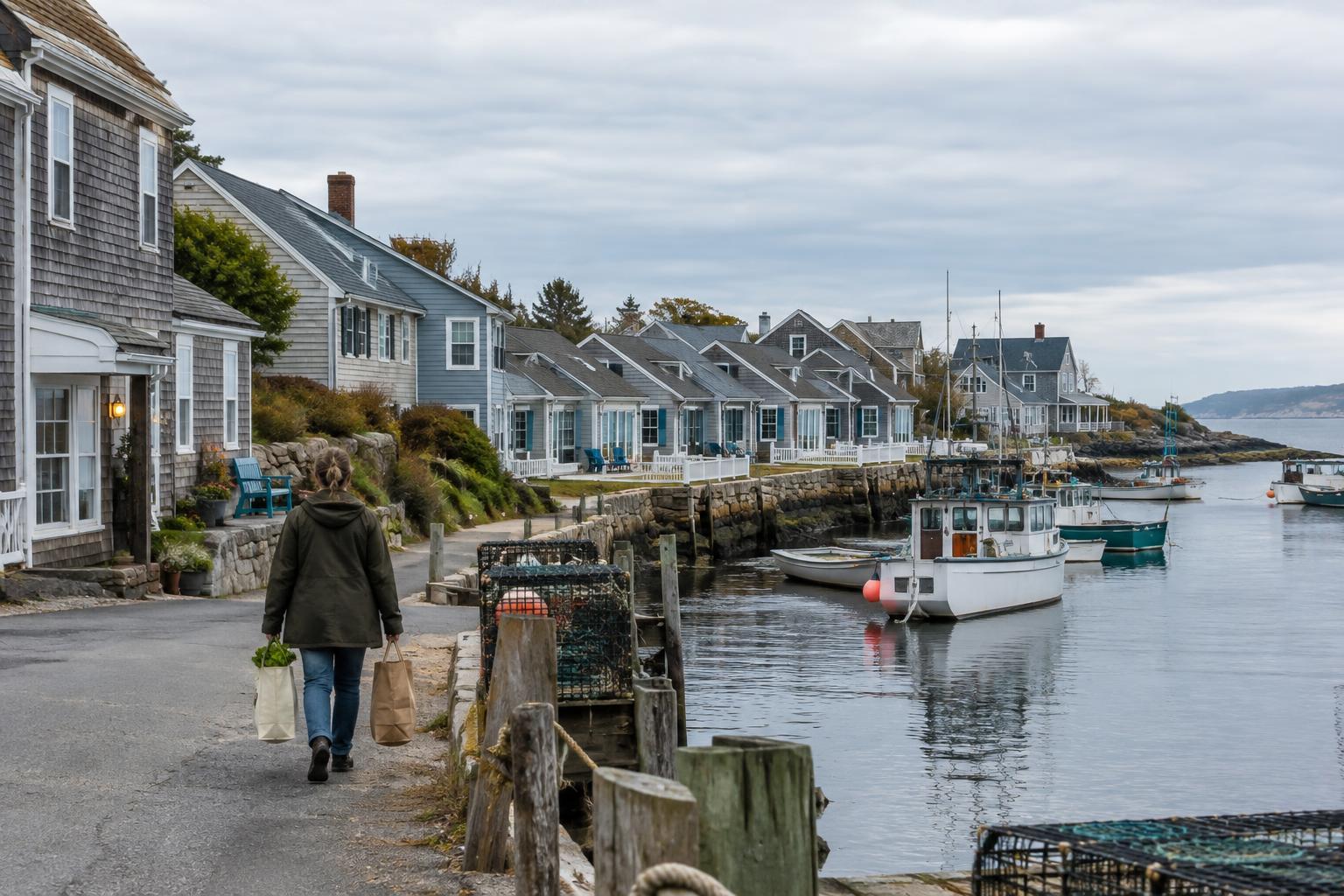
The tide can redraw the boundaries of public space. At low water, families may walk farther along the sand, boat owners may inspect hulls, and shore workers may use ground that will soon be submerged. As the water returns, activity shifts toward paths, sea walls and higher land. Benches, steps and harbor edges can become informal places to watch that transition and meet neighbors.
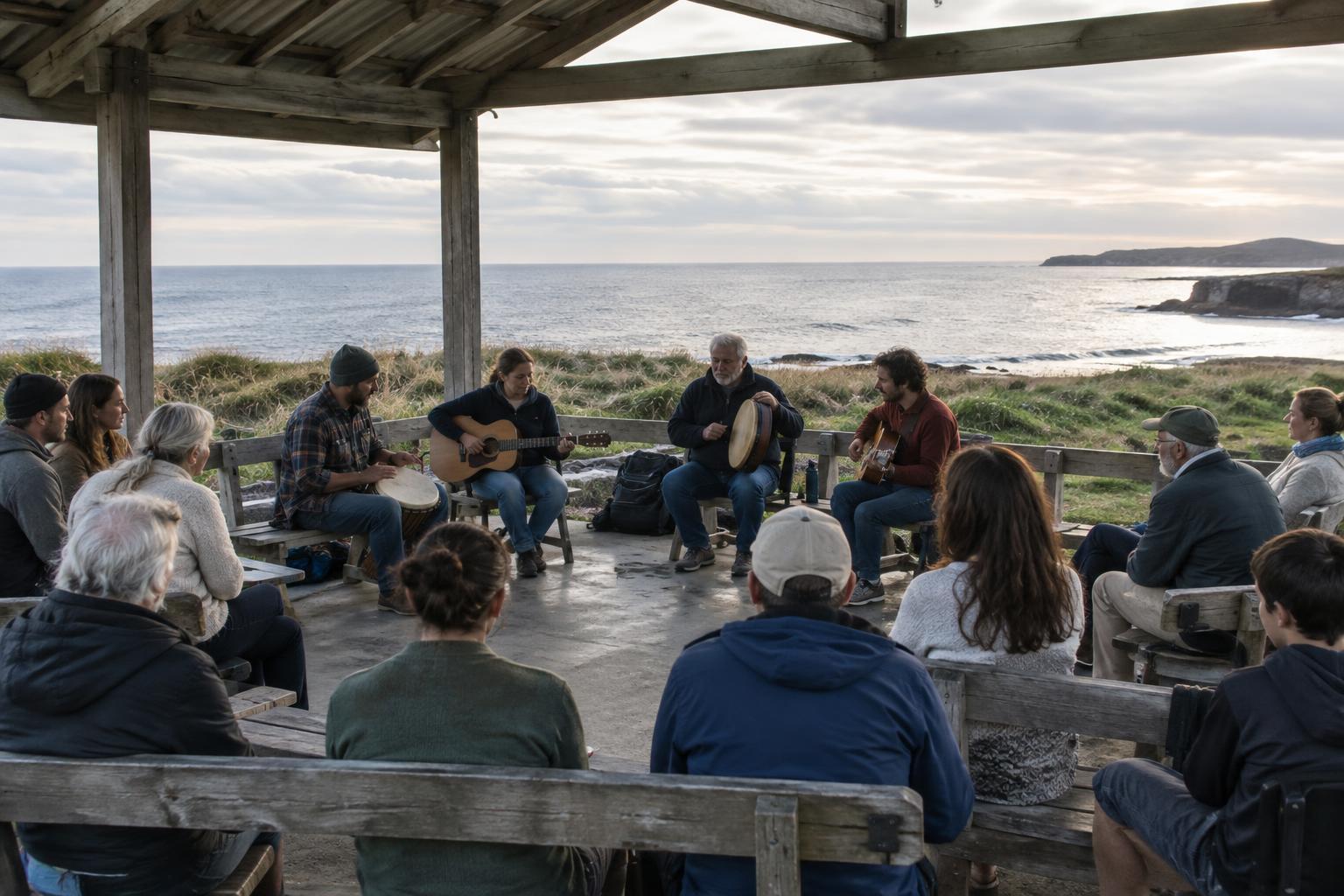
Living with these changes often produces habits of coordination: checking conditions before leaving home, arranging a meeting at an accessible landing, or allowing extra time for a task. Not everyone follows the same schedule, and coastal communities are not defined only by the sea. Still, in places where the water regularly changes what is reachable, paying attention to the tide becomes an everyday courtesy as well as a practical skill.
How to travel with the local rhythm
For a slower coastal visit, look at local tide information before choosing a beach walk, harbor stop or crossing. Check it again near the time you set out, alongside weather and any posted access notices. Keep an alternative route or activity in mind. A low tide can make a shoreline inviting, but it does not guarantee firm ground, an easy return or safe passage around a headland.
Leave working areas clear, respect signs and ask before photographing people at work. If you are curious about a place’s tidal routines, a harbor café, small museum or locally led walk may offer a way to learn without interrupting anyone’s day. Watching the same stretch of coast at two different water levels can be revealing, too. What first appeared to be a fixed landscape becomes a place whose routes, sounds and gathering spots change with the water.