Arrive with a neighborhood in mind, not just a view
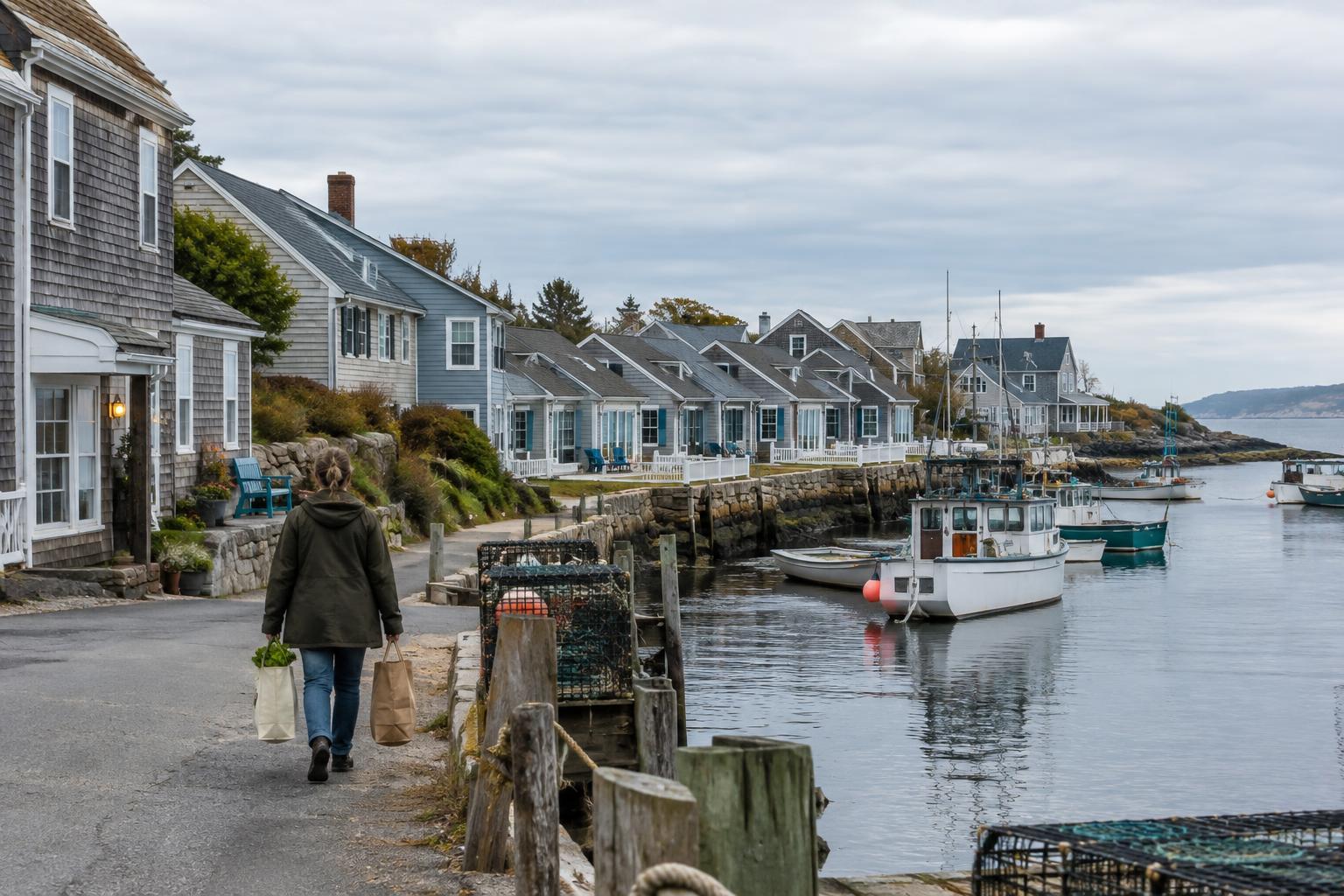
A coastal neighborhood may have the ingredients of a memorable photograph: painted boats, narrow streets, laundry in the breeze and a wide horizon. It is also where people buy groceries, repair equipment, walk to work and rest at home. Holding both ideas at once changes the visit. Instead of asking only where to find the best view, ask what kind of place you are entering and how your presence might affect an ordinary day.
Before setting out, look for basic visitor information from local cultural venues, community organizations or the municipality. Check where public paths lead, whether a harbor has restricted areas, and how you will get back without relying on a shortcut through residential property. Choose a modest route rather than trying to cover every lane. Leave room to stop at a museum, sit on a public bench or follow a path inland when the waterfront is busy.
Let daily life set the pace
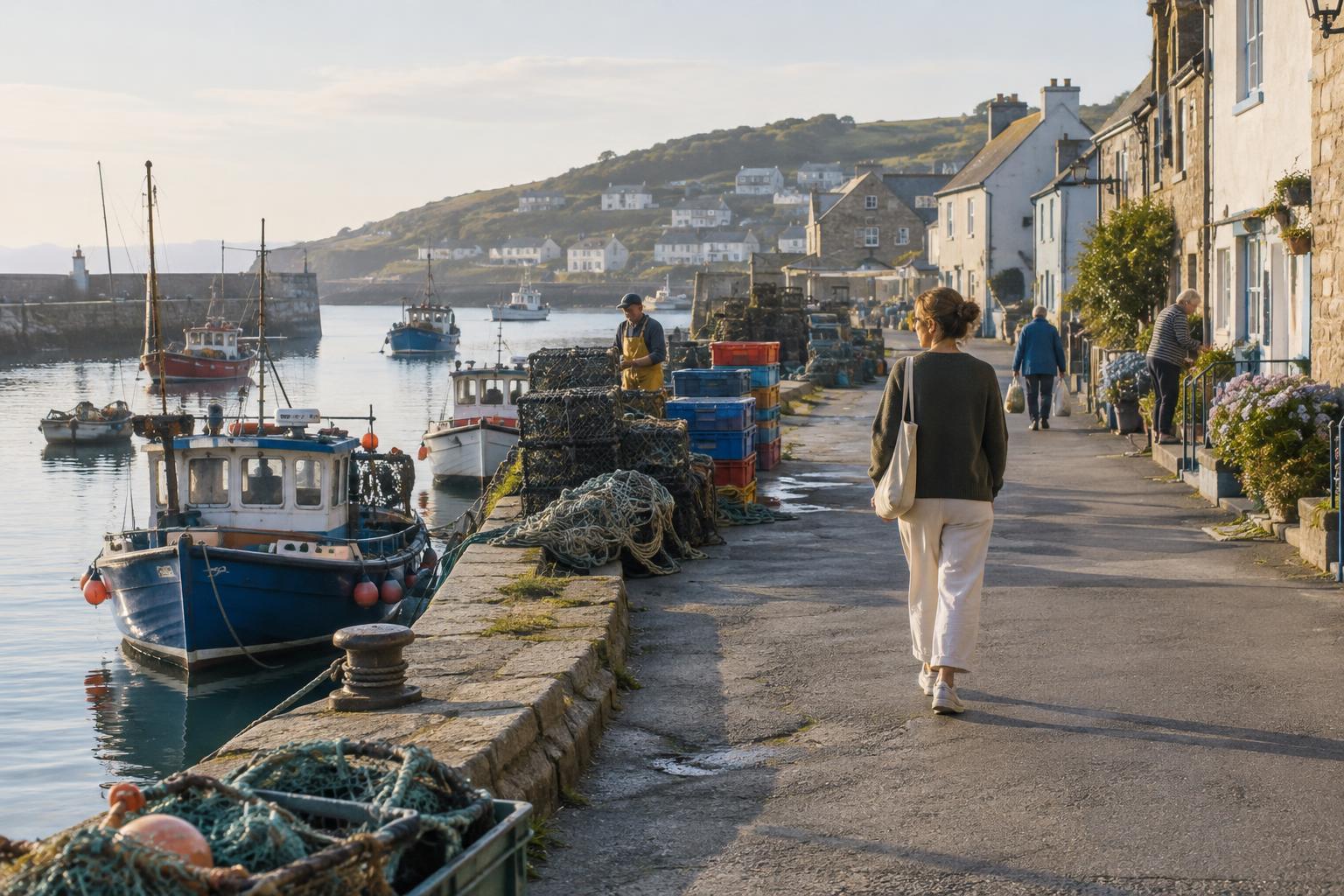
Slow travel is not simply walking slowly. It means noticing when you should move along. A lane may be narrow enough that a group blocks a doorway; a quay may need to stay clear for people carrying supplies. Keep bags and companions out of the way, and step aside before consulting a map. If a street feels quiet and residential, lower your voice, especially near open windows and early in the day.
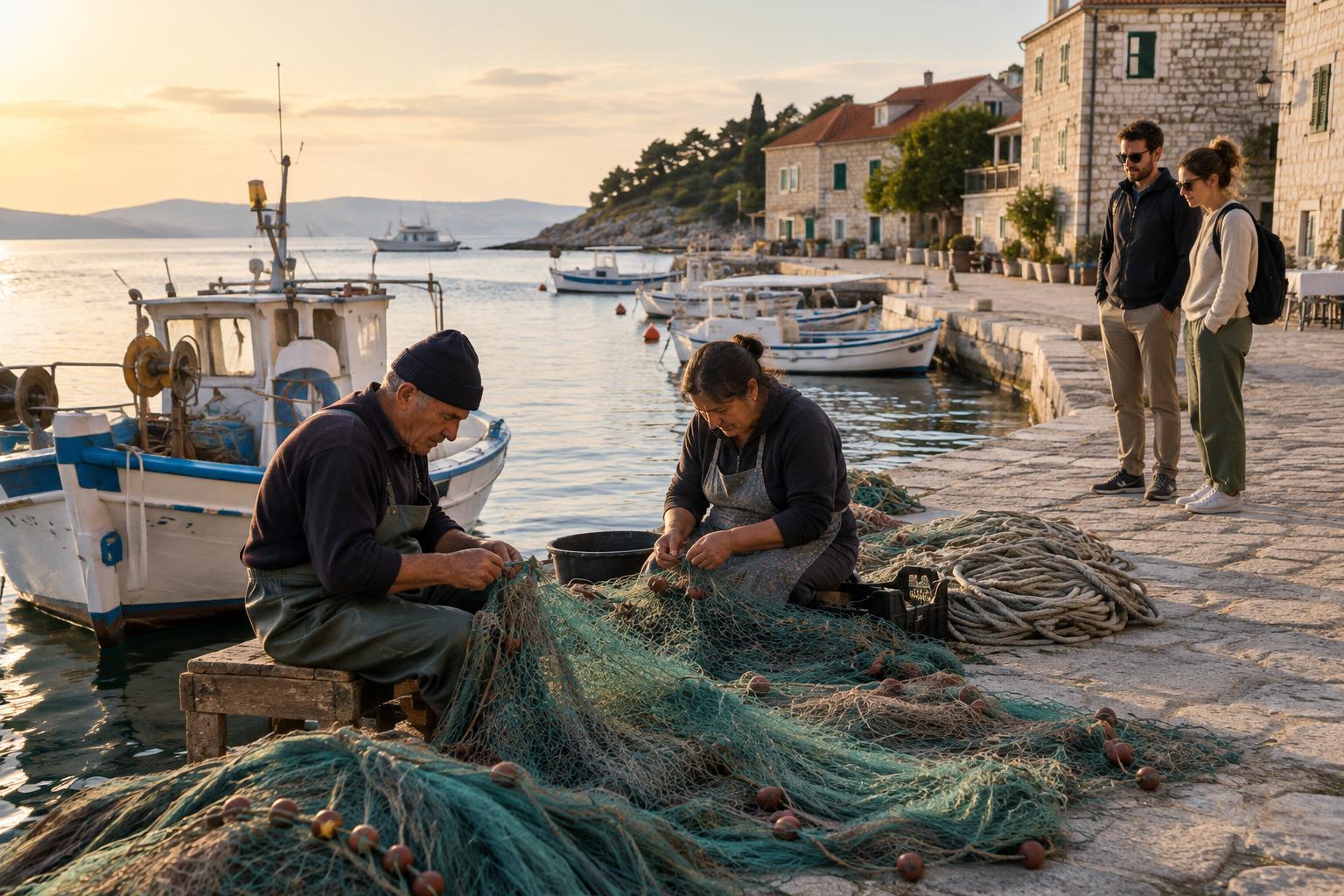
Working waterfronts call for particular attention. Nets, crates, ropes and boats are not props, even when they sit in a public-facing area. Do not handle equipment or climb onto vessels, and follow signs and barriers rather than judging access by whether a gate happens to be open. If a fish market or landing area welcomes visitors, give workers space to do their jobs. Watching from an appropriate distance can teach you more than pressing forward for a closer picture.
Make photographs a choice, not a reflex
Photographs can preserve a sense of place, but a camera can also turn someone else’s routine into a performance. A useful pause before taking a picture is to ask: Who is in the frame, and would I be comfortable being photographed in their position? Seek permission before making a recognizable portrait, particularly when someone is working or sitting outside their home. If the answer is no, thank them and put the camera away.
Even when no person is visible, consider what the image reveals. An open front door, a family meal on a terrace or a child’s belongings may be more private than the surrounding street. You can photograph a public shoreline without aiming into homes. Be just as thoughtful when sharing images later: avoid captions that describe a lived-in place as “untouched,” “empty” or “discovered.” Those words erase the people whose lives make it a neighborhood.
Spend time and money with attention
A visit need not revolve around buying things, but everyday businesses can offer a more grounded introduction than a quick circuit of viewpoints. If you enter a café or shop, read what is offered, greet staff in the customary way if you can, and order something you actually want. A small bakery, a neighborhood restaurant or a local exhibition may be a better fit for your day than a souvenir bought in haste. Respect opening hours and accept that some places are not organized around visitors.
Food traditions are especially easy to flatten into a checklist. Rather than assuming every coastal community serves the same dishes, look at what a menu actually offers and ask a simple, considerate question when staff have time to answer. Prices, ingredients and availability can vary. If you have dietary needs, check before ordering instead of expecting an unfamiliar kitchen to adapt on the spot. Curiosity works best when it leaves room for the person answering.
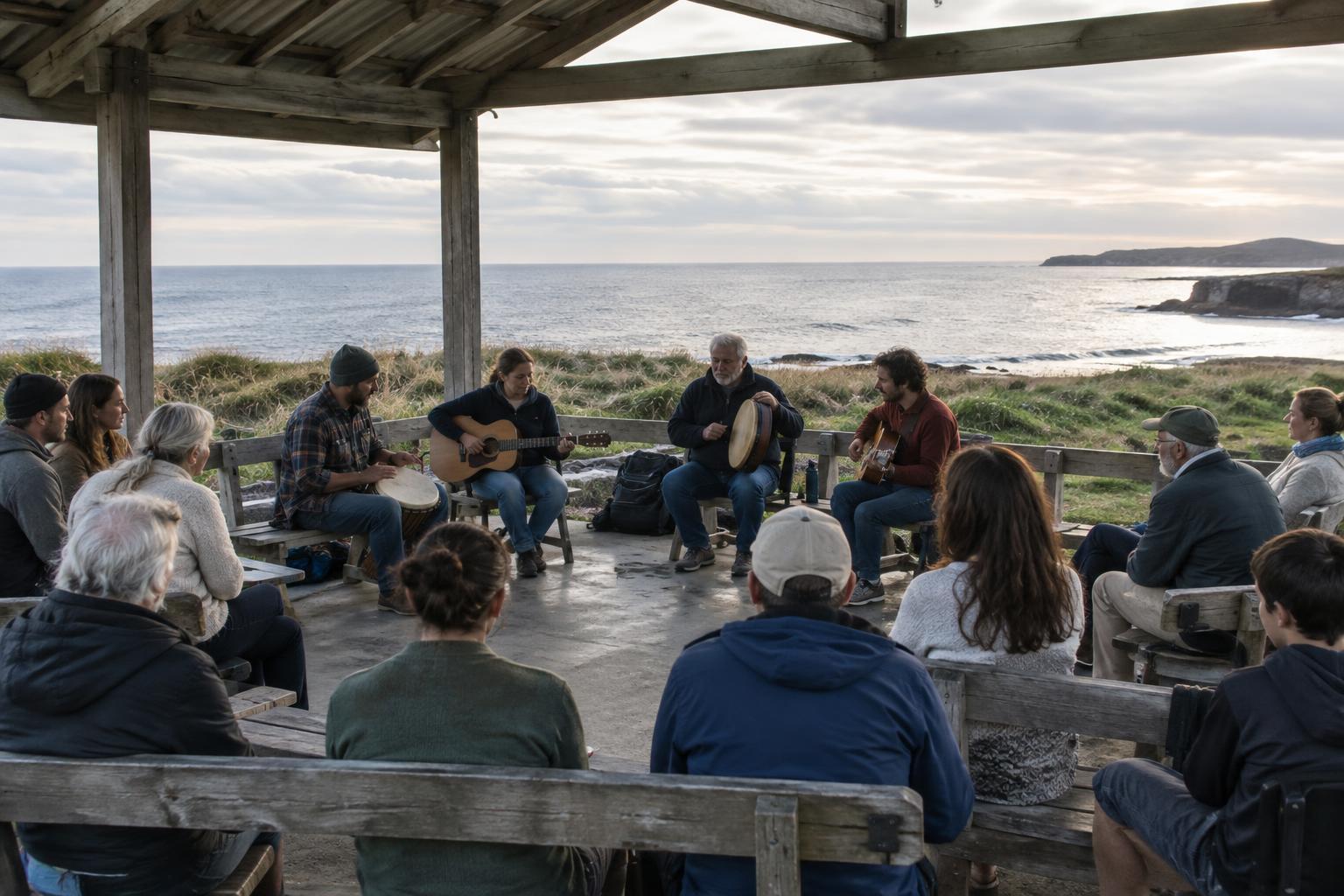
Leave space for the next person
Coastal paths and beaches can be shared spaces as well as sensitive environments. Stay on marked routes where they exist, take litter with you, and avoid moving stones, shells or plants to arrange a scene. Keep an eye on tide conditions where they affect access, and do not cross a working yard or private lot to reach the water. If a viewpoint is crowded, consider returning later or enjoying a different stretch of shore.
At the end of the visit, think about what you learned beyond the view: the shape of the streets, the uses of the harbor, the places where visitors were welcome and the moments when it was better to step back. You do not need to understand a neighborhood fully in an afternoon. A respectful trip leaves you with a more honest impression precisely because it does not ask the place to perform for you.