Start with the fish, not the dish name
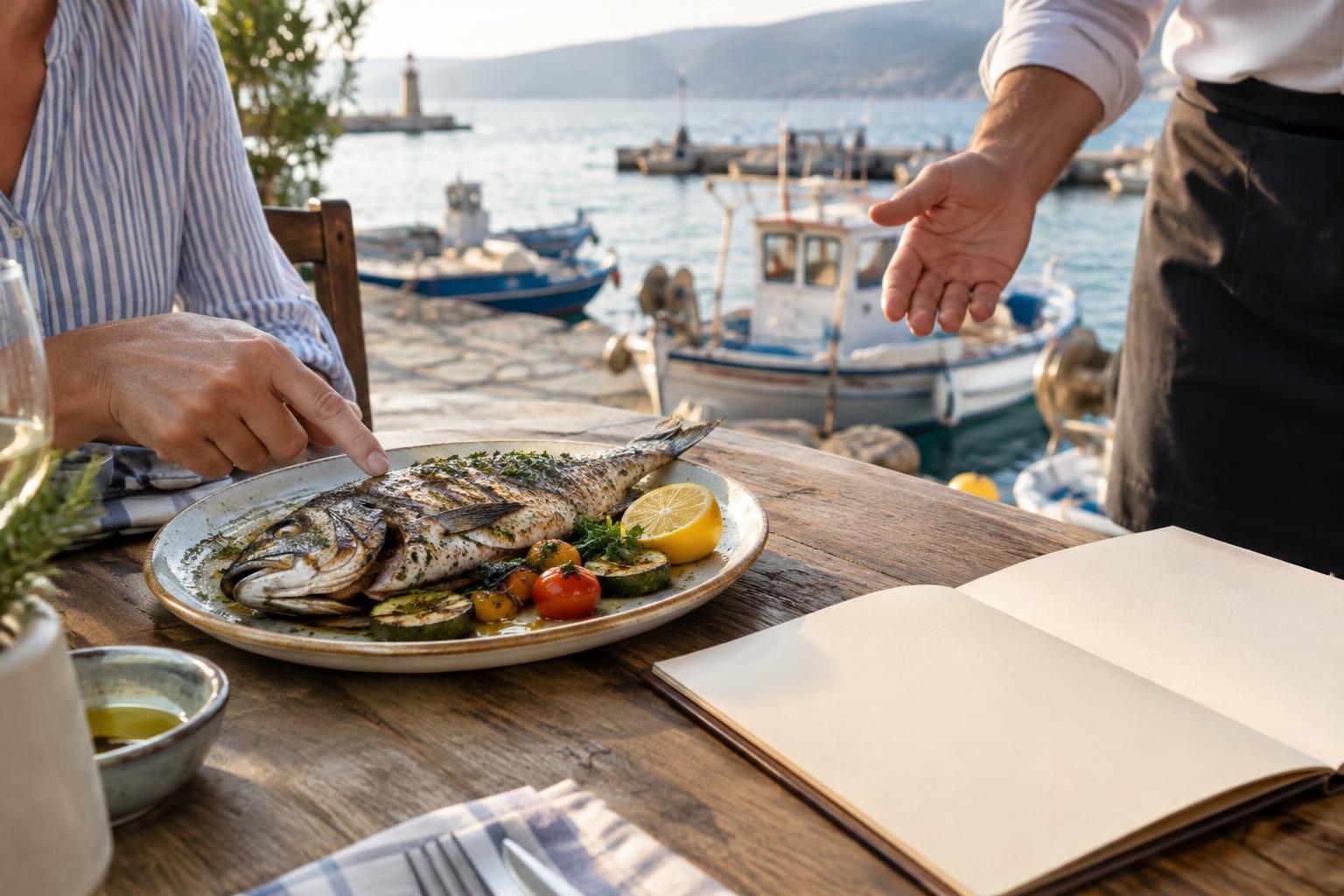
On a coastal menu, a familiar dish name may tell you more about the sauce than the seafood beneath it. “Fish of the day” might change with the available catch, while a local name may refer to a fish you know by another name. Before choosing, ask which species is being served. If the answer is unfamiliar, ask for a simple description: Is it a firm white fish, a richer oily fish, or something with a delicate texture?
Names can shift between languages, regions and kitchens, so a translated menu may not settle every question. You do not need to master local fish identification to order well. A brief exchange about flavor, texture and size is often more useful than trying to match an unfamiliar name to one back home. If you have a strong preference, say so plainly: mild rather than robust, boneless fillet rather than whole fish, or a smaller plate rather than a shared centerpiece.
Treat catch terms as clues, not guarantees
Words such as “local,” “fresh,” “wild” and “line-caught” can help you frame a question, but they do not explain everything on their own. “Local” may describe where seafood was landed, where it was bought, or a broader nearby area. “Fresh” does not necessarily mean caught that morning; seafood can also be handled and preserved in different ways before it reaches the kitchen. If the distinction matters to you, ask what the restaurant means.
“Wild” and “farmed” describe different ways seafood reaches the table, not a simple ranking of quality. Likewise, a named fishing method gives only part of the picture. Availability, handling and the kitchen’s skill all affect the meal you will eat. A useful, courteous question is: “What is this, and how does it usually arrive here?” Staff may not know every detail, and it is reasonable to choose something else if the answer leaves you unsure.
Picture the preparation before you order
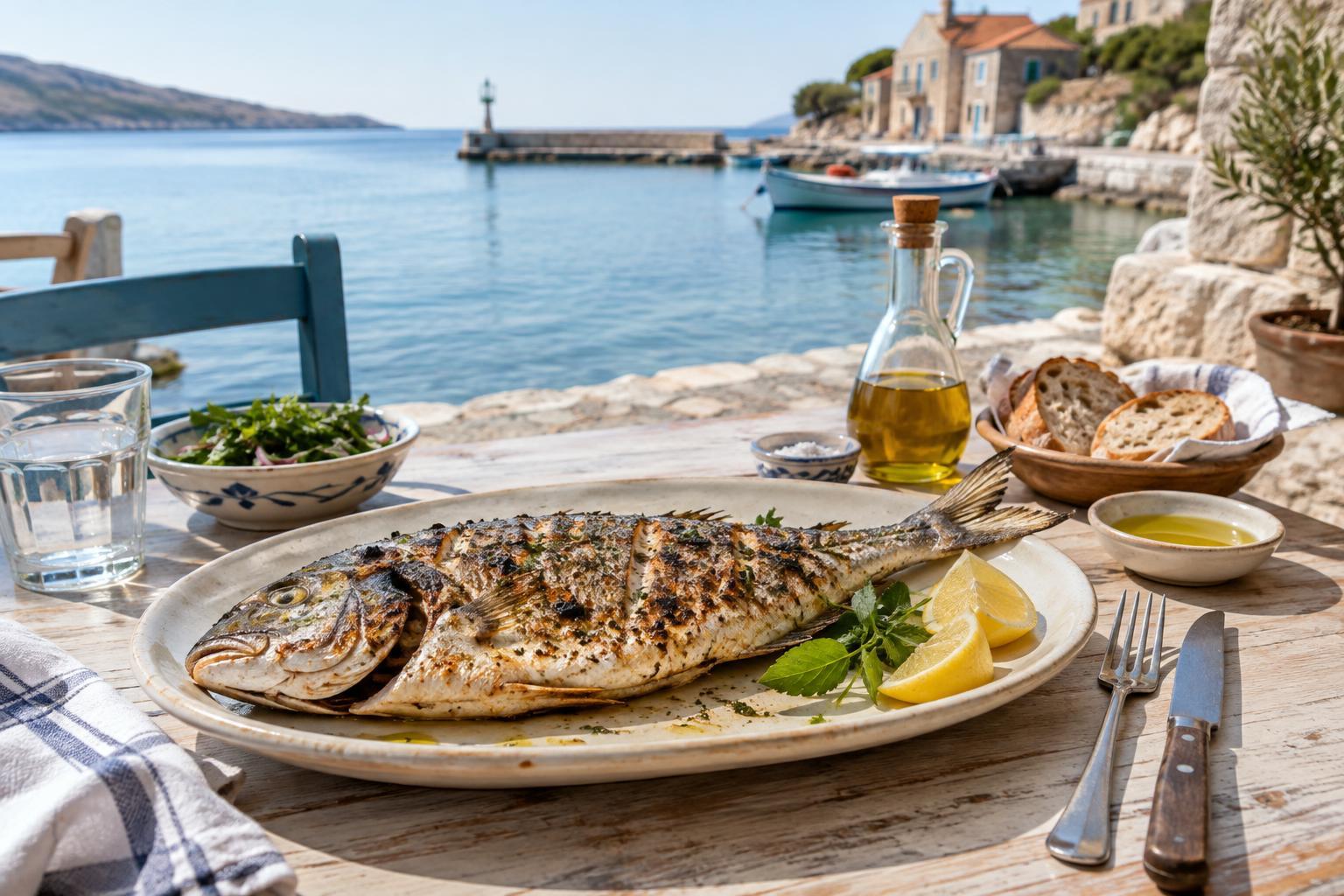
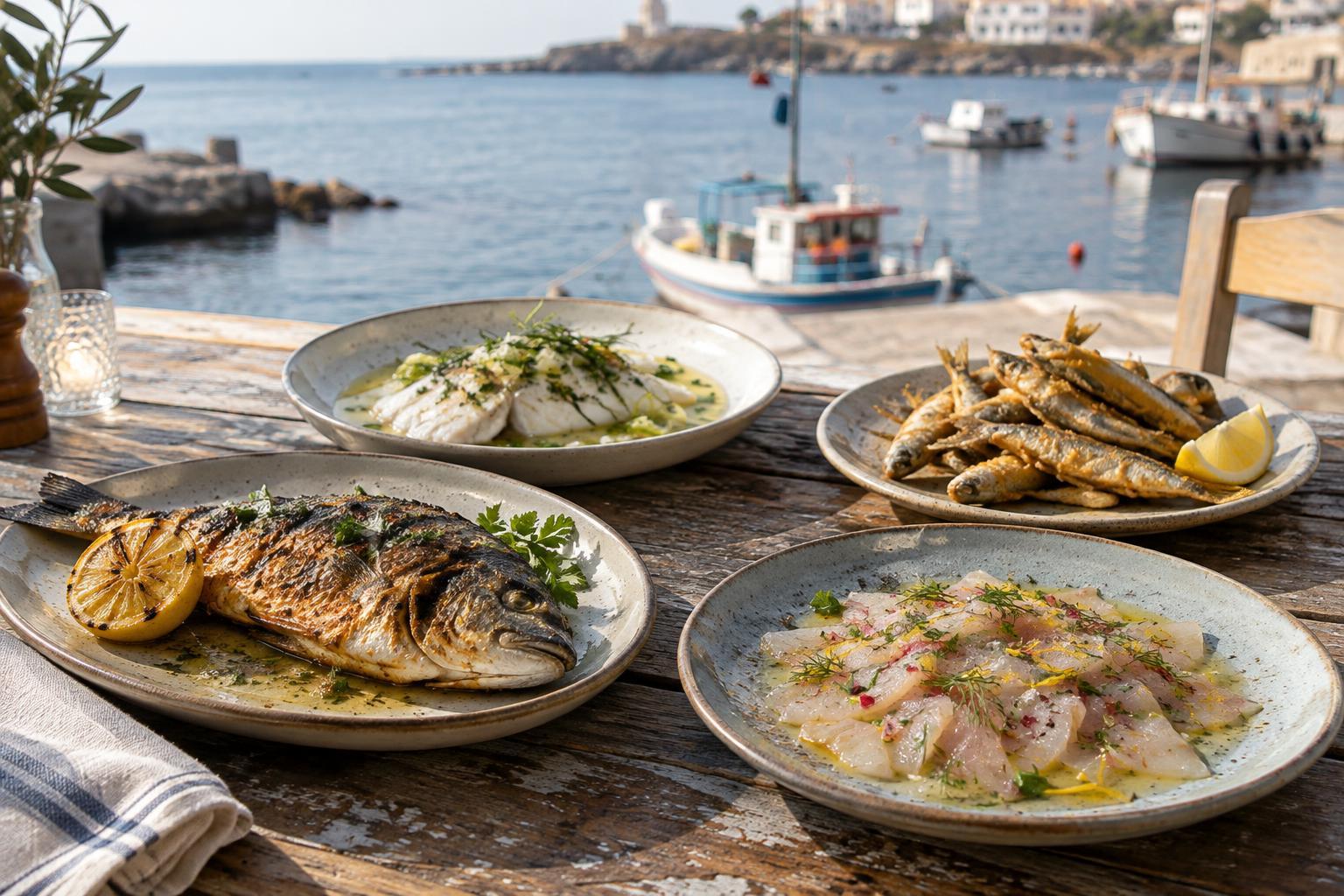
The cooking method can change a dish as much as the species does. Grilled fish often keeps the focus on the fish itself, though marinades and smoke may add strong flavors. Fried seafood may come in a light coating or a substantial batter; ask if that matters to you. Stewed or braised dishes tend to bring the fish together with broth, tomatoes, herbs or spices, making the sauce a central part of the meal.
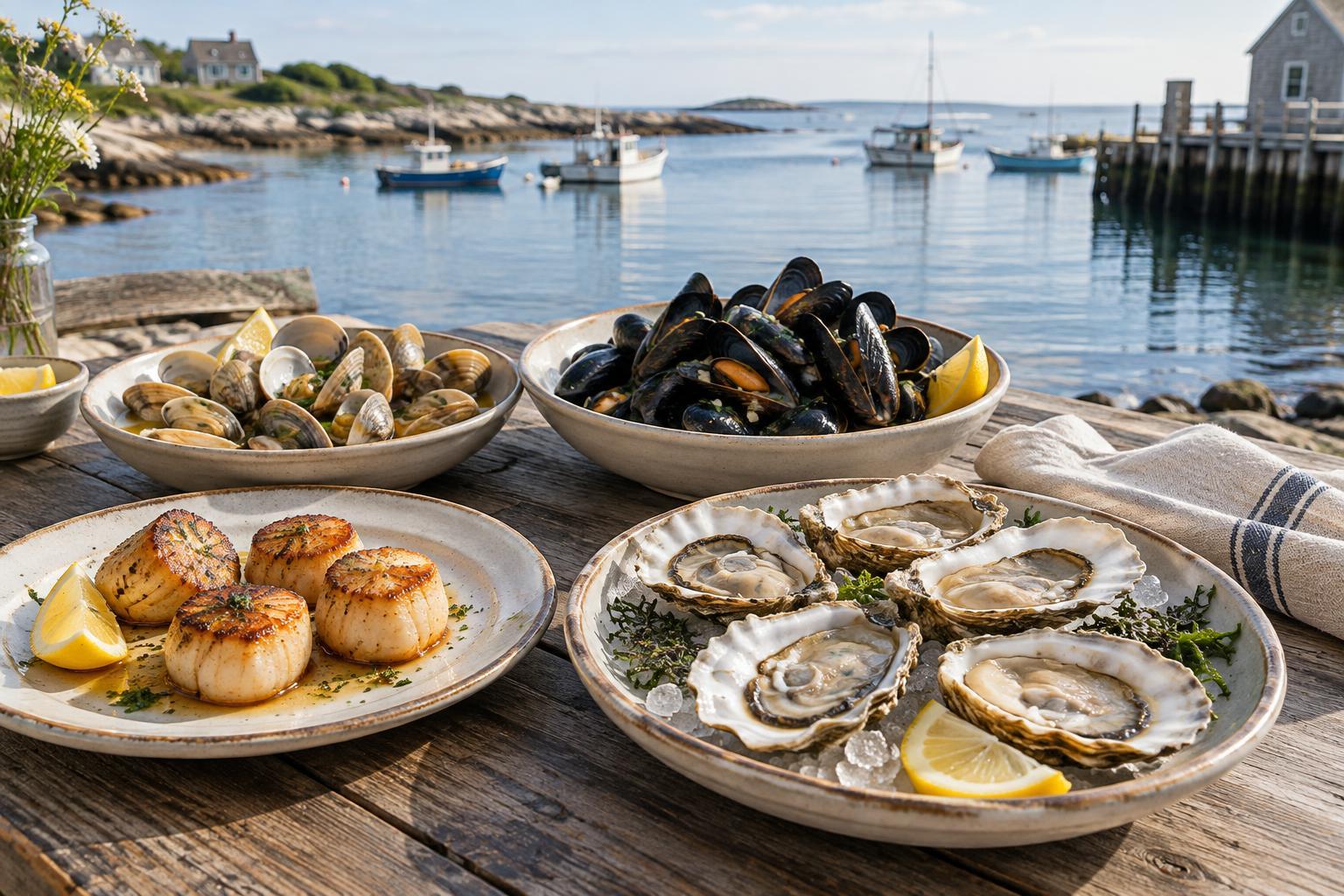
Also check the form in which it will arrive. A whole fish may be served with head, skin and bones, while a fillet is generally easier to eat without picking around the frame. Shellfish might come in its shell, already cleaned, or mixed into rice or noodles. Raw, cured and lightly cooked preparations differ from cooked dishes; if you prefer your seafood fully cooked, make that request before ordering rather than assuming the menu’s wording covers it.
Read the rest of the plate
A short menu description may leave out the ingredients that shape the dish. A lemon-butter sauce will feel different from a bright, sharp dressing; a coconut broth or pepper sauce may make the same fish seem richer or more assertive. Ask about sides, too. Potatoes, rice, bread and vegetables can turn a small portion of seafood into a filling meal, or leave you wanting another dish.
If you avoid particular ingredients, ask about the full preparation rather than relying on the main ingredient listed. Stocks, sauces, coatings and garnishes may contain ingredients that are not obvious from the dish name. For serious allergies, explain your needs directly to the restaurant and do not assume that an ingredient can simply be removed after cooking.
Let the conversation lead to the meal
Seafood menus are easiest to navigate when you treat them as the beginning of a conversation. Instead of asking staff to name the “best” dish, describe what you enjoy: something light, a local specialty with a strong flavor, or a plate that is easy to share. If a price is listed by weight rather than by portion, ask for the approximate total before committing, especially when ordering a whole fish.
You can stay curious without turning dinner into an interrogation. Two or three clear questions about the species, preparation and price will usually tell you enough to decide. Then notice what the dish offers beyond its menu label: the way a broth is seasoned, the choice of accompaniments, or how a familiar fish is prepared on this coast. That attention is part of the pleasure of eating by the sea.