Start with the seafood, then consider the method
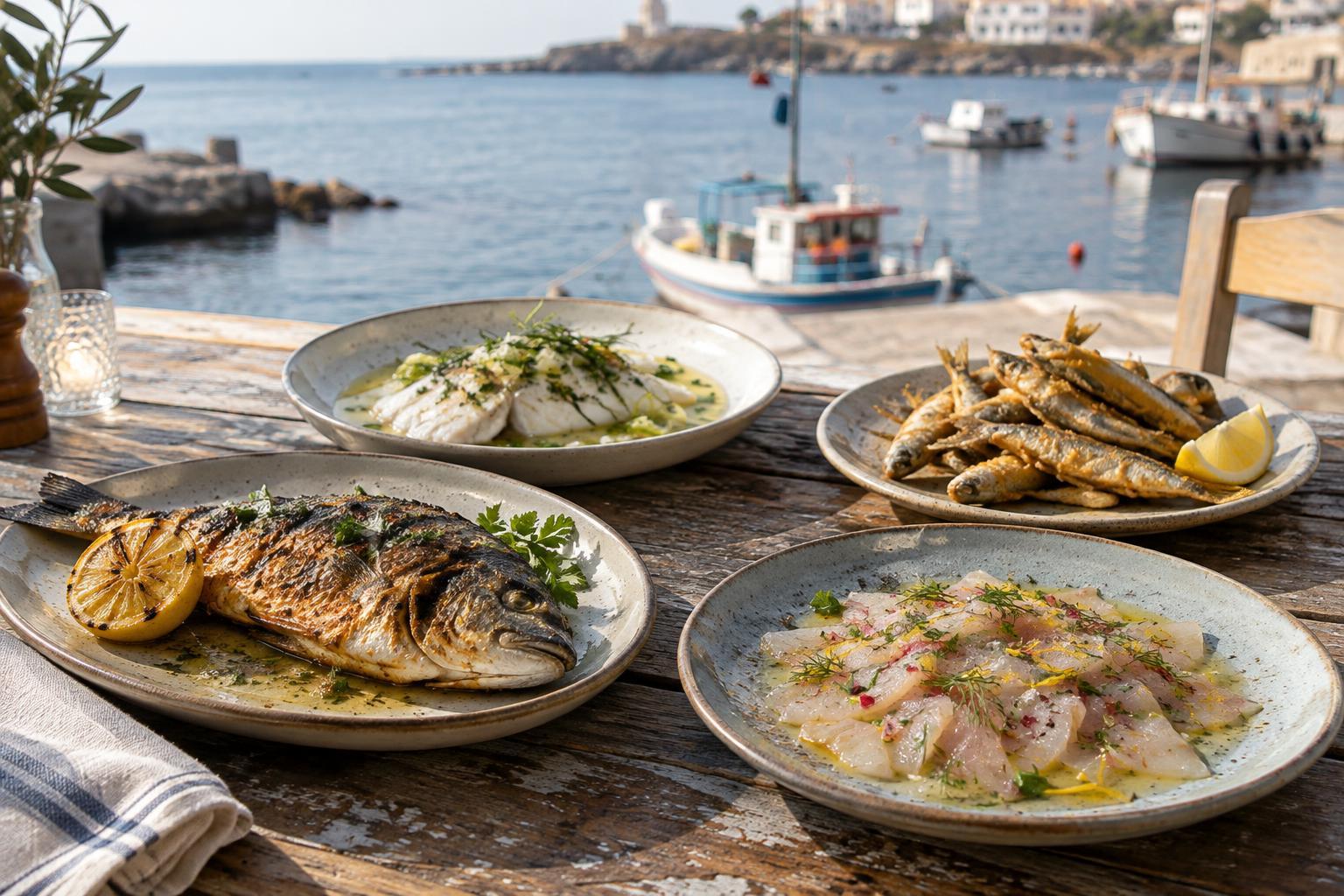
A seaside menu may offer a whole fish from the grill, shellfish cooked in their shells, crisp fried pieces and something described as cured. These are more than different presentations of the same ingredient. Heat, moisture, fat, salt and acid each affect seafood’s texture and flavor. Understanding those effects makes it easier to order thoughtfully, especially when a menu names a preparation but says little about the finished dish.
Seafood is delicate compared with many meats, so a change in cooking time can be easy to notice. A lean fish may turn dry if left over strong heat, while a richer one may stay pleasantly moist. Shellfish, too, can go from tender to chewy. Species, size and freshness matter, as do sauces and seasonings, but the cooking method gives you a useful first clue about what to expect.
Grilling brings contrast and char
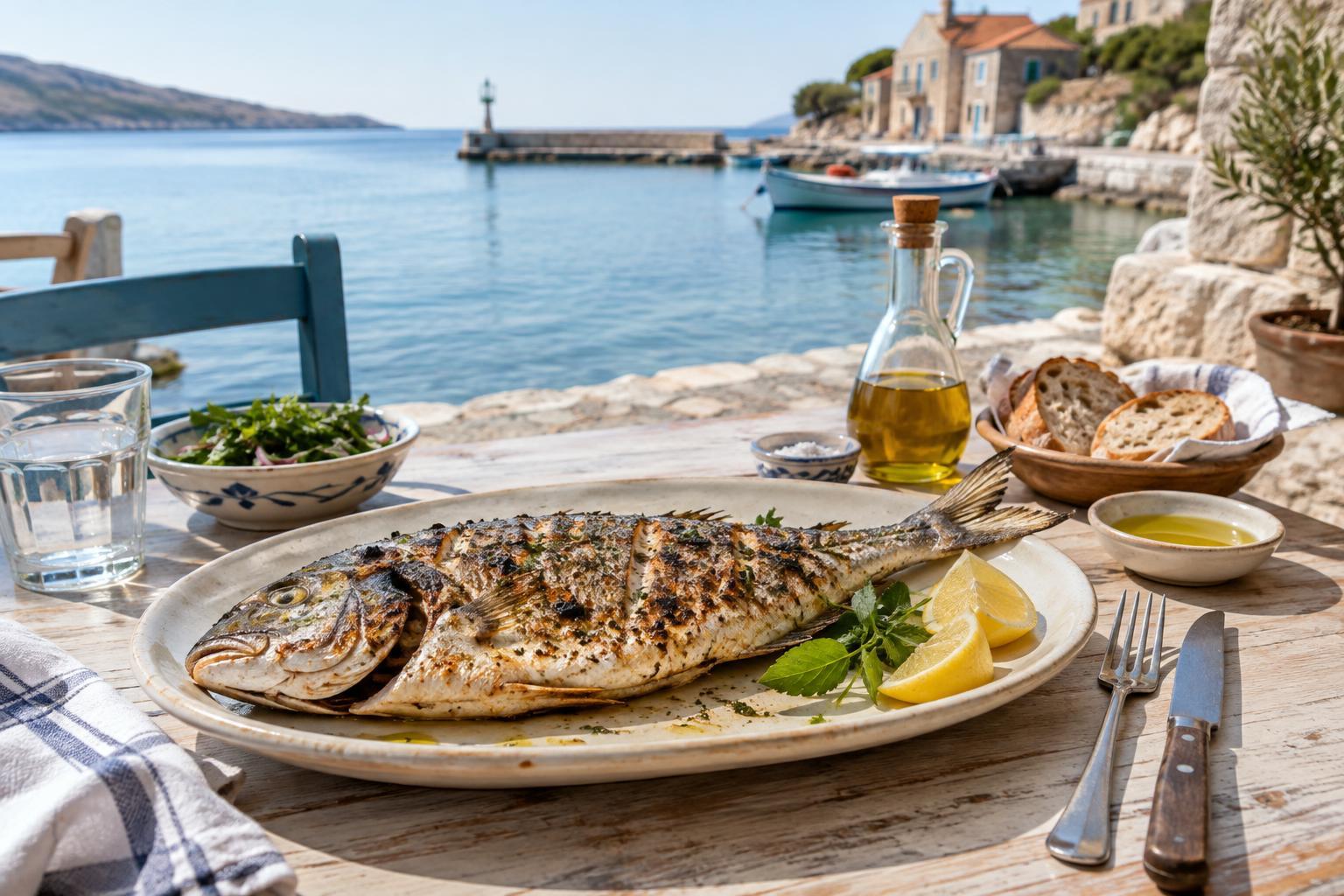
Grilling exposes seafood to direct, fairly intense heat. The outside may brown or char in places while the interior remains soft and moist. That contrast is part of its appeal: a little bitterness or smokiness on the surface can balance the sweetness of fish or shellfish. A whole fish may be grilled with its skin on, which helps protect the flesh and can become crisp where it meets the heat.
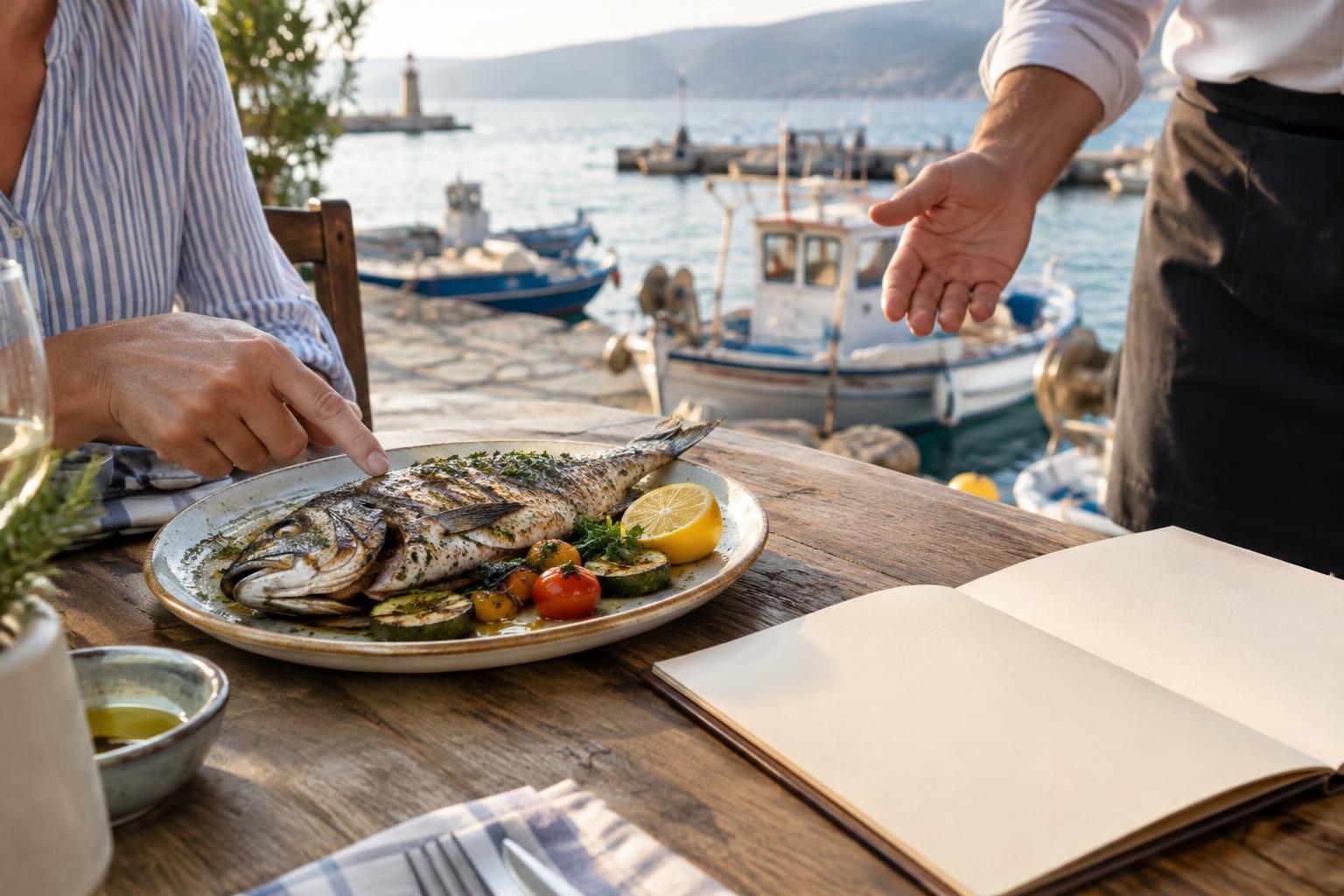
At a coastal restaurant, ask whether grilled fish arrives whole or filleted if that affects how you like to eat. A whole fish can be rewarding to share, but it takes some care around the bones. Simple accompaniments, such as lemon, herbs or a lightly dressed salad, let the flavor of the seafood come through. If you prefer a gentle texture without browned edges, steaming may be a better choice.
Steaming keeps the flavors gentle
Steam cooks seafood with moist heat rather than direct contact with a hot pan or grill. It does not create a browned crust, so the result often tastes cleaner and feels softer. Steaming can work especially well when a cook wants the seafood and its seasonings to remain distinct. Ginger, herbs, aromatics or a light sauce may perfume a dish without covering it.
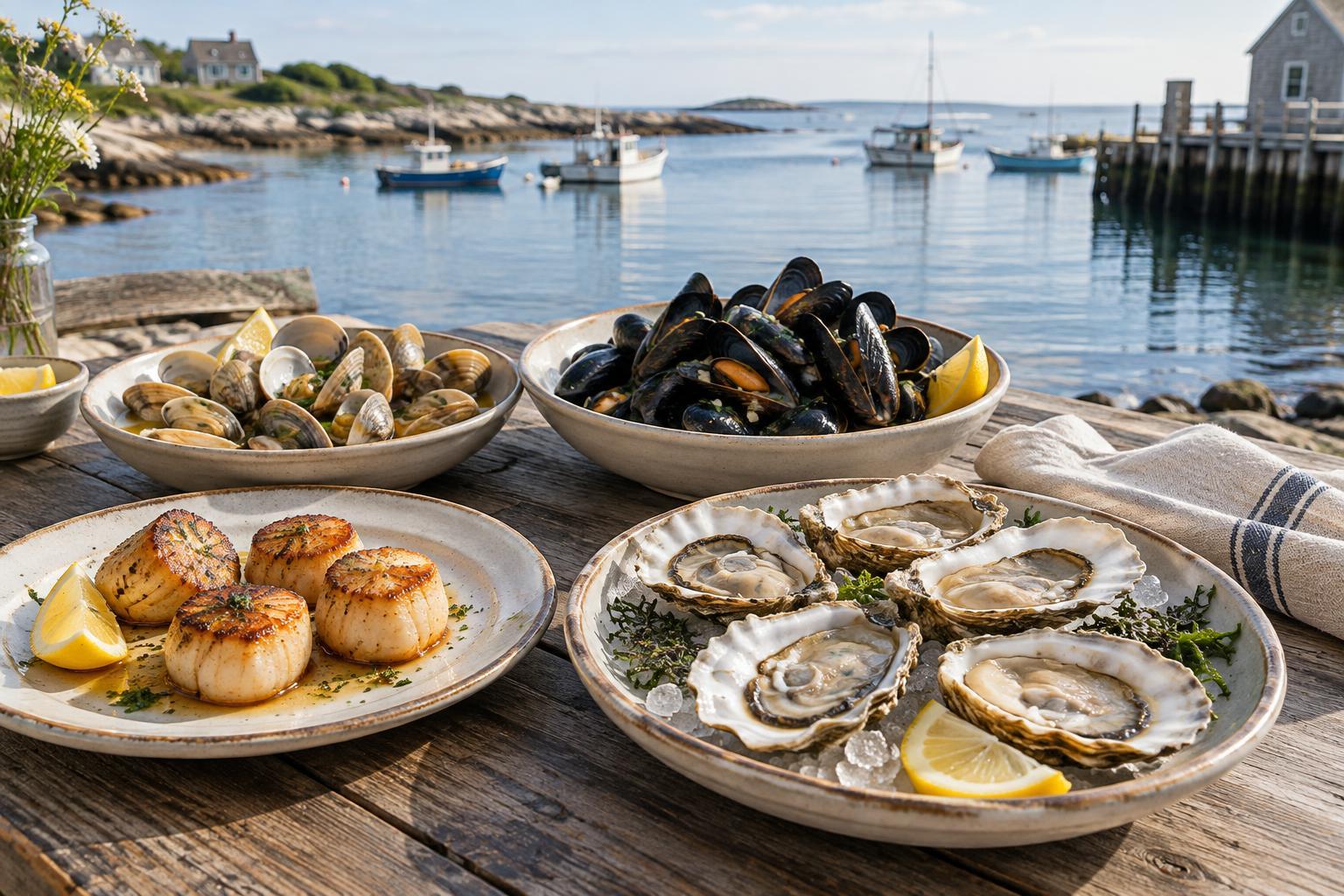
Shellfish are often steamed just until their shells open, then served with some of the flavorful liquid from the pot. Fish may be steamed whole, in fillets or in a parcel that holds in juices. Because the method is relatively restrained, small differences in seasoning stand out. Take a first bite before adding more salt or citrus: the cooking liquid or sauce may already provide plenty of both flavor and moisture.
Frying adds crunch and richness
Frying surrounds seafood with hot oil, producing a crisp surface while cooking the inside quickly. A thin coating can leave the character of a small fish or shrimp easy to recognize; a thicker batter creates more contrast between crunchy exterior and tender center. Fried seafood is often served with something sharp or fresh to cut through its richness, from a squeeze of citrus to a simple pickle.
The finished texture depends on more than the seafood itself. Piece size, coating and the cook’s control of the oil all play a part. Fish with a delicate flavor can become a satisfying, hearty meal when fried, but the coating and condiments may be as prominent as the fish. If you want to compare the taste of an unfamiliar local catch, try a simply prepared portion before choosing a heavily battered version.
Curing changes seafood without cooking it in the usual way
Curing uses ingredients such as salt, sugar or acid to change seafood’s texture and flavor. Salt draws out moisture and can make flesh firmer and more concentrated in taste. In citrus-marinated preparations, acid alters the proteins, making the surface look opaque and feel firmer. That visual change is not the same as cooking with heat. Traditions vary widely, so it is worth asking how a dish is prepared rather than assuming that every item called cured is alike.
Cured seafood can be bright, silky, chewy or quite salty, depending on the ingredients and time involved. It is particularly interesting alongside plain bread, vegetables or other mild foods that give its concentrated flavor room to shine. Because salt or citrus does not reliably remove every food-safety risk, choose a reputable place that handles seafood carefully. If you need to avoid raw or lightly processed seafood, ask how the dish is made and select a fully cooked option instead.
The best method is ultimately the one that suits both the seafood and your appetite. On a slower coastal trip, try noticing one detail at a time: the char on a grilled skin, the broth around steamed shellfish, the lightness of a fried coating or the firmness of a cured slice. Those small observations turn a meal into a way of understanding how a place cooks by the sea.