Why order fish whole?
At a coastal restaurant, a whole fish often makes the meal feel connected to its setting. You can see its size and shape, and share it with someone across the table. Keeping the fish intact also makes it easy for a kitchen to grill, roast or steam it without cutting it into portions first. None of this means a whole fish is automatically a better choice than a fillet. It is simply a different way to eat, with a little more to notice and a few bones to navigate.
If you are curious but uncertain, start with a modest-sized fish and allow time for the meal. You do not need to know the name of every species or master a special table ritual. A few clear questions when ordering, followed by a patient approach once the plate arrives, will take you most of the way.
Ask before you order
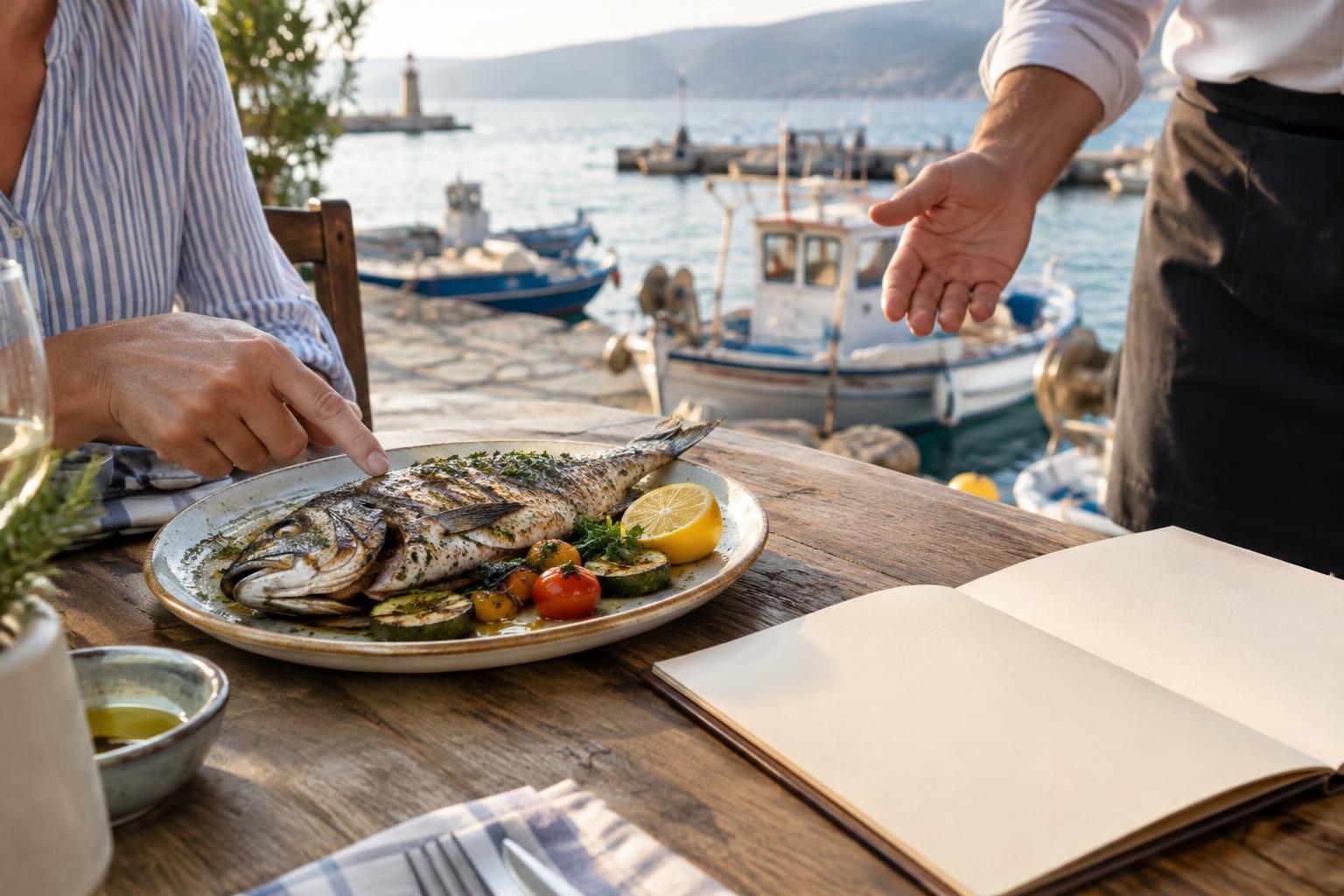
Menus may list a fish by species, cooking method or the day’s availability. Begin with the practical details: Is the fish served whole, and is the listed price for one fish, for a portion or by weight? If it is sold by weight, ask for an approximate total before it goes to the kitchen. Check whether it is suitable for one person or better shared, and what comes with it. These questions prevent surprises without turning dinner into an interrogation.
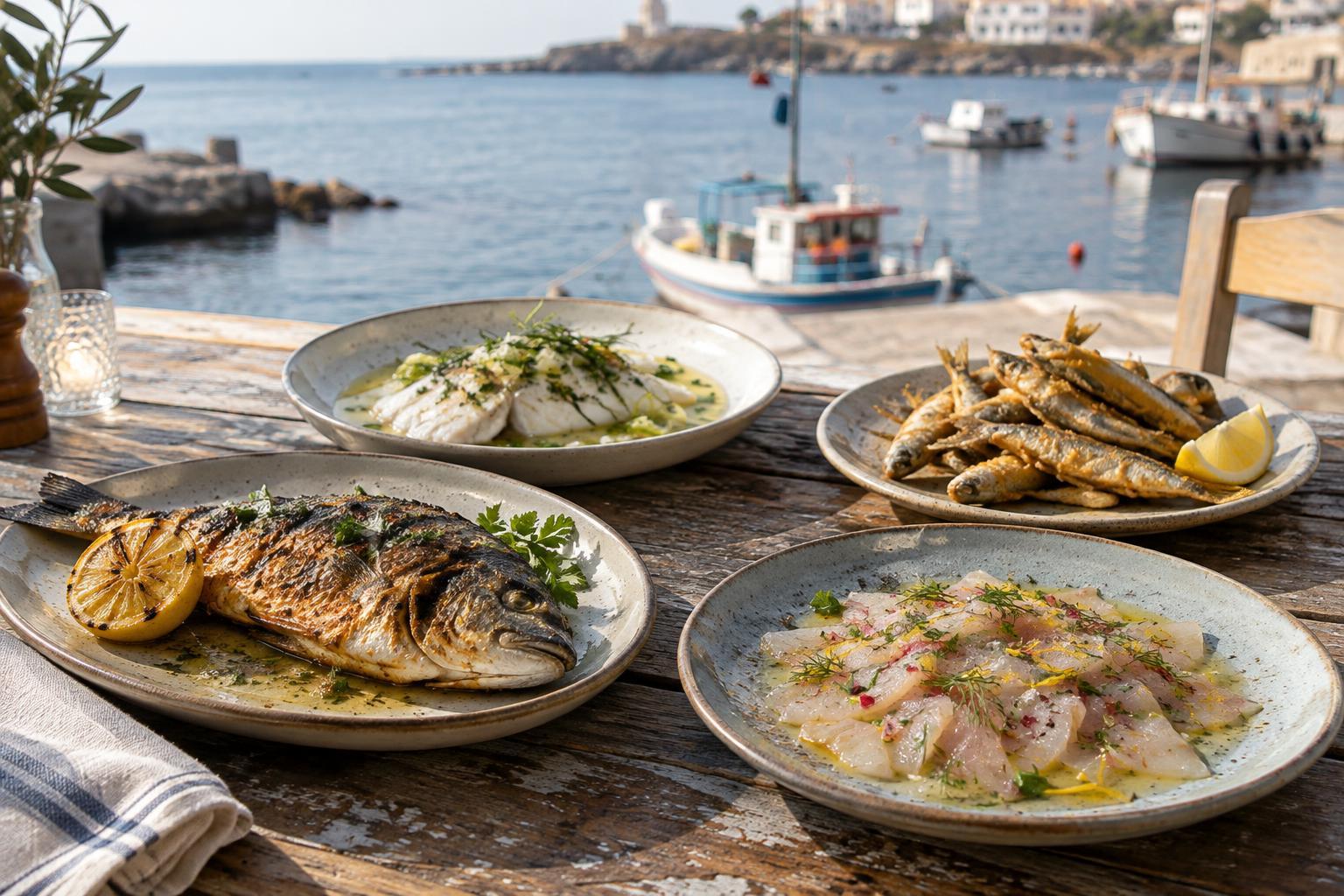
Ask how the fish is prepared if the menu does not say. Grilling may bring a lightly charred skin; steaming tends to put the fish’s delicate texture at the center of the plate. Sauces, herbs and spice levels vary widely, so it is worth asking what will arrive alongside it. If you would rather not deal with the head or bones, ask whether the kitchen can remove them or serve the fish as a fillet. The answer may depend on the restaurant and the dish.
You can also ask what the kitchen recommends today, while remembering that names and availability vary from place to place. If a fish is unfamiliar, asking how it tastes and whether it has many small bones is more useful than pretending to recognize it.
Find your way around the plate
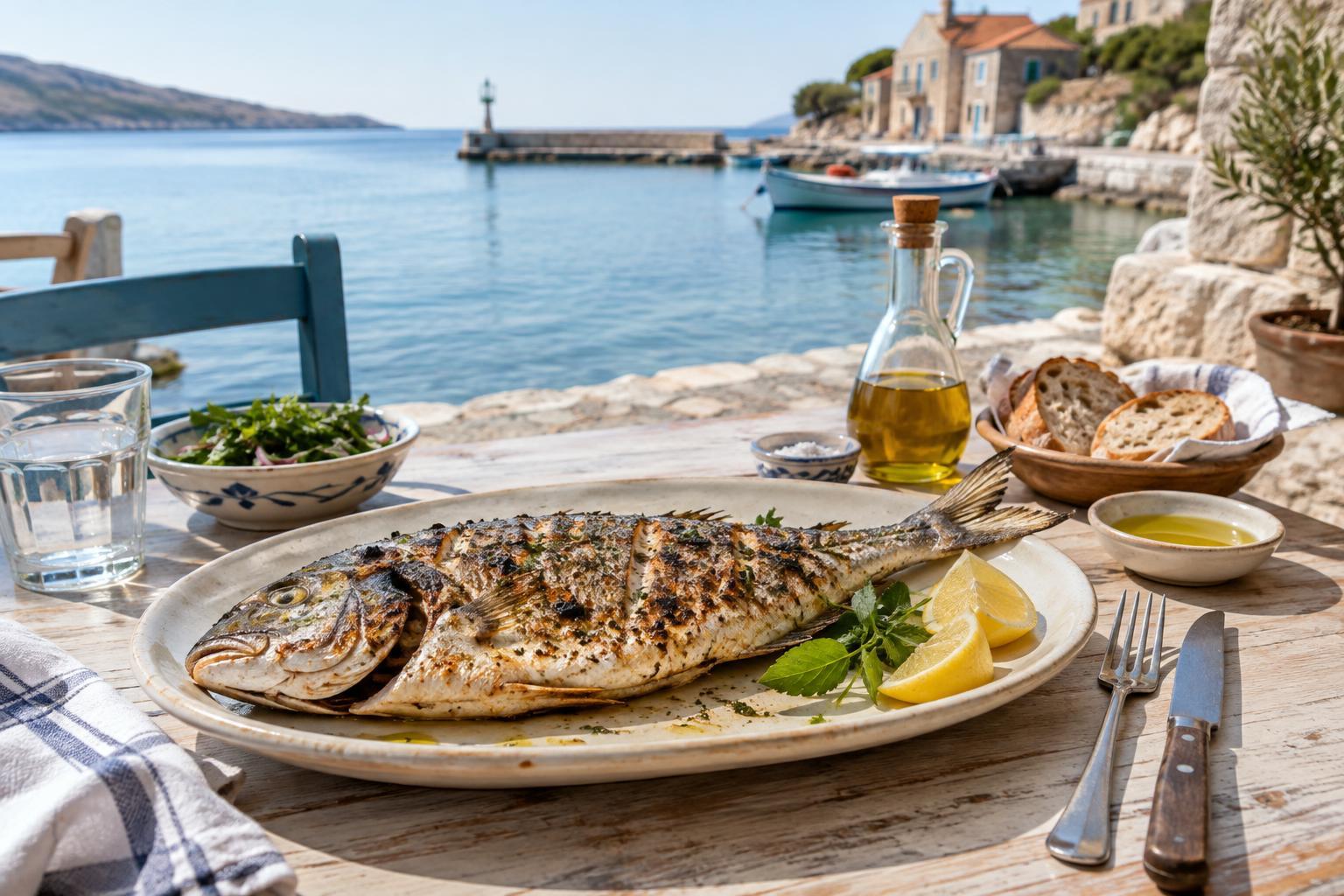
Once the fish arrives, look for the line running along the middle of its side. The flesh sits on either side of a central backbone. Use your fork to steady the fish and your knife or spoon to gently lift a little flesh away from that line. Work in small bites rather than trying to carve the entire fish at once. Keep an eye out for fine bones, especially near the edges, and set any you find to one side of your plate.
After eating the upper side, you can lift away the backbone to reach the flesh underneath. It may come away neatly; if not, take your time and move it in sections. Another option is to turn the fish over carefully and eat the second side in the same way as the first. Use whichever method gives you the clearest view of the bones. If the restaurant has provided a serving spoon or offers to separate the fish for you, there is no need to decline the help.
Take small bites and check them before swallowing. Fish bones can be easy to miss when the table is lively or the sauce is generous. Slowing down is part of enjoying the dish, not a sign that you are doing it wrong.
Follow the meal, not a rulebook
Customs around whole fish differ between coastal communities, households and restaurants. In one place, a shared fish may be divided at the table; in another, each diner receives an individual plate. Some people prize the crisp skin or the tender flesh near the head, while others leave those parts alone. Watch how the meal is served, ask when you are unsure and let your hosts or dining companions set the pace if you are sharing.
Simple sides can help you appreciate the fish without competing with it. Try a bite on its own before adding sauce or citrus, then use the accompaniments as you like. If you are sharing, agree on how to divide the fish before one person starts lifting out the best-looking pieces. A relaxed question—“Shall we split this down the middle?”—is usually more helpful than an elaborate performance of etiquette.
Make room for the experience
Eating whole fish asks for a little attention, which can be a pleasure on a slower trip. It invites you to notice the cooking, the sides and the conversation rather than treating the meal as something to finish quickly. There may be a stray bone, an unfamiliar garnish or a moment when you need to ask for another plate. None of these spoils dinner.
Order with a clear idea of the price and portion, handle the fish gently, and eat at a pace that lets you spot bones. Beyond that, there is no single correct way to enjoy it. The most memorable part may be less about technique than about having time to sit by the water and make a meal of what is in front of you.