Four bivalves, many coastal traditions
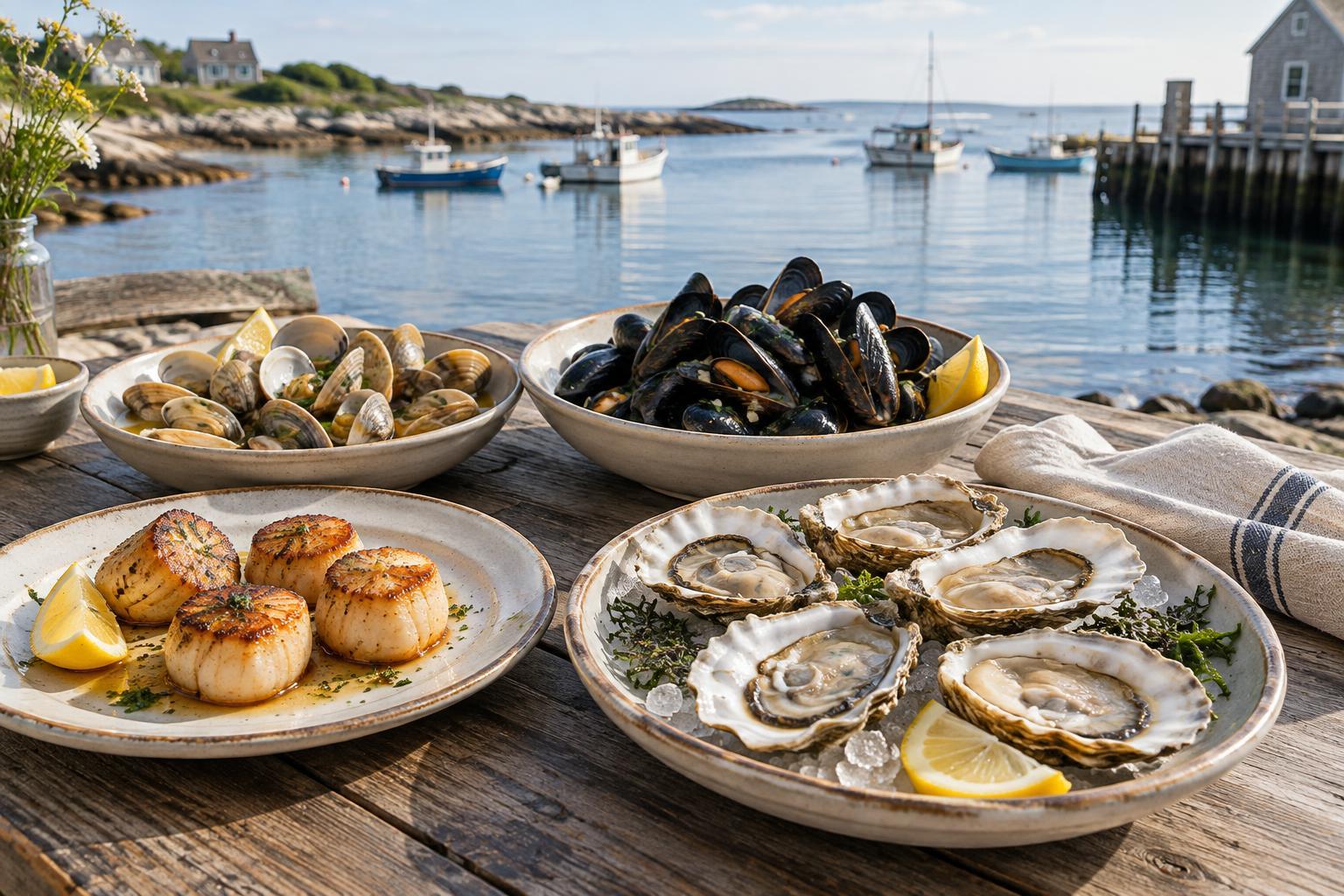
Clams, mussels, scallops and oysters are bivalves: animals protected by two hinged shells. That shared anatomy can make them seem interchangeable on a menu, but each offers a different eating experience. Even within one type, size, habitat and preparation can change the flavor and texture. A useful way to approach them is not to ask which is best, but what the cook is trying to bring out.
For travelers, shellfish can also be a way into the rhythms of a coast. A bowl of steamed mussels, a grilled scallop or a raw oyster may reflect different cooking habits and serving customs. Rather than assuming that a dish represents an entire region, look at the details: what accompanies it, whether it is meant to be shared and how the restaurant describes its source.
Clams and mussels: shells made for the table
Clams are a varied group, so the word alone tells you little about size or texture. Some are small and tender enough for a quick steam; larger ones may be chopped for soups, sauces or fritters. Their flavor is often gently briny, with a sweetness that becomes more noticeable when the cooking liquid is served alongside them. On a menu, the species or local name can offer a better clue than “clams” by itself.
Mussels are commonly served in their shells, steamed until they open and brought to the table with broth. Their soft flesh and savory liquor suit simple additions such as garlic, herbs, tomato or wine. Bread or another accompaniment often has a practical purpose: catching the flavorful liquid. As with clams, preparation matters. A heavily seasoned sauce may be the main event, while a plainer broth leaves more room to taste the mussels themselves.
Scallops and oysters: two different ways to savor the sea
Scallops are usually served as the round adductor muscle rather than as a whole animal in its shell. That gives them a distinct place among these four: their texture is meaty yet tender, and their mild sweetness responds well to a brief sear or grill. A browned exterior can contrast with a soft center. Smaller scallops may appear in soups or mixed seafood dishes, while larger ones are often presented more simply.
Oysters are frequently eaten raw, though they can also be grilled, fried or baked. A raw oyster has a delicate texture and a burst of liquid that makes its salinity especially noticeable. Descriptions such as mineral, creamy or sweet can be useful, but taste varies, and personal preference matters more than a tasting vocabulary. If you are curious, ask how the oysters are served before adding lemon or sauce; trying one plain first can help you notice its character.
How to read a shellfish menu
Start with the cooking method. “Steamed” suggests broth and a relatively gentle preparation; “grilled” or “roasted” may bring firmer edges and smoky notes; “fried” adds a crisp coating. Then consider what you want from the meal. Mussels or small clams can make a relaxed shared dish, scallops often arrive as a plated course, and oysters may be ordered a few at a time. These are patterns, not rules, so the menu description is your best guide.
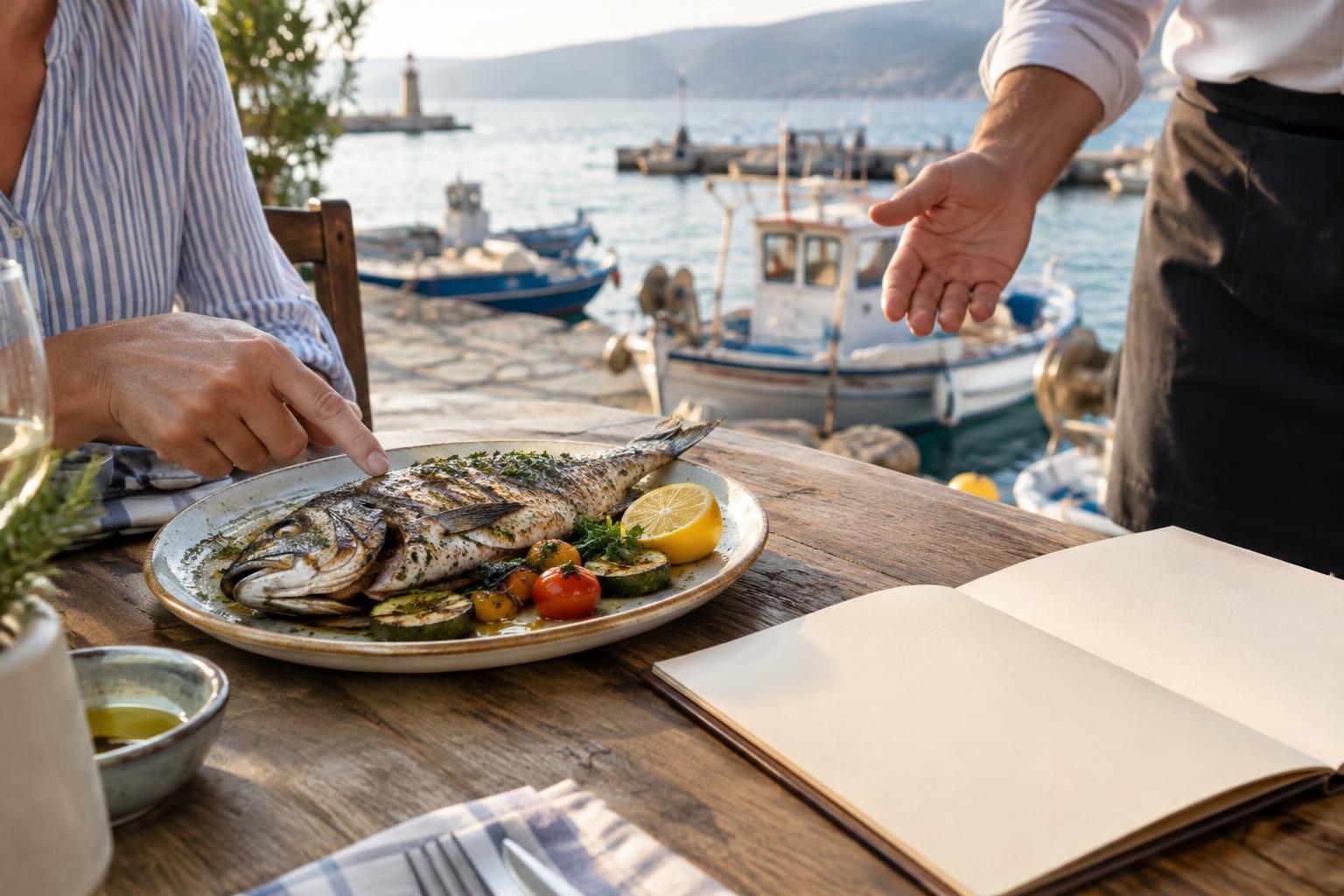
If a name is unfamiliar, a short question to the server can be more helpful than a quick translation. Ask whether the shellfish is served raw or cooked, how large the portion is and what comes with it. Where sourcing information is available, it is reasonable to ask where it came from. Answers may be specific or broad; either way, the conversation can help you choose a dish that fits your appetite and comfort level.
Enjoying shellfish thoughtfully
Shellfish calls for ordinary food-safety care, particularly when served raw. Choose an establishment you trust, and pay attention to its guidance about preparation and storage. People who need to avoid raw shellfish should choose a fully cooked option or another dish. If you have a shellfish allergy or a health concern, do not rely on a general menu description; ask about ingredients and preparation, and follow advice appropriate to your circumstances.
A low-tide walk may make gathering shellfish look tempting, but harvesting is different from ordering dinner. Access rules, protected areas and water-quality advisories vary by place, and an attractive shore is not proof that its shellfish are safe to eat. Unless you know the local rules and current guidance, leave them where they are. Tasting a coast through its kitchens—and asking a few thoughtful questions—offers a slower, more informed way to explore.