The coast is a set of connections
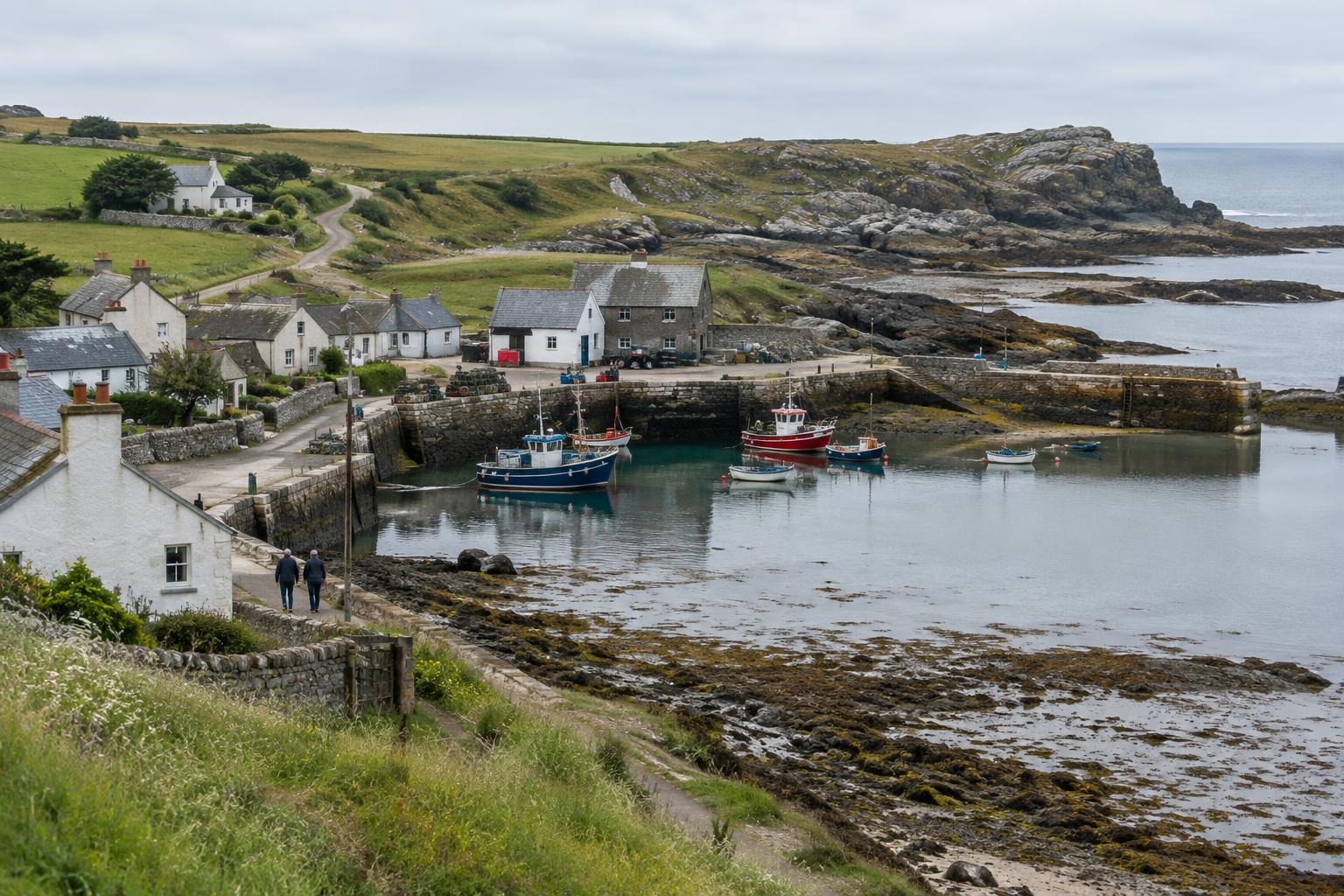
From a distance, a coast can look like a simple line between land and sea. For the people who live beside it, that line may be a working space, a travel route, a place to meet and a boundary that changes with the tide. A sheltered inlet offers different possibilities from an exposed beach; a town with a road inland has different options from one reached mainly by boat. Geography does not determine a community’s culture, but it helps shape the choices people make each day.
Those choices also depend on history, public services, livelihoods and who has access to the shore. A visitor may see fishing boats and assume that fishing defines the whole place, while residents may work in schools, shops, care services or offices. Paying attention to the landscape is a useful beginning, not a complete explanation of local life.
Routes and rhythms follow the water
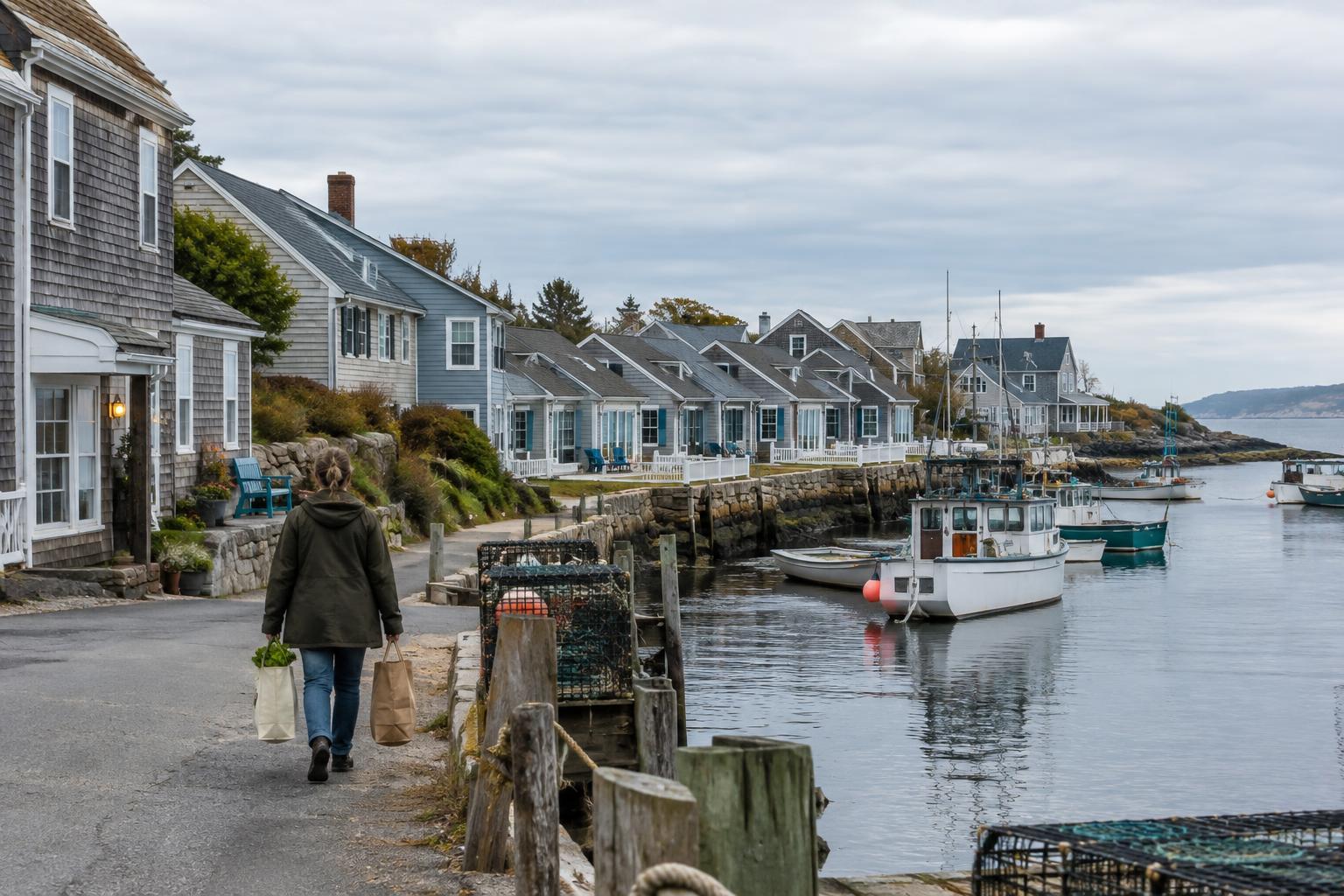
Where the sea is a practical route, everyday plans may depend on ferry schedules, landing places and conditions on the water. A crossing that looks short on a map can still require time at either end to reach a pier or connect with another form of transport. In some places, a harbor draws shops and meeting places toward it; elsewhere, roads and public spaces face inland because the waterfront is steep, exposed or hard to reach.
Tides add another kind of timetable. They can affect access to a beach, a small landing or a shore path, even when the rest of the day appears calm. People who use these places regularly learn which routes suit particular conditions. For travelers, checking local access information and leaving room in an itinerary for changed plans is more useful than assuming the shortest route will always be available.
Shelter, weather and the shape of shared space
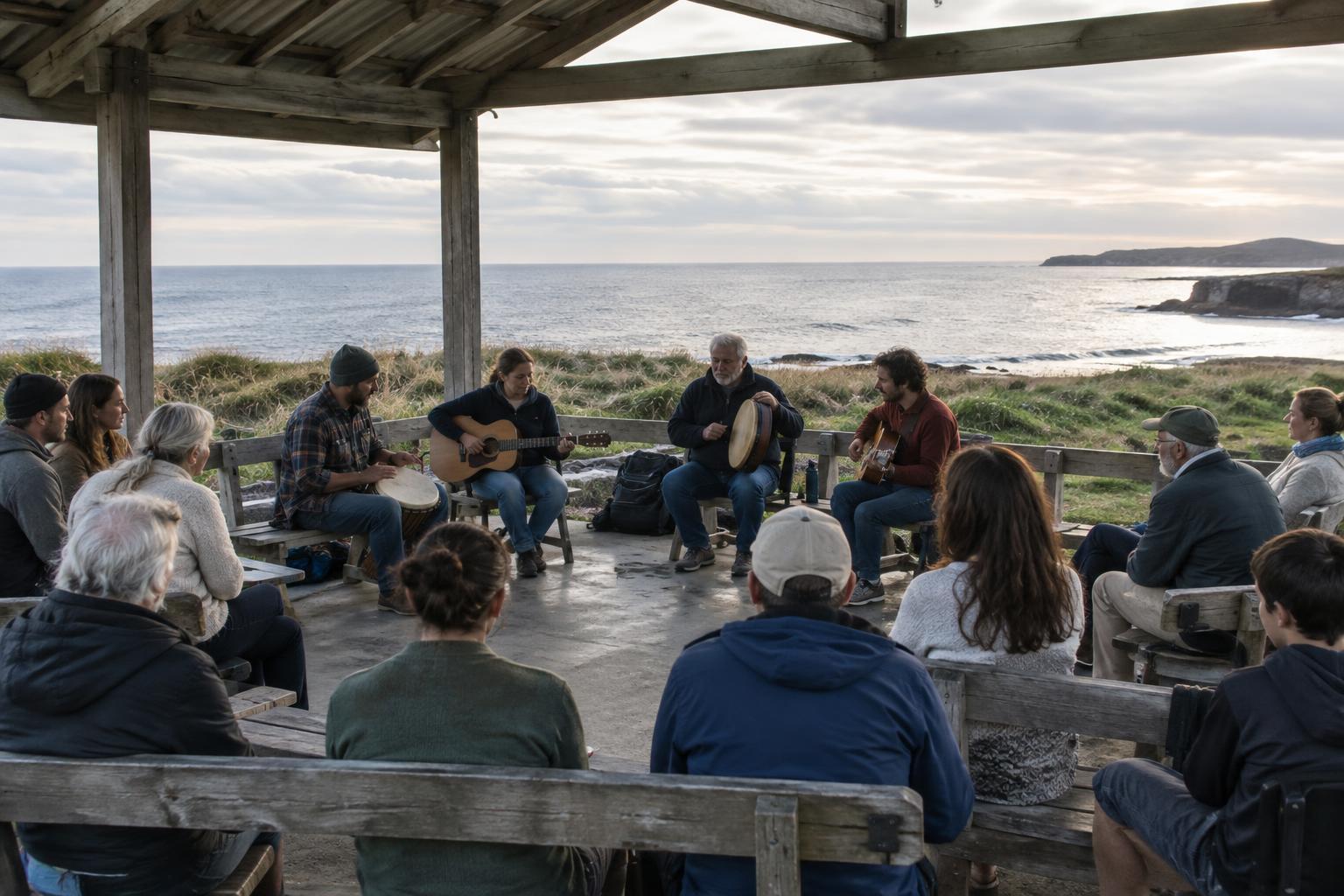
Coastal settlements often make visible compromises with wind, spray, sun and rain. A street may sit behind dunes or buildings; a gathering place may occupy a sheltered square rather than the most dramatic viewpoint. Walls, covered entrances and places to dry outdoor gear can be ordinary responses to exposure. The details vary with climate and building traditions, so it is worth asking what a feature does before treating it as decoration.
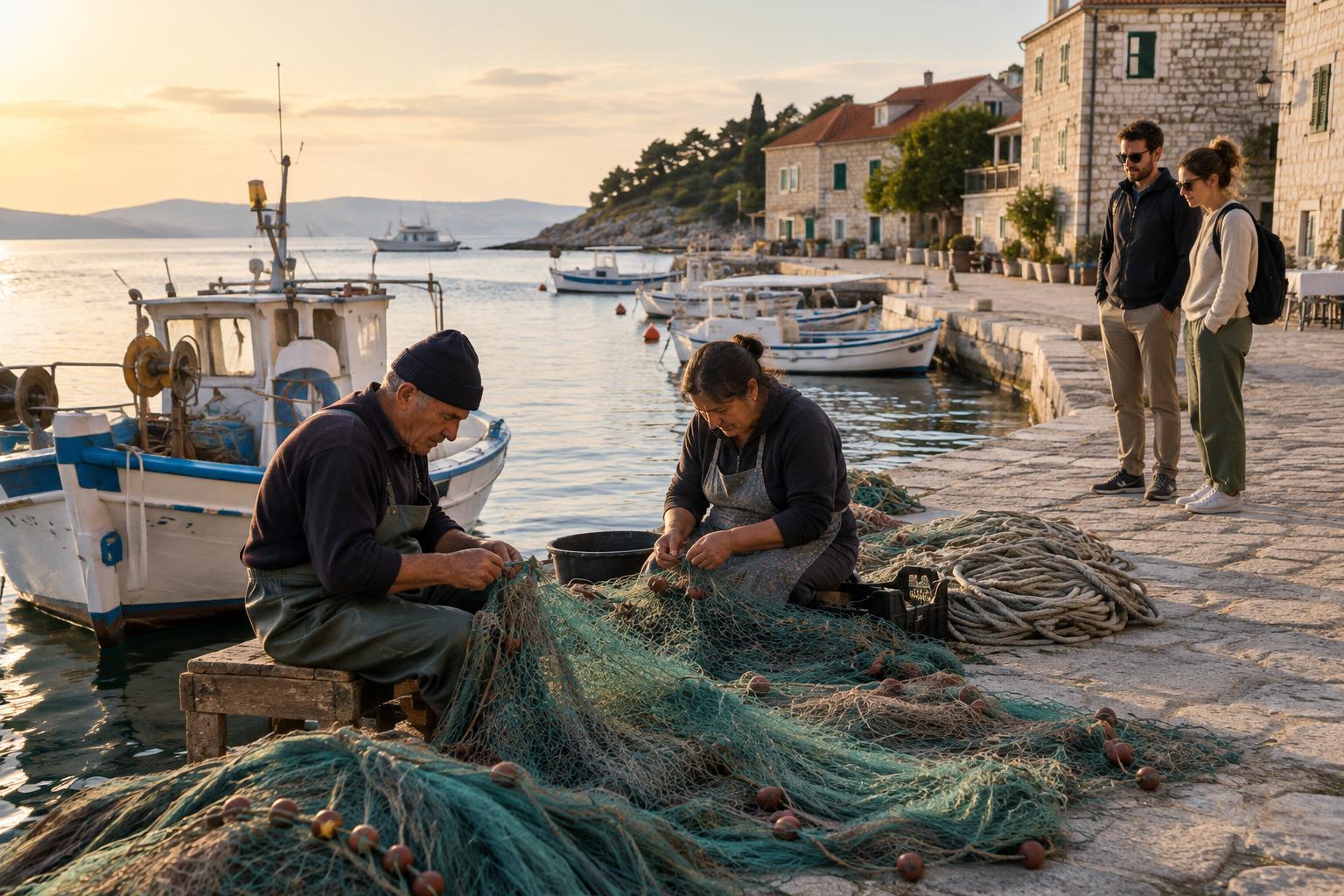
Shared spaces can also change character through the day or across the seasons. A waterfront may be busy with arrivals at one hour and quiet at another. A path that serves residents on routine errands might also attract visitors seeking a scenic walk. Noticing these overlapping uses helps a traveler move considerately: keep access clear, follow signs near working areas and remember that a photogenic quay may also be someone’s workplace.
What reaches the table
The sea can influence food traditions, but a coastal meal is not necessarily a seafood meal. Local cooking may draw on gardens, farms, preserved ingredients and goods brought along trade routes. Where seafood is part of everyday eating, what appears on a menu can reflect available species, fishing practices, seasonal patterns and the skill of preserving a catch. A bay’s calm water or a nearby open coast may support different kinds of work and different habits in the kitchen.
Food also reveals how a place connects beyond its shoreline. A dish made from ingredients that arrived by boat generations ago may feel thoroughly local today. Rather than searching for one supposedly definitive taste of the coast, ask what people enjoy eating and how a dish fits into ordinary life. Markets and small food businesses can offer glimpses of those connections, though their offerings should not be taken as a complete portrait of a community.
Reading a place without reducing it to its setting
A thoughtful walk can start with a few questions. Where is it easy to reach the water, and where is it difficult? Which spaces are designed for boats, pedestrians or vehicles? Is there a sheltered place where people pause, or a route that links the shore to homes and services inland? These observations can make the relationship between geography and daily life easier to understand without turning residents into part of the scenery.
The most important question may be whose experience the landscape makes visible. A harbor can be a source of work, a place of recreation and an obstacle to access, depending on the person. Coastlines change, and communities adapt in ways that may not be apparent on a brief visit. Treat the shore as a starting point for curiosity: notice its practical details, respect local routines and allow the people who live there to be more complex than the view.