A coastline is more than a view
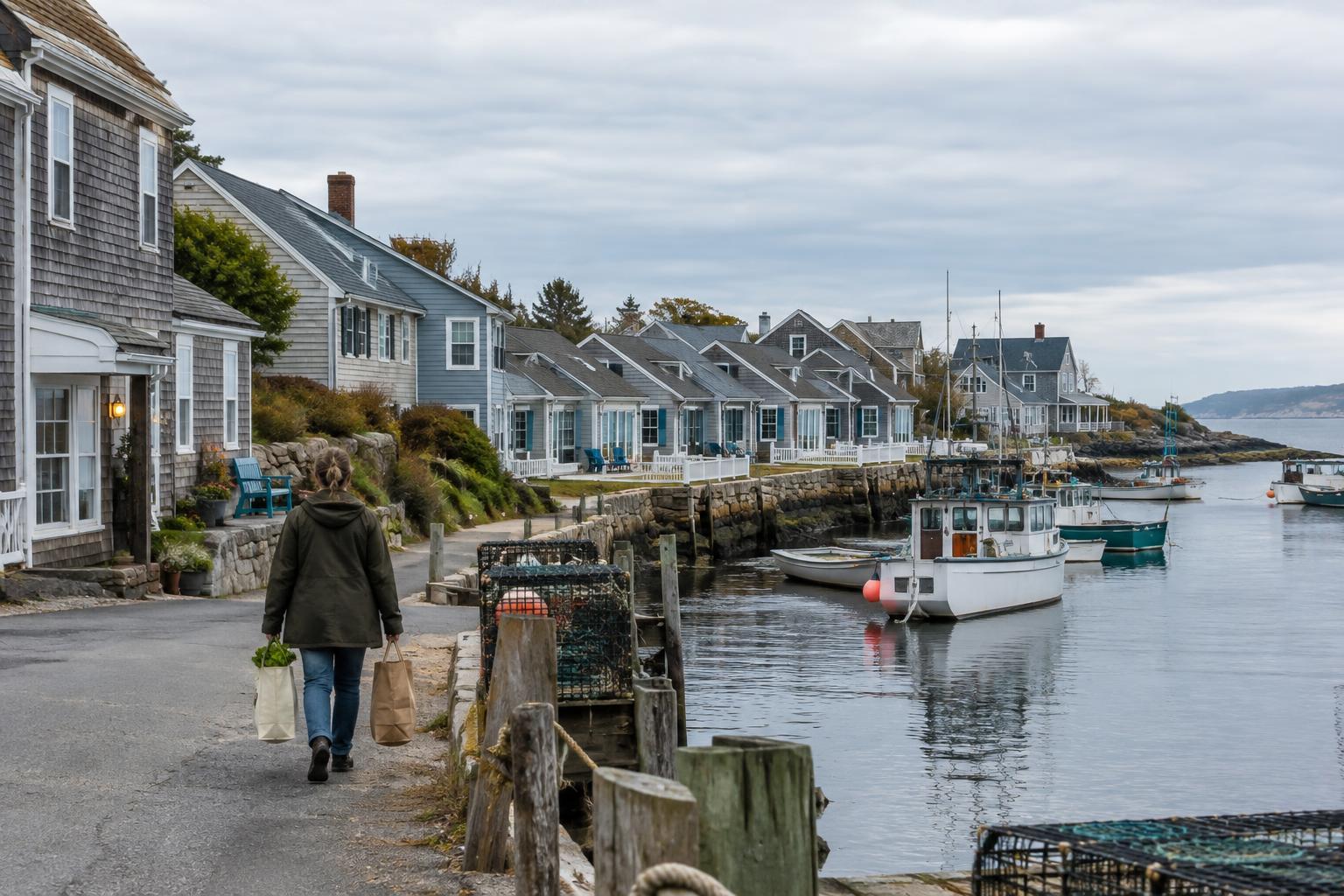
To a visitor, a harbor may be a place to watch boats come in. To someone who grew up beside it, the same stretch of water may hold a web of names and memories: where a relative learned to row, which path people took to a former landing, or why a headland has a particular name. Stories connect visible places to experiences that a map cannot show.
Coastal identity is not a single tradition handed down unchanged. People move, livelihoods shift, and storms or new construction can alter familiar ground. Storytelling gives residents a way to describe both continuity and change. A tale about an old ferry crossing might preserve a memory of how neighbors depended on one another, while a newer account might explain what that crossing means to people who arrived later.
Place names hold local knowledge
Names for coves, channels, rocks and paths can work like small archives. They may recall a feature of the shore, a kind of work once done there, or an event that mattered locally. The meaning is not always obvious from the words alone; often, it comes from hearing someone use the name while pointing across the water. Even when a name appears on a sign, the story behind it may live chiefly in conversation.
Such stories can also show that places have more than one meaning. A beach valued by visitors for its quiet may be remembered by residents as a working shore, a gathering place or a route between homes. Different generations may use different names for the same spot. Listening to those differences, rather than trying to settle on one definitive version, offers a fuller sense of how people relate to the coast.
Work, food and family give stories their shape
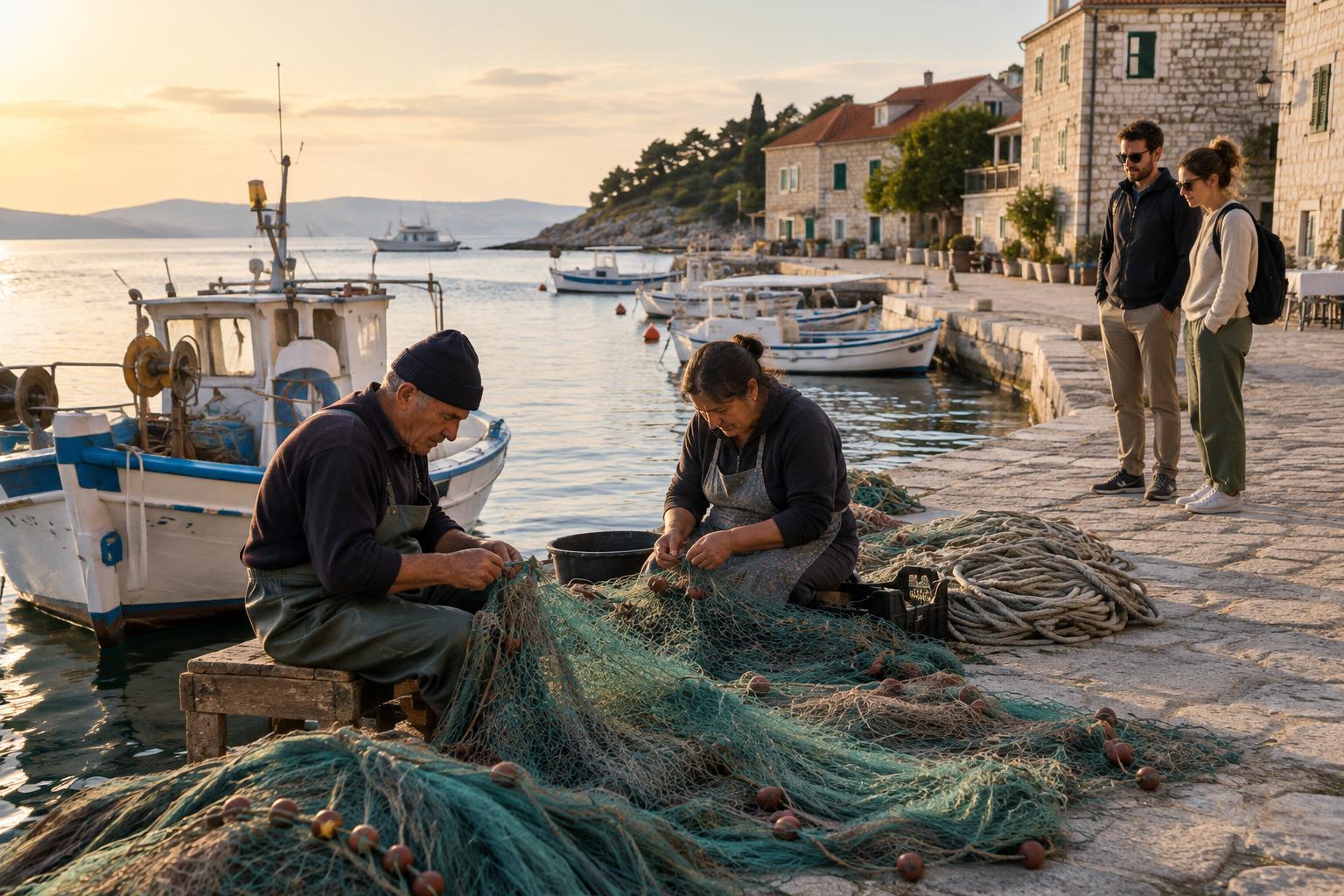
Many coastal stories begin with practical tasks: preparing a boat, reading the weather before a short crossing, mending gear, collecting food or making a meal from what was available. Told over a table or on a walk, these accounts can pass along vocabulary and skills as well as memories. They also make room for humor, mistakes and the ordinary routines that formal histories may leave out.
Food traditions are especially rich with stories because recipes rarely travel alone. Someone explaining a fish dish might also describe who taught them to make it, when families served it, or how ingredients changed with the season. These details do not mean every household cooks alike. They show how people adapt shared practices to their own circumstances—and how a familiar taste can prompt a conversation about belonging.
Storytelling makes room for change
Coastal communities often have histories shaped by arrival and departure. Boats bring visitors, trade and new neighbors; younger residents may leave and return with different perspectives. Stories help people make sense of these movements without pretending that a community has a fixed identity. A resident’s account of a changing waterfront may sit alongside a newcomer’s account of learning its rhythms. Both can matter, though they come from different positions.
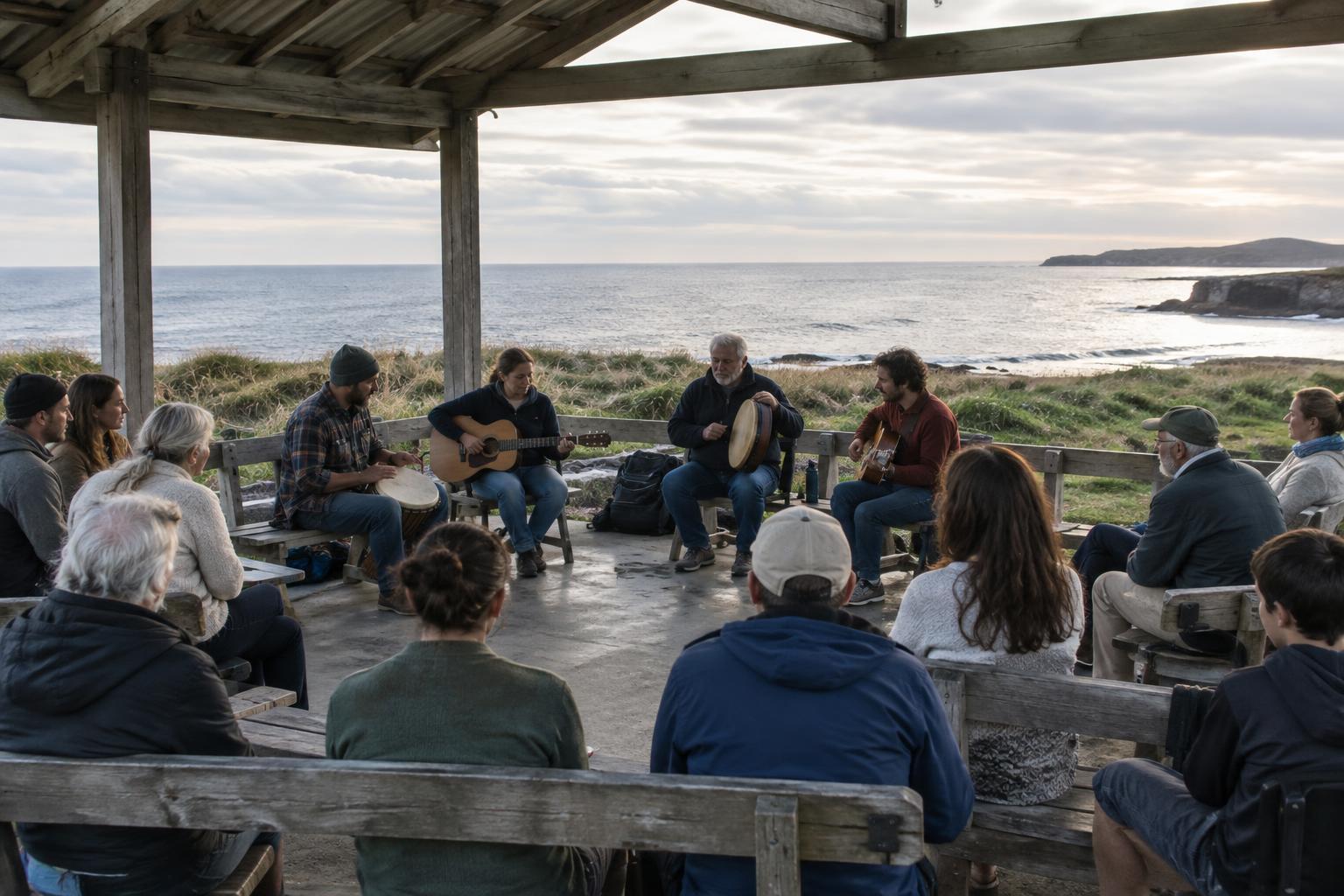
Community gatherings, local museums, school projects and family conversations can provide places to share memories. Recording a story may help it reach people who cannot hear it in person, but a recording cannot capture every gesture, question or disagreement that gives a telling its meaning. Stories stay alive when people can respond to them, add their own experiences and decide what they wish to share.
How to listen when you visit
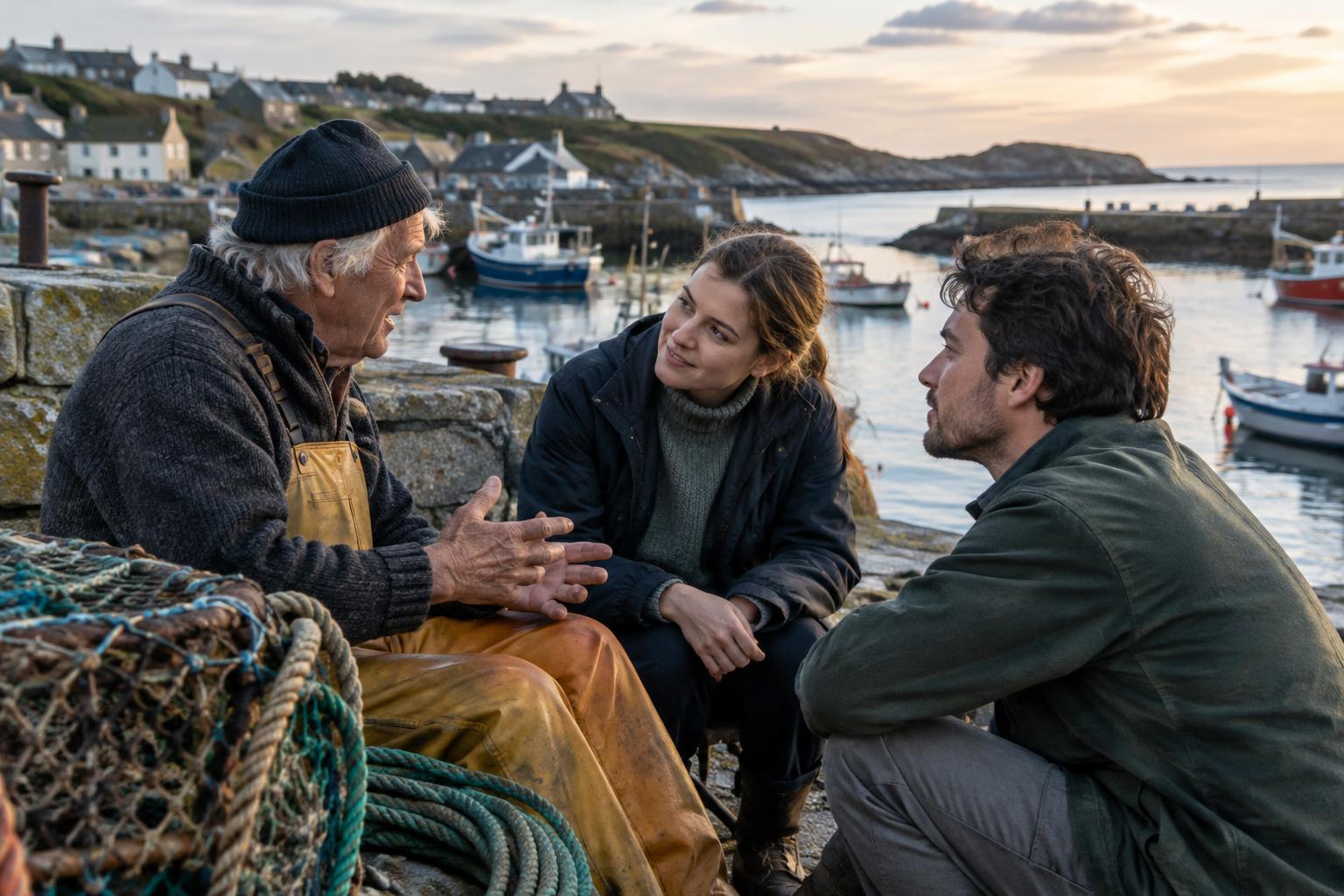
Travelers can encounter local stories through guided walks, small museums, food conversations and everyday exchanges. Start with curiosity rather than a request for a picturesque tale. Ask open questions, listen to the answer, and accept that some memories are personal or not yours to repeat. If you want to record a voice, photograph a gathering or share a story online, ask permission first and respect the response.
It also helps to notice whose stories are easiest to find. A polished visitor account may leave out people whose work happens behind the scenes or whose experiences complicate a familiar image of the coast. Seeking a range of local voices, and paying attention to who is speaking for whom, makes for a more thoughtful journey. The goal is not to collect a place’s identity in a few anecdotes. It is to leave with a better understanding of why its stories matter to the people who live there.