Start with the water beneath the boat
A fishing boat’s hull is a record of choices. Its shape may reflect how far it travels, what it carries, where it lands and how much water lies beneath it. No single feature tells the whole story: engines, materials, cost and local custom also influence a design. Still, looking closely at a working boat can make an unfamiliar shoreline easier to understand.
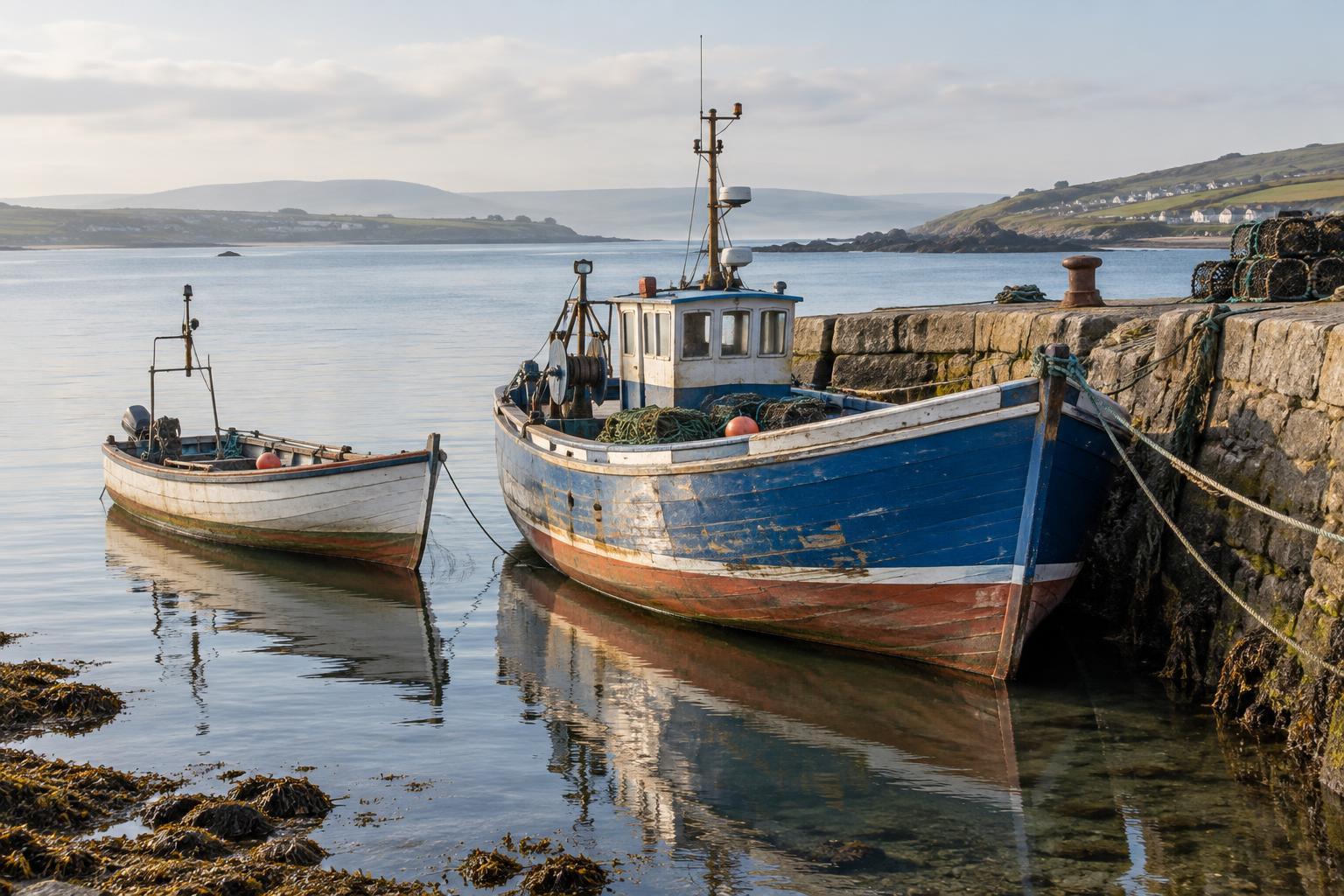
Draft is a useful place to begin. A shallow-draft hull can work in thin water and approach tidal flats, estuaries or gently sloping shores that a deeper boat might avoid. That access comes with trade-offs: a shape suited to sheltered shallows may be less comfortable in exposed, choppy water. Where boats regularly face open-sea conditions, deeper hulls may offer different handling and room for equipment, though their exact form varies widely.
Look at beam, bow and the work on deck
Beam, or width, affects both working space and how a boat behaves. A broad hull can provide room for sorting a catch or handling gear, as well as stability when people work near the side. But width alone does not guarantee a steady ride; the shape below the waterline, the boat’s load and the conditions all matter. A narrower boat may suit other priorities, including passage through confined channels or easier rowing, depending on its design.
The bow offers another clue. A pronounced bow may help a boat meet waves, while a flatter forward shape can make sense for a craft that approaches a beach or carries gear across an open working area. Notice where the crew can stand, how they reach the water and whether there is a sheltered space for tools or catch. Those details connect the hull to a sequence of tasks, not just a voyage.
The landing place can shape the boat
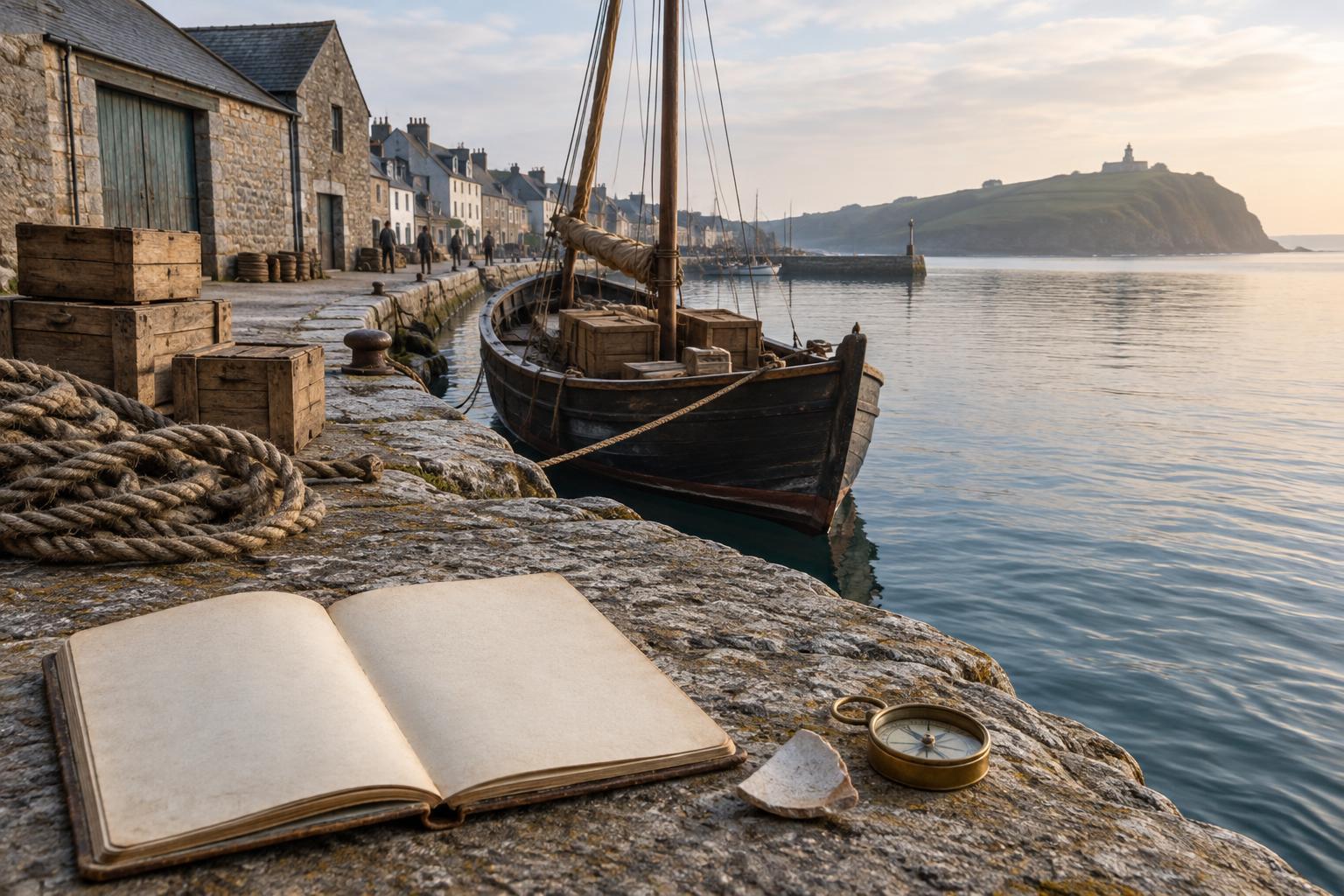
A boat does not exist apart from its shore. A harbor with quays, a tidal creek and a beach landing each place different demands on a vessel. Boats hauled up a shore may be kept small enough for the available people or equipment to move. A craft that returns to a sheltered quay can be arranged differently, with more fixed gear or a higher working deck. Even two nearby communities may favor different solutions if their landing places differ.
Look at the stern as well as the bow. Space and fittings at the back of a boat can reveal how it is steered, powered or worked, although later engine changes may alter the original arrangement. When boats are ashore, supports, rollers, ramps and mooring lines are part of the same story. They show how people manage the transition between water and land, a daily task that can influence design as strongly as the journey offshore.
Materials and repairs belong to the heritage
Wood, metal and fiberglass can all be found in working fishing fleets. Material choice may depend on available skills, repair facilities, cost and the jobs a boat must do. A familiar local hull form can survive a change of material, but it may also change as builders adapt construction methods. It is worth avoiding the idea that only an old wooden boat is a heritage boat: a newer vessel can carry forward local knowledge about water, gear and safe working habits.
Repairs make that knowledge visible. A reinforced edge, a replaced plank or a modified fitting may show how a boat has been kept useful. Such changes are not necessarily departures from tradition. For working crews, a boat must respond to practical needs, and designs evolve when fishing methods, engines or landing arrangements change. Heritage here is not a frozen shape; it includes the judgment involved in maintaining and adapting it.
How to read a working waterfront respectfully
On a coastal visit, compare several boats before drawing conclusions. Note which sit high or low in the water, how much freeboard separates the deck from the surface, and where gear is stored. Then look outward: Is the harbor shallow at low tide? Are boats beached or moored? Is the route to open water protected? These observations can suggest why a feature is useful, but they cannot confirm what a crew intends or how a vessel performs at sea.
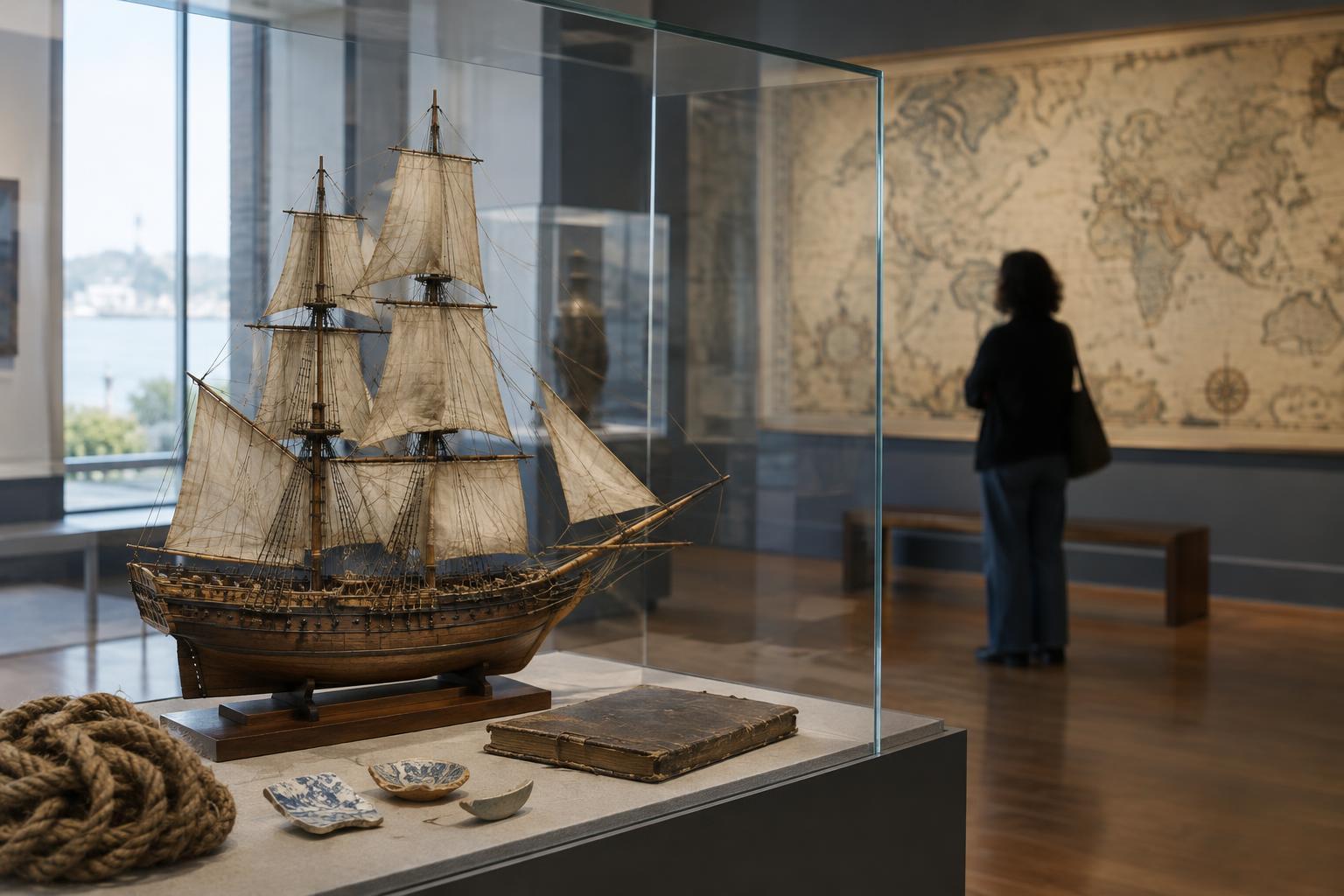
Working harbors are workplaces, not open-air exhibits. Keep access routes clear, avoid touching boats or gear, and ask before photographing people at work. Where a museum, builder or willing crew member offers an explanation, listen for the reasons behind a design rather than looking for one definitive type. The most rewarding question is often simple: what does this boat need to do here? Its hull may hold part of the answer.