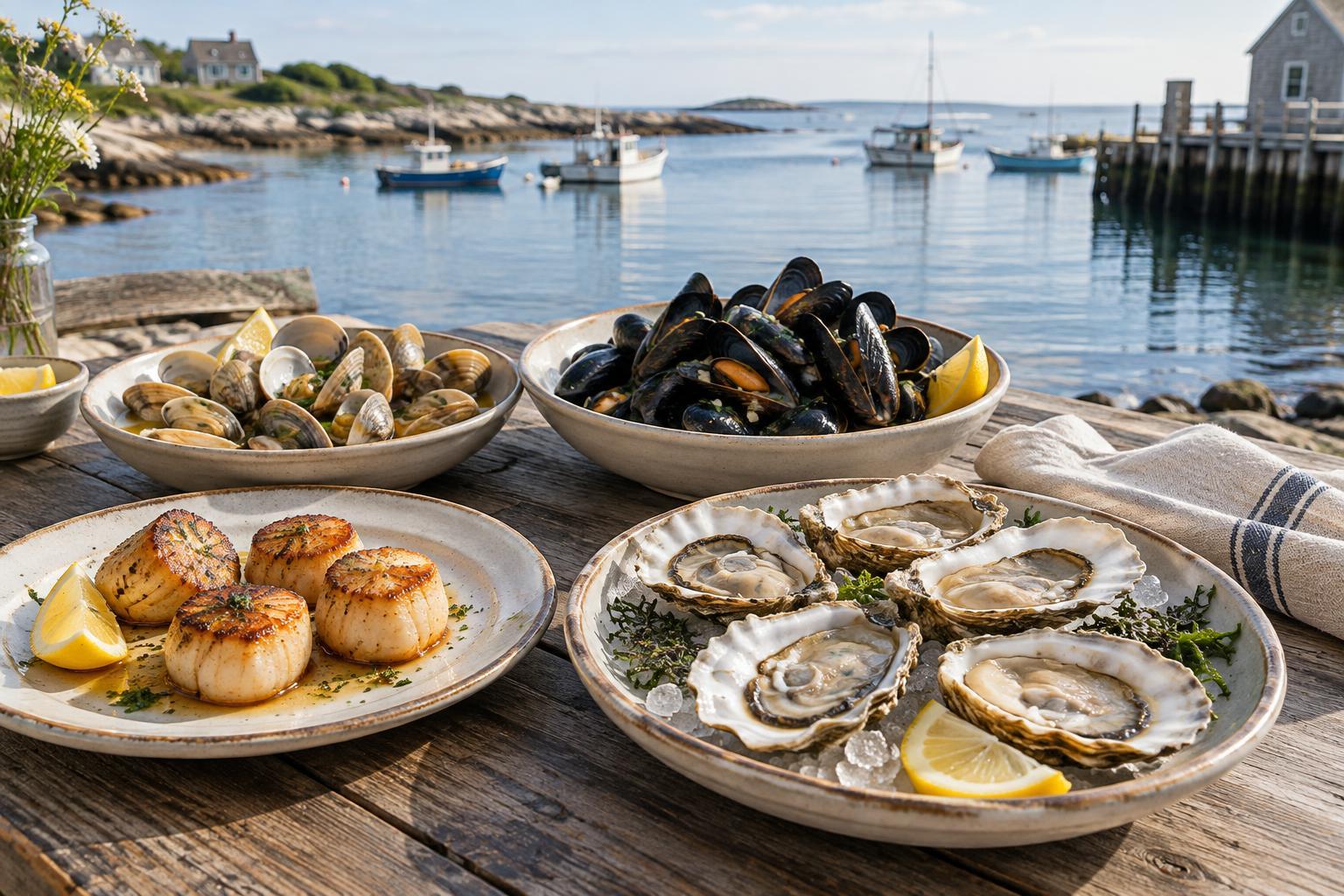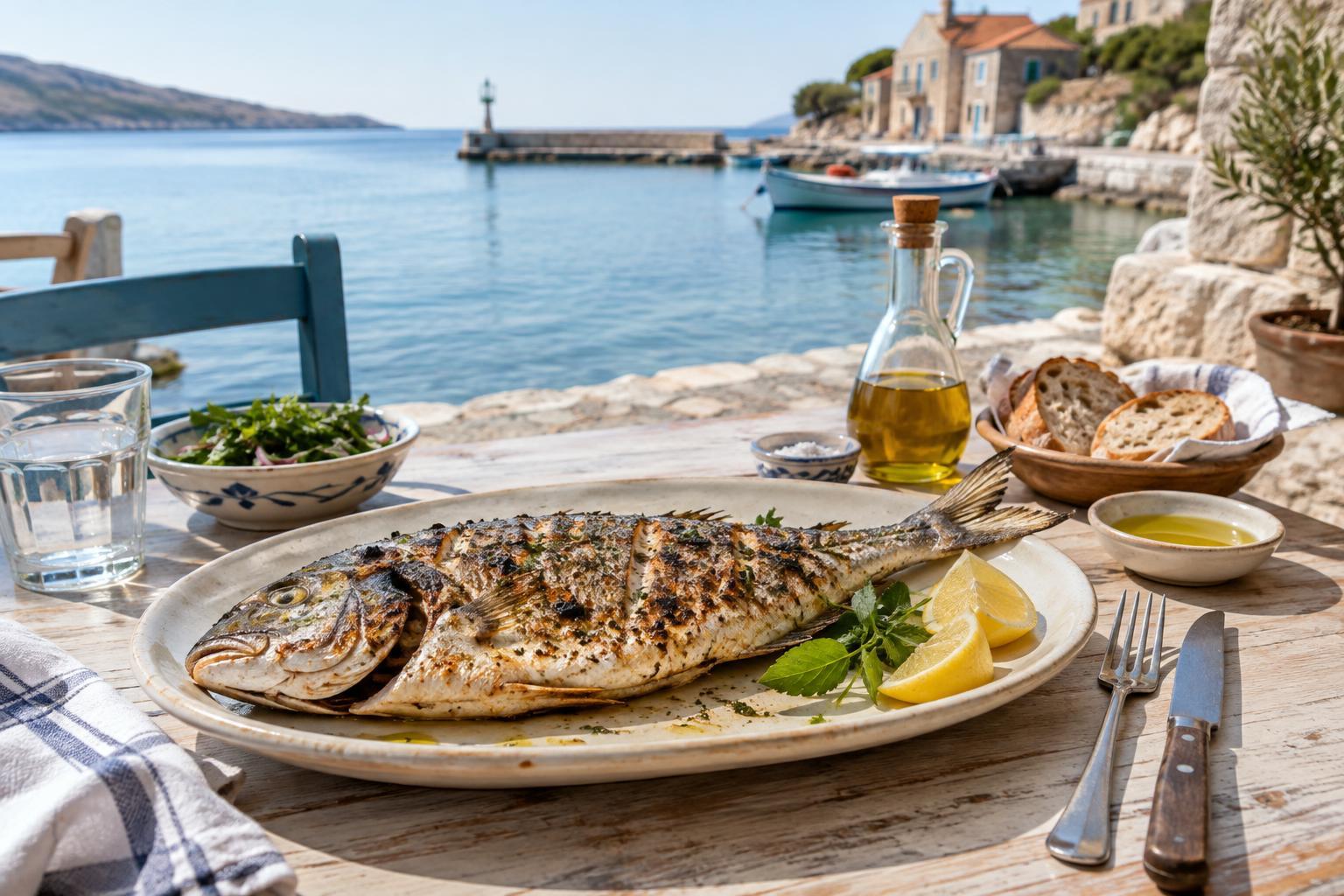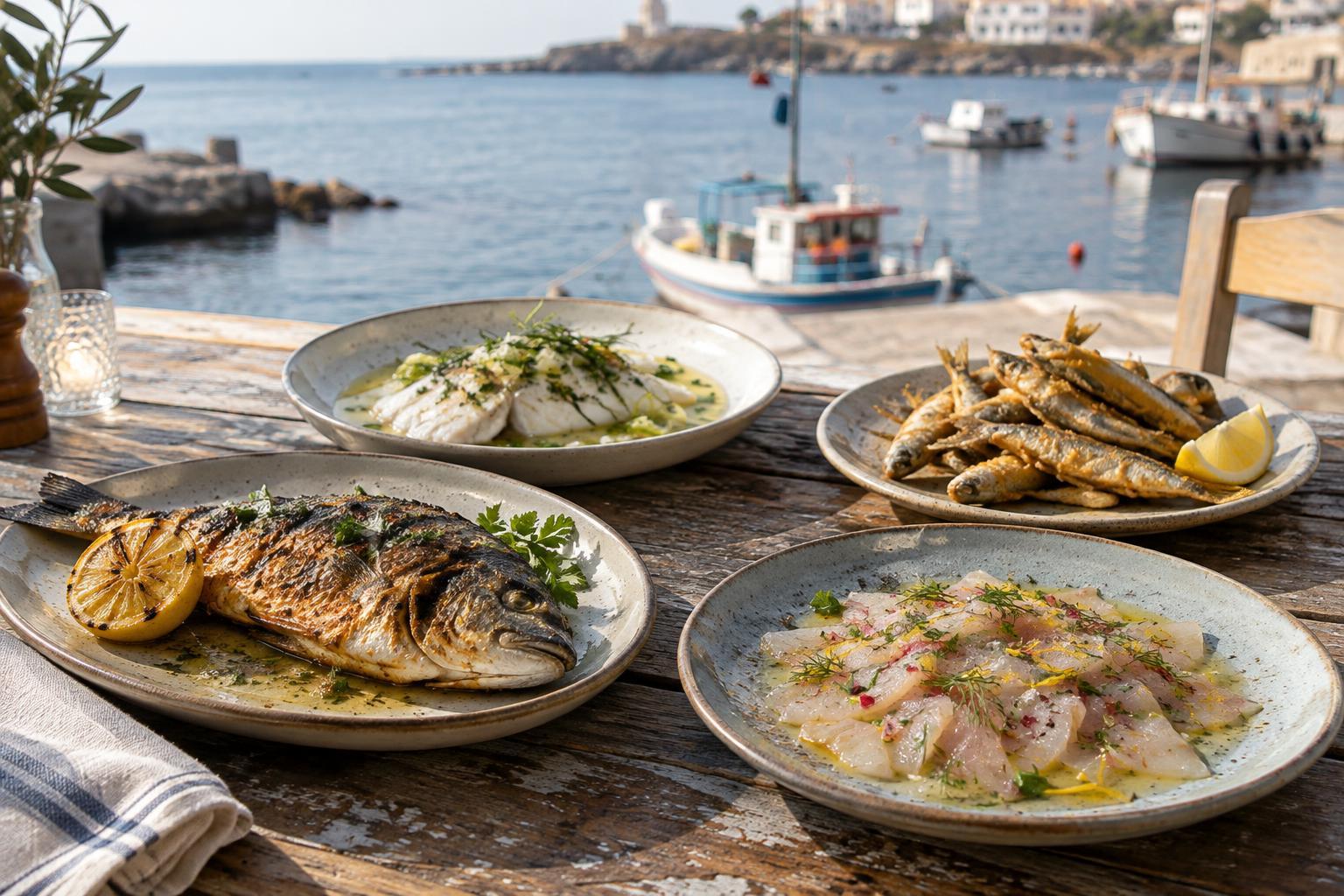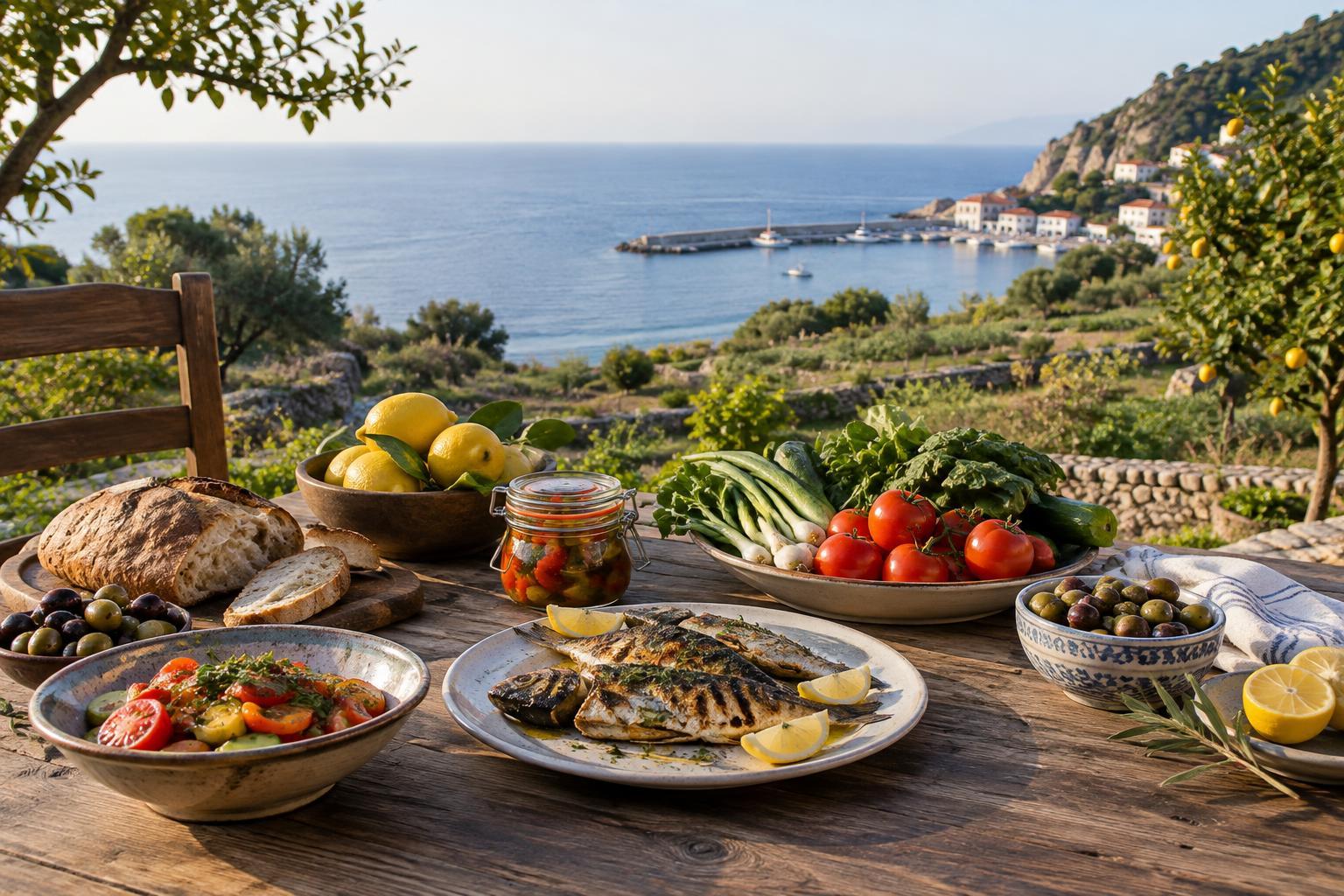
A coastline is more than its catch
Ask someone to picture food by the sea, and they may imagine fish arriving at a harbor table. That is one part of the story. A coastal meal can also depend on what grows behind the beach: vegetables from a sheltered garden, fruit from a nearby orchard, grains carried down from inland farms, or herbs gathered close to home. These ingredients give a dish its texture and balance, whether they appear beside seafood or make up the meal on their own.
Looking at land harvests changes how you explore a destination. Instead of treating the waterfront as the whole food map, you begin to notice the routes between boats, farms, markets and kitchens. A short walk away from the harbor may reveal as much about everyday eating as a row of seafood restaurants.
How the landscape shapes the plate
Coastal growing conditions vary widely. Wind, salt spray, rainfall, soil and the availability of sheltered land can affect what people grow and how they use it. One community may have room for orchards; another may rely on small plots, hardy vegetables or produce brought from farther inland. It is worth resisting any single idea of “coastal cuisine”: neighboring shores can have different harvests and different ways of cooking them.
The relationship between land and sea is practical as well as flavorful. Starchy crops or grains can turn a small portion of fish into a filling shared meal. Greens and herbs can add freshness to preserved ingredients. Vegetables may be cooked in the same pot as shellfish, or served separately as the main event. None of these roles makes land-grown food secondary. It is often what makes a familiar catch taste like it belongs to a particular place.
Preservation connects harvests and seasons
A food tradition is not only a list of fresh ingredients. It also includes decisions about what to save for later. Drying, pickling, fermenting and making preserves can help households use a harvest beyond the moment it is picked. Depending on the place, a preserved vegetable, fruit or sauce may bring acidity, sweetness or depth to a meal built around seafood. It may also be part of a dish with no seafood at all.
For travelers, these foods are a reminder that a menu reflects more than what was gathered that morning. Some ingredients are seasonal; others appear year-round because someone prepared them earlier. If you are curious about a condiment or side dish, ask what goes into it and how it is usually eaten. Such questions can open a conversation about home cooking without assuming that every recipe has one fixed version.
Look beyond the harbor when planning a meal
To understand a coastal food tradition, make space for an ordinary market visit as well as a waterfront meal. Notice which stalls sell produce, bread, grains and preserved foods. Read menus for the vegetables and staples that accompany a dish, not just its headline ingredient. A bakery, a produce stall or a modest lunch spot can offer clues about what people eat on days when seafood is not the focus.
Keep your questions specific and open-ended. You might ask a vendor what is in season, or ask a cook whether a side dish is commonly served at home. Listen to the answer rather than searching for a supposedly definitive local meal. If you have dietary needs, check ingredients before ordering, especially in mixed dishes and sauces. You can enjoy a place’s food culture without eating seafood; paying attention to its land harvests creates more ways to take part.
Travel with curiosity, not a checklist
The most rewarding coastal meals need not contain every ingredient associated with a destination. Choose what appeals to you, and give familiar-looking foods a closer look. A simple plate of vegetables may reflect a growing season, a preservation habit or a family preference just as clearly as a celebrated catch. Small details—what comes with bread, what is served alongside a stew, what fills a market basket—can make the food landscape easier to understand.
As you travel, leave room for variation between households, businesses and neighboring towns. Food traditions change through availability, taste and exchange. By noticing both the water and the land, you gain a fuller picture of how a coastal community feeds itself—and a better reason to slow down at the table.