Understand what the festival is for
A festival by the sea may look like a celebration of boats, seafood or music, but its meaning can run deeper than the public program suggests. It might mark a seasonal change, honor a patron or remember a community’s relationship with the water. Start with the organizer’s description rather than assuming every activity is designed for visitors. Knowing why people gather makes it easier to distinguish a welcome invitation from a moment that calls for quiet observation.
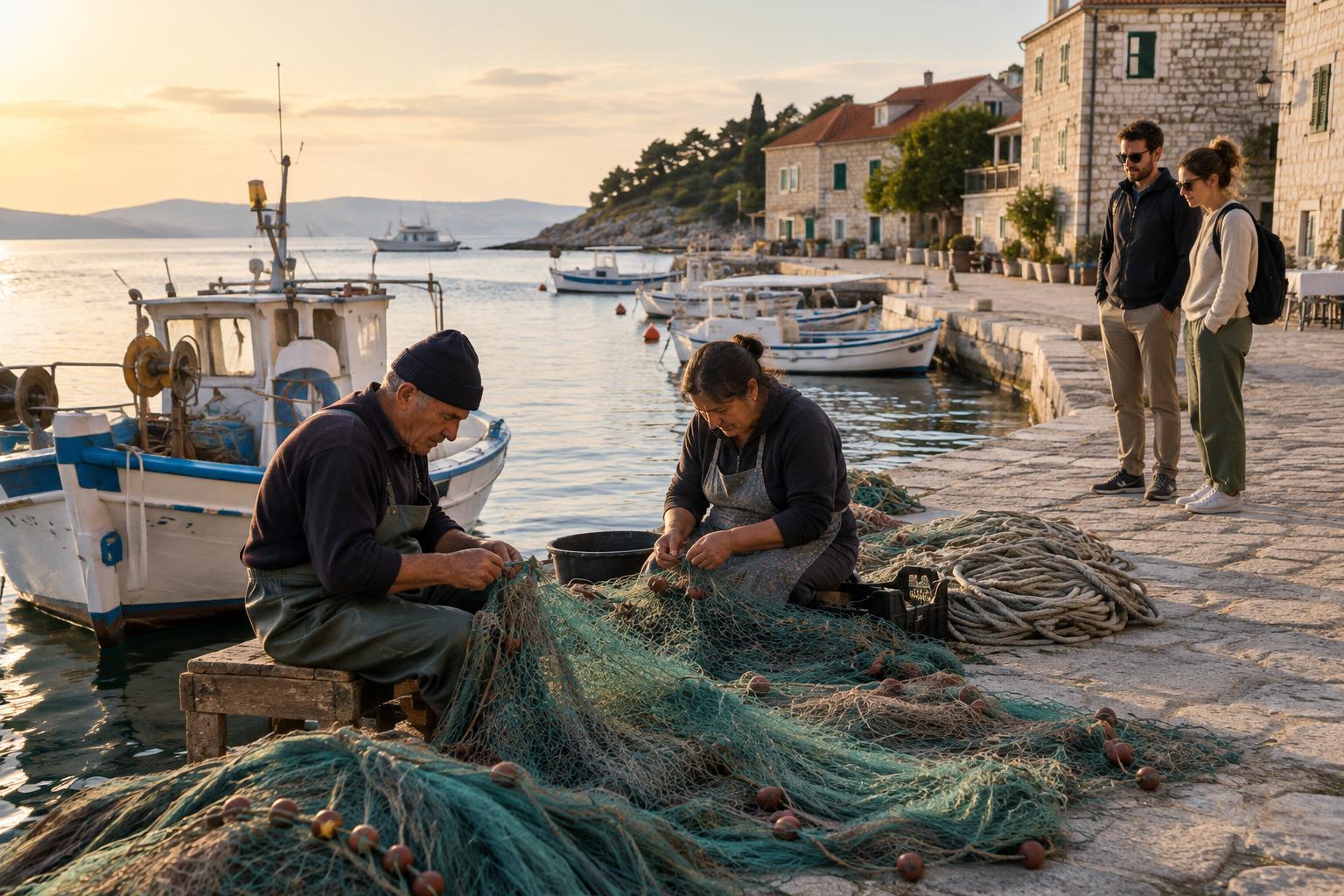
Check which parts are public and whether any ceremony, procession or gathering has a particular etiquette. A route that passes through a working harbor, a place of worship or a residential street is not simply a sightseeing trail. If guidance is unclear, ask an organizer, guide or volunteer before entering. You do not need to master every detail of a tradition to be a considerate guest; you do need to notice when an occasion matters to the people hosting it.
Learn the practical rhythm before you arrive
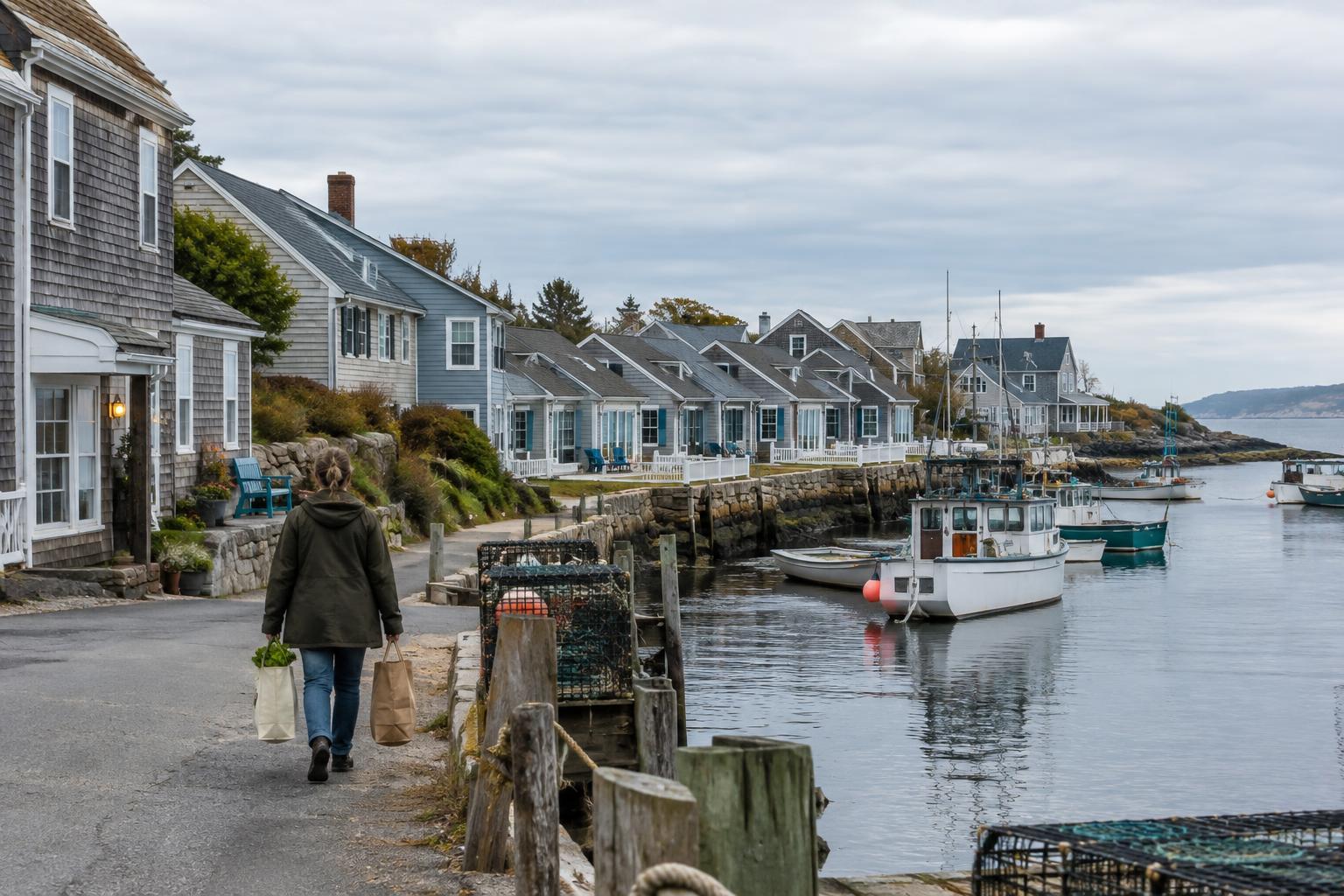
Coastal events often use spaces that serve other purposes every day: quays, ferry landings, markets, beaches and narrow lanes. Find out where visitors are expected to arrive, whether entry is ticketed and how people normally move between venues. Allow time for the journey rather than counting on a last-minute parking space or an uninterrupted ferry connection. Weather and conditions on the water can also affect plans, so keep your schedule flexible.
Pack for standing and walking, not just for a postcard view. Comfortable shoes, a refillable water bottle and a layer for changing temperatures can make a long day easier. Follow posted instructions around docks and boats, and keep access routes clear even when they seem like convenient places to stop. If you are traveling with children or someone with limited mobility, look for information about seating, toilets, gradients and transport before the day begins; older waterfront layouts may be difficult to navigate.
Participate without taking over
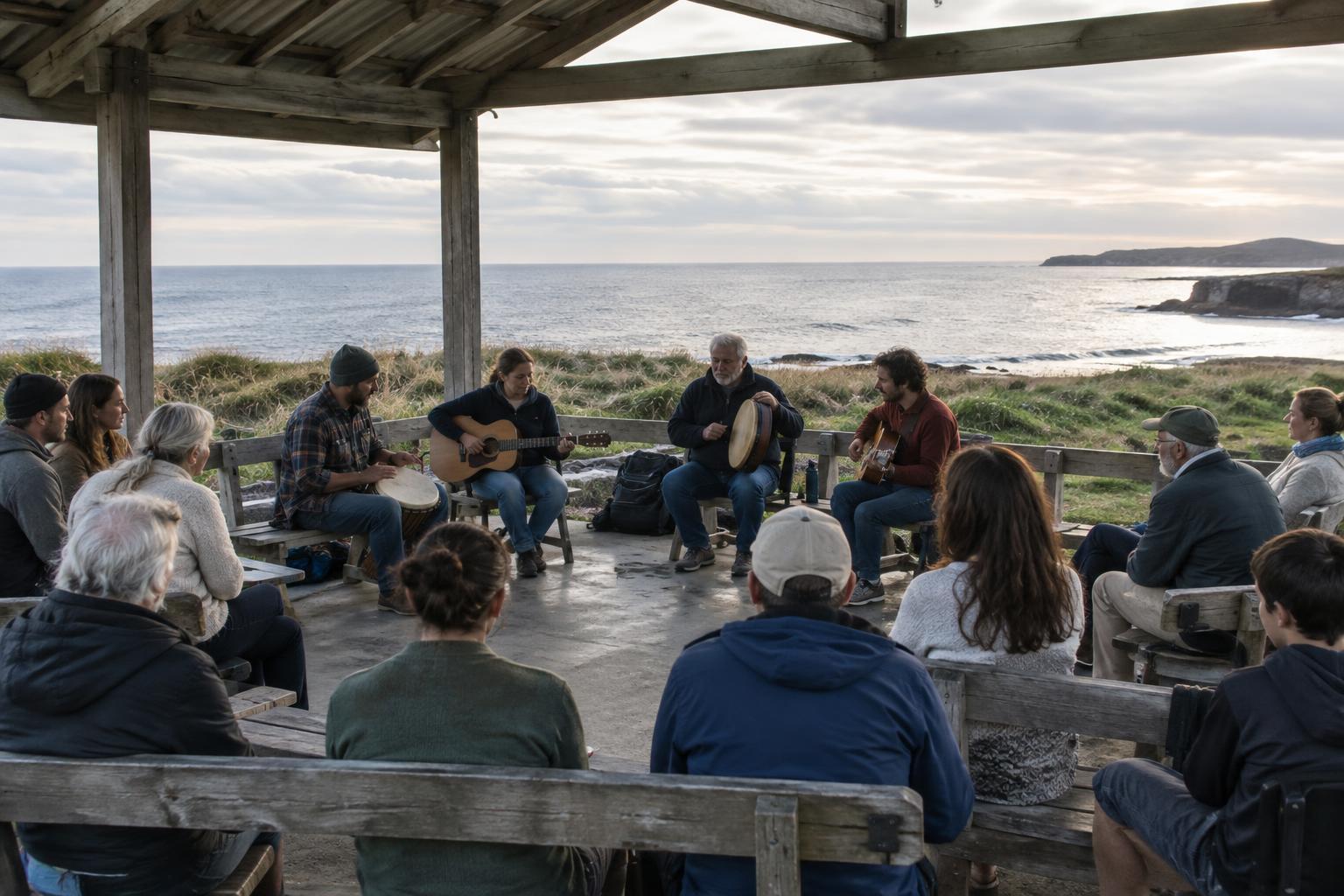
Some festivals invite everyone to dance, taste food or help with a shared activity. Others include performances or rituals led by particular families, crews or community groups. Watch how local participants behave, listen to announcements and join only when an invitation is clear. Being enthusiastic does not require stepping into a procession, touching ceremonial objects or asking someone to repeat a moment for your camera.
Photography deserves similar care. A public setting does not mean every person wants a close-up portrait, especially while working, worshipping or spending time with family. Ask before photographing individuals, respect any restrictions and put the phone away when attention should be on the event. If you share images later, describe the occasion accurately rather than presenting a personal glimpse as the whole story of a community.
Treat food and crafts as more than souvenirs
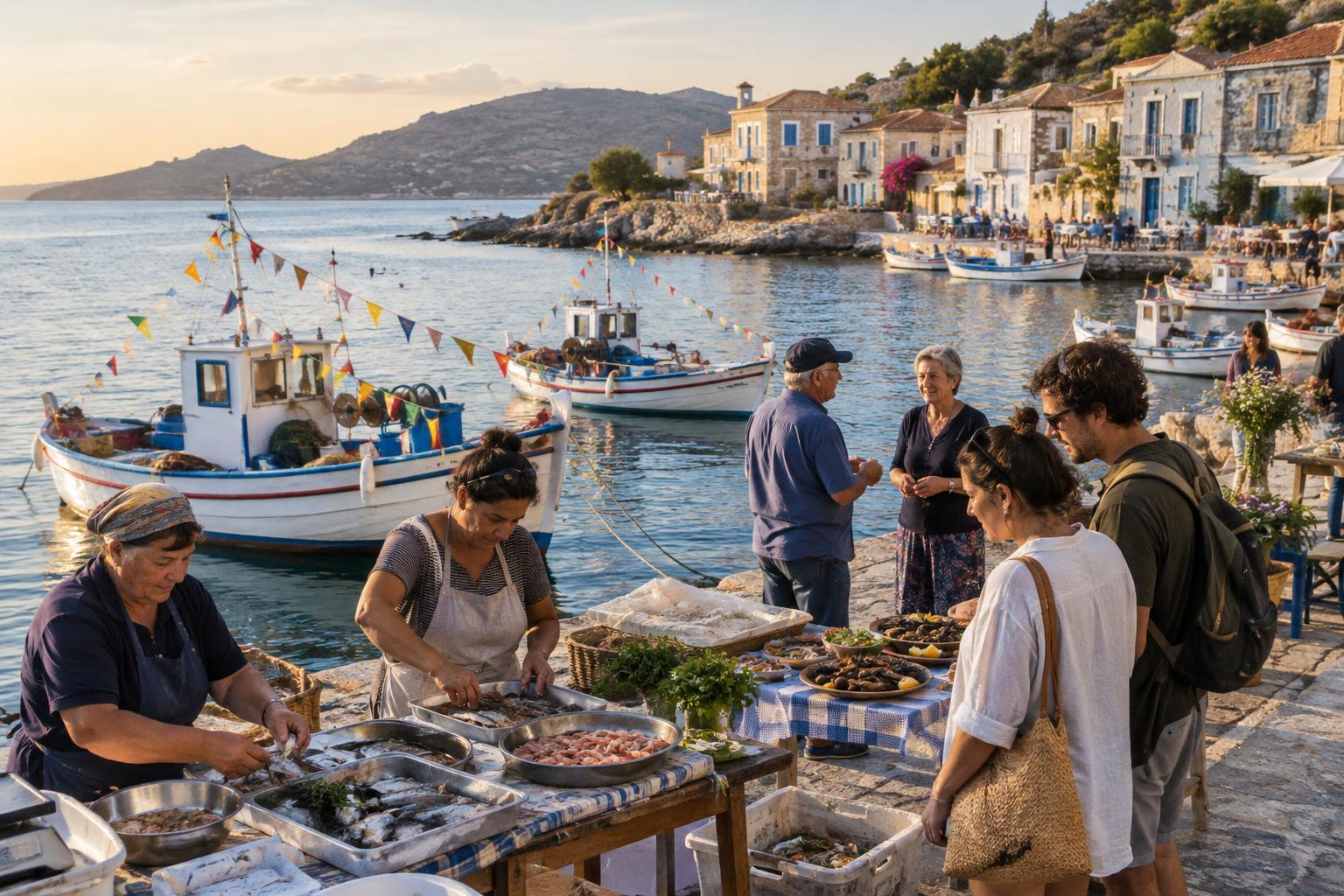
Festival stalls can offer an approachable introduction to coastal food and craft traditions. Take a moment to read signs, ask simple questions when vendors are not busy and be open to unfamiliar ingredients or preparation methods. If you have dietary needs, ask directly rather than guessing from appearance. At peak times, a short order and a little patience may be the most useful courtesy you can offer.
Buying from a maker or food stall can be a way to support the people doing the work, but a purchase does not buy unlimited access to their time or process. Ask before handling displayed objects or photographing a workspace. If a demonstration is underway, leave room for others to see it. Remember, too, that not every coastal tradition is a product for sale: some are shared through stories, skills and relationships that visitors can appreciate without claiming as their own.
Leave room for the coast and the community
A busy celebration puts extra pressure on paths, bins, shorelines and public transport. Carry away what you bring, use designated facilities and stay out of dunes, nesting areas or other protected spaces. Do not move shells, plants or fishing gear to make a better photograph. Small choices matter most when many visitors make them at once.
The festival also has to work for residents after visitors leave. Keep noise in mind on residential streets, respect barriers around working areas and follow the event’s guidance when it is time to disperse. If you can, make space in your trip to explore beyond the busiest hours and learn about the coast outside the festival grounds. The best way to join in is not to experience everything, but to enjoy what is offered while leaving its hosts able to celebrate on their own terms.