Begin with the work, not the object
A basket, a length of woven cloth or a small wooden boat may catch your eye because it looks like a reminder of the sea. Its meaning often becomes clearer when you ask what it was made to do. In coastal communities, craft can be connected to fishing, boat care, household work, trade or celebration. Some techniques remain useful in everyday life; others are kept alive through teaching or adapted for new customers. Neither makes an object more or less authentic on its own.
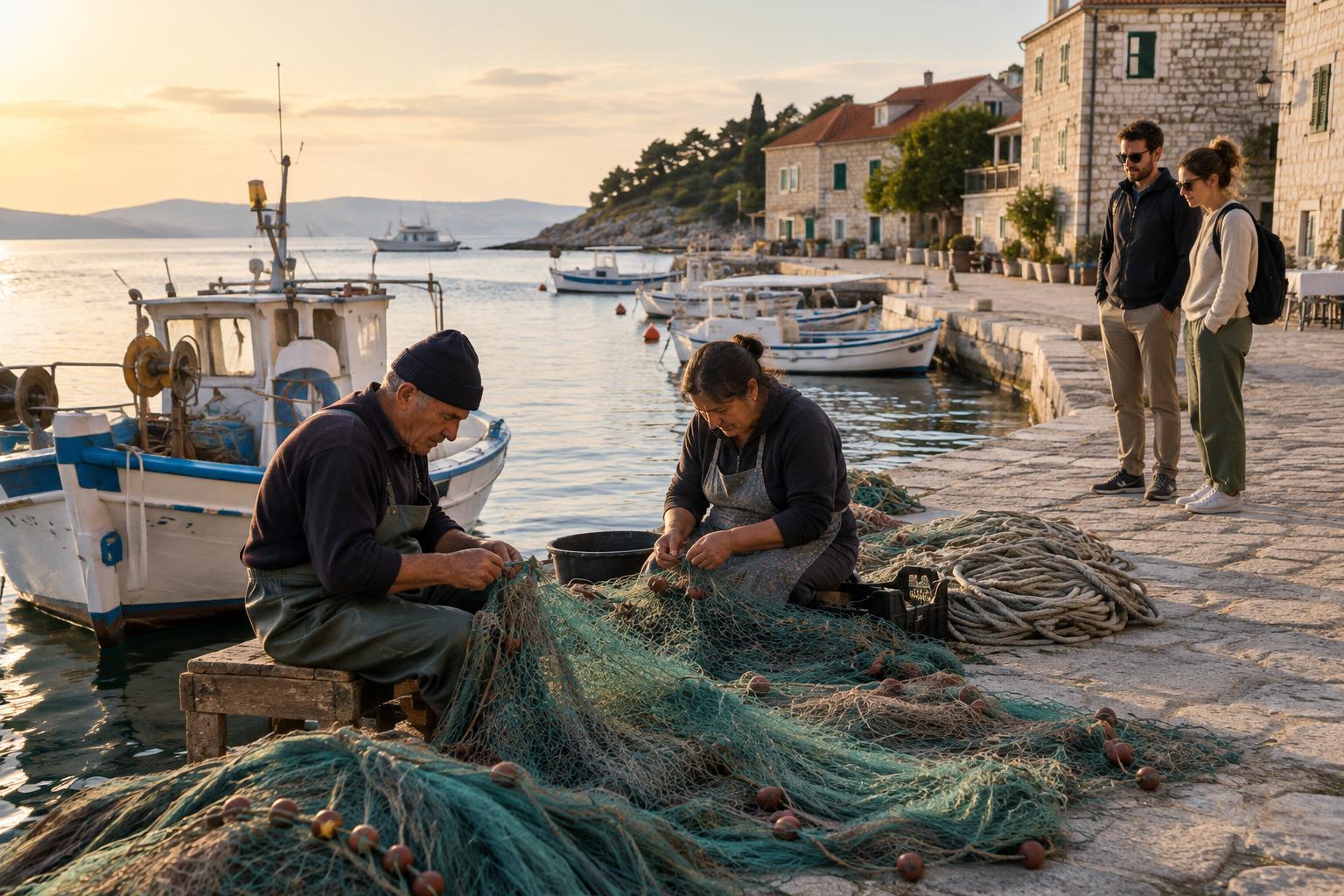
Before you shop, spend a little time noticing where craft fits into the place. A working harbor may have a sailmaker or a repair yard; a town market may include people weaving or carving alongside food sellers. Museums and cultural centers can offer helpful context, while makers themselves can explain their own work when they have time and welcome questions. Looking first helps you appreciate the skill behind an object rather than choosing it only because it carries a coastal motif.
Find the people and places behind the craft
Independent workshops, cooperative shops, small markets and public demonstrations can offer a closer view of how things are made. Visitor information offices or local cultural venues may be able to point you toward makers who welcome guests. Do not assume every workshop is open to the public: a space that looks picturesque to a traveler may be someone’s workplace, home or busy repair shop. Check opening arrangements where possible, and ask before entering or taking photographs.
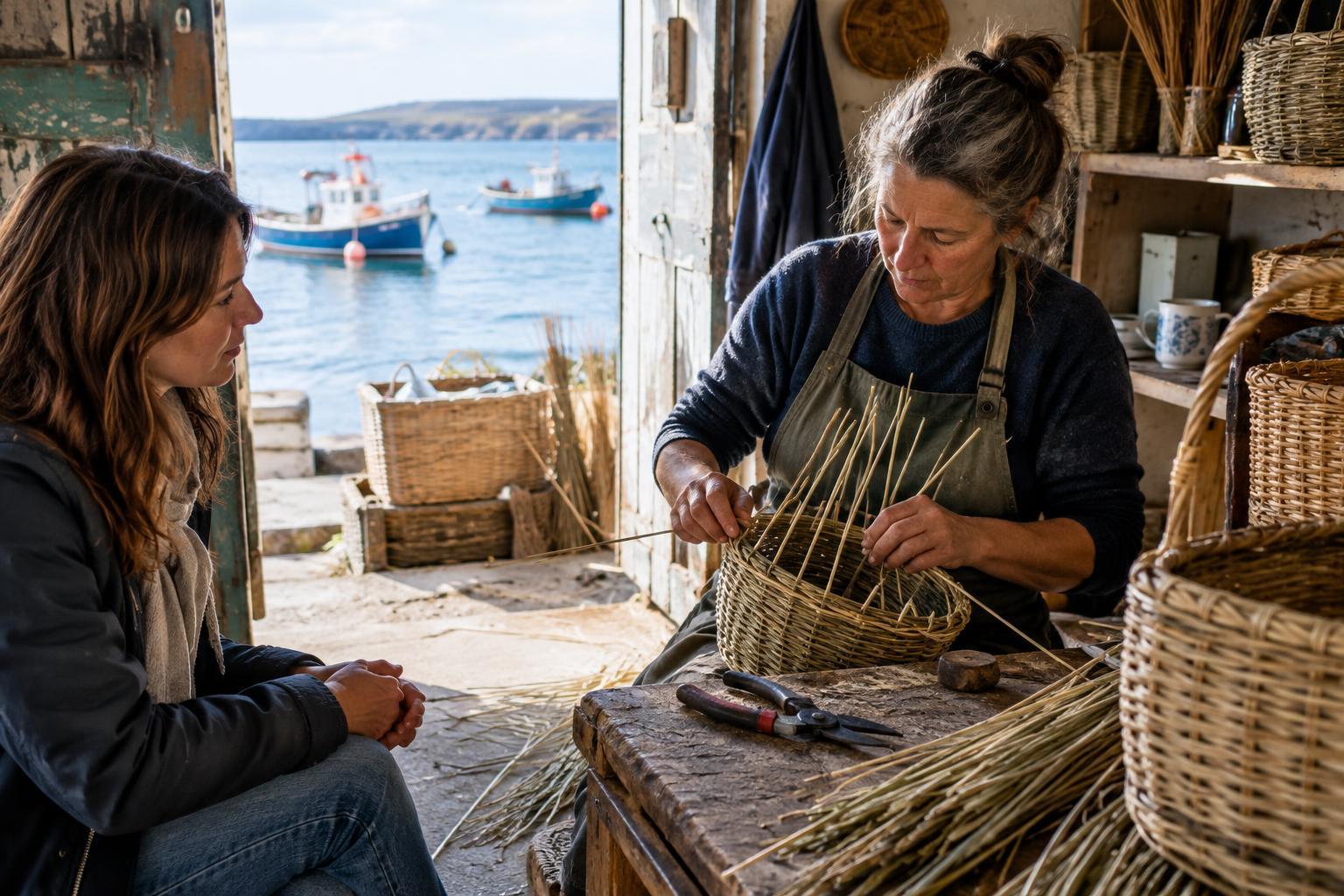
A demonstration can be rewarding even if you buy nothing. Watch how a maker selects material, repeats a motion or solves a practical problem. If conversation feels welcome, ask what the item is used for, which steps take the most care, and whether the design has changed over time. These questions leave room for a fuller answer than asking whether something is “traditional.” They also acknowledge that makers may combine inherited skills with their own ideas.
Read materials and techniques with curiosity
Coastal craft is not limited to shells and driftwood. Depending on the place, you might encounter fiberwork, ceramics, metal fittings, ropework, textiles or models of local boats. The materials may come from nearby, from inland suppliers or from farther afield. A locally made object does not need to be made entirely from local materials, especially where availability, cost or conservation concerns shape a maker’s choices.
Ask how an object is meant to be handled. A basket designed for regular use may need different care from a decorative piece; a painted surface may not welcome damp luggage. If an item is described as made from coral, protected wildlife or an unfamiliar natural material, pause and ask for a clear account of its origin. When you cannot get a satisfactory answer, choosing another piece is a sensible way to avoid a purchase you may later regret. The same care applies to collecting materials yourself: a beach that looks abundant may still be habitat or a protected area.
Buy in a way that respects the maker
Price reflects more than the size of an object. Time, preparation, specialized tools and years of practice can all be part of what you are paying for. You can ask about materials or process without demanding that a maker justify every part of their price. If bargaining is customary in a market, keep it courteous and accept a clear refusal. In a workshop with set prices, treating the displayed price as the starting point for a contest may be unwelcome.
A small, useful purchase can be more satisfying than a larger object you cannot safely carry or care for. Consider its weight, fragility and purpose before committing. Ask for any care instructions and, if you would like to remember the maker’s name, request a card or write it down with permission. A brief conversation should not depend on a purchase, but when you do buy, paying the maker or a shop that clearly represents them can make the connection between your choice and their work easier to understand.
Carry the story home carefully
The most lasting part of a craft encounter may be a better understanding of the coast rather than an object in your bag. Notice how a piece relates to local work and daily life, and remember that no single maker speaks for an entire community. If you share photographs or stories afterward, use the maker’s preferred name or description if they have given one, and avoid presenting a personal impression as a settled account of a tradition.
Leave room in your itinerary for unplanned discoveries, but not at the expense of someone else’s working day. A thoughtful visit can be simple: arrive at an appropriate time, listen more than you direct, ask before photographing, and choose something you genuinely want to use or keep. Coastal craft then becomes more than a souvenir of where you went. It offers a way to pay attention to the people, skills and choices that help shape a place.