Look beyond the busiest waterfront
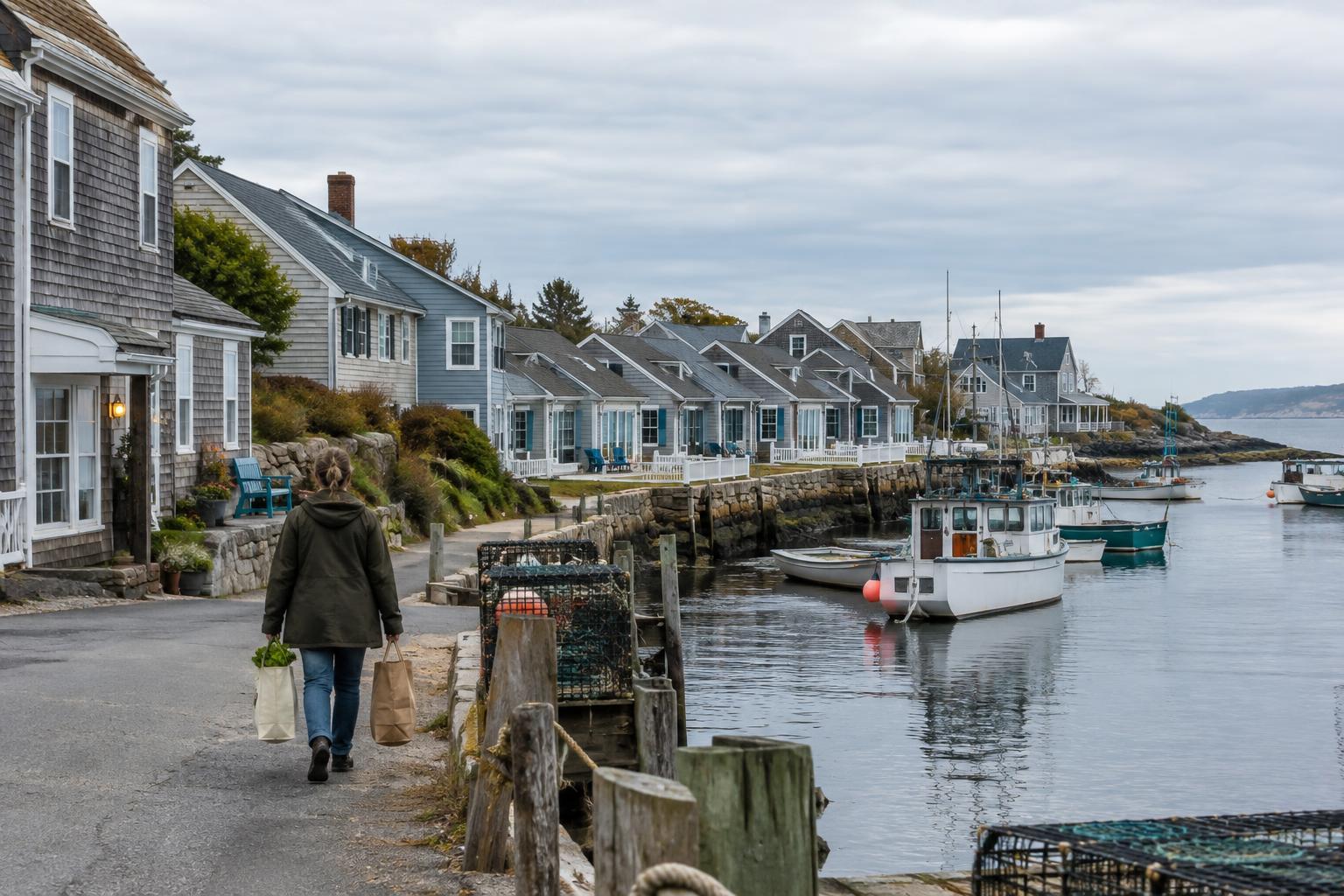
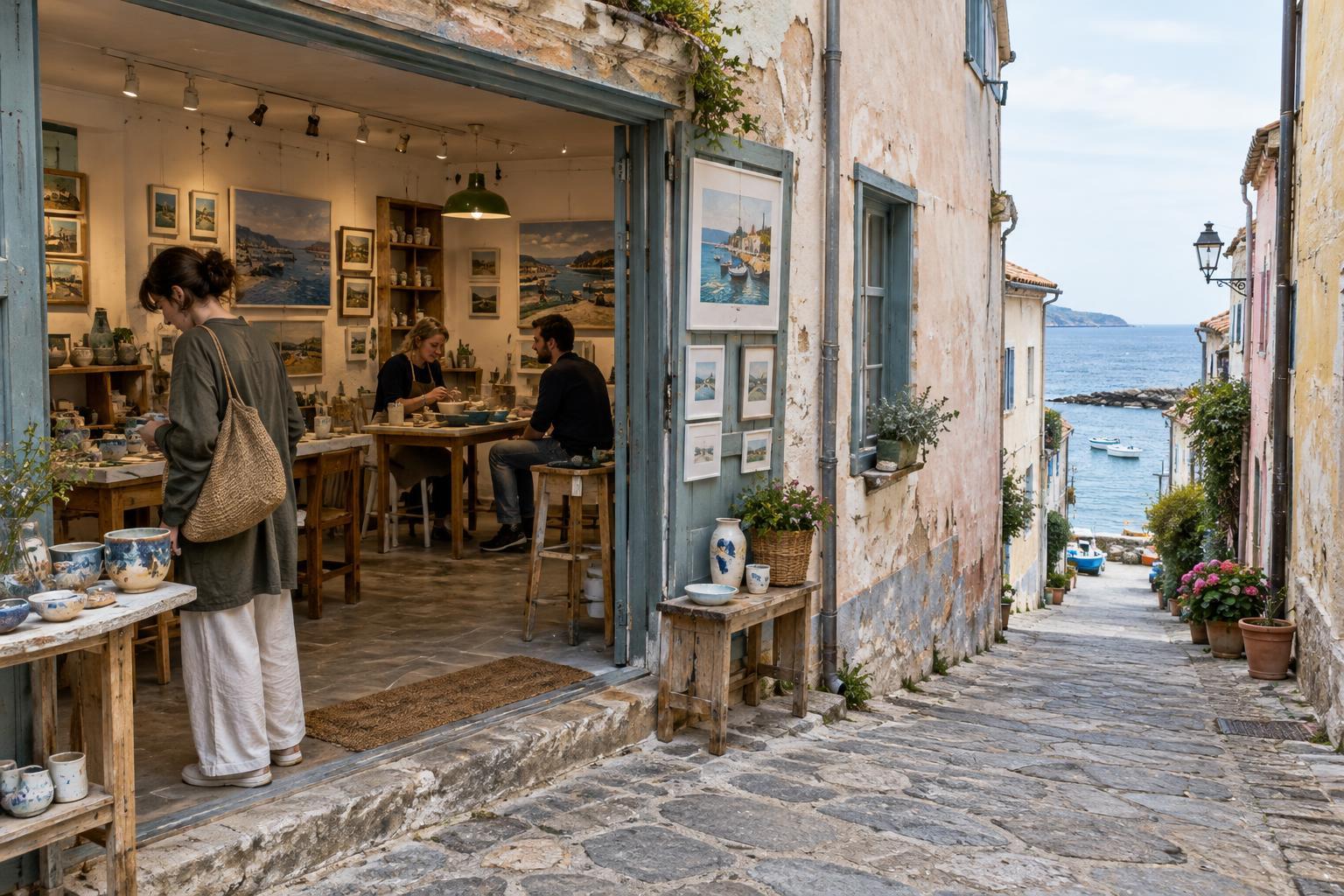
A seaside town’s most visible attractions are not always its most revealing. The promenade, harbor stalls and main shopping street make an easy starting point, but independent cultural spaces may sit a few streets inland or share premises with a café, bookshop or workshop. A small exhibition room, rehearsal space, community cinema or artist-run shop can offer a different way to understand the town: through the work people make there, not only the view visitors come to see.
Begin with a walk that leaves room for detours. Notice posters in shop windows, event boards in libraries and signs outside modest buildings. Ask staff at independent bookshops or cafés where they go for exhibitions, performances or craft events. Rather than requesting a single “hidden gem,” ask what is happening while you are in town. That gives people a chance to suggest a space or event that suits your interests without treating local life as a secret to be uncovered.
Search for activity, not just attractions
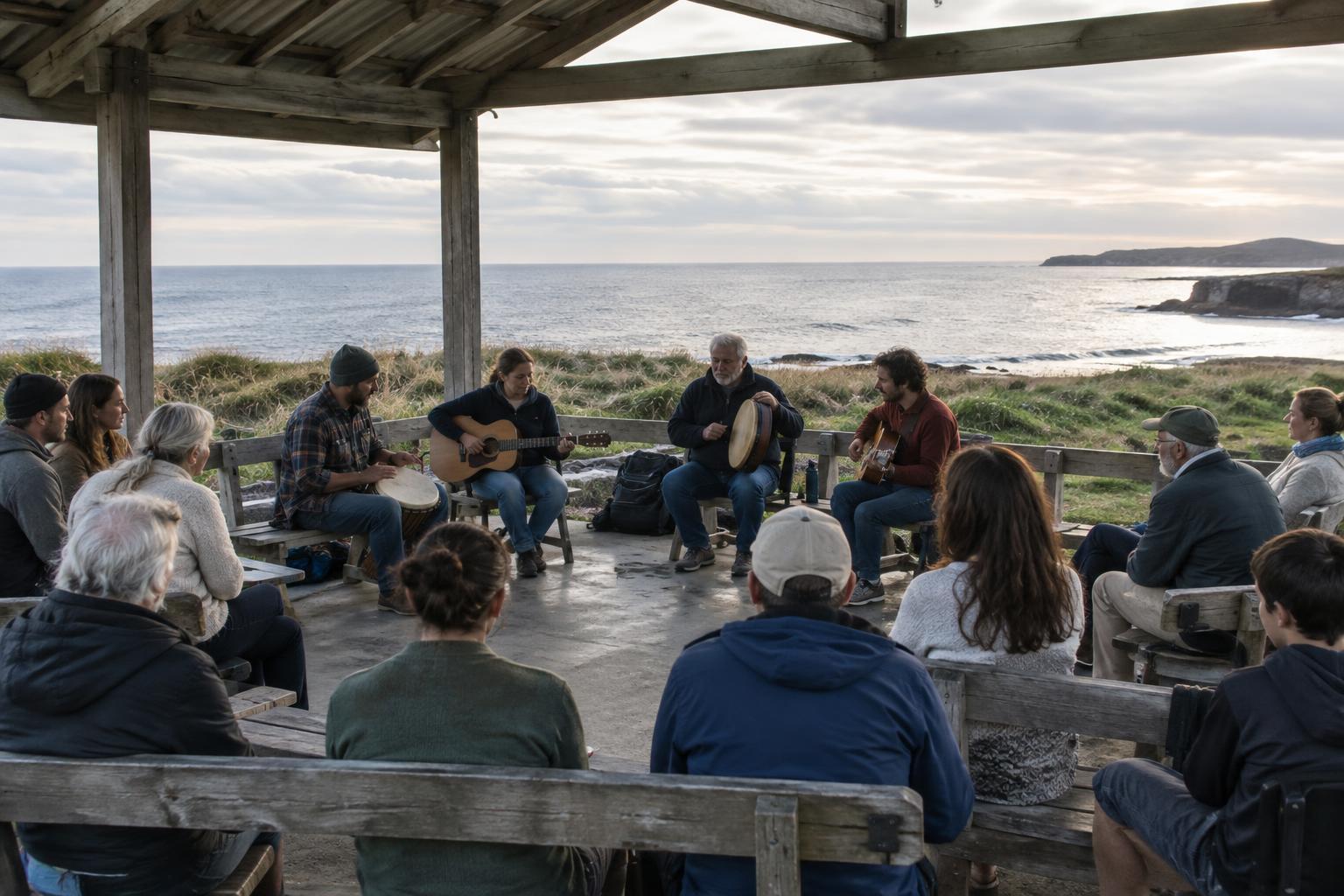
Before you travel, try searching by what you hope to experience: a printmaking workshop, a local history talk, live music, a film screening or an open studio. Look at town event listings and the pages of individual venues, then check opening details directly. Small spaces may run on limited hours, change locations for an event or open only when volunteers are available. A quick confirmation can save an unnecessary journey and help you arrive at the right time.
It is also worth looking at who organizes an event. A performance in a familiar venue might be produced by a local collective; a gallery may host visiting artists alongside people working nearby. Neither is inherently more worthwhile, but knowing the distinction helps you direct your support. If a listing is unclear, a polite message asking whether booking is needed or whether visitors are welcome is usually more useful than making assumptions.
Arrive as a guest, not an audience of one
Independent spaces serve different purposes. Some welcome drop-in visitors; others are working studios, meeting places or venues for a particular community. Read signs, respect opening hours and ask before entering areas that look private. At workshops or performances, follow the host’s guidance about conversation, photography and recording. If you want to take someone’s portrait or share their work online, seek permission first.
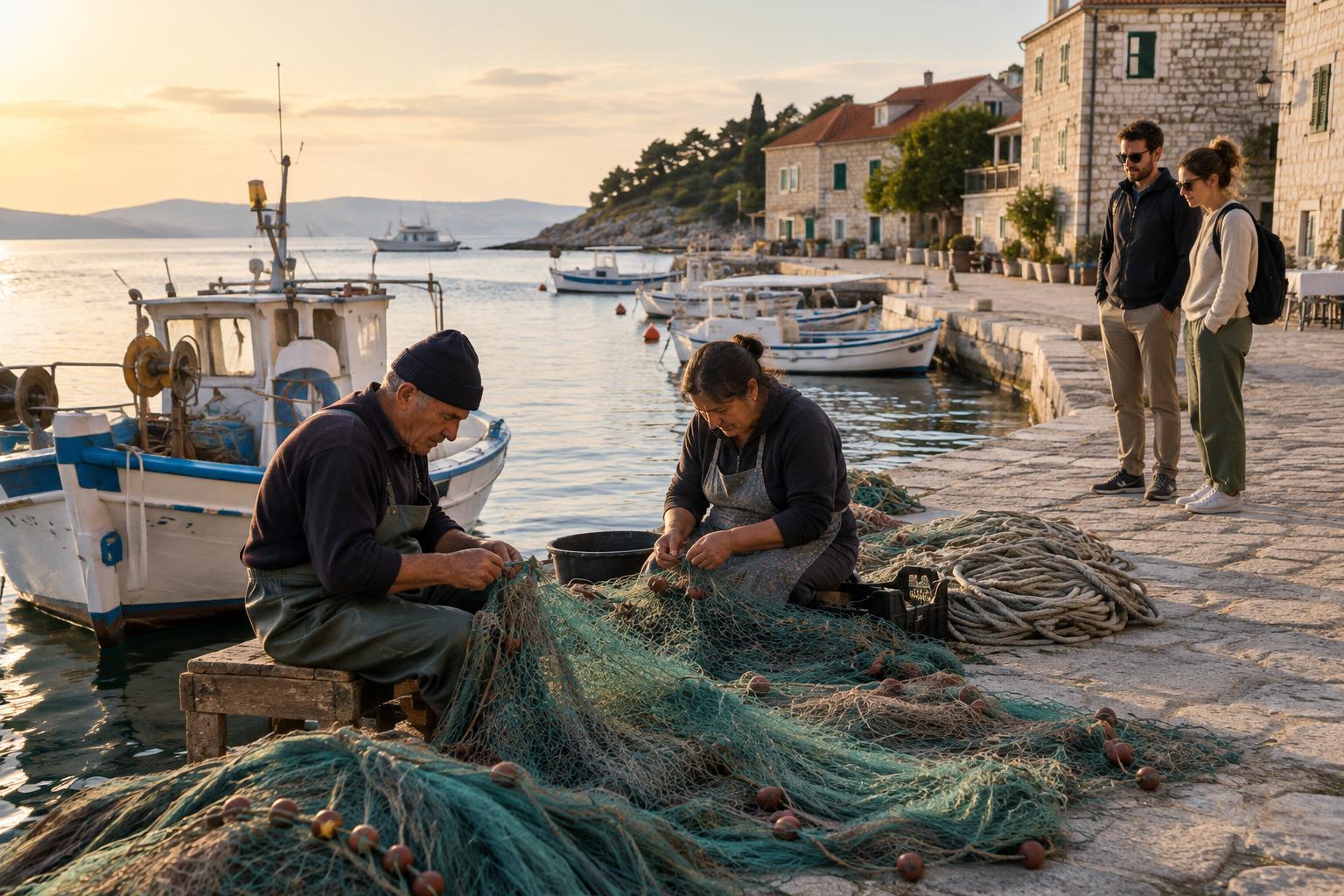
Curiosity is welcome when it leaves room for the people doing the work. Ask a maker about a technique or an organizer about a program if they have time to talk, but avoid expecting an impromptu tour during a busy event. Listen to how people describe their own town. Coastal places can have fishing, trading and migration histories as well as holiday identities, and no single venue or person can speak for all of them.
Choose forms of support that fit
Paying an entry fee, buying a ticket or purchasing something made by a local artist are direct ways to support a space when your budget allows. If admission is free, look for a donation option without assuming one exists. A book, print or small handmade object can be a more personal reminder of a trip than a mass-produced souvenir, but there is no obligation to buy something at every stop.
Support can also be practical and low-cost. Attend an event, arrive on time and cancel a reservation if your plans change. Recommend a venue accurately to a friend who would enjoy it, or share its own event information with permission and proper credit. If you post a review, describe the experience you actually had rather than promising that others will find the same atmosphere. Small spaces benefit from visitors who make participation easier, not just more visible.
Make the visit part of a slower journey
Leave a little flexibility in your itinerary. A conversation after a screening or an unplanned exhibition may be more memorable than fitting another landmark into the afternoon. At the same time, keep the ordinary needs of the town in mind: use public transport where it works for your route, avoid blocking narrow pavements for photographs and be considerate around homes and working waterfronts.
Before leaving, check whether a space has a mailing list or future program you would genuinely like to follow. Continued attention can matter even when you cannot return soon, provided it does not become a demand for constant updates. Finding independent culture by the sea is less about collecting obscure addresses than about noticing who creates places to gather, learn and make things—and meeting that effort with time, care and fair support.