Arrive as a guest, not a collector
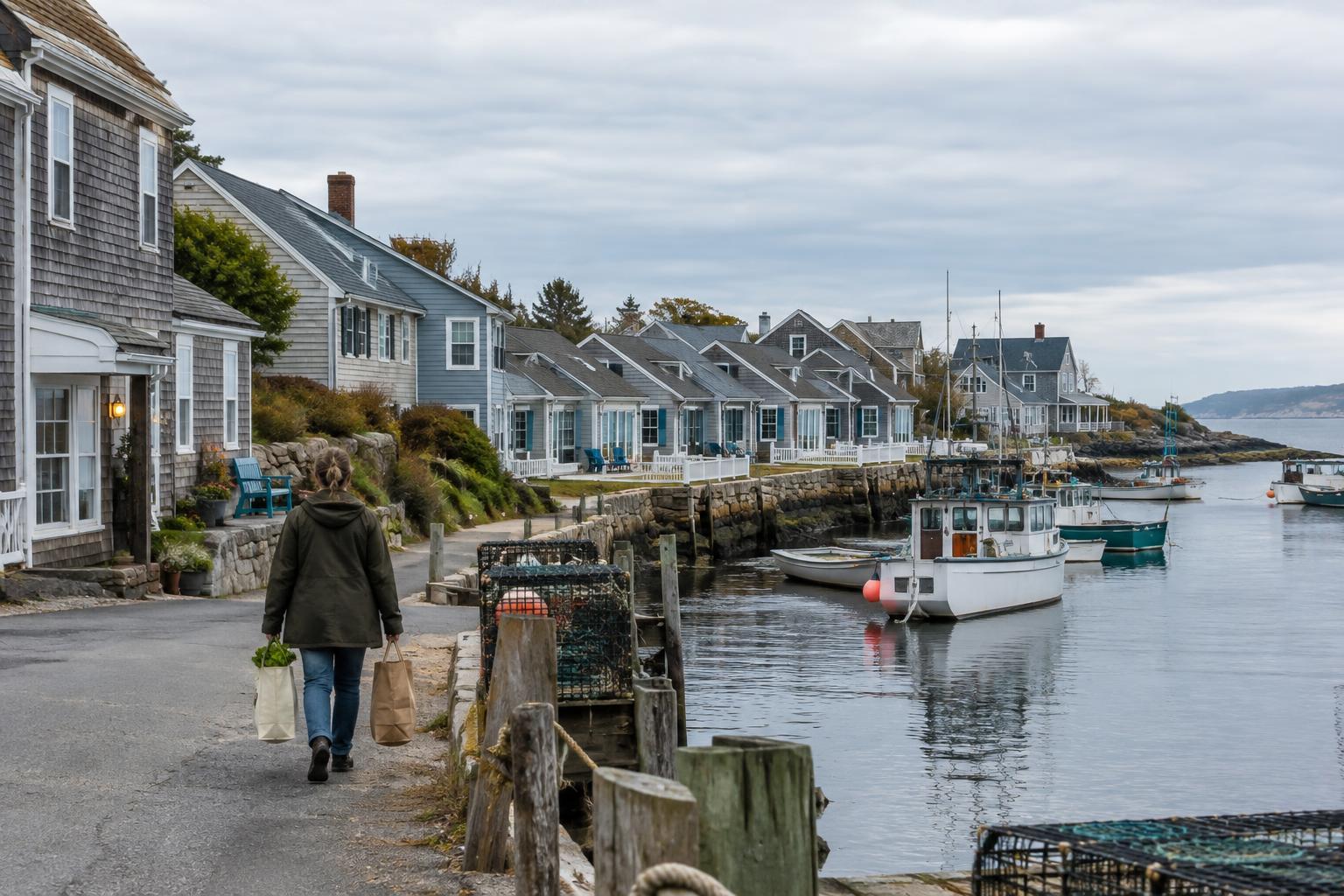
A coastal town can seem made for photographs: boats pulled up above the tide, laundry moving in a sea breeze, a market opening beside the harbor. Yet these scenes are not a backdrop arranged for visitors. The waterfront may be someone’s workplace, the lane to the beach may pass a family home, and a familiar-looking custom may have a meaning you do not understand. Start by spending time without your camera raised. Notice where people gather, where they are busy and where a visitor would be in the way.
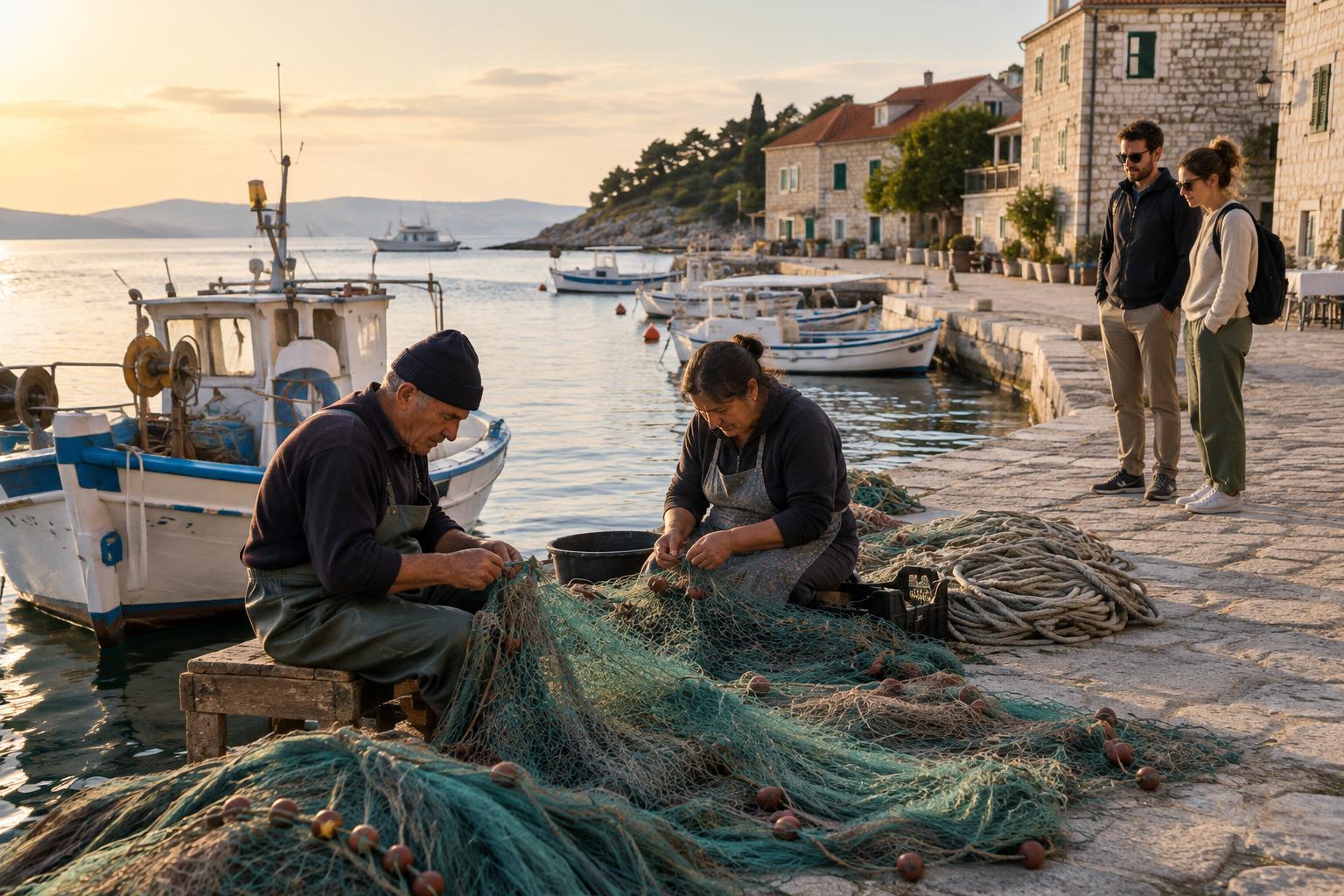
A useful question is whether you would feel comfortable being photographed in the same situation. A wide view of a public harbor is different from a close image of someone mending gear, grieving, resting or speaking with a neighbor. Being able to take a photograph does not always mean it is considerate to do so. Let your interest in a scene be an invitation to learn about it, rather than a reason to hurry toward a shot.
Make consent a conversation
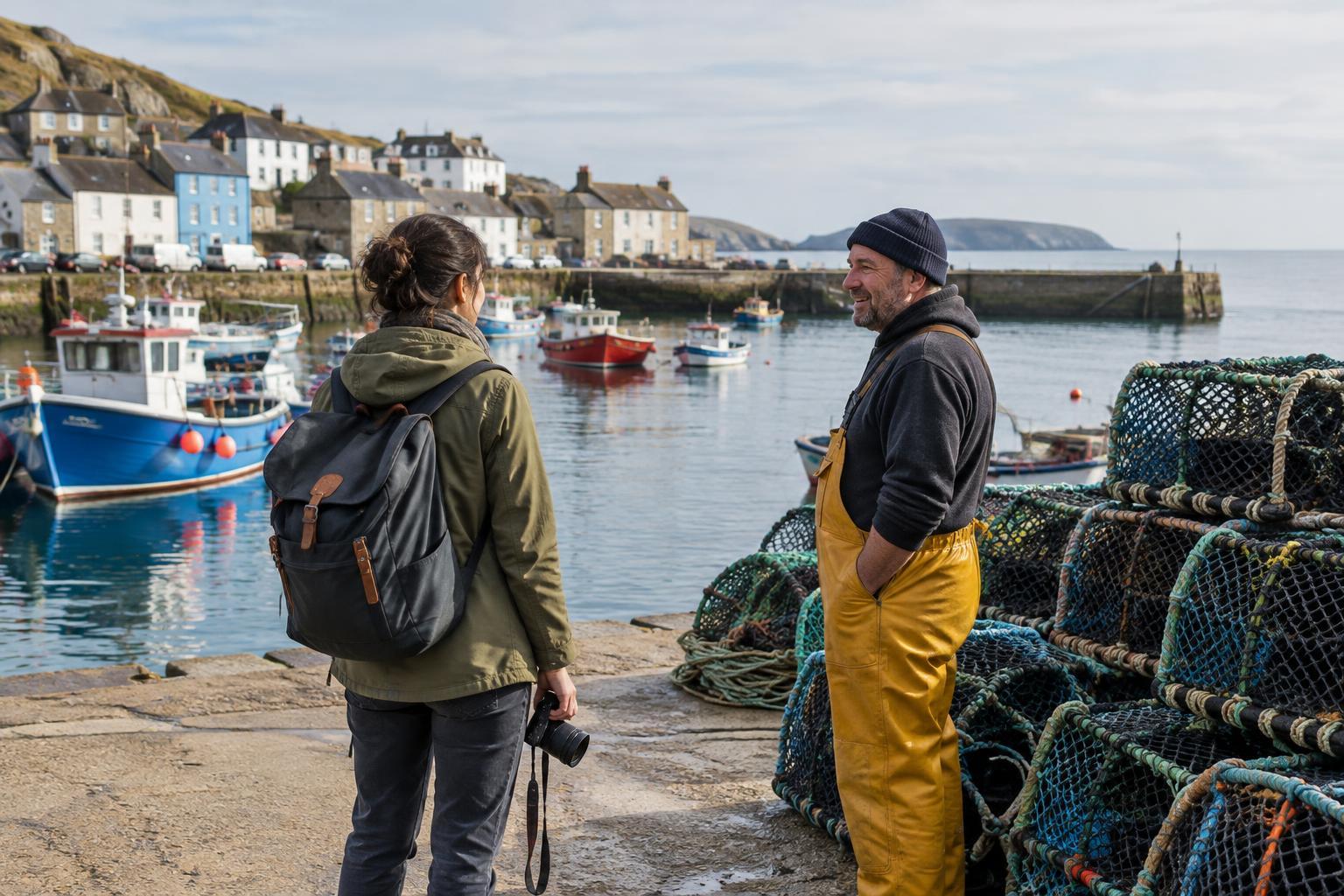
When a person is the clear subject of your photograph, ask before taking it. A simple greeting, a brief explanation and a gesture toward the camera can help when you do not share a language. Leave room for a genuine refusal: do not keep aiming the lens while you ask, and do not treat a hesitant smile as permission. If someone says no, lower the camera, thank them and move on. Asking again after a refusal can turn a small encounter into an uncomfortable one.
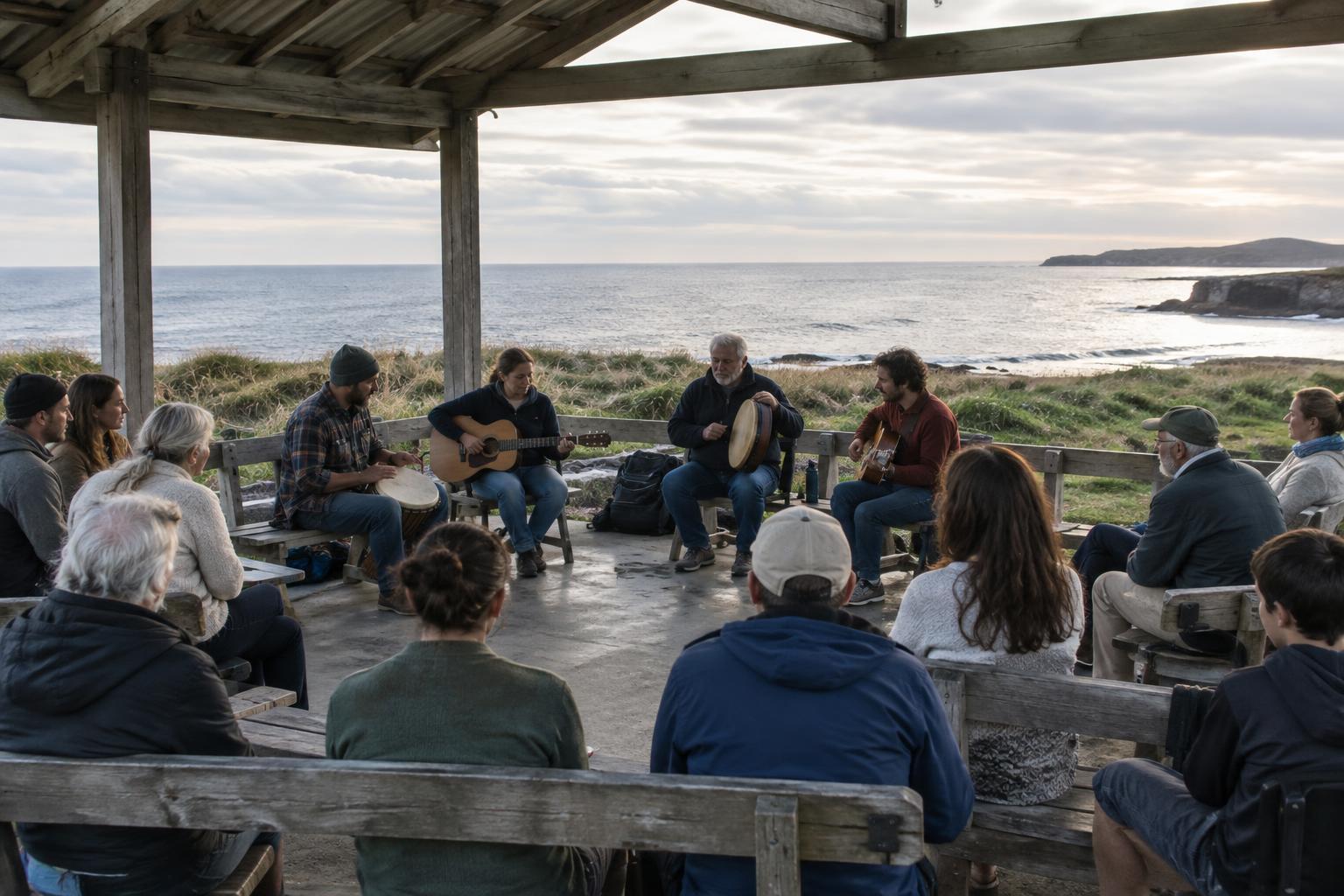
Take particular care around children. Seek permission from a parent or caregiver before making an identifiable portrait, and accept that the easiest and kindest choice may be not to take one. At festivals, ceremonies or other gatherings, find out whether photography is welcome before joining the crowd with a camera. If the expectations are unclear, make wider images that do not single people out, or put the camera away and take part as an observer.
Respect work, homes and shared space
Fishing quays, ferry landings and food stalls are lively places, but their rhythms are shaped by work. Keep paths, ramps and doorways clear. Do not step onto a boat, handle equipment or interrupt a transaction to improve a composition. A market seller may be happy to talk, but a purchase does not automatically grant permission for a portrait. If you are unsure whether your presence is slowing someone down, step aside and wait.
Distance matters beyond the busy waterfront. A porch facing the sea is still part of a home, and a window is not an invitation to photograph the people behind it. Be mindful of signs and local requests about access or cameras. For nature photographs near a community, stay on established paths and give wildlife space. No image is worth disturbing a nesting area, damaging vegetation or crossing a boundary residents rely on visitors to respect.
Tell a fuller story
Coastal places are often represented through a narrow set of images: weathered boats, empty beaches and picturesque labor. Such details can be beautiful, but they do not describe a whole community. Look for the ordinary life around the view: a ferry timetable, a repaired seawall, a place where neighbors meet. Photographing these details without identifying anyone can give your memories more depth while placing less attention on strangers.
Be careful with captions, too. If you do not know what a tool is used for or why a gathering is taking place, do not guess. You can describe what you saw without claiming to explain it. A respectful image need not pretend to reveal someone’s life story. Keeping notes about what you learned, and what you still do not know, can help you write captions that are both more accurate and more modest.
Think before you share
The choice to take a photograph and the choice to publish it are separate. Before posting an identifiable image, consider whether the person understood that it might be shared beyond the moment. Review the background for house numbers, boat names or other details that could reveal more than intended. A precise location tag may also draw attention to a quiet residential lane or a fragile stretch of shore. A broader place name is often enough to tell readers where you traveled.
If someone asks you to stop photographing them or to delete an image, respond graciously. If you promised to send a copy, follow through if you can. And when you return home, give the photographs time before posting them. The pause helps you choose images that reflect an encounter fairly, rather than simply those that attracted your eye first. The best travel photographs can hold your memories of a place without making its residents feel that their daily lives were taken along with them.