The shore keeps a different kind of calendar
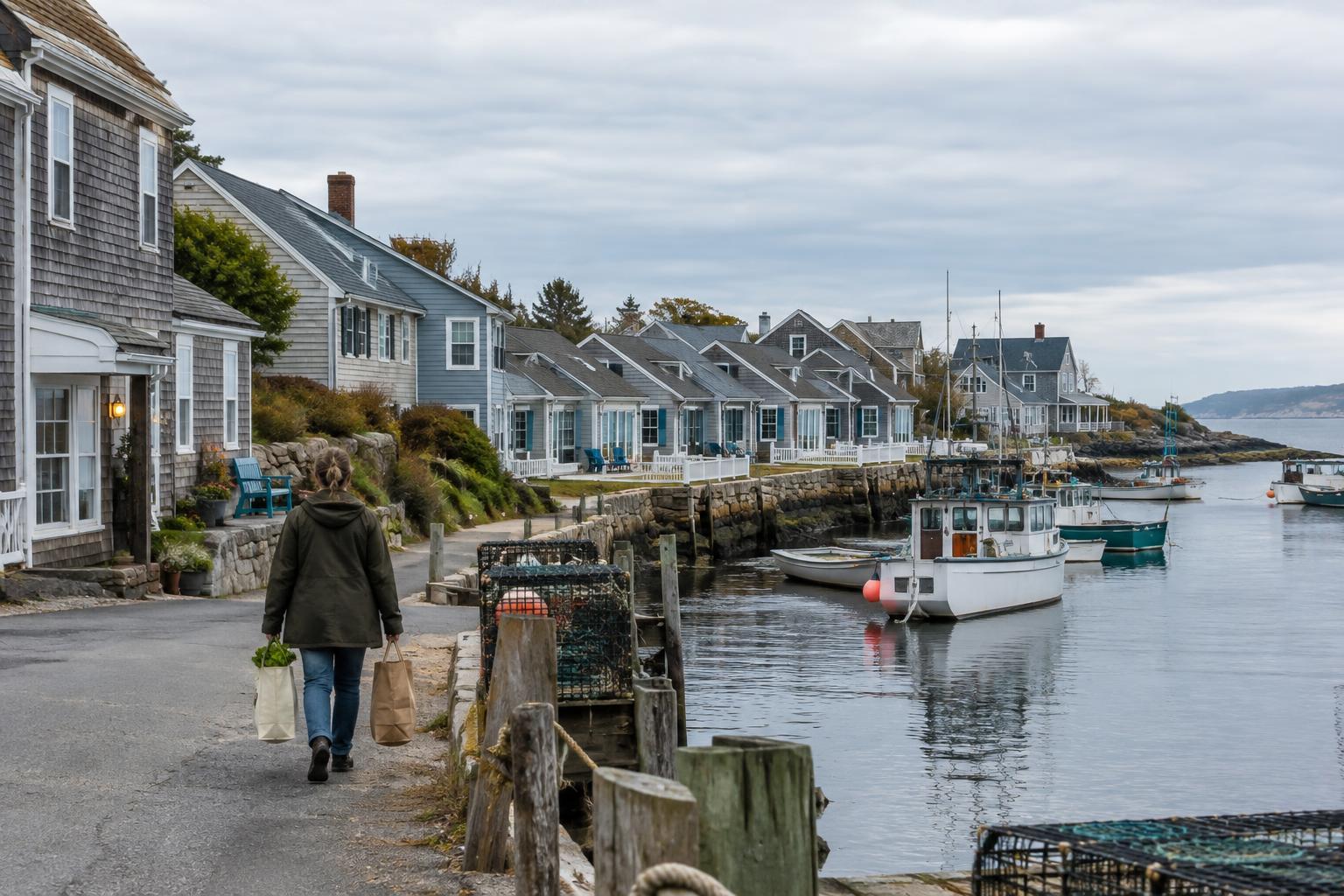
A coastal town can look like a single destination on a map, yet feel markedly different from one season to the next. Summer may bring long evenings and busy waterfront paths. In cooler months, the same path might belong mostly to dog walkers, commuters and people checking the weather before work. The sea remains in view, but the town’s daily routines shift around light, wind, visitors and the demands of earning a living.
There is no universal coastal calendar. A sheltered harbor, an exposed beach town and a fishing village may respond differently to the same change in season. Still, paying attention to what changes—and what continues—helps visitors see more than a holiday setting. It also makes planning easier: a quiet visit can be rewarding, provided you arrive with realistic expectations about opening hours, transport and the weather.
Work does not begin and end with summer
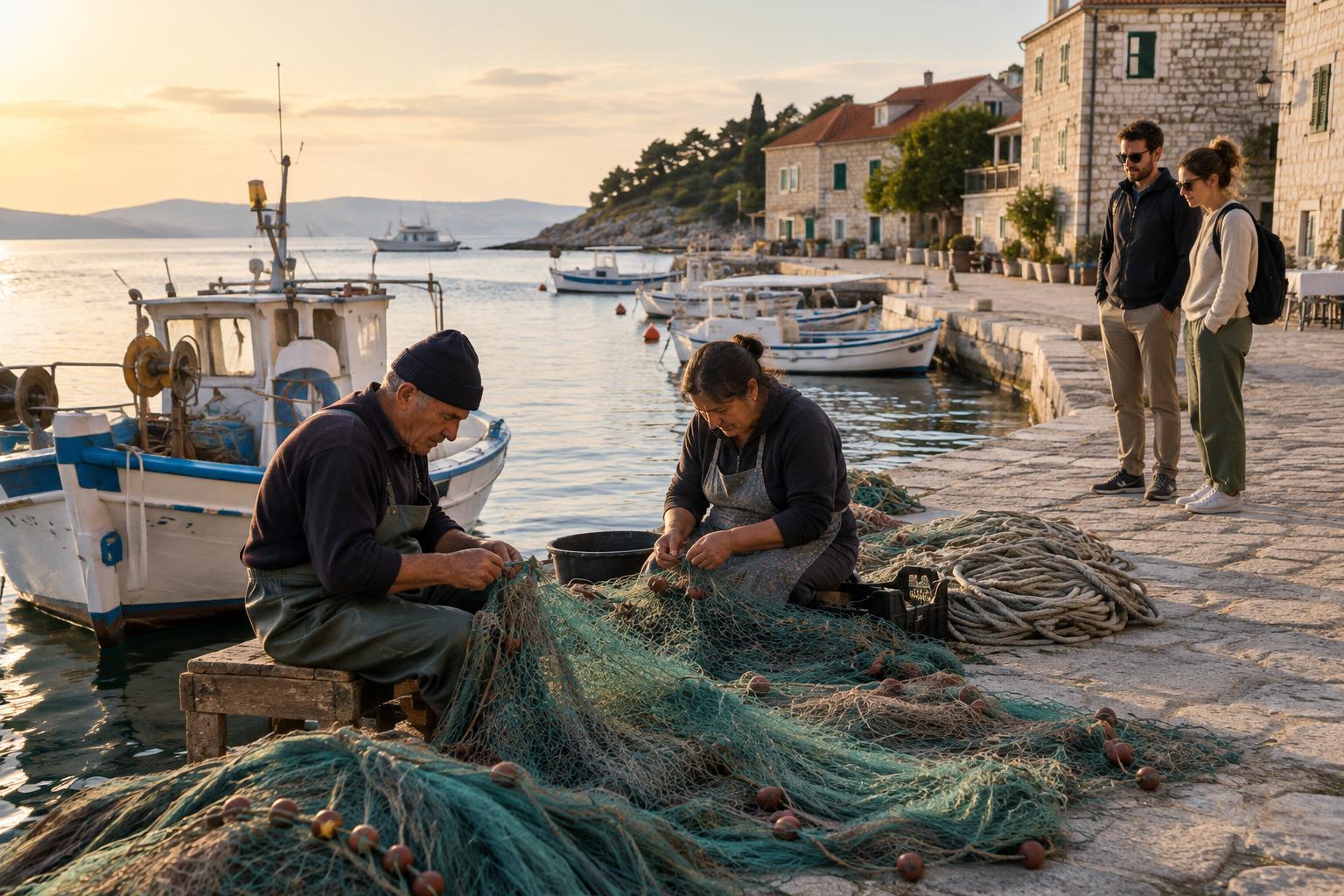
In places that welcome holidaymakers, warm months often make service work highly visible. Cafés add outdoor tables, boats run trips when conditions allow, and shops adjust to longer days. Behind that activity are deliveries, cleaning, maintenance and early starts. A crowded promenade is not simply a sign that the town has come alive; it is also a workplace for the people keeping it running.
Outside the busiest period, a different mix of work comes into focus. Boats and buildings may need repair, guest rooms may be prepared for the next influx, and residents still need groceries, transport and places to gather. Some businesses reduce their hours; others serve their neighbors year-round. Noticing which places remain open can give a visitor a better sense of the town as a home rather than a seasonal backdrop.
Food follows both place and circumstance
Menus by the sea often tell a seasonal story, though not always the one a visitor expects. What is available can depend on weather, local practices, supply routes and the choices of individual cooks. A seafood dish on a menu does not necessarily mean its ingredients came from the harbor in view. If provenance matters to you, ask a straightforward question and accept that the answer may vary from day to day.
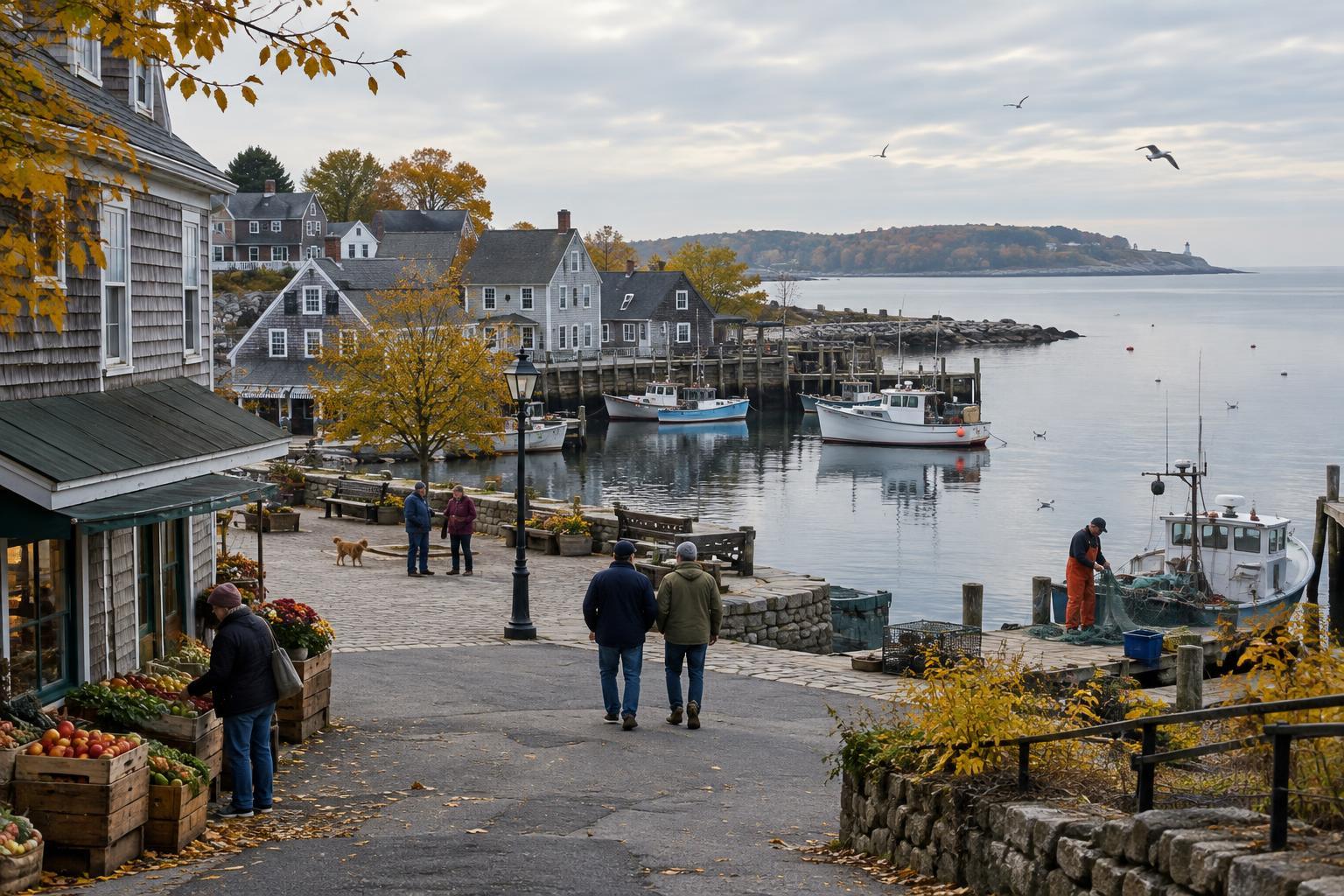
Seasonal eating can also mean looking beyond seafood. Markets, bakeries and small restaurants may make use of produce from nearby land, preserved ingredients or recipes suited to colder evenings. In a quieter season, fewer dining options can encourage a little more planning: check hours, keep a backup meal in mind and avoid assuming that a summer opening schedule applies all year.
Public spaces change hands
The beach, quay and seafront are shared spaces, but their uses change. On a warm afternoon, a beach might be full of swimmers and families. At another time, people may go there for a brief walk, to watch waves from a safe distance or simply to get some air. Harbors can be especially revealing: what looks picturesque from a café table may also be a working area where clear access matters.
Visiting thoughtfully means reading the space before settling into it. Keep paths and working entrances open, follow local signs and give people room to do their jobs. Take care around changing tides and rough water rather than treating an empty shore as an invitation to roam anywhere. These small habits make a visit more comfortable for everyone and let ordinary life continue alongside tourism.
Choose the visit you actually want
Each season offers a different bargain. A busy period may bring more departures, events and places to eat, along with fuller streets and a need to book ahead. Quieter months can offer unhurried walks and easier conversations, but some attractions may close or operate limited hours. Neither version is the more authentic one. Both are part of the town, and both place different demands on its residents.
Before traveling, decide what matters most: time on the water, open restaurants, coastal walking or a slower pace. Check practical details close to departure and pack for conditions that can change quickly near the shore. Once there, leave room in the day for the town’s own rhythm. The pleasure of a coastal visit often lies not in finding a perfect season, but in noticing how people make a life beside the sea in whichever season you arrive.