Start with the trip you are actually taking
Before making a list, picture an ordinary day on your trip. Will you walk between villages, sit on a beach, take a ferry or spend hours outdoors? Check the expected weather and any baggage limits, then consider where you can wash clothes. A weekend with easy laundry calls for less than a longer journey with several stops. The aim is a bag you can carry comfortably, not one packed for every possible situation.
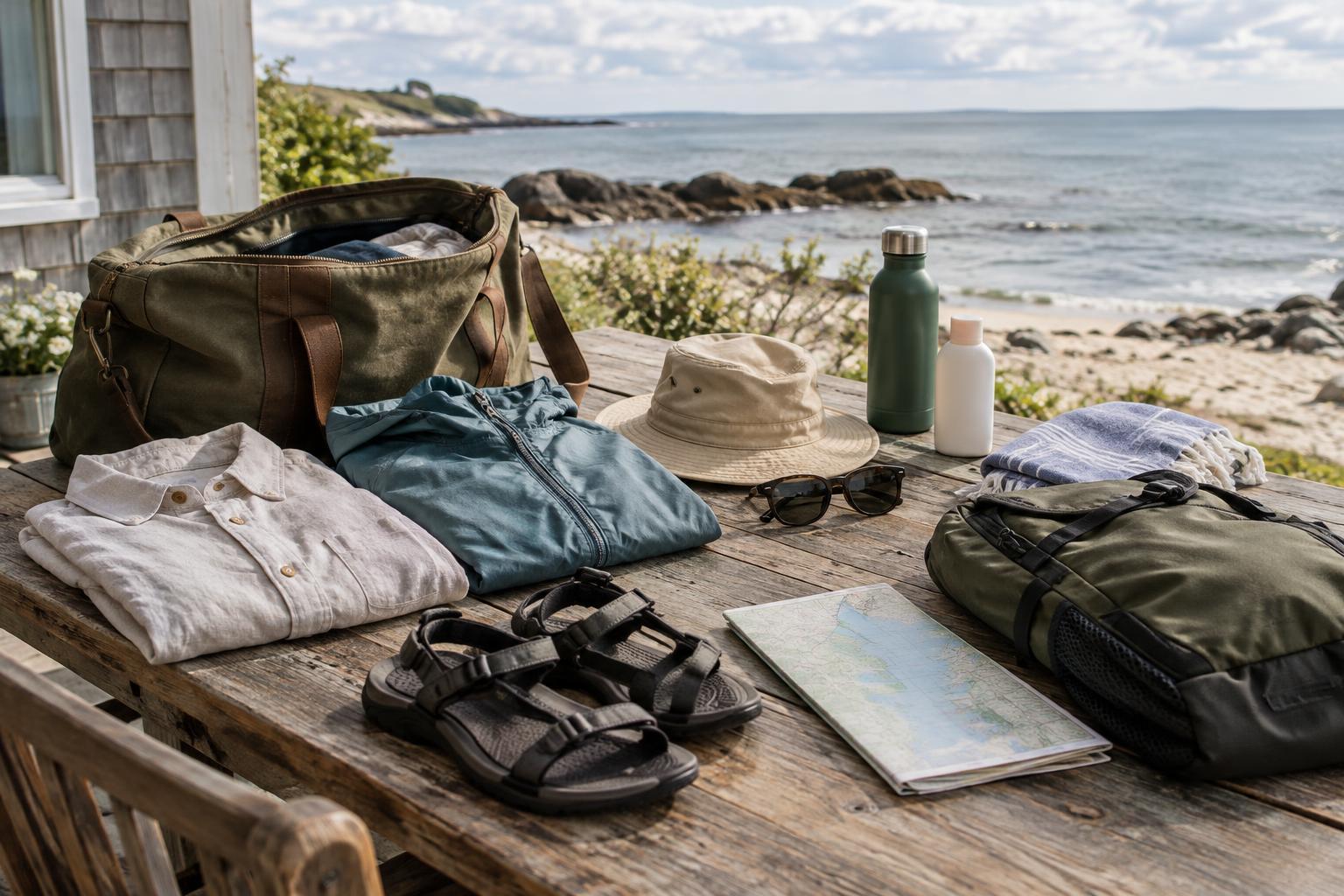
As a starting point, choose a small set of clothes that work together: tops you can wear more than once, a comfortable bottom for walking, something suitable for a meal out and enough underwear and socks for the time between washes. Leave a little room for a local food purchase or a damp item that needs to travel separately.
Dress for sun, breeze and sudden changes
Coastal weather can feel different within a single day. A light, breathable top may be comfortable in the sun, while a long-sleeved layer helps when the breeze picks up or you need a break from direct sunlight. Add a warmer layer for cool mornings or evenings and a lightweight rain jacket if showers are possible. Pieces that layer easily are usually more useful than one bulky outfit.
Pack a hat with enough coverage for the activities you have planned, along with sunglasses and sunscreen you are willing to reapply. If you expect to swim, bring swimwear and a quick-drying towel; check local customs and access rules before assuming every stretch of shore is a swimming spot. A dry change of clothes can make the journey back from the water much more pleasant.
Choose shoes for the ground, not the photograph
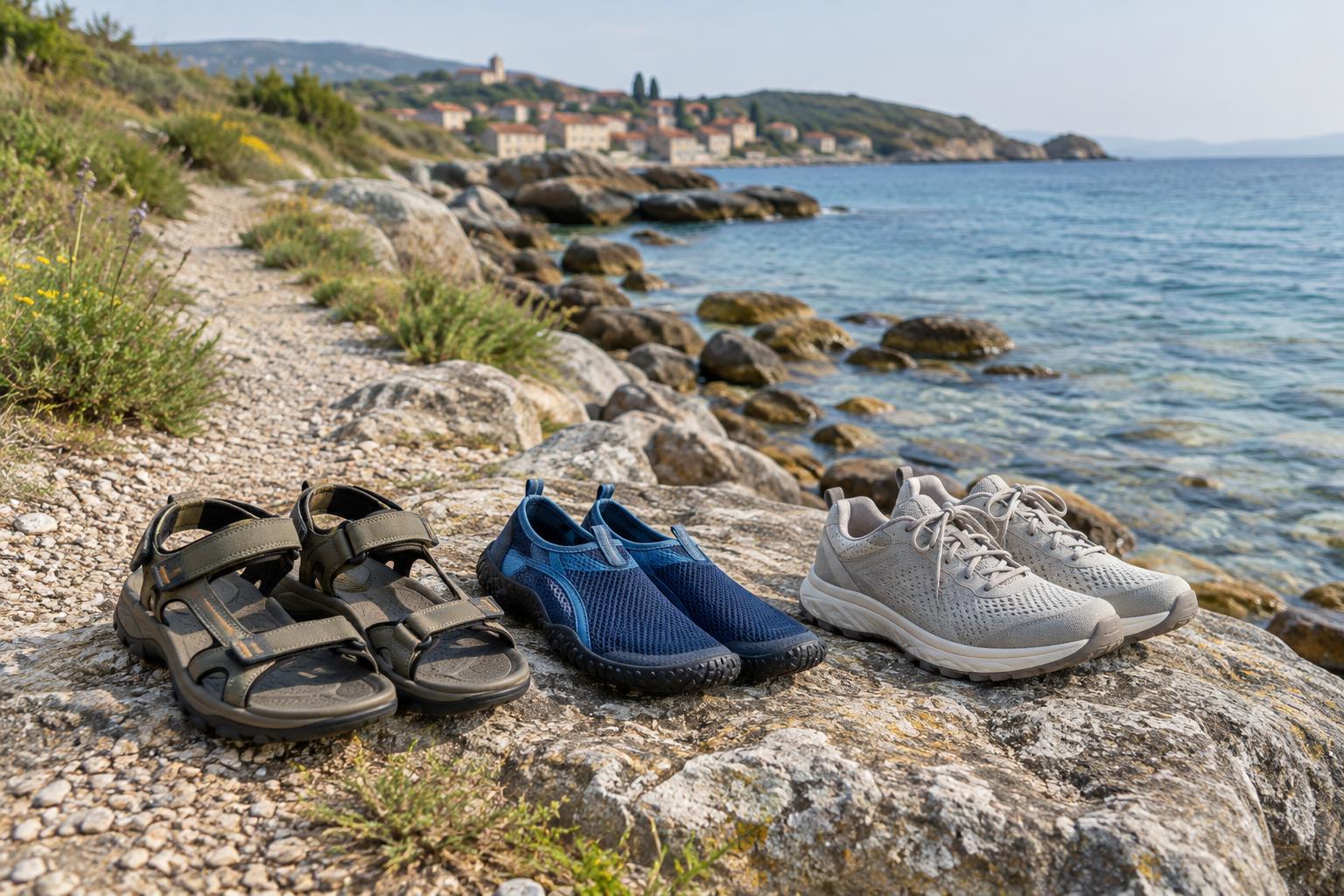
One comfortable pair of walking shoes should handle most of your itinerary. Paths near the sea may include steps, loose stones, wet paving or uneven ground, so try your shoes on a longer walk before you travel. If beach time is central to the trip, add sandals or other easy-to-clean footwear. Avoid relying on flimsy footwear for a coastal walk simply because the route looks short on a map.
Think about what will happen after your shoes get wet or sandy. A spare pair of socks takes little space, and a simple bag can keep dirty footwear away from clean clothes. Water shoes may be worth considering for a shore with rocks or sharp surfaces, but they are not necessary for every destination. Let the places you plan to visit decide what earns space in your bag.
Build a day bag you can use repeatedly
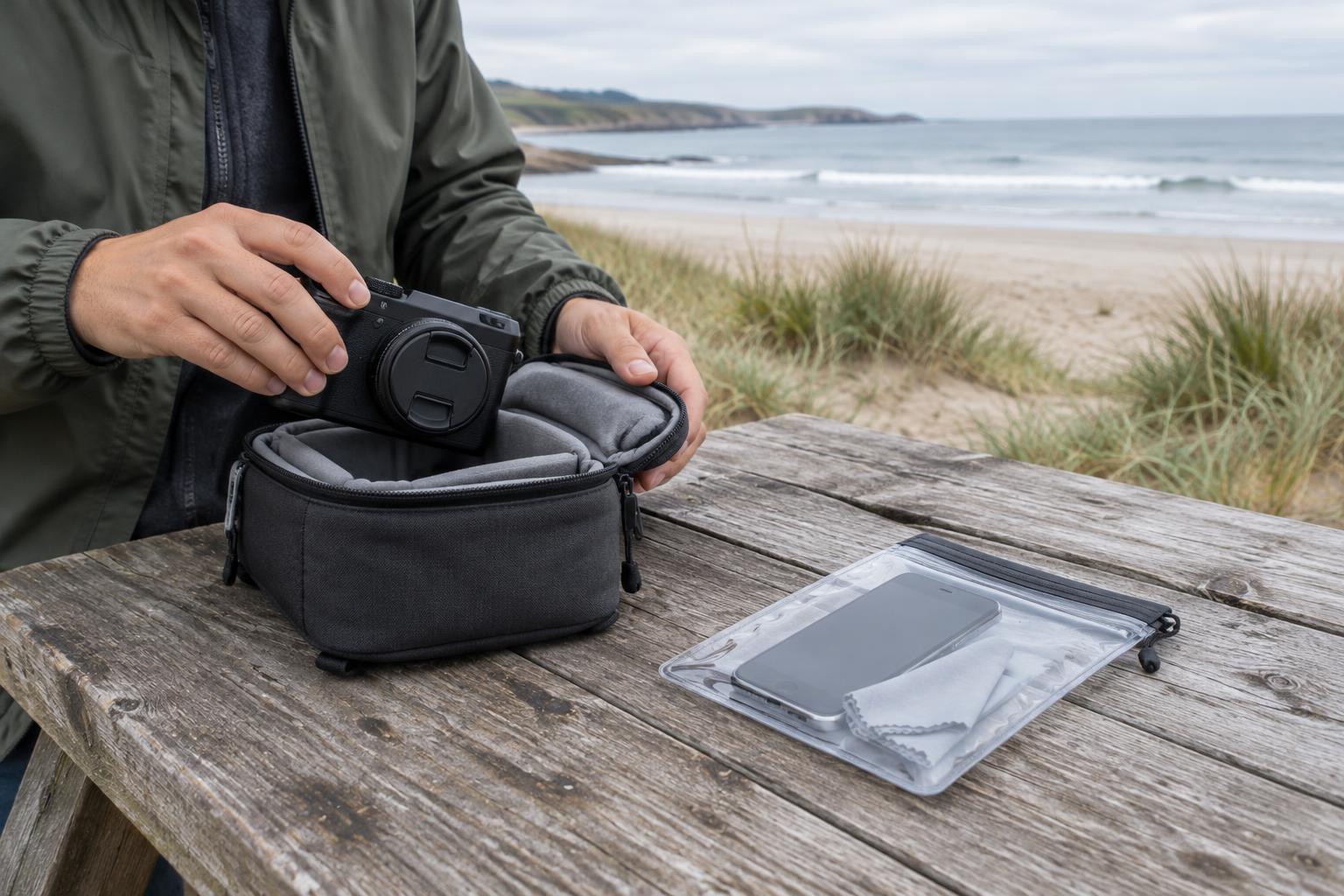
A small day bag keeps the essentials together when your main luggage stays behind. Carry water, a snack, sun protection, an extra layer and any personal items you need close at hand. A reusable bottle is useful where drinking-water refills are available; find out what options exist before setting out on a long walk. Keep your phone, tickets and identification in an accessible but secure place.
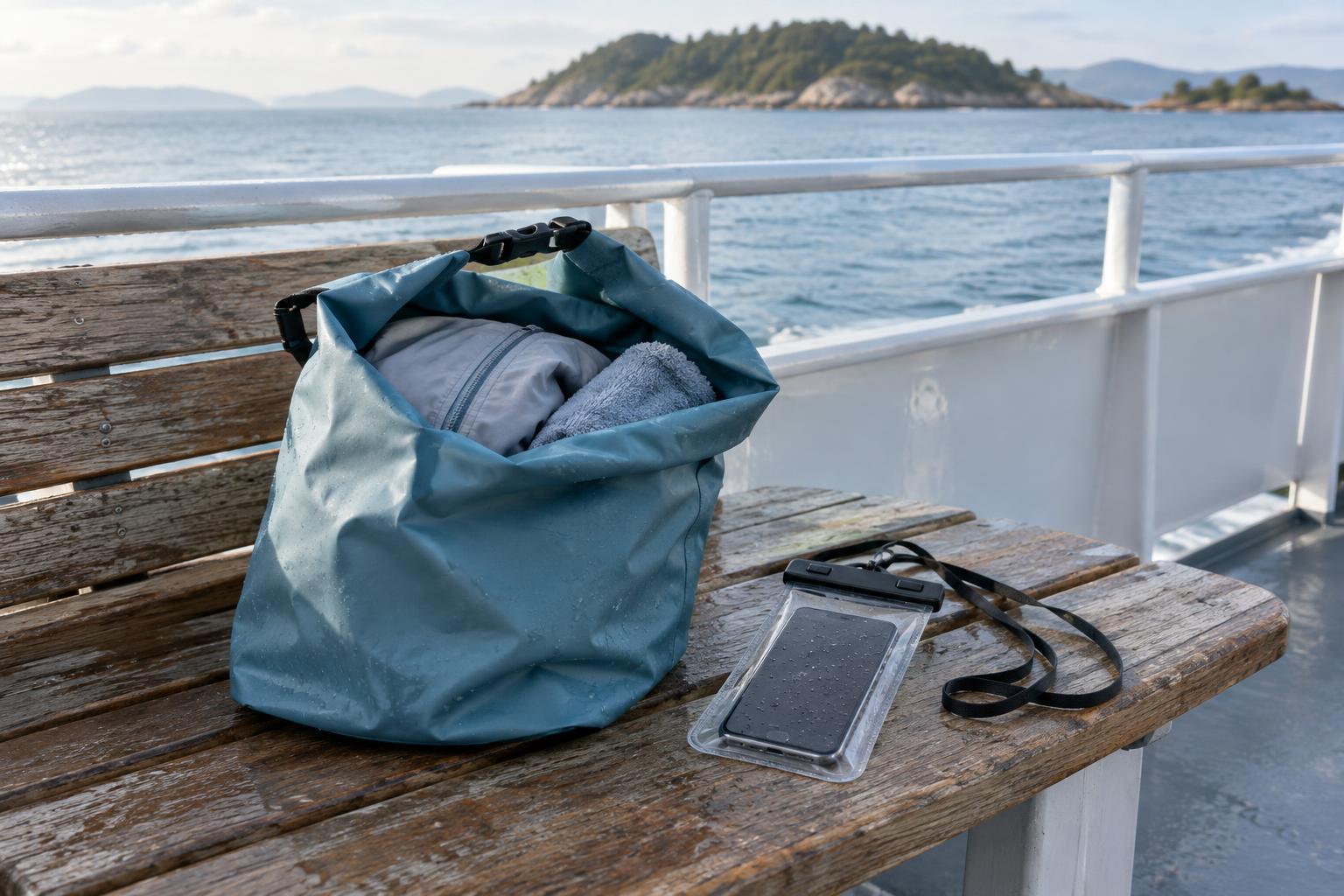
For boat or ferry journeys, put anything you may need during the crossing in the day bag rather than deep in your luggage. A compact waterproof pouch or sealed bag can protect a phone and documents from spray, rain or a leaking bottle. Download any maps or booking details you may need when reception is unreliable, and bring a charging cable and power bank if your travel day will be long.
Keep the small things simple
Pack your usual toiletries in containers that suit your baggage and accommodation, plus any personal medicines you routinely use. A few tissues, a small first-aid kit and a bag for rubbish or damp swimwear can solve everyday inconveniences without taking much space. If you will be washing clothes on the trip, a little laundry detergent may help you bring fewer outfits.
Before closing your bag, review each item by asking when you expect to use it. Remove duplicates that serve the same purpose, but keep the layers and footwear that match your plans. Coastal trips are easier to enjoy when you can move between a path, a boat and a café without reorganizing your belongings every time. A modest, well-chosen kit leaves more attention for the place itself.