Start with the trip from the ferry
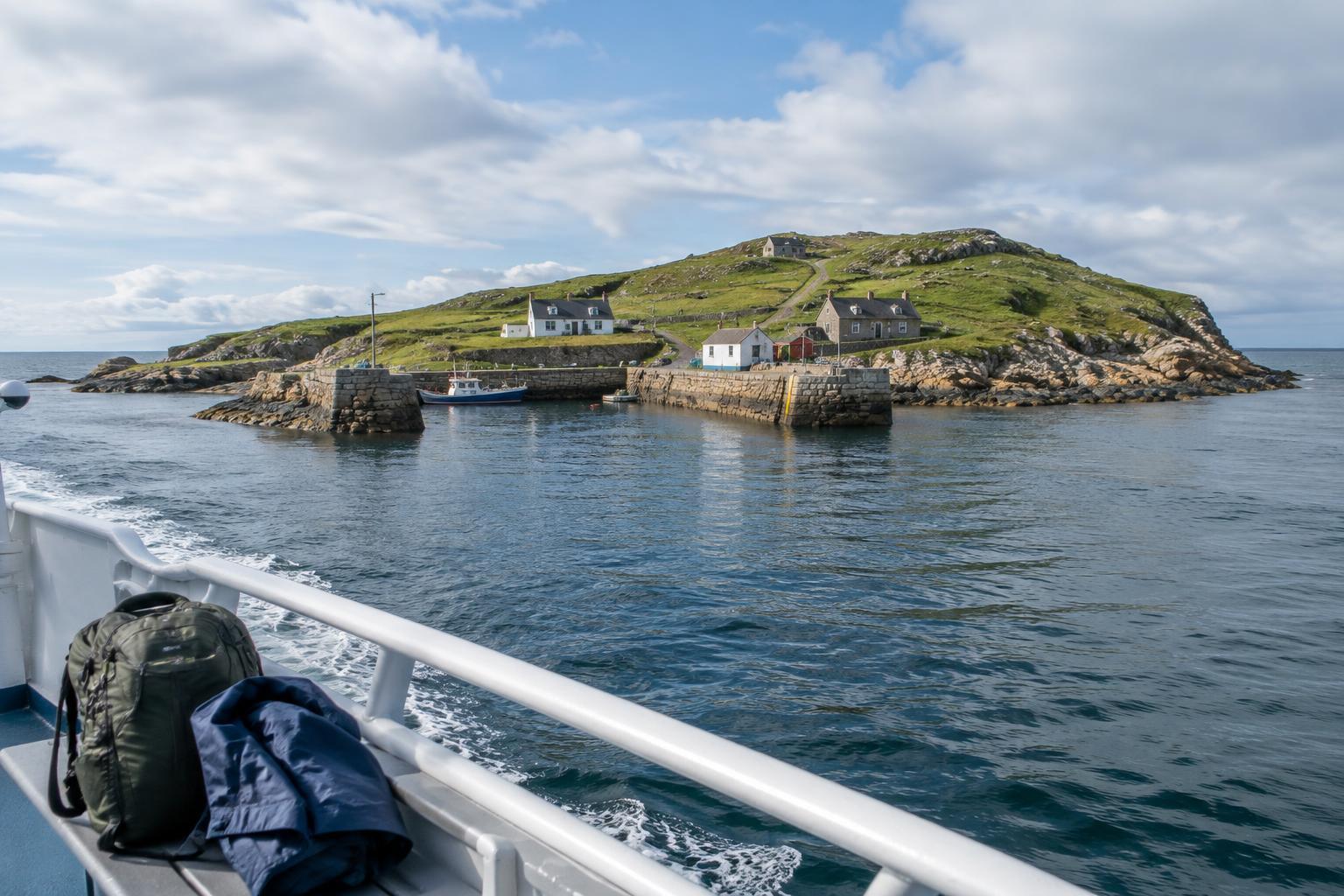
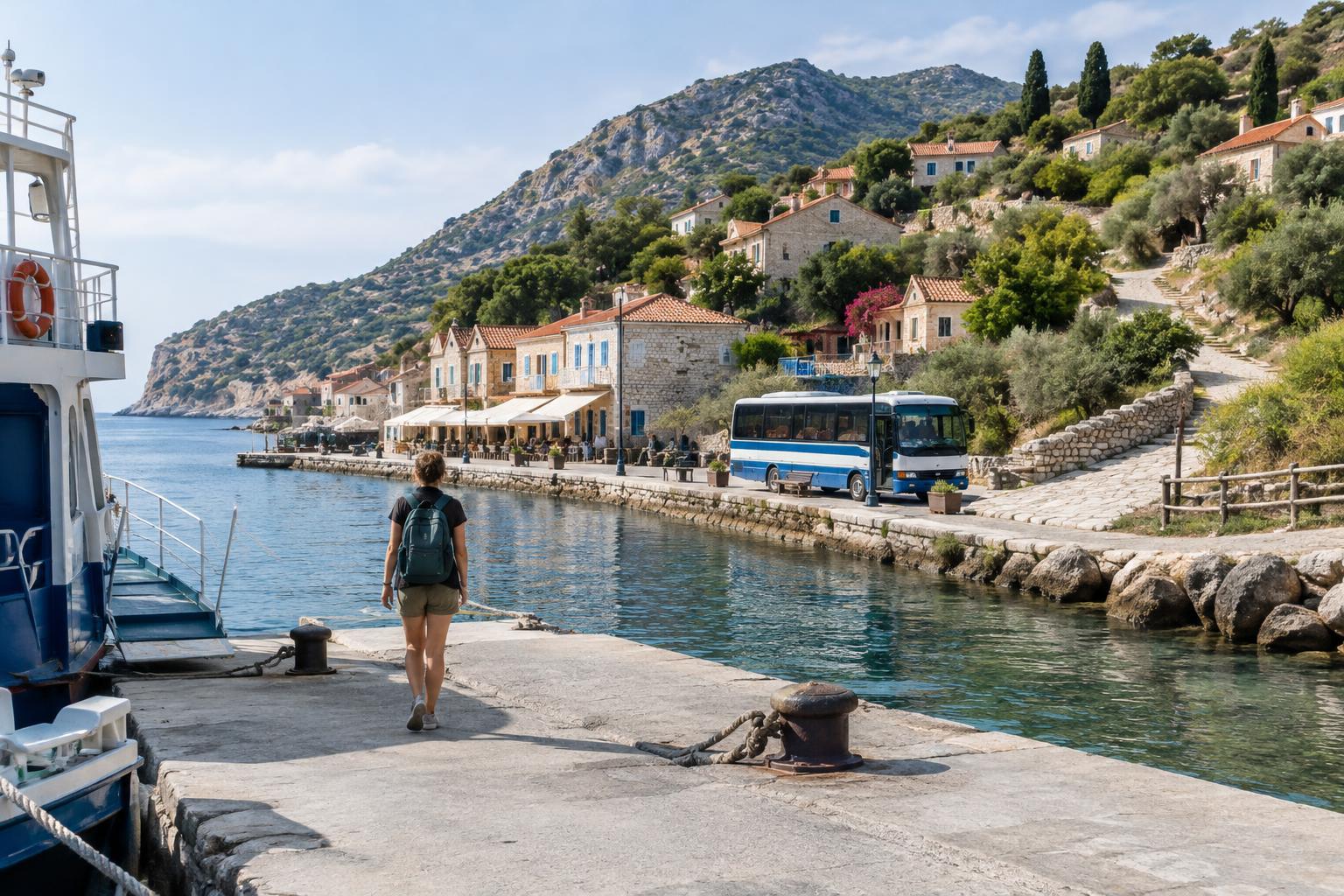
The first test of a car-free island trip is not how much there is to see. It is whether you can get from your arrival point to a comfortable base without an awkward or expensive transfer. Check where the ferry actually lands, not just the name of the island on the timetable. A port may be beside the main village, or it may be some distance away on a road with no convenient onward service.
Look at the whole arrival sequence: the time the boat docks, how long you will need to collect luggage, and whether a bus, shuttle, taxi or safe walking route is available then. Do the same for departure day. An early sailing can be a poor fit if your accommodation is far from the port and local transport does not run early enough. If you are carrying a heavy bag, a short distance with steep steps or an unpaved path may also matter more than it appears on a map.
Choose a base that supports ordinary days
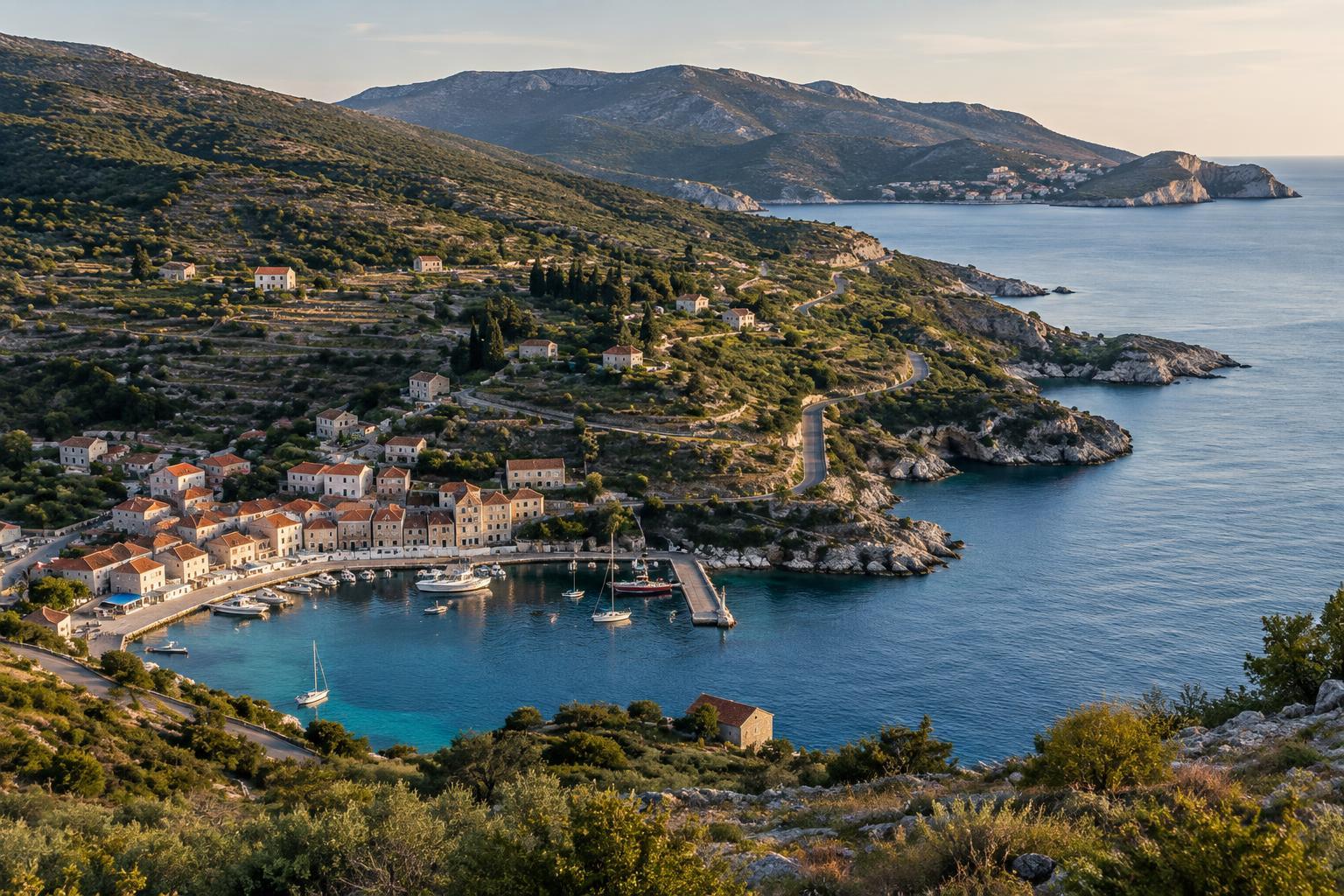
A useful car-free base puts everyday needs within easy reach. Before booking, locate groceries, places to eat, a place to get drinking water, and the transport stops you expect to use. A village with a pleasant waterfront may be appealing, but it is less convenient if the nearest shop is across a steep hill. Accommodation descriptions sometimes call a property “central” without making clear whether that means close to the port, the beach or the island’s largest settlement.
Think about what you want to do after an outing, too. If you return tired or wet, will you be able to have dinner without arranging another ride? Could you spend a quiet day nearby if the weather changes? A well-chosen base does not have to put every sight within walking distance. It should make an unplanned afternoon manageable rather than turning each meal and errand into a transport problem.
Judge connections by timing, not just coverage
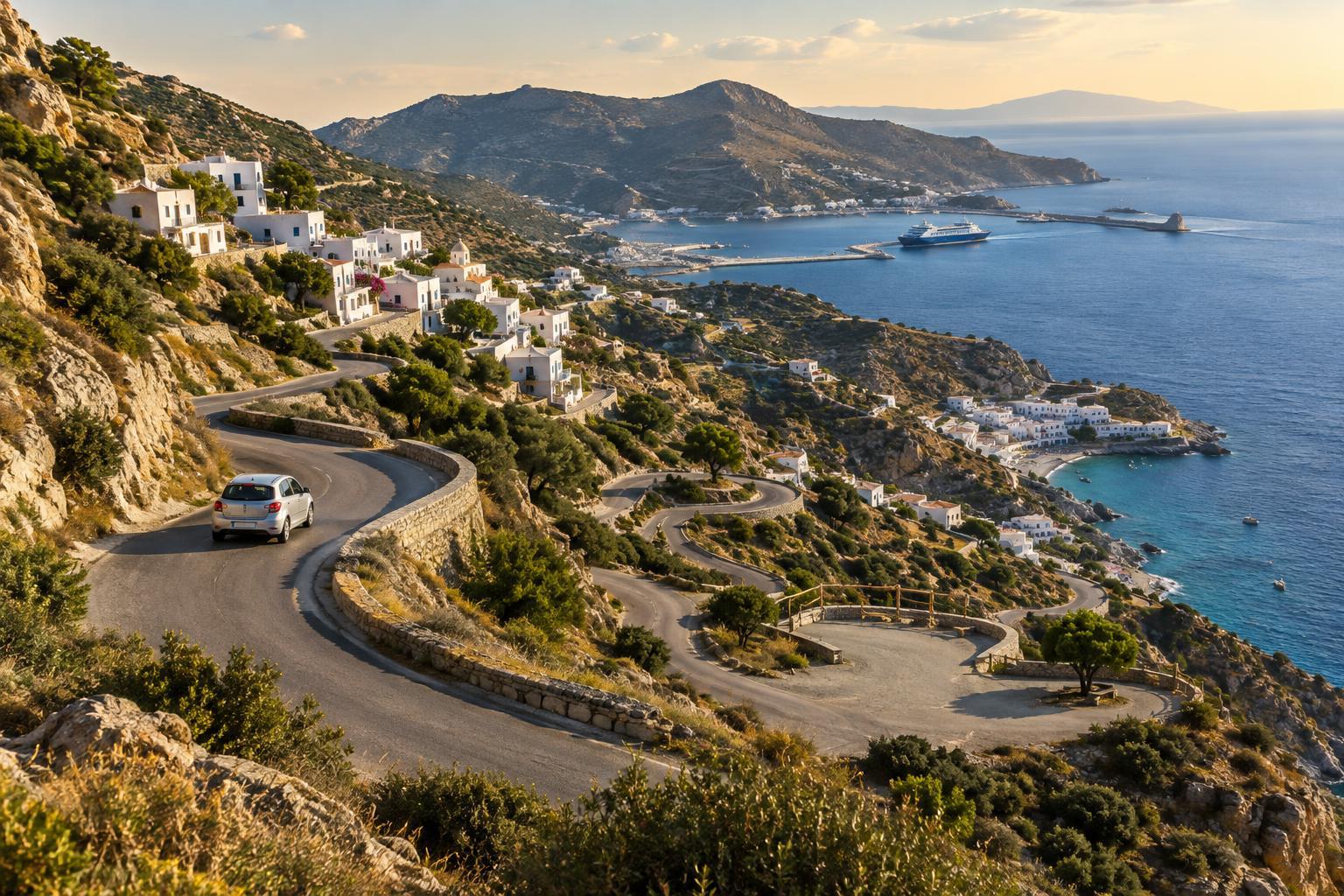
A bus route on a map is a promising sign, but its timetable determines how useful it is. A service that reaches a beach or trailhead once in the morning may work well for a full-day visit and poorly for a short stop. Note the last return departure, whether services differ by day, and where transfers are needed. Check the arrangements for the season in which you intend to travel rather than assuming that a route operates the same way throughout the year.
Walking, cycling and water taxis can fill gaps, but each has limits. A walkable distance may involve fast traffic, little shade or a long climb. A bike-friendly coastal road may feel very different in strong wind. A boat connection may depend on suitable conditions or require advance booking. Build a simple itinerary around the least flexible legs first, then leave room for slower discoveries close to your base.
Look beyond the island’s size
Small islands are not automatically easy without a car, and larger ones are not automatically difficult. The shape of the road network, location of villages and condition of paths often matter more than area alone. A compact island with scattered settlements and no continuous footpath can be harder to explore than a larger island with frequent buses linking its main towns.
List a few places you most want to visit and group them by area. If they sit along one reliable transport corridor, a car-free trip may be straightforward. If they are spread across remote headlands, consider whether you would enjoy choosing only some of them. This is often the key distinction: exploring an island without a car can be practical without making every corner accessible on the same trip.
Make room for the island you can reach
A good car-free plan has alternatives. Pair an ambitious day trip with an easier walk near your lodging, and allow enough time to return without relying on the final possible connection. Pack so you can move comfortably between the port and your accommodation, with footwear suited to the routes you expect to take. If mobility, luggage or travel with children changes what feels manageable, assess each transfer for your own group rather than using distance alone as the measure.
The most satisfying car-free island stays often come from accepting a smaller radius. You may revisit a bakery, notice how the harbor changes through the day, or take a familiar path at a different pace. Before you book, confirm the essential connections and choose a base that works on an ordinary day. Then let the island’s available routes shape the journey instead of treating them as obstacles to overcome.