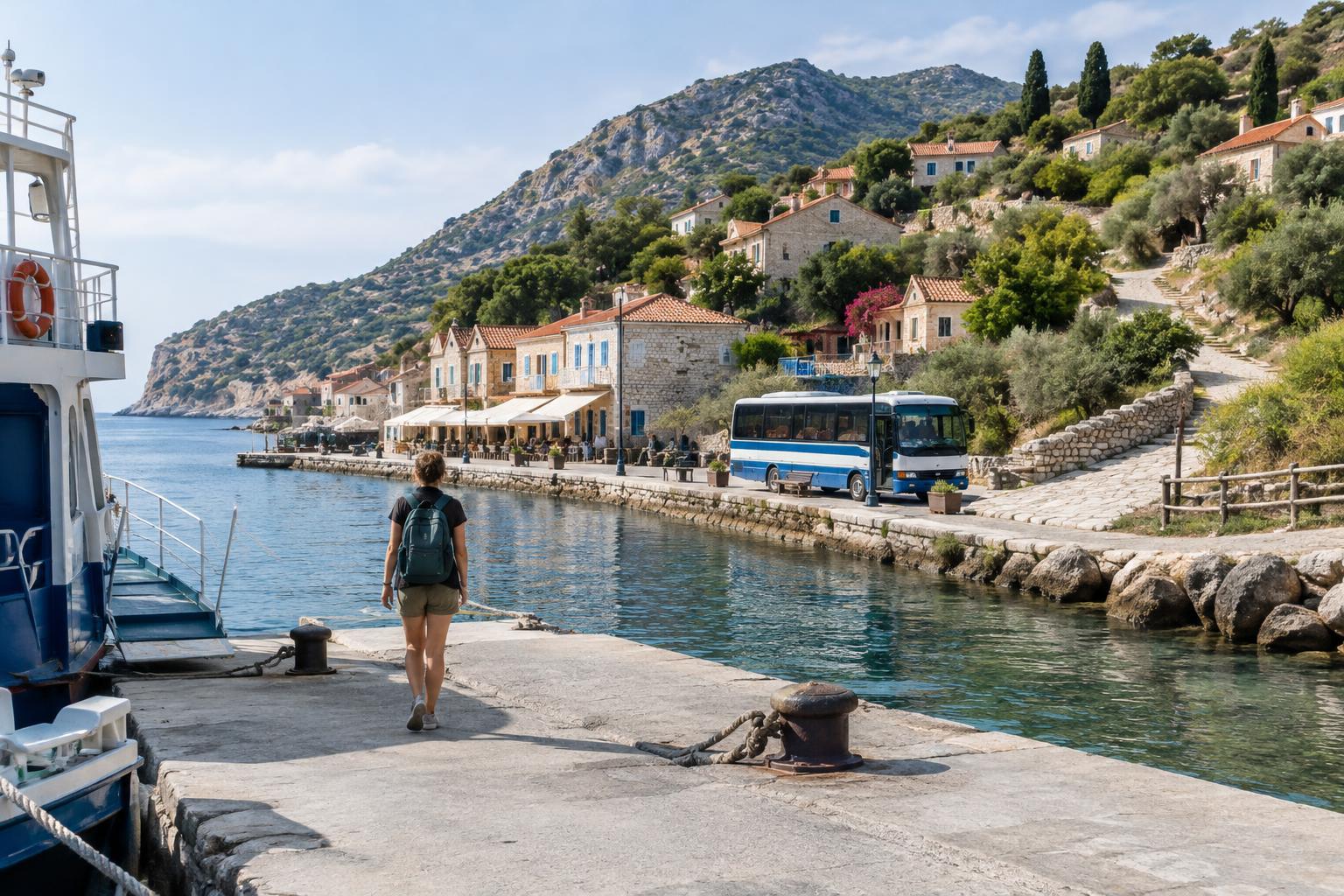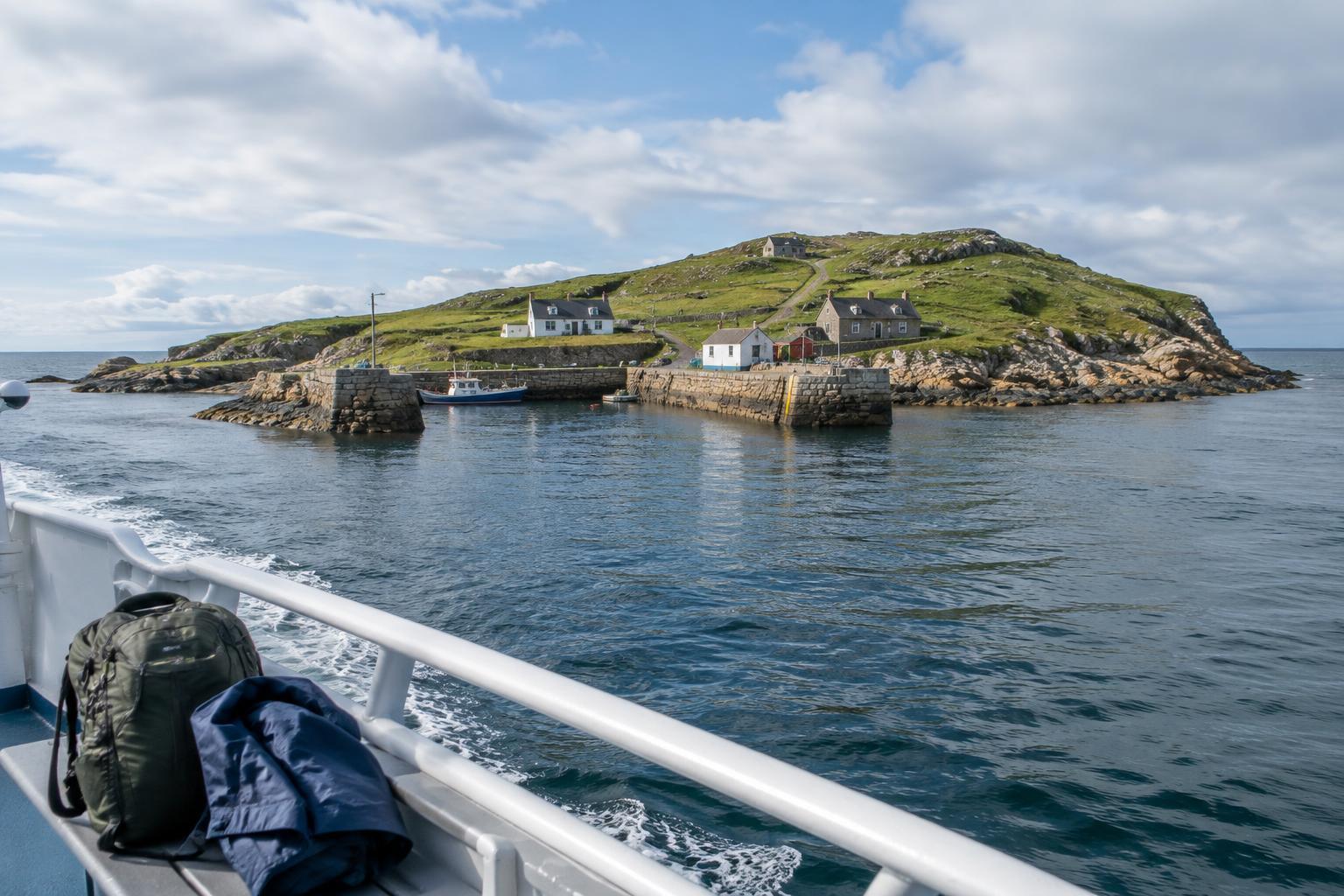
Start with the crossing, not the wish list
A day trip begins with a simple question: how many usable hours will you have on the island? Check the outbound and return sailings for the day you intend to travel, including the departure points on both shores. Allow time to reach the terminal, follow any check-in instructions and find your way back to the island pier. A timetable that appears to offer a full day may leave less time ashore than you expect.
Before buying a ticket, look for the operator’s rules on reservations, luggage and bicycles, and check whether the service can change in poor weather or at certain tides. If you are connecting to a train, bus or another boat, avoid a tight final connection. The calmer plan is usually one with enough margin to cope with a delayed crossing or a walk that takes longer than expected.
Choose one area to explore well
Smaller islands can look easy to cover on a map. In practice, paths may be uneven, lanes may be narrow and a scenic detour can absorb much of the afternoon. Pick one main destination, such as a village, a coastal path or a sheltered beach, then add a nearby option if time allows. Check walking distances from the landing place rather than measuring from the island’s centre.
Think about the kind of day you want. If the pleasure is a long shoreline walk, arrange food and transport around it. If you would rather visit a museum, harbour or café, check opening information before setting out; smaller places may have limited hours. Leave a stretch of unplanned time to sit by the water, browse a local shop or simply watch the boats.
Plan for changing conditions
Island weather can feel different from conditions at your starting point, particularly on an exposed pier or headland. Check the forecast close to departure and dress in layers you can carry comfortably. A light waterproof, sun protection and shoes suited to your intended route are often more useful than an ambitious amount of spare clothing. If your plans depend on swimming or crossing tidal ground, seek reliable local guidance before you go.
Save the return sailing details where you can reach them without a signal, and find out how the operator announces service changes. Carry what you would need if the trip home took longer than planned: water, any essential medication, a charged phone and a way to pay for food or transport. You do not need to prepare for every possibility, but a small margin makes it easier to enjoy the day.
Treat food and services as part of the itinerary
Find out what is available near the landing place and along your route. A café or shop may be a lovely part of the visit, but it is worth knowing whether you will pass another place to refill water or buy lunch. Bringing a modest snack gives you flexibility without making the day revolve around supplies. If you hope to eat somewhere in particular, check its hours and whether booking is possible.
Keep your bag manageable, especially if you will carry it all day. Pack a refillable bottle, a layer for the crossing and a bag for your rubbish. Download a map or note key turnings before leaving the mainland. In a small harbour community, public bins, toilets and waiting areas may be limited; knowing where facilities are can save both time and frustration.
Leave the island as welcoming as you found it
A day visitor shares a small place with residents and with people who depend on the crossing for everyday journeys. Keep paths and gates clear, follow signs about access and give wildlife space. Stay on established routes where requested, particularly near nesting areas or fragile coastal plants. If a lane passes close to homes, remember that it is someone’s neighbourhood, not just a scenic shortcut.
Aim to be back near the pier with time to spare rather than turning the final hour into a race. You might use that buffer for a last look across the harbour or a conversation with a shopkeeper if they are not busy. A successful smaller-island trip need not cover every viewpoint. It is enough to make the crossing, get to know one corner of the island and return with a clearer sense of the place.