Start with the trip you want to feel
A single-island stay and an island-hopping route can both make for a memorable journey. The difference is less about how much you see than about how you spend your days. Staying put gives you time to return to a favorite beach, learn the rhythms of a village and leave room for an unplanned walk or a long lunch. Hopping between islands offers contrast: different landscapes, harbors, food traditions and ways of getting around.
Before drawing a route, ask what you hope to remember. If you want to get to know a place beyond its main sights, one island may be enough, especially if it has several towns or distinct coastlines. If the crossings themselves appeal to you and neighboring islands offer experiences you cannot find in one place, a multi-island trip may be worth the effort. Neither approach is automatically more adventurous or more authentic.
Count travel days, not just nights
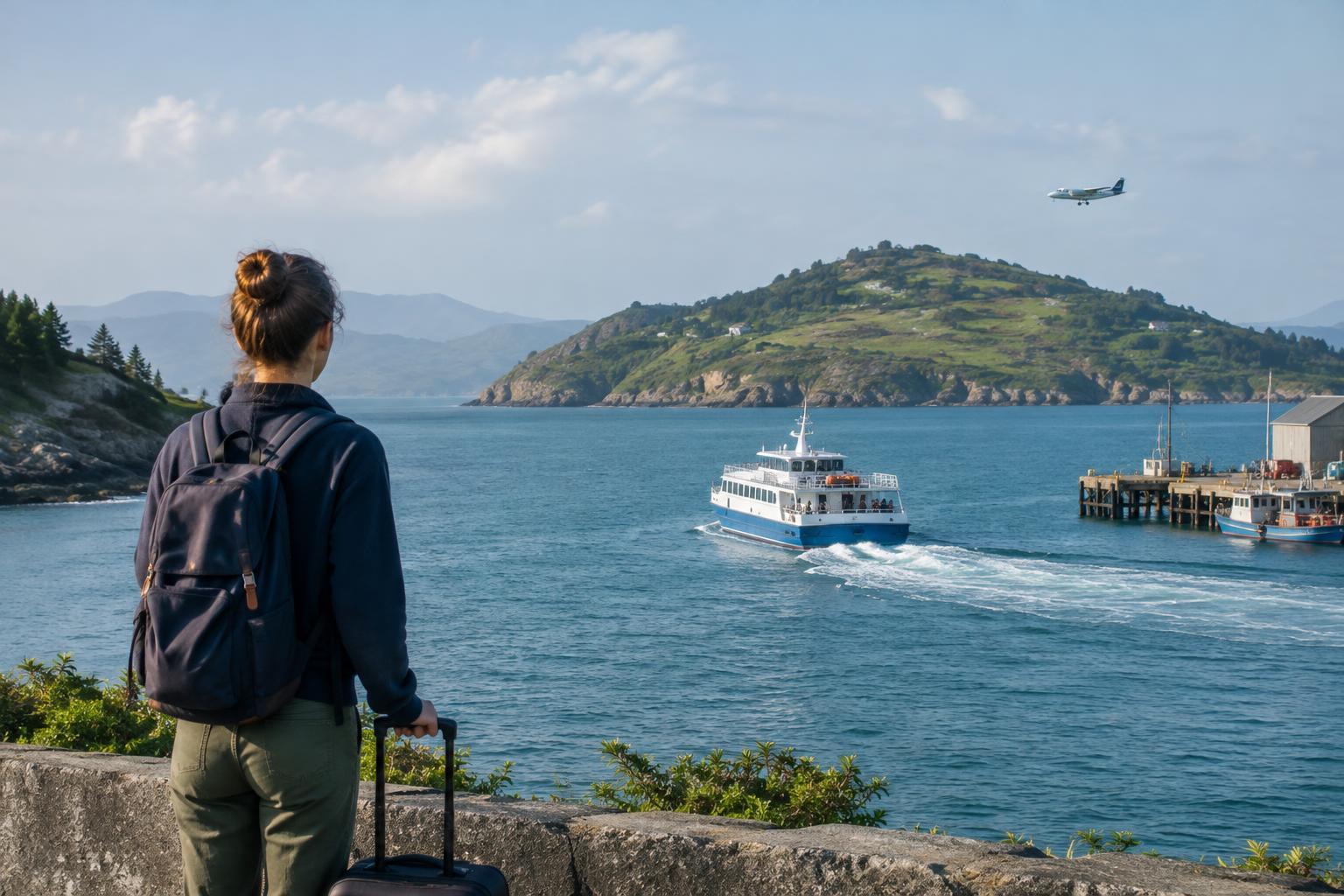
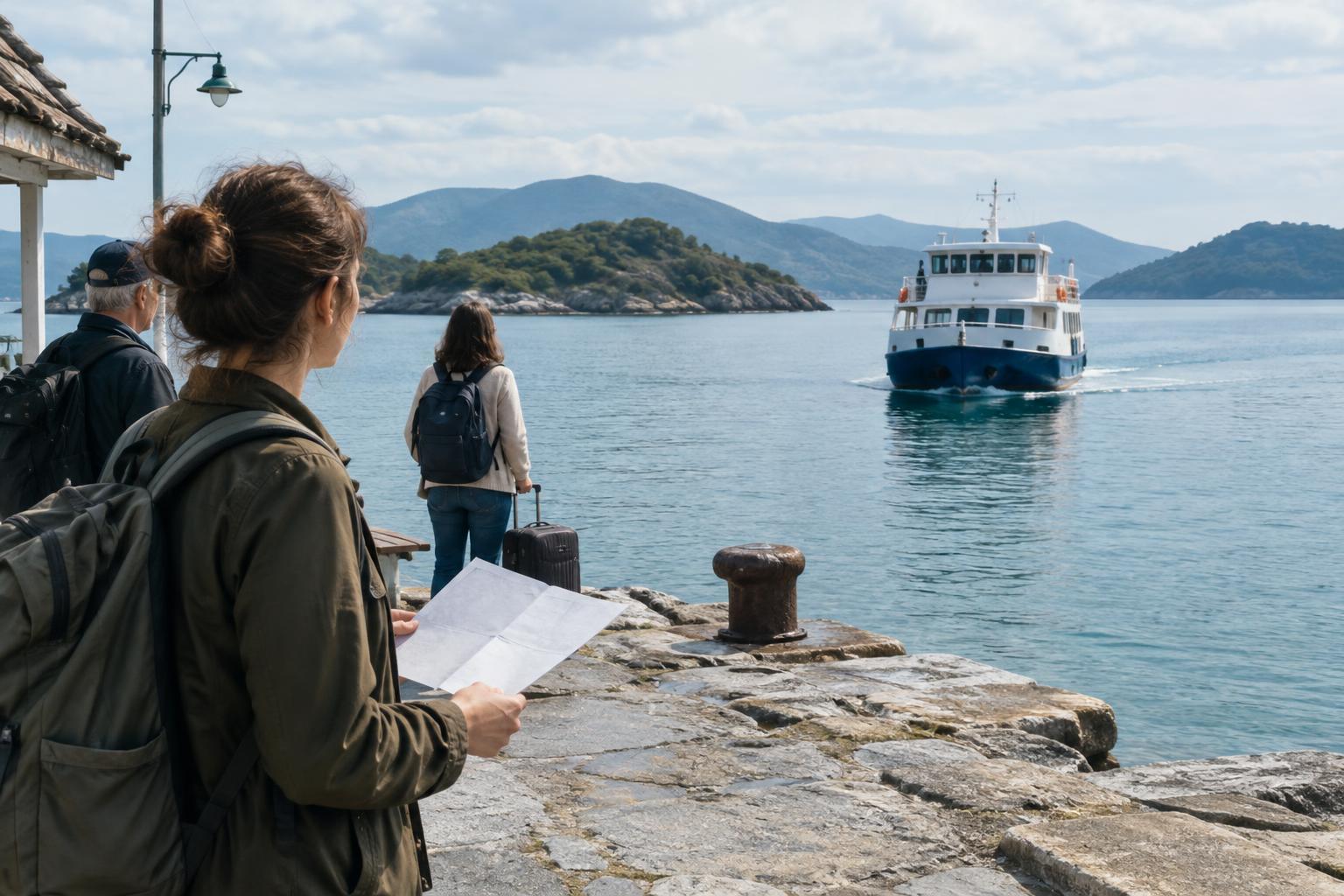
On a map, a short sea crossing can look like a minor addition to the itinerary. In practice, changing islands can involve checking out, reaching a port, waiting, sailing, finding your next lodging and settling in. A crossing may take up much of a day even when the time aboard is brief. Packing and unpacking also take energy, particularly if you are using buses or walking with your luggage.
Work backward from your usable days. Mark arrival and departure separately, then give each island enough time for at least one day that is not organized around a transfer. If the resulting schedule leaves you with little time away from ports, consider dropping a stop. A single base does not mean standing still: you can explore different parts of the island without moving your belongings each time. Where suitable services exist, a day trip can offer a taste of another island while keeping your main itinerary simple.
Make transport and weather part of the plan
An island-hopping itinerary depends on connections. Check whether the crossings you need operate on the days you intend to travel, how reservations work and how you will get between each port and your lodging. Some routes may be straightforward without a vehicle; others become awkward when onward transport is limited. Think about what happens if you miss a connection or a sailing changes, especially before a flight or another fixed commitment.
Weather can shape either kind of trip, but it matters more when several moves depend on the sea. You cannot plan away disruption, so build in flexibility rather than packing every day tightly. Staying on one island may make it easier to swap an exposed beach day for a sheltered walk or a museum visit. If you do hop, consider placing a buffer before your journey home and avoid relying on a final crossing that leaves no margin for a change of plans.
Compare the full cost of moving
Lodging rates are only one part of the comparison. Multiple stops can add fares, baggage charges, port transfers, vehicle hire and meals bought while in transit. They may also leave you with less time to enjoy the places you paid to reach. A single-island stay can simplify spending and make it easier to shop locally or use one base for several outings, though transport around a larger island may still be a significant expense.
Sketch two rough budgets using the same number of nights: one based in a single place or region, and one with your preferred crossings. Include the journeys from your arrival point and back, not only the boats between islands. Then ask whether the extra cost of moving buys you something you genuinely value. If it does, a shorter, carefully chosen route may be more satisfying than trying to fit in every possible stop.
Choose a pace, then leave room to change your mind
A single-island stay is often a good fit if you have limited time, prefer spontaneous days or want to follow local routines. Island hopping may suit you if you enjoy planning connections, travel light and have enough time to settle briefly in each place. You can also combine the two approaches: spend most of the trip on one island and add a short stay on another that offers a clear change of scene.
Whichever plan you choose, resist treating islands as a checklist. Look at what each stop asks of you as well as what it offers. A slower itinerary can create space for coastal paths, conversations over food and the simple pleasure of watching a harbor change through the day. A well-paced hopping route can make the journey across the water part of the experience rather than an obstacle between destinations.