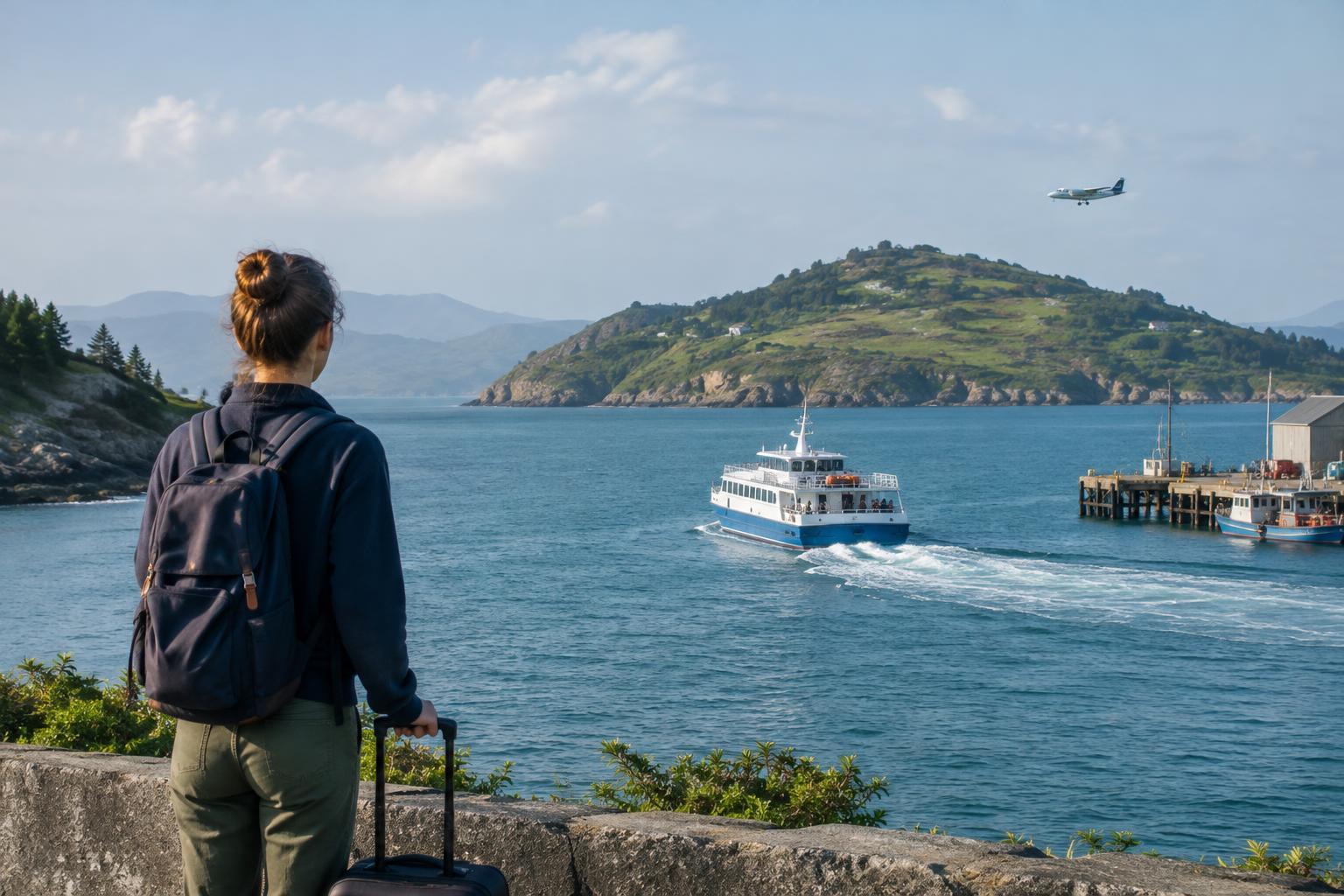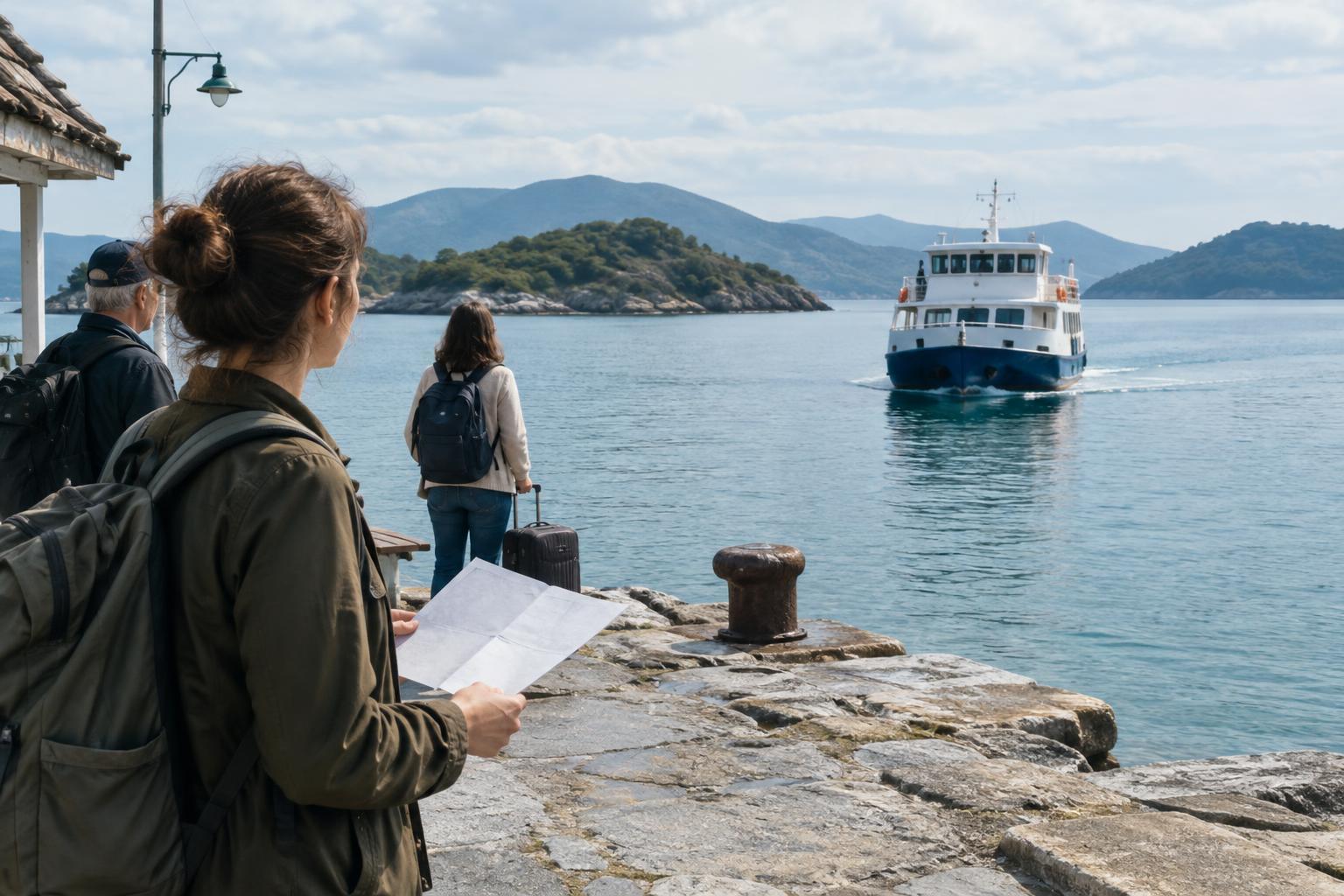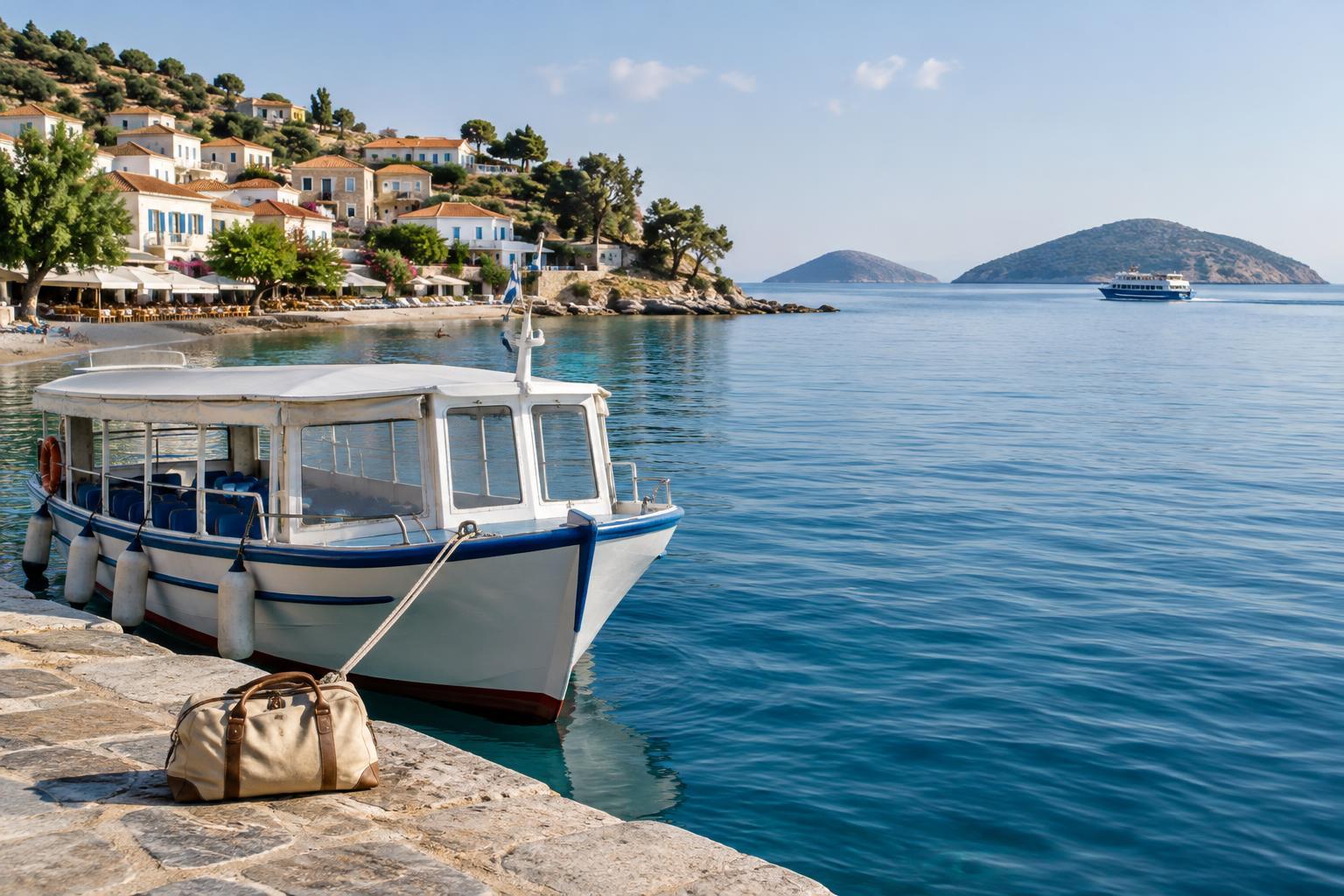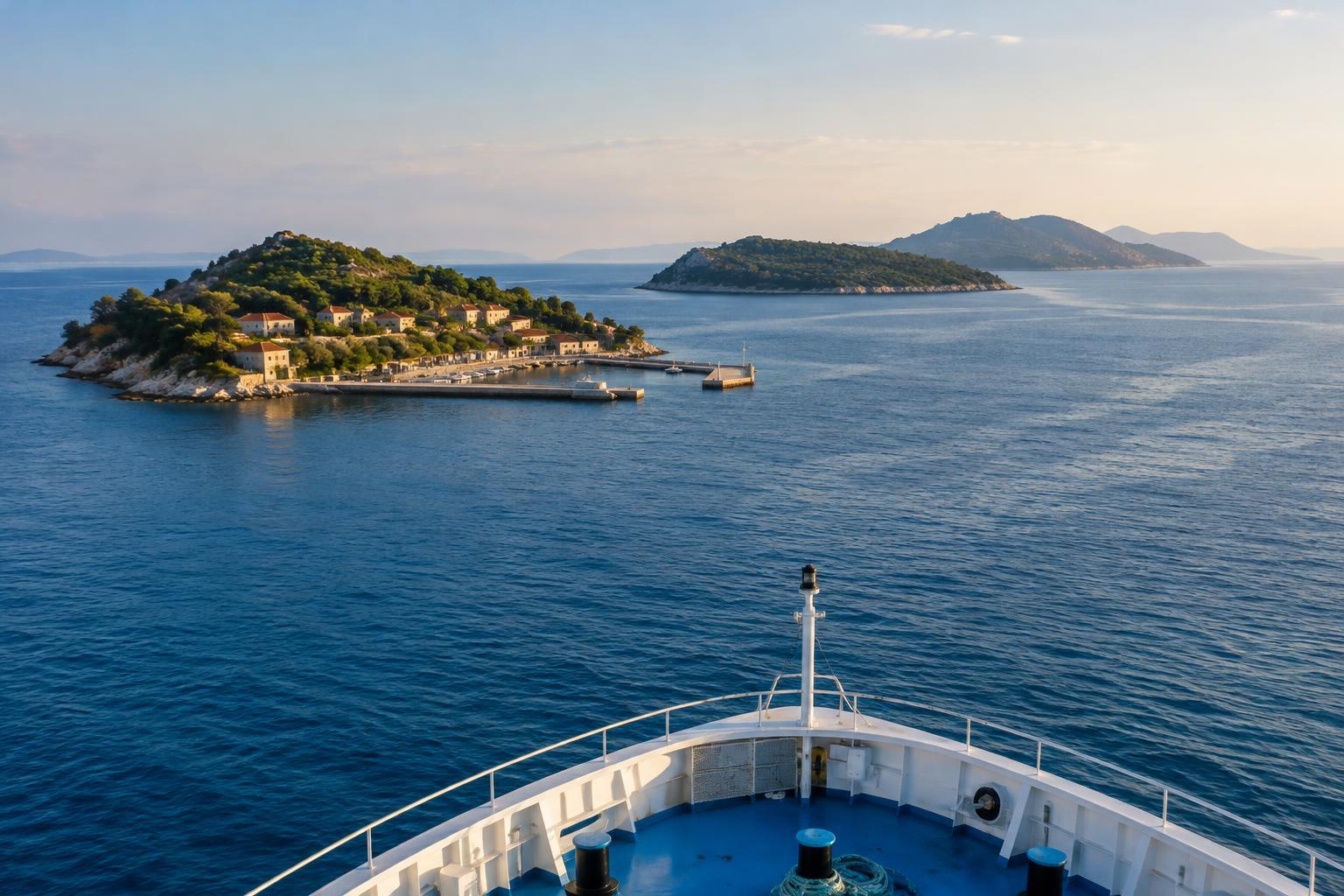
Start with the crossing, not the island list
It is tempting to begin an island-hopping plan by saving every appealing beach, village and viewpoint. A better first step is to identify where you can enter and leave the island group. Mark the mainland ports and airports you could realistically use, then look for a route that begins at one gateway and ends at another. If you must return to the same gateway, consider whether you can make a loop rather than retracing every crossing.
Next, sketch the transport connections between islands. A map shows which places are close, but it does not show whether a boat actually runs between them. Some neighboring islands connect only through a larger hub. Others may have direct services on limited days or in certain seasons. Treat the transport network, rather than the coastline, as the shape of your trip.
Choose a direction and give each stop a purpose
Once you can see the possible connections, arrange your stops in a broad direction: along a chain, around an arc or outward from a central port. Avoid adding an island merely because it looks close. If reaching it requires a return crossing, ask whether its landscape, food traditions or maritime history offer something you will not find elsewhere on the route.
Give each stop a role. One might be a place to walk coastal paths, another a base for exploring fishing villages, and a third a quiet finish before the journey home. This helps you choose between similar options and prevents the plan from becoming a race through ports. Fewer, longer stays often make room for local meals, changing weather and the simple pleasure of arriving somewhere by sea.
Test the route against real connections
A neat line on a map is only a draft. Check each leg in order: departure port, arrival port, operating days, approximate journey time and the time needed to reach your lodging. Pay particular attention to the first and last crossings. An early ferry may be difficult to catch after a late arrival, while a final crossing that connects tightly with a flight can make the whole trip feel fragile.
Also check whether a connection is suitable for the way you travel. A passenger boat may not take a vehicle, and a car ferry may use a port far from the town where you hope to stay. If you plan to walk or use local buses, include the journey on either side of the water. Before booking, confirm schedules and ticket conditions with the operators, since routes and availability can change.
Build in room for the sea to change your plans
Island travel depends on conditions that a tidy itinerary cannot control. Wind, rough water or limited capacity may disrupt a crossing. Leave space between an important ferry and a time-sensitive onward journey, particularly at the end of the trip. Where possible, spend the final night near your departure gateway rather than counting on a same-day connection from a smaller island.
Think through one fallback for each less frequent crossing. Could you stay another night, travel by a different island, or shorten the next stop without losing a prepaid reservation? Flexible lodging can be useful around uncertain legs, but it need not mean leaving the entire trip unplanned. Reserve the connections that matter most and keep some freedom in the days between them.
Accept the occasional useful detour
Avoiding backtracking is a useful goal, not a rule to obey at any cost. A return through a hub may be simpler than a complicated chain of infrequent boats. It can also provide a chance to restock supplies, visit a market or spend a night in a port town you would otherwise pass through. Compare routes by the time and effort they demand, not just by the number of crossings on a diagram.
Before committing, read the itinerary from start to finish as a traveler would experience it. Are there too many one-night stays? Does every transfer leave time for a meal and a walk, or only for finding the next dock? A good island-hopping route has a clear direction, dependable connections and enough breathing room to notice the places between departures.