Counting crossings instead of usable days
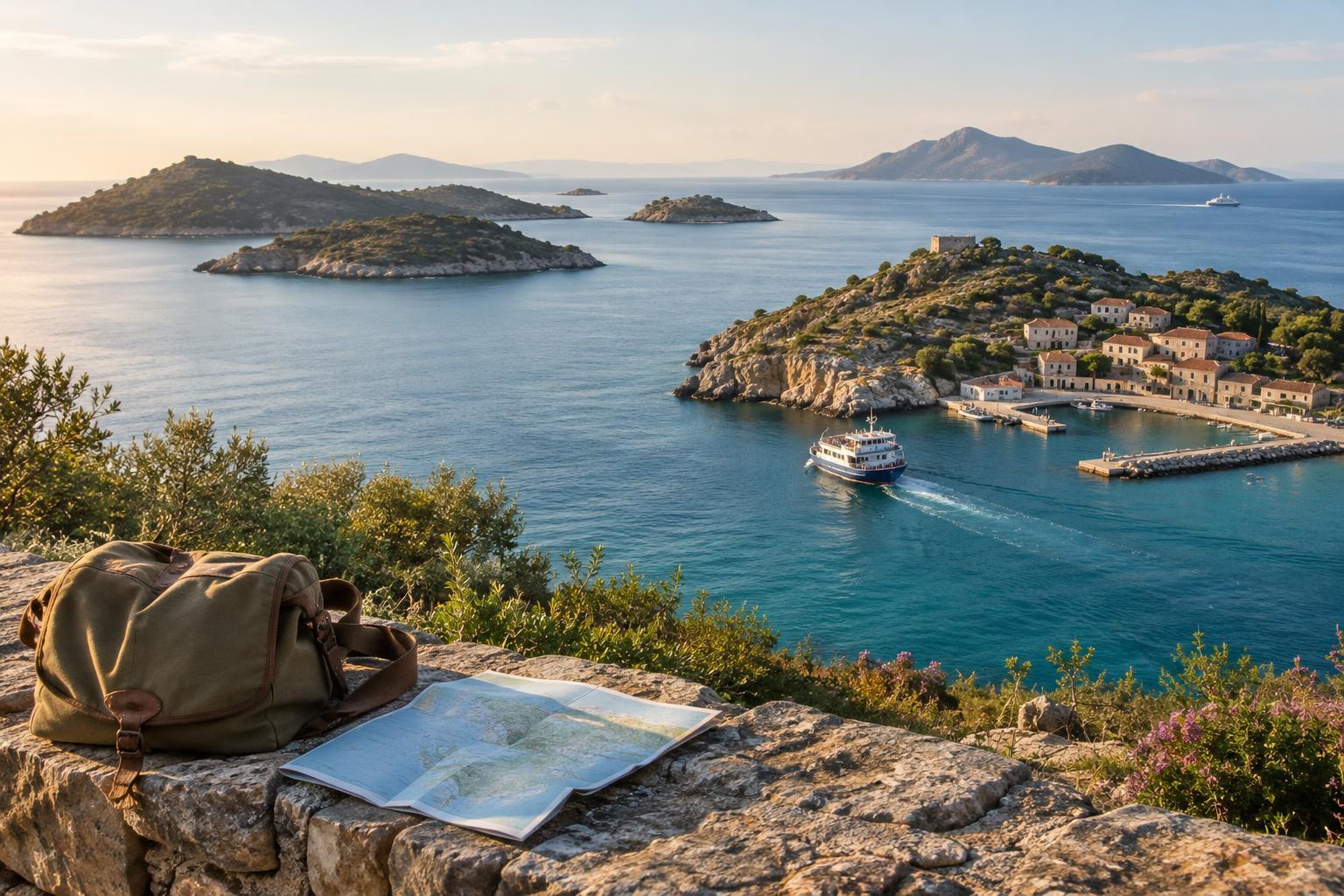
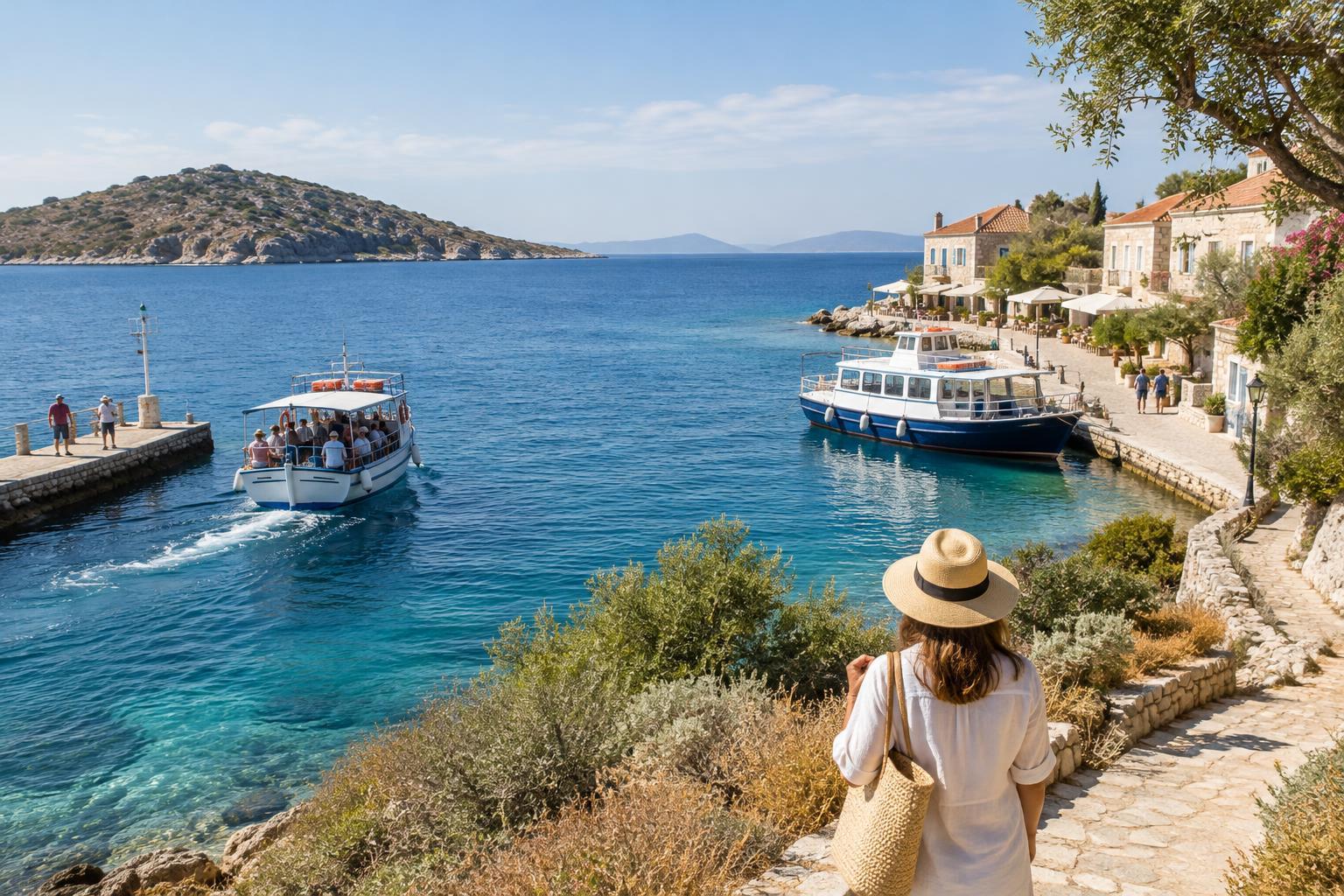
The most tempting island-hopping mistake is adding one more stop because it looks close on a map. A crossing that takes an hour can occupy much of a day once you include getting to the port, arriving before departure, waiting for luggage, reaching your accommodation and checking in. If you move every day or two, you may spend more time in terminals than on the islands you came to see.
Before booking, sketch the trip as nights rather than destinations. Mark each travel day and ask how much uncommitted time remains after the transfer. If an island offers walking routes, beaches, villages or local food you want to explore, give it enough time to do so without treating arrival day as a full day. Fewer stops often mean lower transport costs and a stronger sense of place.
Assuming nearby islands have easy connections
Distance across the water does not always predict travel time. Routes may run through a larger hub, use different ports or operate less often than you expect. A direct connection in one direction may not fit your preferred departure time in the other. Building an itinerary by drawing a line between islands can therefore lead to backtracking, an extra overnight stay or an expensive change of plans.
Plan around actual routes before choosing accommodation. Check which port each service uses and consider how you will reach it, especially with luggage. Keep a simple list of crossings, onward transfers and likely waiting periods. If two appealing islands are difficult to combine, choose the one that best fits the rest of your route rather than forcing both into the trip.
Leaving no margin for delays
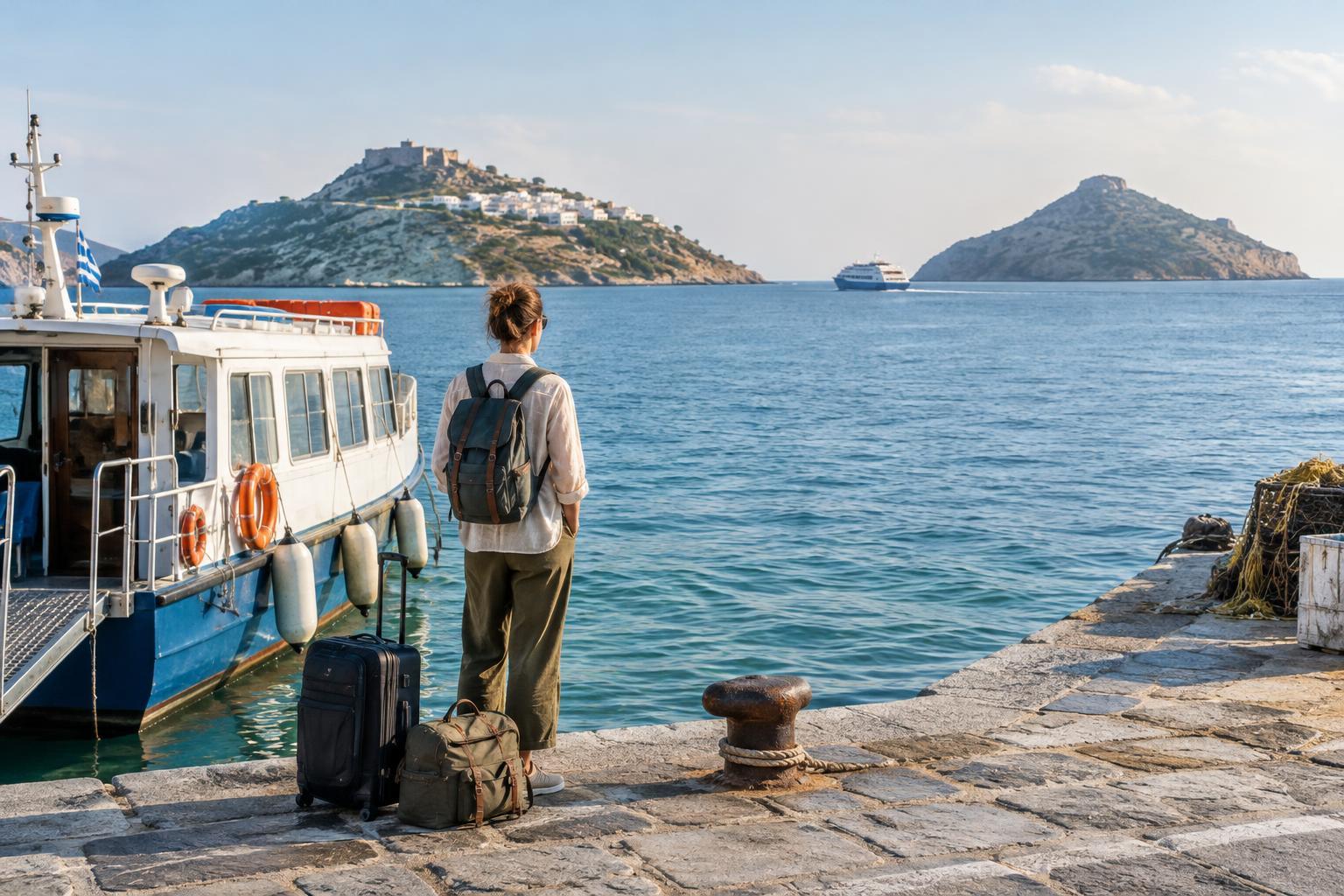
Boats and small aircraft can be affected by weather, operational changes and seasonal schedules. Even when every service runs as planned, a tight connection can fail because boarding closes before departure or the next terminal is farther away than expected. The most costly version of this mistake is arranging an island crossing and a long-distance flight on the same day with little room between them.
Build a buffer where missing a connection would be especially disruptive. An overnight stay near your departure point may feel less exciting than one last remote island evening, but it can make the final day easier. Keep essential medication, documents and a change of clothes in a bag you can carry yourself, and know what you would do if a crossing moved to the following day.
Comparing fares without counting the whole transfer
A cheap ticket is not necessarily a cheap move. Getting to an outlying port, paying for baggage, storing a suitcase, taking a taxi after arrival or booking a room for an inconvenient connection can change the total. The cheapest departure may also consume the part of the day you had set aside for an activity. A slightly higher fare at a useful time can offer better value.
For each leg, compare the door-to-door cost and time rather than the ticket alone. Check baggage rules and whether seats or vehicle space need to be reserved. If you plan to bring a rental vehicle, confirm that its terms allow the crossing and that taking it is worthwhile; on some routes, returning one vehicle and renting another may be simpler. Where practical, traveling light reduces both fees and the effort of repeated moves.
Booking every hour before you understand the islands
A full calendar can make a trip feel efficient on paper while leaving no space for a late lunch, a longer coastal walk or a conversation that changes your plans. It can also push you toward paid transport simply to keep up. Island travel is often more rewarding when the schedule reflects the pace and geography of each stop, not just a list of sights.
Reserve the crossings and accommodation that are important to the route, then decide which activities truly need advance booking. Leave some open time and group plans by area so you are not repeatedly crossing the same island. Before committing to a complicated itinerary, ask what you would happily skip. The aim is not to visit the maximum number of islands; it is to have enough time, money and energy to enjoy the ones you choose.