Start with the island, not the itinerary
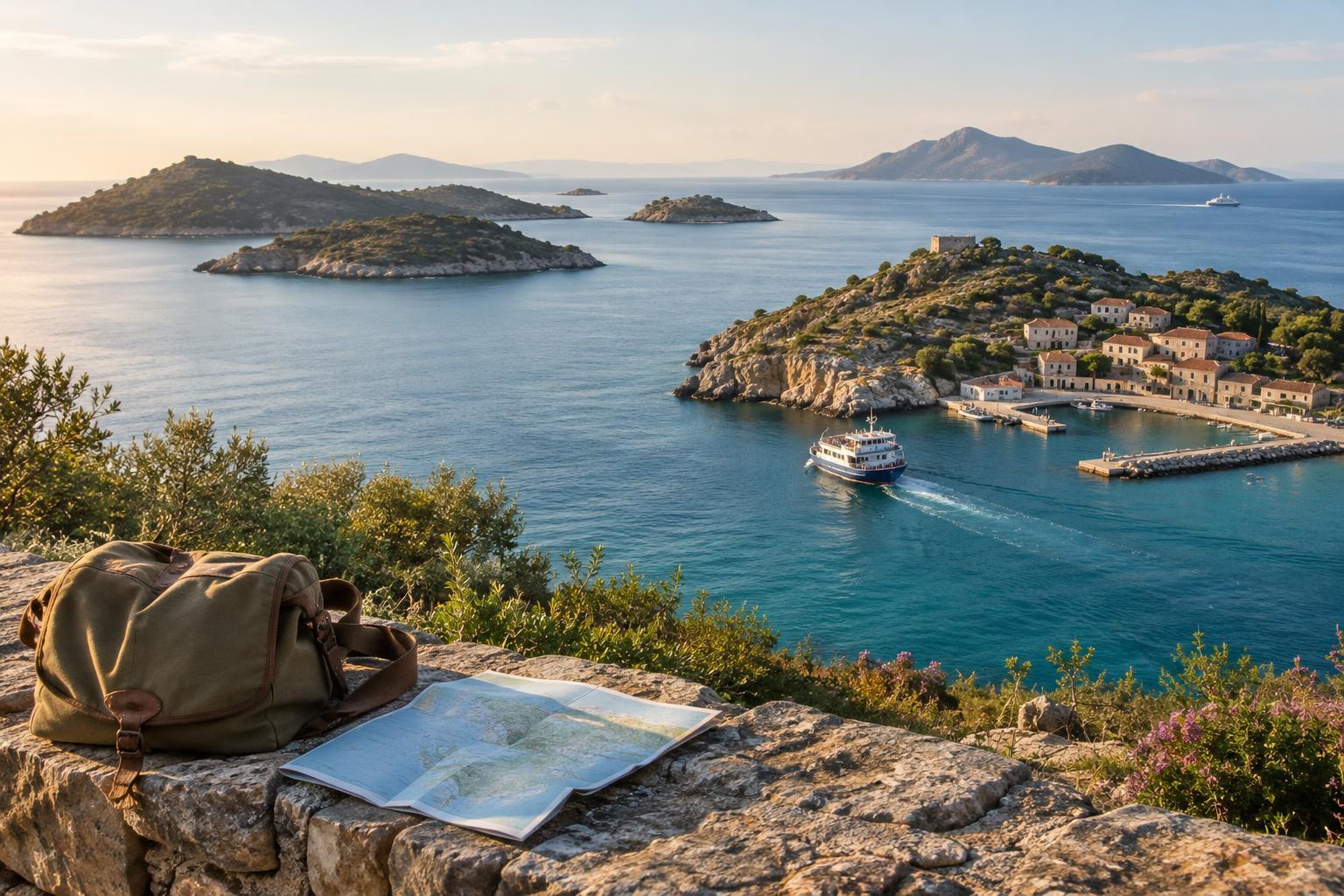
The best way to visit an island depends partly on the island itself. Some have regular passenger ferries, marked walking routes and villages close to the landing point. Others have limited transport, restricted areas or shores that are difficult to reach without a local skipper. Before choosing a guided trip or planning your own day, find out where visitors may land, how far the places you hope to see are from the port, and whether you can realistically reach them on foot.
Think about what you want from the visit. If your priority is to understand the coastline, a boat trip with someone who knows the coves, working harbors and local history may add more than a simple crossing. If you would rather spend an unhurried afternoon at a small museum, follow a walking trail or choose your own lunch stop, independent travel may serve you better. Neither option guarantees a richer experience; the useful question is how each one lets you spend your limited time.
Compare the day you will have, not just the route
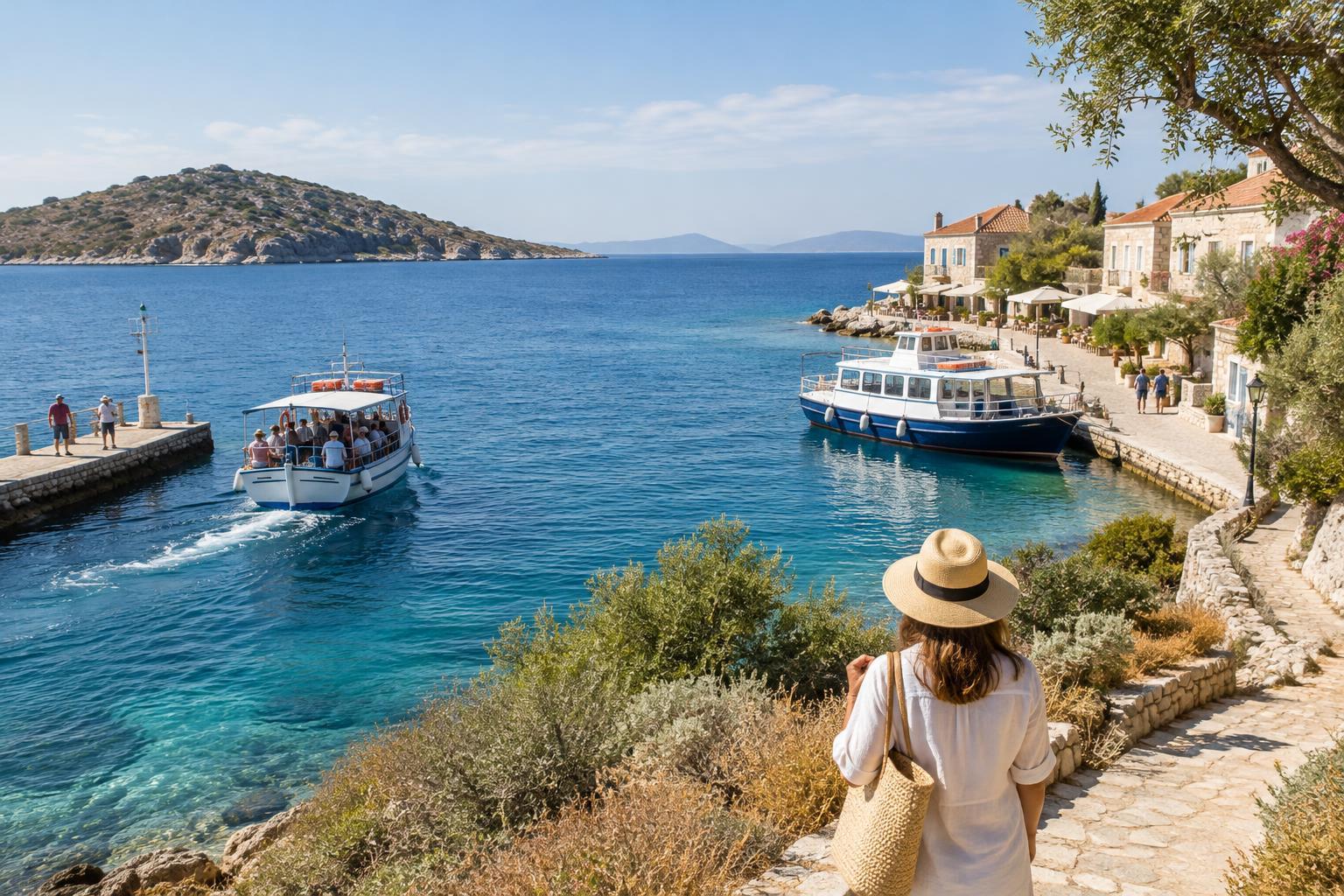
A guided boat trip often offers a clear sequence: departure, stops and return are arranged for you. That can be reassuring when connections are scarce or you are unfamiliar with local waters. Check the details, though. A trip described as an island excursion may spend much of its time cruising offshore, with only a brief landing. Ask how long you will be ashore, whether stops depend on sea conditions, and whether swimming or walking is optional or central to the schedule.
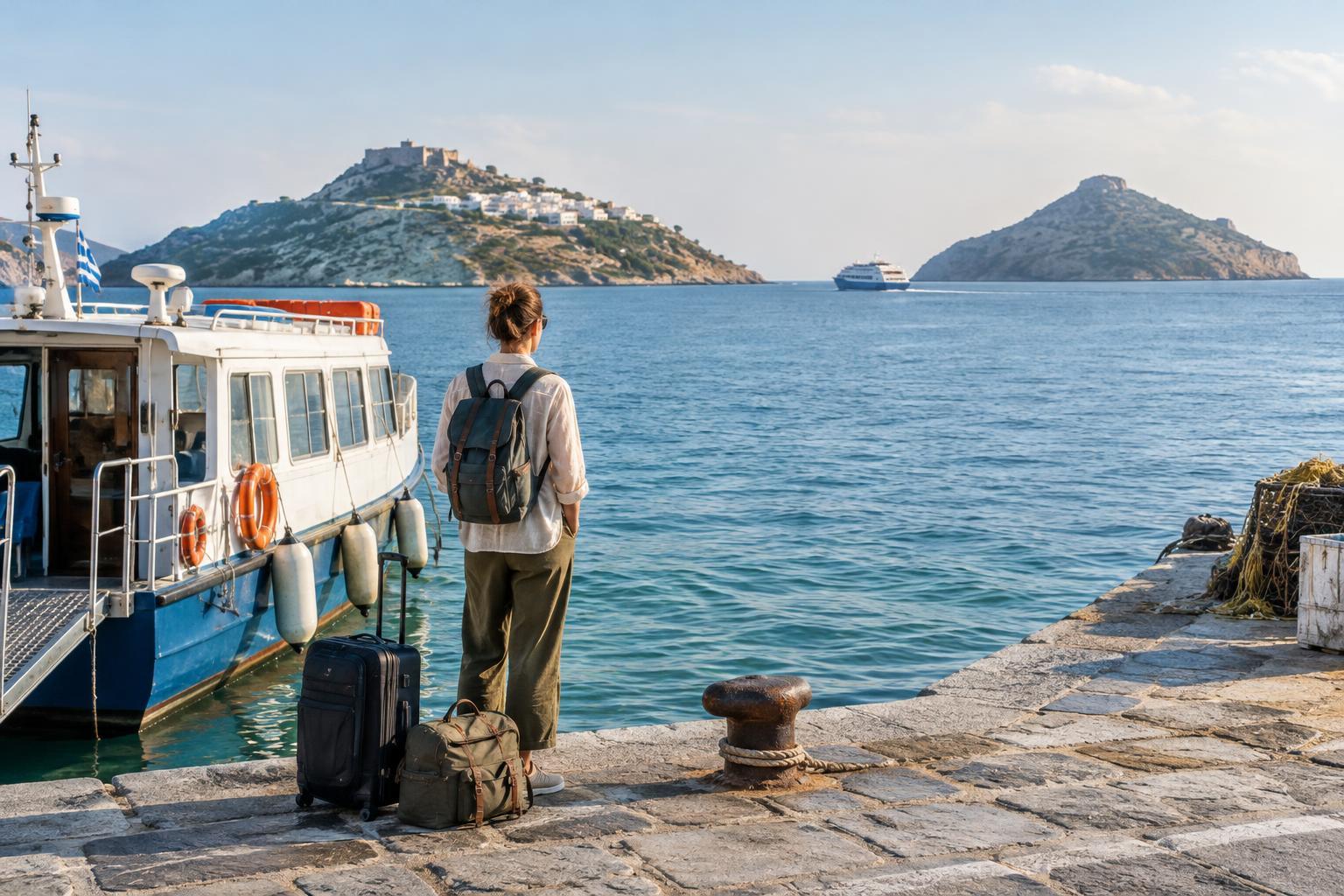
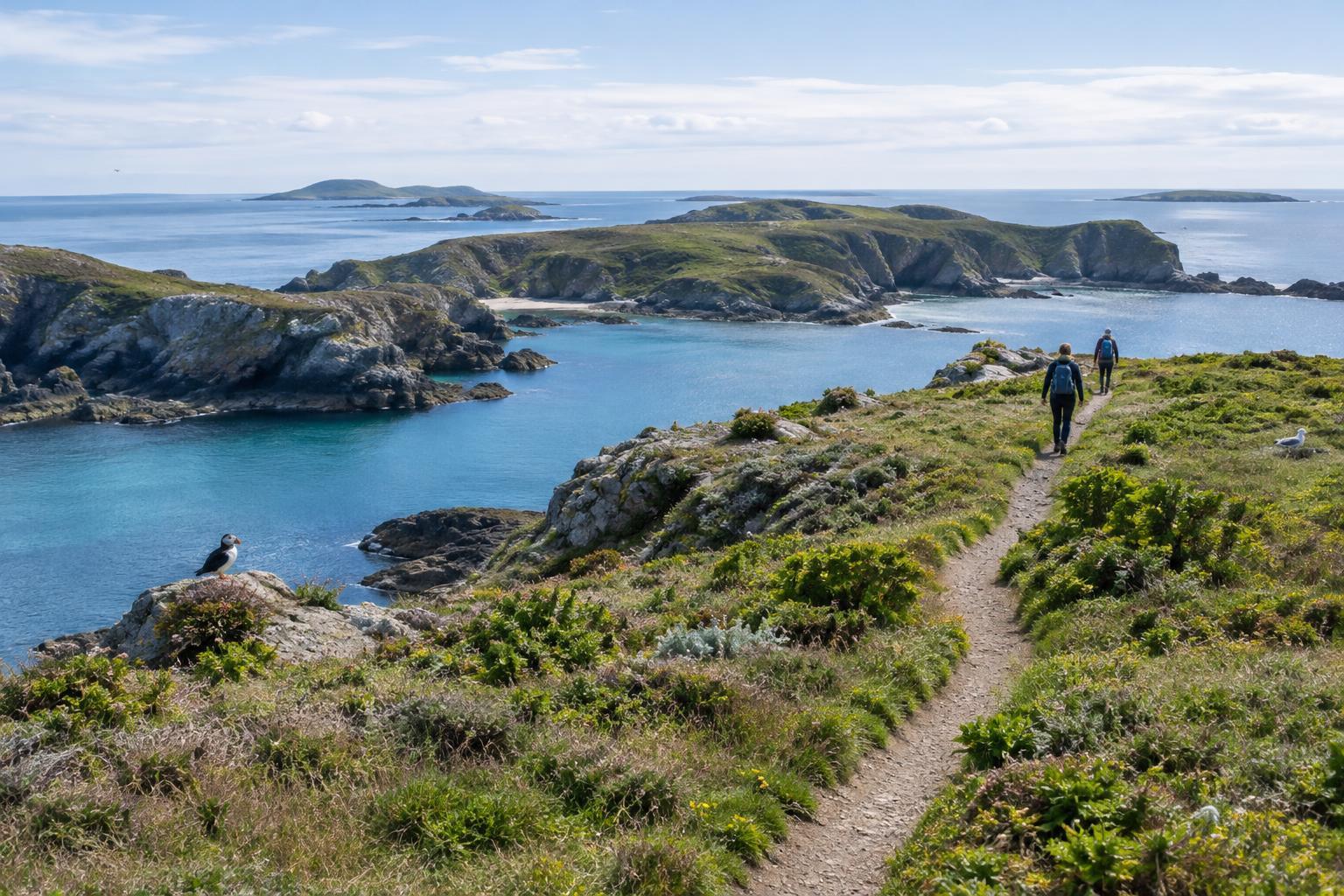
Independent exploration gives you more control over your pace. You can arrive by ferry, choose a short route and stay longer wherever you feel most curious. The trade-off is that you must manage the timetable yourself. Look at the last return crossing before planning a long walk, and allow time to get back to the departure point. If a missed connection would disrupt the rest of your journey, a flexible day still needs a firm turnaround time.
There is also a middle path. You might travel independently to an island and join a short local walk, or take a guided crossing and use free time ashore to explore on your own. Combining the two can provide context without filling every hour.
Look closely at access, comfort and cost
Compare the full cost of each choice rather than the headline fare. An independent day may involve a ferry ticket, transport to the port, local buses or bicycle hire, and an entrance fee. A guided trip may bundle some of those elements but not meals or optional activities. Check what is included, how cancellations work, and whether a change in weather affects the route or refund. The least expensive option on paper is not necessarily the one that gives you the time ashore you want.
Consider the physical demands as well. Boats differ in size and shelter, while island landings can involve steps, uneven surfaces or a transfer to a smaller vessel. A self-guided walk might offer freedom to stop often, but it may also require more walking than a tour with arranged transport. If accessibility, motion sensitivity or traveling with children affects your plans, ask specific questions about boarding, seating, toilets and the distance between stops rather than relying on a general description of the trip.
Leave room for weather and island life
Sea conditions can change what is comfortable or possible, even when the forecast looks promising in advance. Keep a backup plan on the mainland and avoid building your entire visit around a single tight connection. Pack for the crossing as well as the walk: a layer for wind, sun protection, water and shoes suited to the surfaces you expect. If you are exploring independently, carry enough information to find your way without assuming you will always have a signal.
An island is more than a backdrop for a day out. Stay on permitted paths, follow local guidance around wildlife and working waterfronts, and take your rubbish back if disposal facilities are limited. On a guided trip, notice whether the operator explains access rules and gives people enough time to visit without rushing through sensitive places. On your own, make the same choices deliberately.
Choose the option that removes the friction you care about most. A guide can make an unfamiliar coastline easier to interpret and navigate; an independent visit can give you the freedom to pause and follow your interests. A good island day is not measured by how many stops fit on a map, but by whether you have enough time and attention to appreciate where you have arrived.