Understand where the pressure gathers
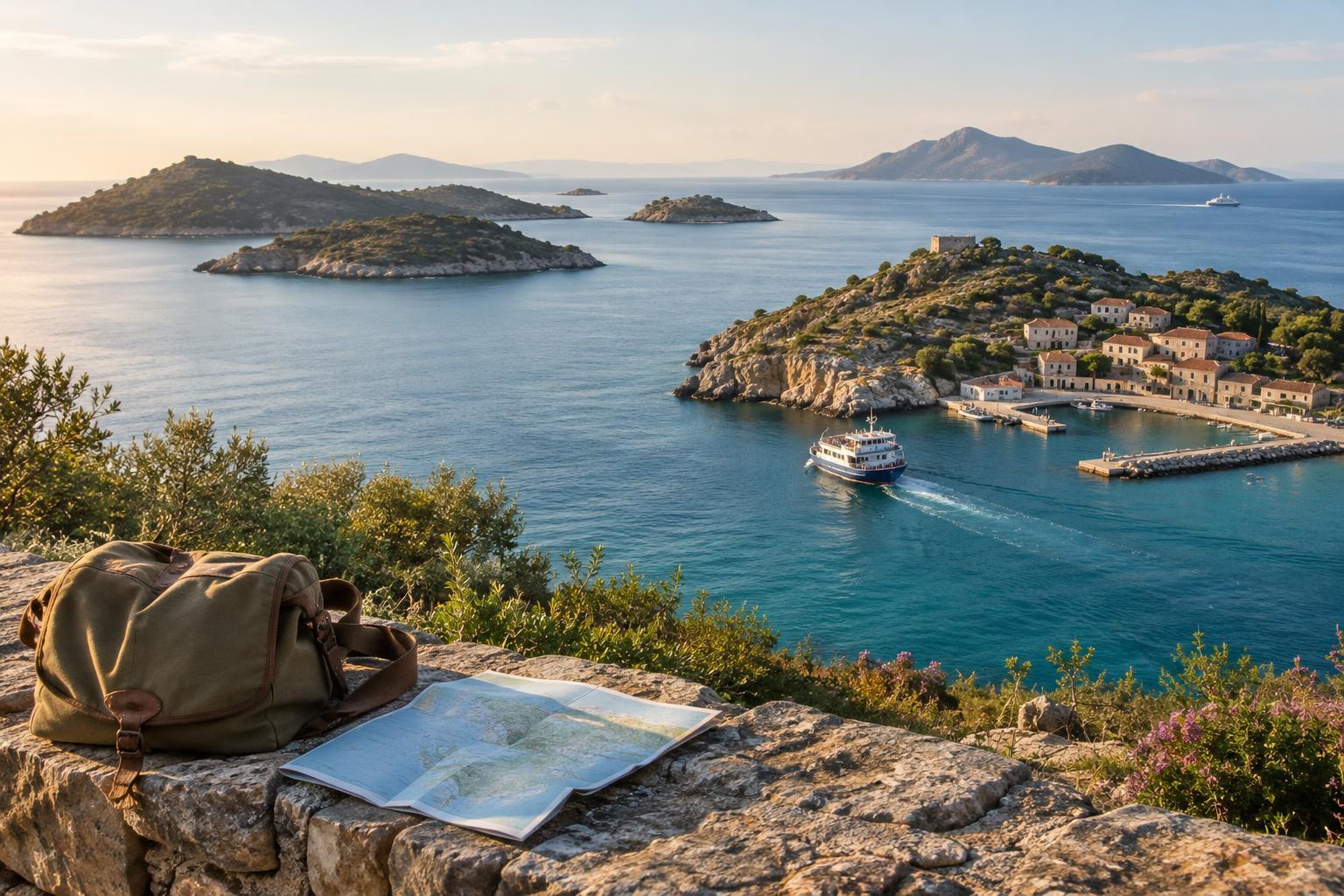
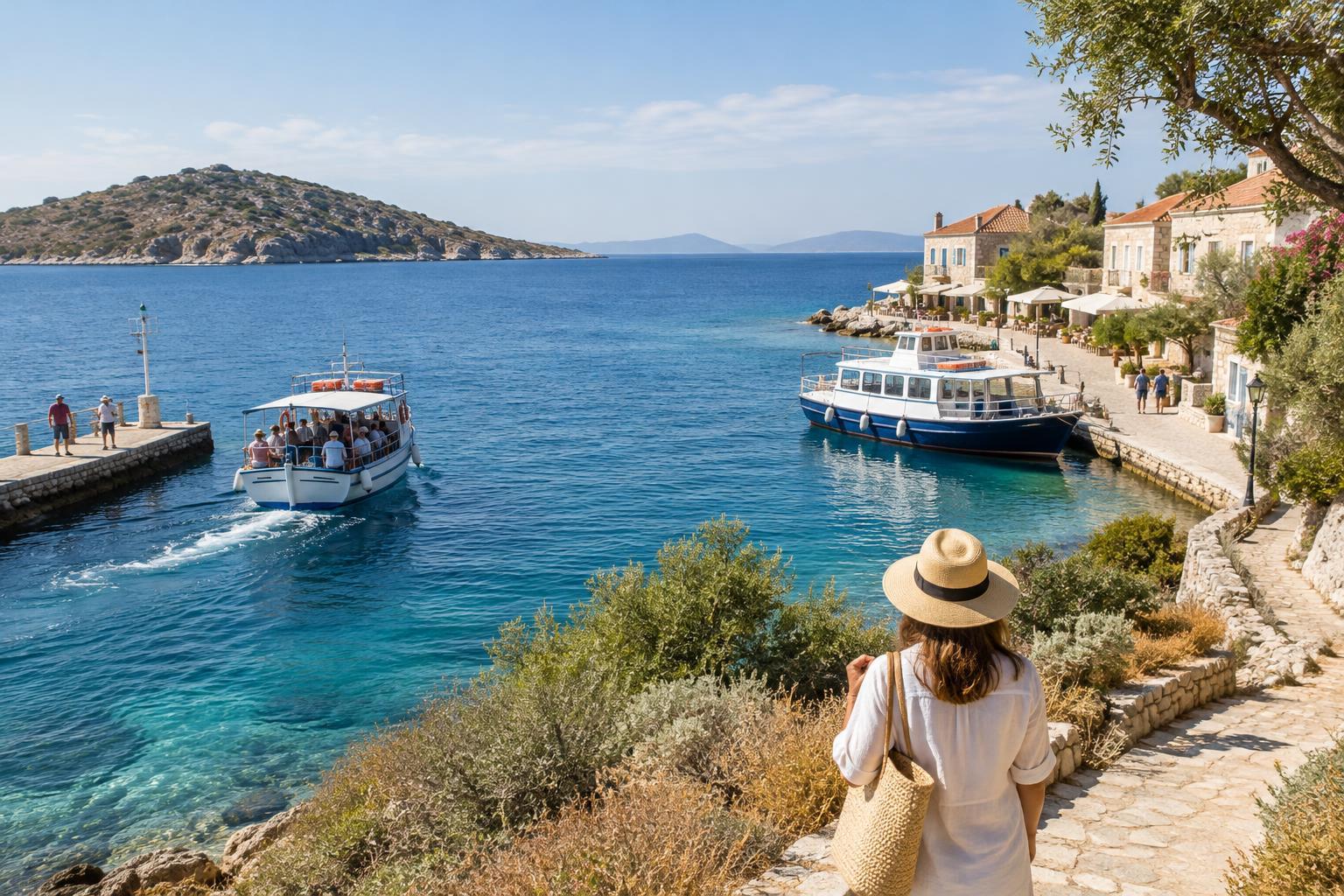
On a small island, a crowd does not have to be large to be disruptive. One ferry arrival can fill a narrow lane, a short stretch of shore or the only café near the quay. Before you travel, sketch out the places most visitors are likely to share: the main landing point, a well-known beach, a viewpoint and any paths connecting them. This helps you plan your day rather than simply joining the flow from the ferry.
Look for practical information from ferry operators, visitor centres or local authorities about transport, access and site rules. If you can stay overnight, you may have more flexibility than a day visitor, but check that suitable accommodation is available. Staying longer is most useful when it gives you time to travel at an unhurried pace, not when it becomes a reason to fit in every corner of the island.
Build a flexible day around arrivals
If several boats arrive close together, avoid treating the best-known attraction as your first compulsory stop. You might begin with breakfast in the village, visit a small museum or take a permitted walk that starts away from the main route. Save the popular site for a quieter part of your day if opening hours, tides and transport allow. There is no guaranteed crowd-free window, so keep a second plan ready.
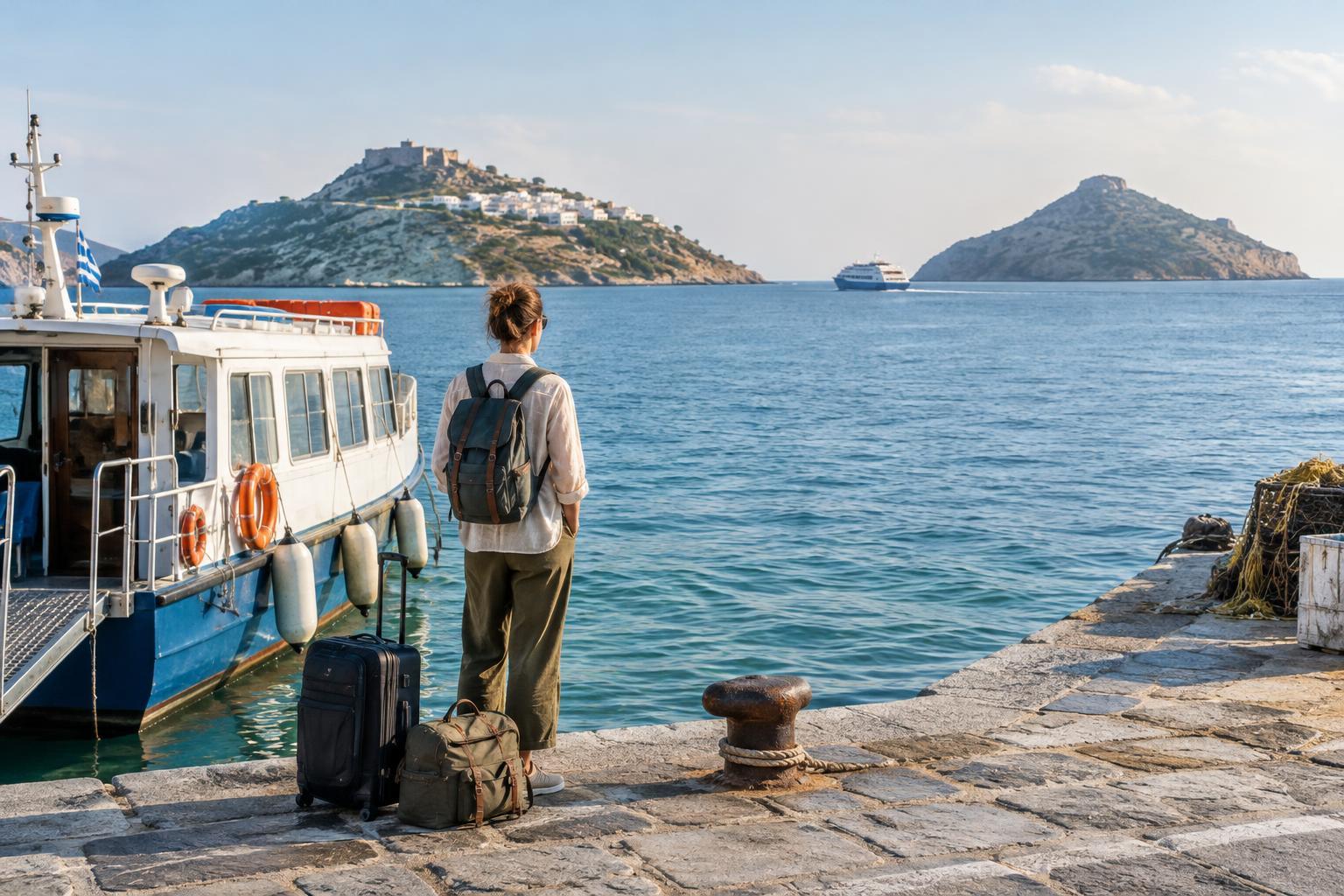
Book transport or timed entry when required, and leave generous time to return to the ferry. Rushing encourages shortcuts across dunes, private land or sensitive ground. If you are bringing a vehicle, consider whether you need it at all: some islands have limited road space or restrictions on visitor cars. Where walking, cycling or shared transport is practical, these options can make the journey simpler as well as reducing pressure at busy parking areas.
Choose alternatives without creating new problems
An overlooked cove is not automatically a better choice than a popular beach. Quiet places may lack paths, toilets or space for visitors, and some are quiet because they are important to wildlife or local work. Use established routes and public access points. Check for seasonal closures or guidance before setting out, and turn back if a path is blocked or the ground looks easily damaged.
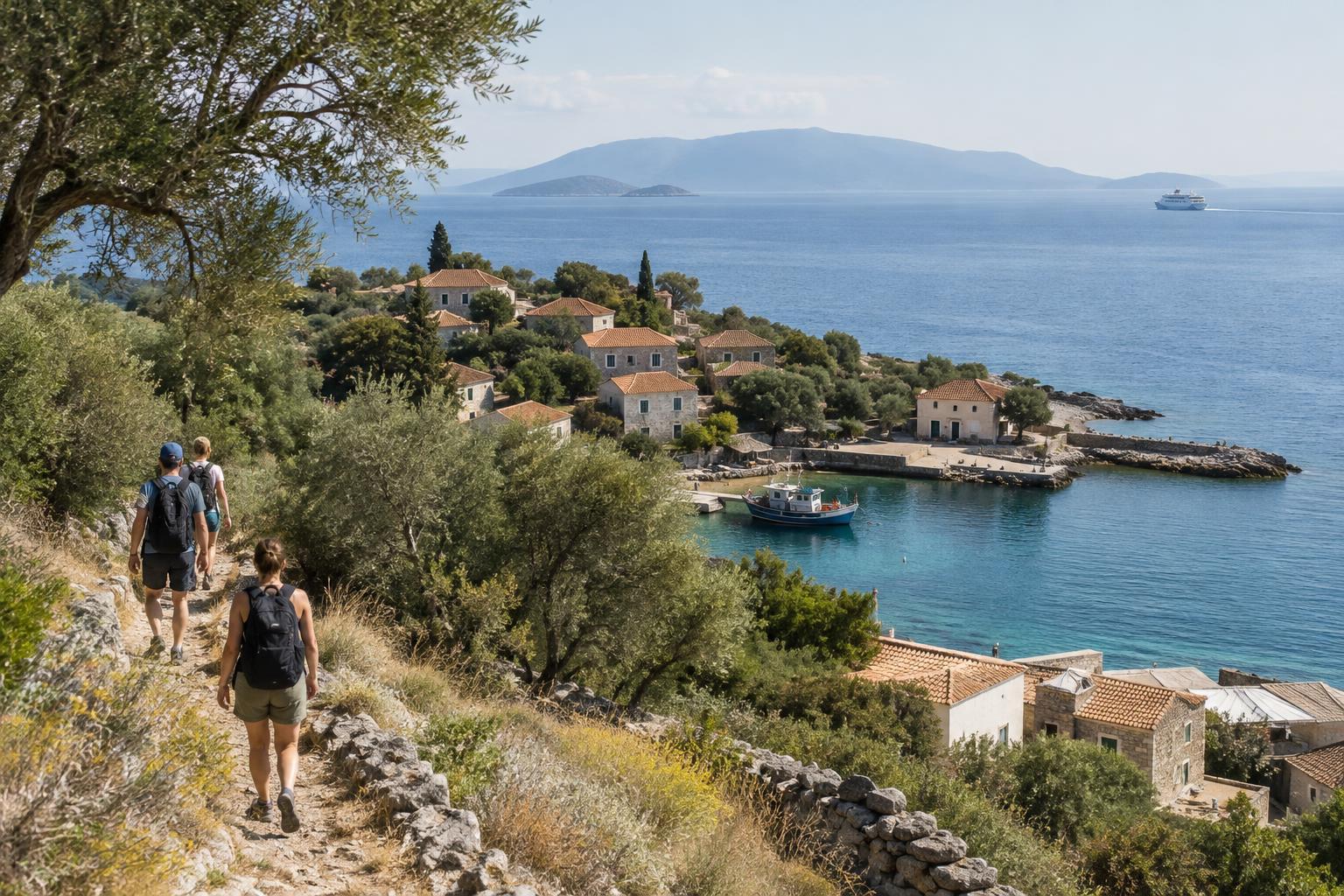
A good alternative does not have to be a secret spot. It could be a longer visit to a harbour museum, a marked inland trail or a second viewpoint reached by a maintained path. Choose places that can comfortably receive visitors, and vary the pace of your day rather than searching for somewhere nobody else knows. If a site is already full when you arrive, let it go. That decision is often more considerate than waiting in a queue on a narrow track.
Make space for island life
The harbour, shop and road are not just part of the visitor experience; residents use them to get through an ordinary day. Keep ferry approaches, doorways and working quays clear. Pay attention to signs around fishing gear and private property, and ask before photographing people at work. A friendly conversation can add depth to a trip, but nobody owes visitors a story about where they live.
Spending locally can be a welcome part of a visit when you buy what you need and respect a business’s capacity. At busy times, be patient with small teams and simple menus. Carry a refillable bottle and enough essentials that a closed shop does not become an emergency. Bring your litter back if bins are full or absent, and follow any local guidance on water use and waste disposal.
Leave room to change your plans
Island travel depends on conditions you cannot control. Weather, tides and ferry changes may bring more people to one sheltered place than you expected. Check conditions before a coastal walk, especially where access depends on the tide, and do not press on simply to complete an itinerary. A shorter route or a slower afternoon in the village can still be a satisfying way to spend the day.
The aim is not to avoid every popular place. Well-loved beaches and landmarks can be worth seeing, and designated access may be the safest way to reach them. Visit with enough time to step aside, follow the route provided and move on if the space feels strained. A small island rewards attention more than a checklist: noticing its working harbour, changing shoreline and daily rhythms may become the most memorable part of the journey.