Treat arrival as a travel day
An island itinerary can look spacious on paper until the first day fills with small tasks. You may need to leave a ferry terminal or airport, find your accommodation, collect keys, buy essentials and work out where to eat. Even a short crossing can follow a long journey from home. Rather than treating arrival as the first full sightseeing day, give it a job of its own: getting settled.
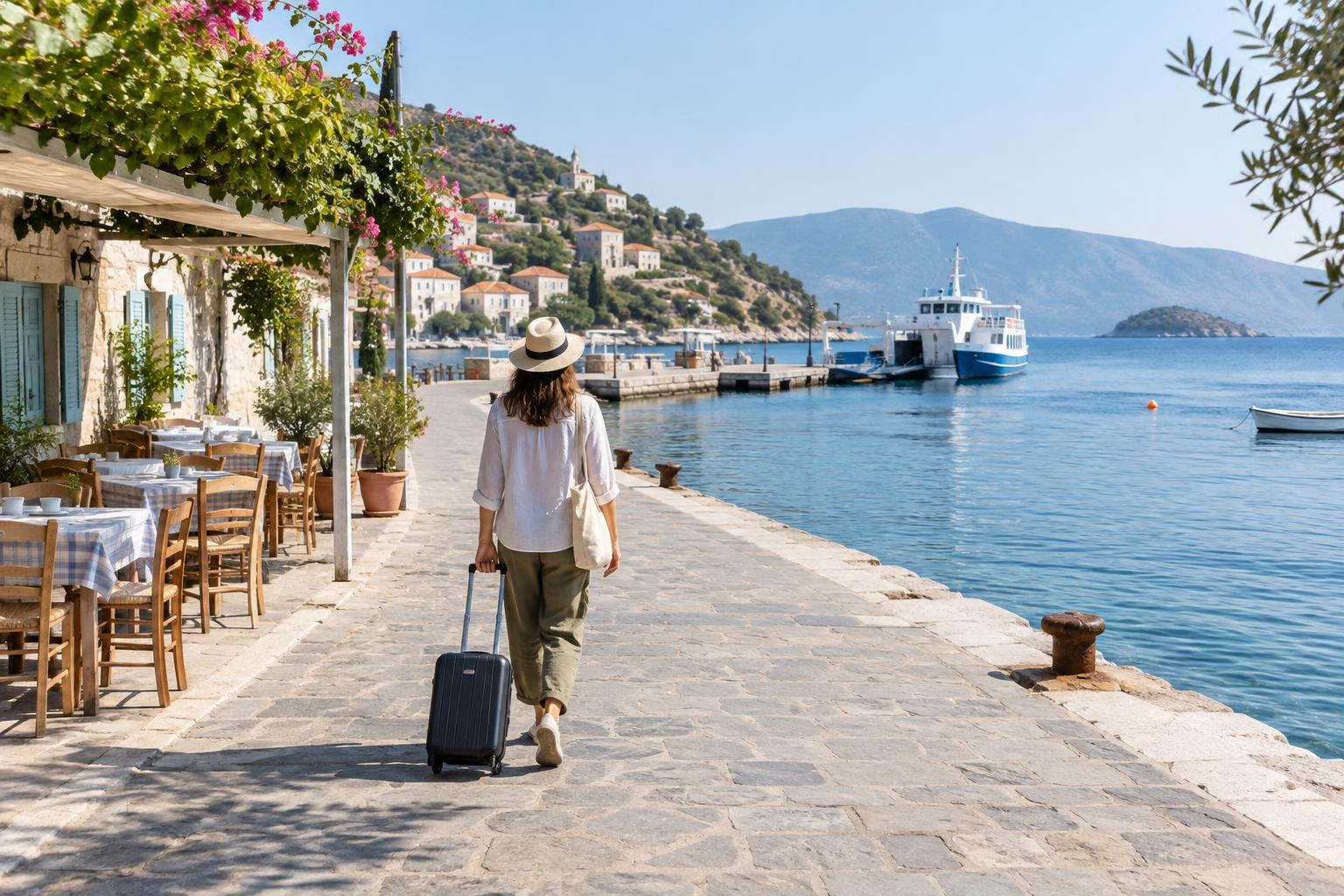
Start with your expected arrival point and trace the route to your accommodation. Note the steps between them, not just the distance. Will you need a bus, a walk with luggage or a second connection? Check how you expect to make each step and where you could wait if you arrive early. If a transfer depends on a timetable, avoid building a fixed activity around an onward connection you have not yet made.
Make the first practical decisions before you leave
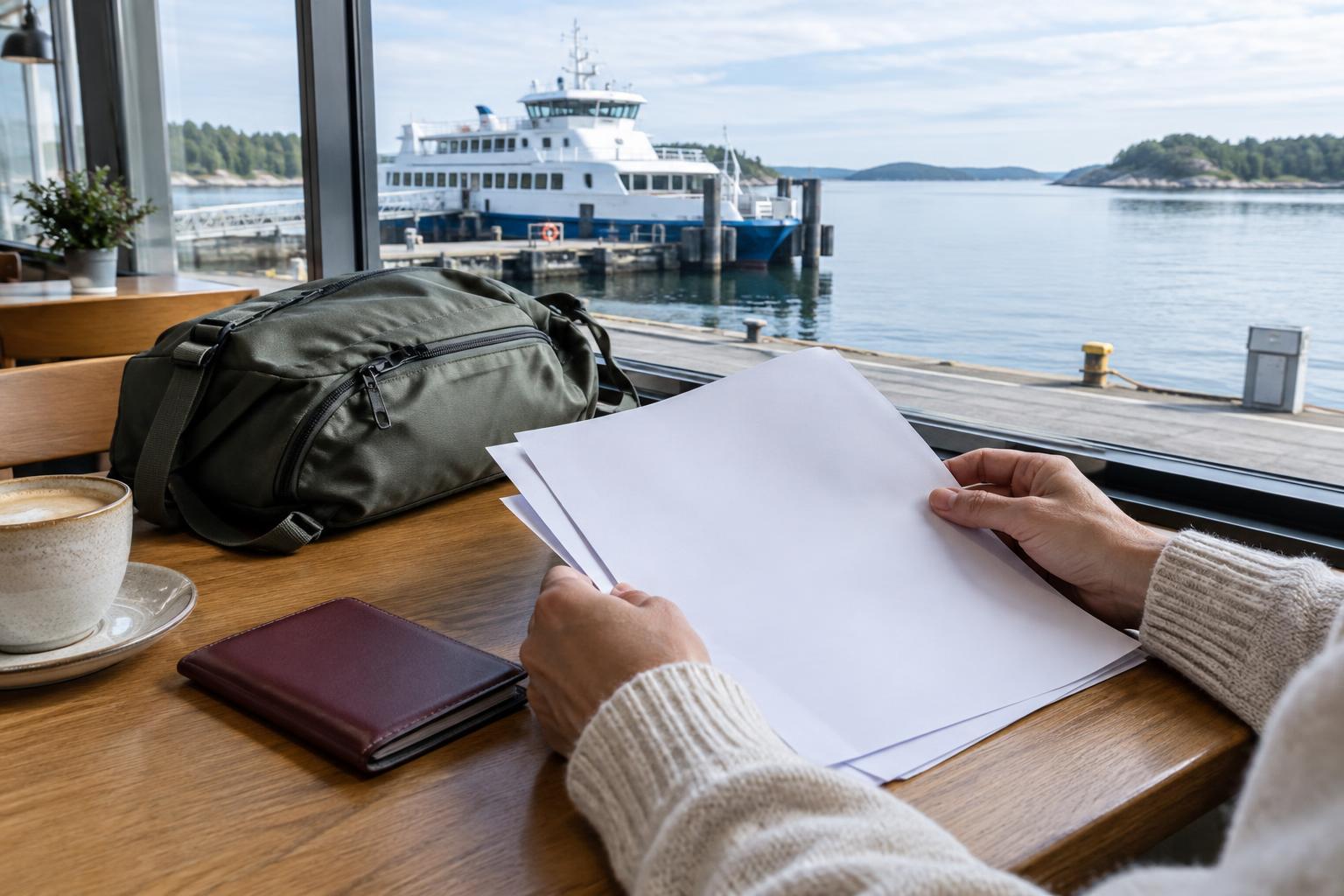
Confirm when you can check in and how you will receive access instructions. If you expect to arrive before your room is ready, ask whether luggage storage is possible; do not assume it is. If you will arrive late, identify a realistic dinner option in advance and carry something simple to eat in case your preferred place is closed. Opening hours and transport arrangements can change, so check the details close to departure.
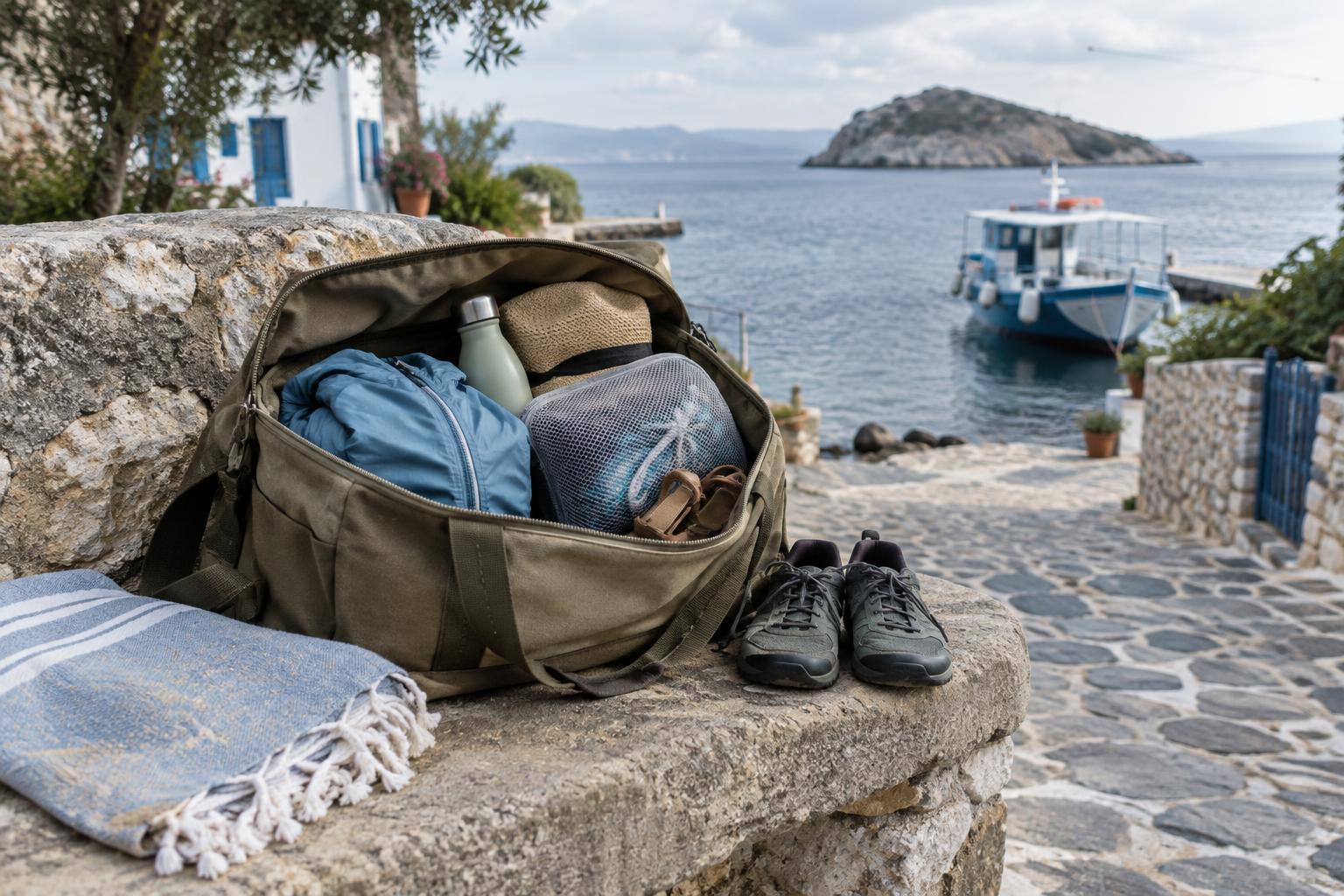
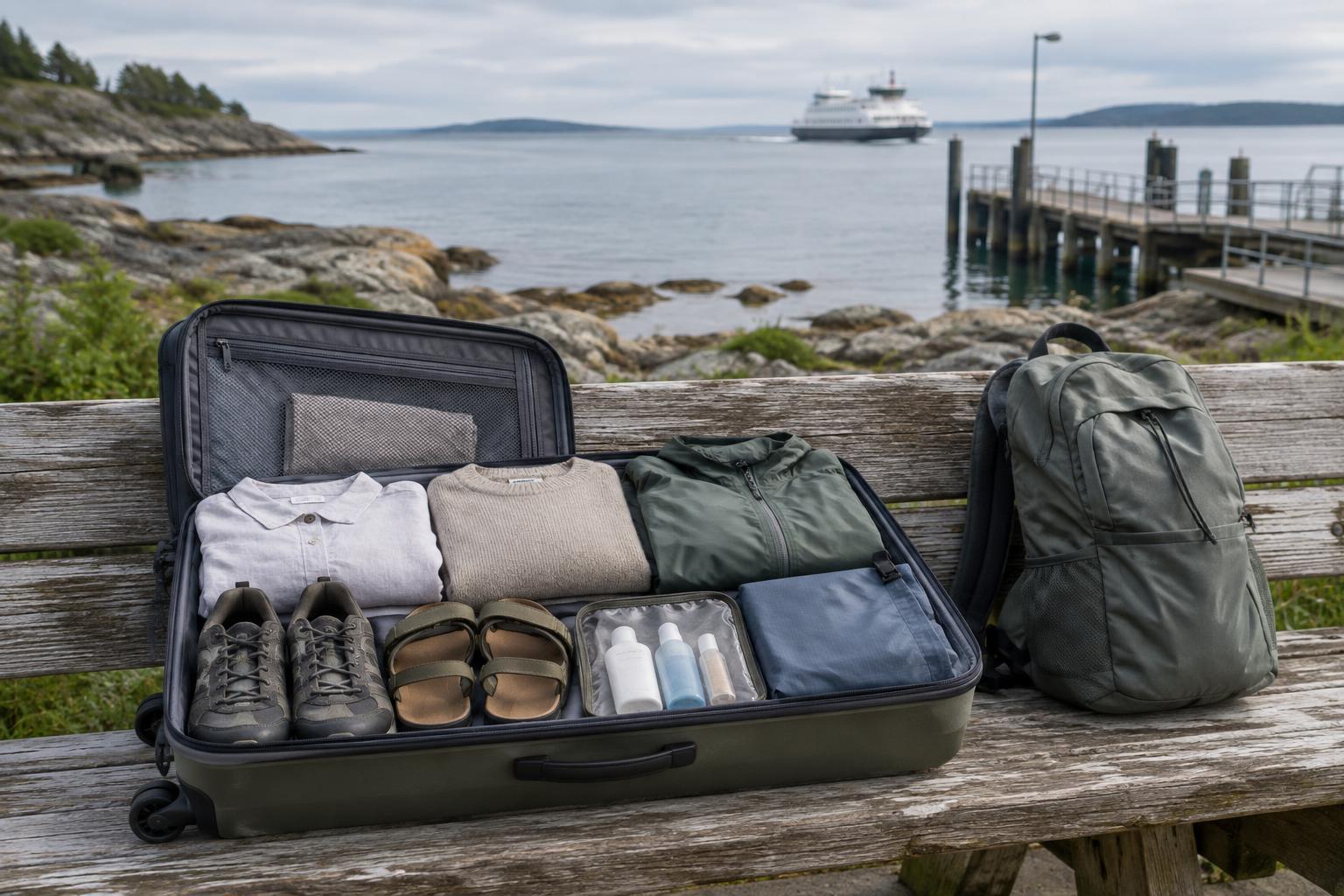
Save the accommodation address and arrival instructions somewhere you can read without a connection. It also helps to know the name of the stop or landmark where you need to get off. Keep any booking details, essential medication, a layer for changing weather and a phone charger in an accessible bag. These small choices make an unfamiliar arrival easier to manage without requiring a minute-by-minute schedule.
If you are traveling with others, agree on the first priority. One person may want to go straight to the water; another may need food and a quiet hour. Choosing a meeting point or a loose plan for the afternoon can prevent a tired group from having to make every decision at once.
Choose a first outing that is easy to shorten
A good arrival-day outing is close to where you are staying and does not depend on a reservation or a final departure. A short waterfront walk, a nearby viewpoint or a meal in the neighborhood can help you get your bearings. You can continue if everyone has energy or turn back without feeling that a major plan has failed.
Before setting out, check the return route. A place that looks close across a bay may take longer to reach on foot, and a pleasant downhill walk can feel different on the way back with bags or after dark. Pay attention to paths, crossings and local access signs rather than assuming the shoreline is walkable throughout. If you want to swim, hike or take a boat trip, consider leaving it for a day when you have more time to assess conditions and make an unhurried choice.
Keep the first evening similarly flexible. You might want a restaurant meal, but it is useful to have a simpler alternative that does not require another long journey. The aim is not to avoid plans altogether. It is to choose plans that still work if arrival takes longer than expected.
Use the first day to improve the rest of the trip
Once you have settled in, notice what is genuinely convenient from your base. Find the nearest useful shop, look at the local transport stop and check how long it takes to reach the place where your next day begins. A brief walk can answer questions that are hard to judge from a map, such as whether a route feels comfortable with luggage or whether a meal stop is easy to reach on foot.
Then resist the urge to reorganize the entire trip that night. Make only the decisions needed for the following morning: when to leave, what to bring and whether a booking needs confirming. An island’s pace becomes easier to enjoy when the first day leaves you rested enough to pay attention to it. A modest arrival plan is not a missed opportunity; it gives the days ahead a steadier start.