Start with the trip you are actually taking
“Boat trip” can mean a short passenger ferry, an overnight crossing, a cruise, a chartered yacht or several small-boat transfers between islands. Before comparing policies, sketch out the whole route: where you board and disembark, any overnight time at sea, the countries you visit and how you will travel between ports. A policy that suits a straightforward ferry journey may not address everything you plan to do on a sailing holiday.
Check how the policy defines your trip’s start and end dates, particularly if you leave home before the first crossing or stay on land afterward. Look at its geographical limits and any rules about the type of vessel or journey covered. If you are booking a boat independently rather than joining a scheduled passenger service, make sure the wording fits that arrangement. Do not rely on a product name alone; the policy terms are more useful than a label such as “cruise” or “adventure.”
Match the cover to your activities
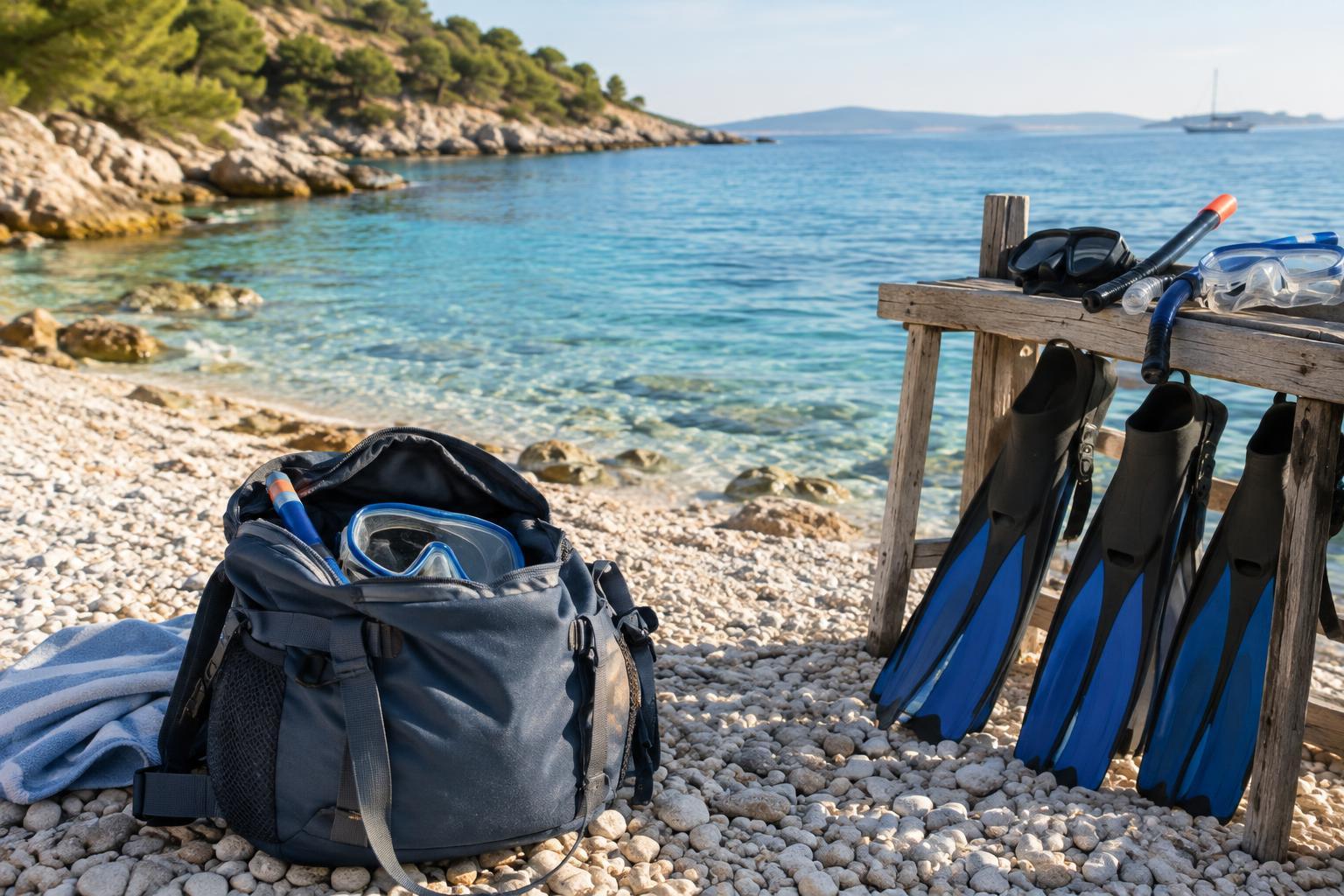
Think beyond the time spent as a passenger. Will you sail as crew, steer a hired boat, kayak from shore, snorkel, dive or use a tender to reach land? Policies may treat these as separate activities, with conditions tied to depth, distance from shore, supervision or qualifications. If an activity matters to the trip, find it in the policy wording rather than assuming it is included because it happens on holiday.
Pay particular attention to any distinction between being a passenger and operating a vessel. A skipper or crew member may need cover that differs from ordinary leisure travel insurance. If you are chartering, also check the charter agreement: insurance for your health or belongings is not necessarily the same as protection for damage to the boat. Where wording is unclear, ask the insurer a specific question about what you will do and keep a record of the answer.
Read the disruption terms as carefully as the medical terms
Sea journeys depend on connections and conditions. A delayed ferry could affect a train, flight or prepaid accommodation; a changed sailing schedule could shorten a stay on an island. Look for the policy’s treatment of missed departures, transport delays, trip interruption and cancellations. Check what must cause the disruption for a claim to be considered, whether the boat service must be a booked public carrier, and what evidence you would need.
Do not assume that every weather-related change is covered, or that a decision not to travel will qualify. Some costs may be refundable through the transport operator or accommodation provider instead. Check those booking terms alongside the insurance policy so you know which organisation to approach first. If you are piecing together separate tickets, allow realistic transfer time: insurance is no substitute for an itinerary that can absorb a modest delay.
Consider care and belongings away from shore
If you become ill or injured while travelling, access to care may depend on where the vessel is and what facilities are available nearby. Read the medical section for limits, exclusions, emergency assistance instructions and any rules about pre-existing conditions. If the trip includes remote islands or extended time at sea, ask how the policy treats transport to suitable care. Avoid assuming that a particular form of evacuation is automatically included.
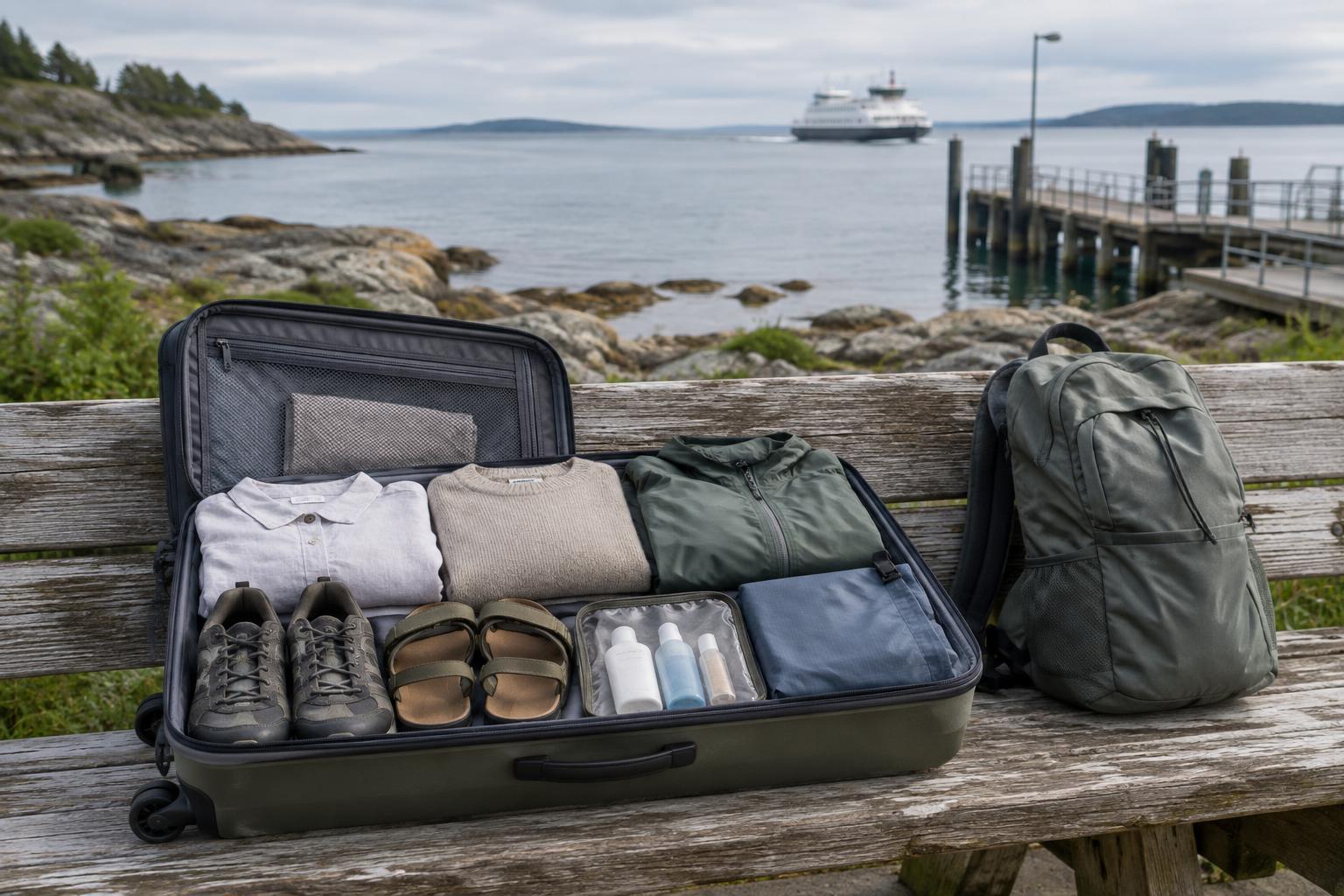
Check the baggage terms, too. Cameras, phones, sailing equipment and other valuables may have item limits or conditions about where they are kept. Damage caused by water may be treated differently from theft or loss. Pack essential medication and documents where you can reach them, and keep copies of bookings and your policy details somewhere accessible offline. These steps do not create cover, but they can make a difficult travel day easier to manage.
Make a final comparison before you pay
Compare the benefits that matter to your route rather than choosing by price alone. Note the amount you would pay toward a claim, the maximum payable for each relevant benefit, and exclusions affecting your destination, activities or travel companions. Check whether the policy covers the full cost of non-refundable bookings you want to protect. If you plan more than one journey, confirm that any annual policy allows the length and type of each trip.
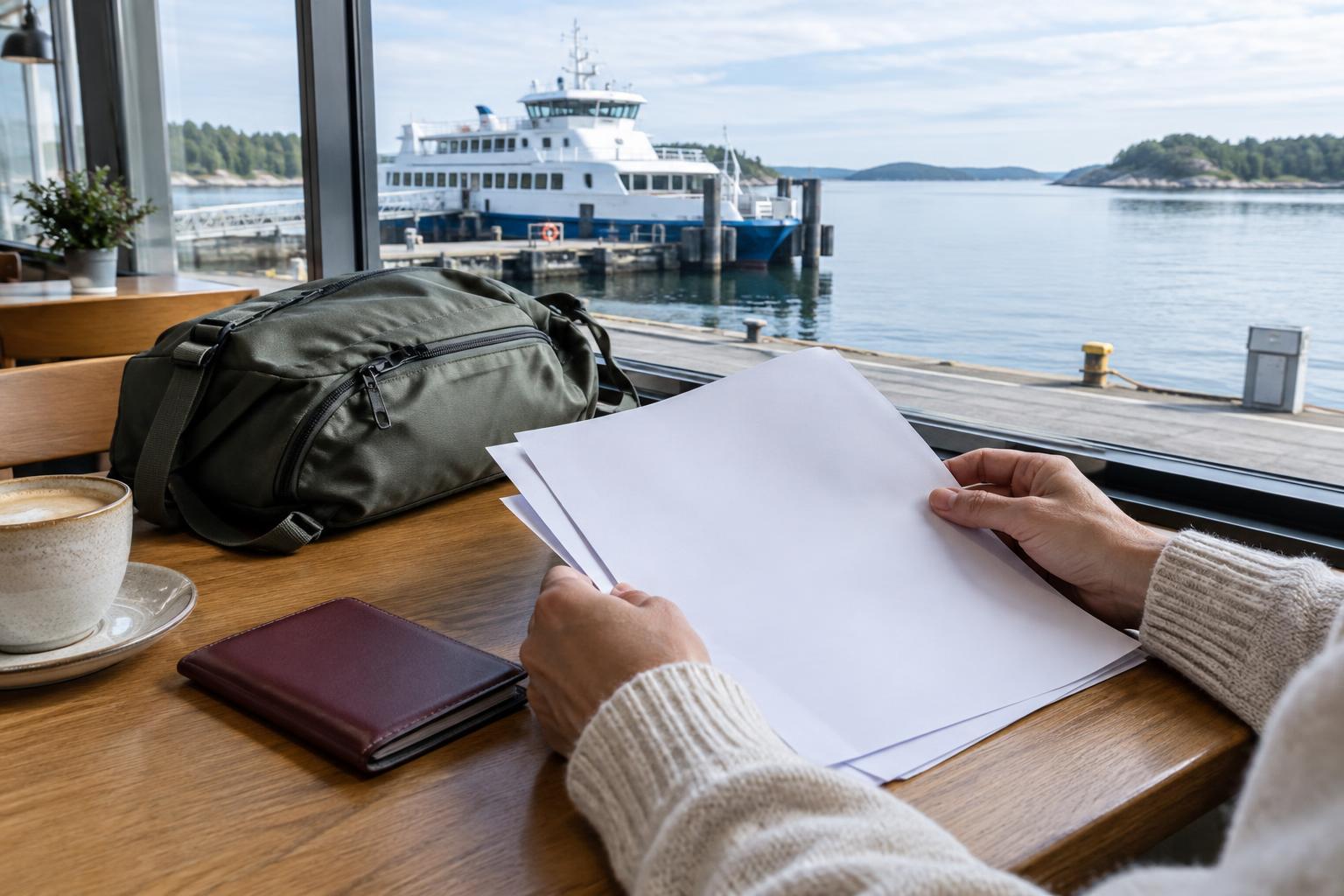
Save the policy wording and emergency contact details before departure. Know how promptly you must report a problem and which receipts, booking confirmations or carrier notices a claim might require. Insurance terms vary, so the most useful final check is simple: can you point to wording that fits your boat journey and your plans ashore? If not, clarify the gap before buying, while you still have time to adjust either the policy or the itinerary.