Packing for the forecast instead of the whole day
A sunny forecast can make a suitcase of light clothes seem sensible. But a day by the sea may include a breezy crossing, a shaded café, a long walk and a cooler evening. Packing only for the warmest part of the day can leave you uncomfortable at precisely the moments when you cannot easily return to your room.
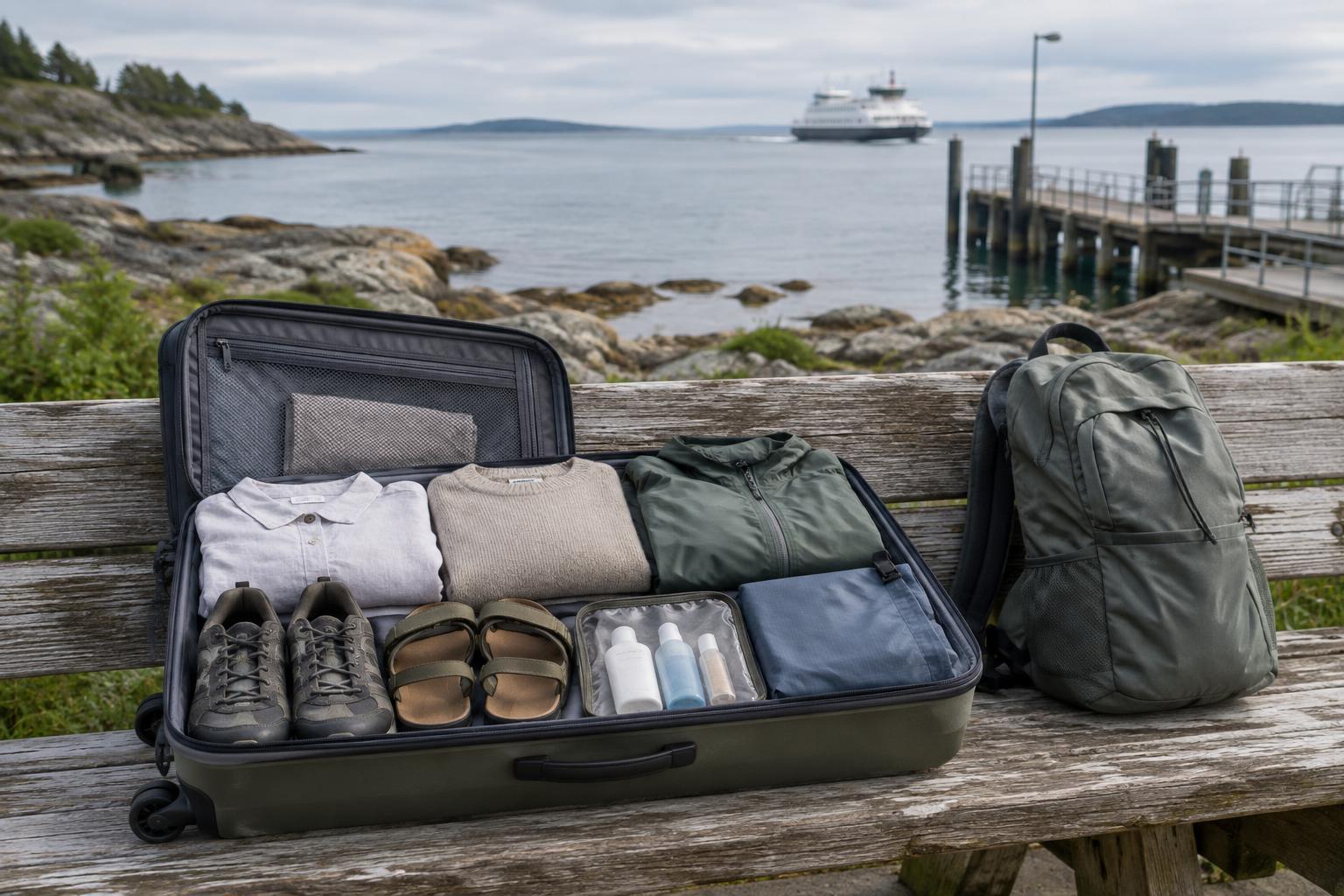
Choose a few layers that work together rather than separate outfits for every possible temperature. A light outer layer that blocks wind, a warm layer that fits beneath it and clothes that dry reasonably quickly cover many ordinary changes in conditions. Check the forecast close to departure, but treat it as a planning aid, not a promise. If your itinerary includes time on the water, think about what you would want to wear while sitting still in the breeze.
Giving wet and sandy things nowhere to go
A swimsuit, towel or pair of sandals rarely stays neatly separate from everything else on the journey back. Without a place for damp items, a small bag can turn into a jumble of wet clothes, gritty accessories and things you hoped to keep clean. The problem is especially noticeable when you move between accommodations or head straight from the shore to a ferry or train.
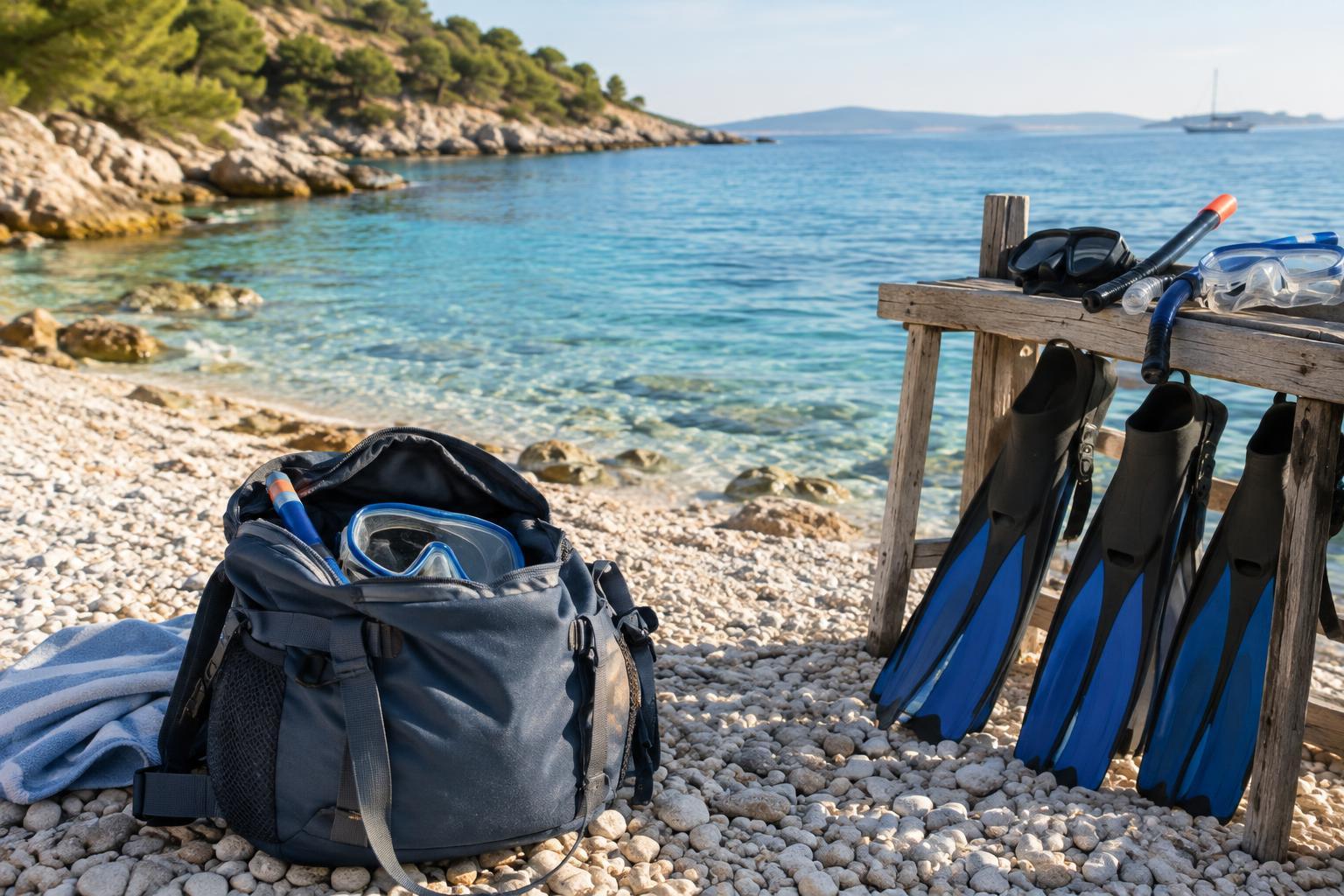
Bring a reusable pouch or bag for damp gear and another small container for items that need to stay dry, such as papers or electronics. Keep the damp bag easy to reach rather than burying it beneath folded clothes. It is a temporary solution, not a place to store wet fabric for days: unpack and air items when you arrive. A compact towel is useful if you expect several swimming stops, but only if you have room to dry it between uses.
Assuming one pair of shoes can do everything
Footwear that feels perfect on a sandy beach may be awkward on steep lanes, slippery steps or a long walk to a viewpoint. Conversely, heavy walking shoes can be inconvenient when your plans include swimming or repeated stops at the water’s edge. Bringing several specialized pairs is not always the answer; shoes take up space and add weight quickly.
Start with the surfaces you are likely to encounter, then choose a comfortable pair for your longest walks. If beach access is a substantial part of the trip, add a lightweight pair suited to that setting. Try both before leaving, rather than relying on shoes that have never been worn for a full day. If you expect to visit places with particular footwear requirements, check those details while planning instead of guessing at the last minute.
Packing as though the bag will never be carried
A bag can seem manageable in a bedroom and feel very different after stairs, a walk from a dock or a wait between connections. Extra clothes and bulky beach equipment may be easy to justify one item at a time, yet together they can make every change of location harder. This matters most on trips with several stops, when packing and moving become part of the daily routine.
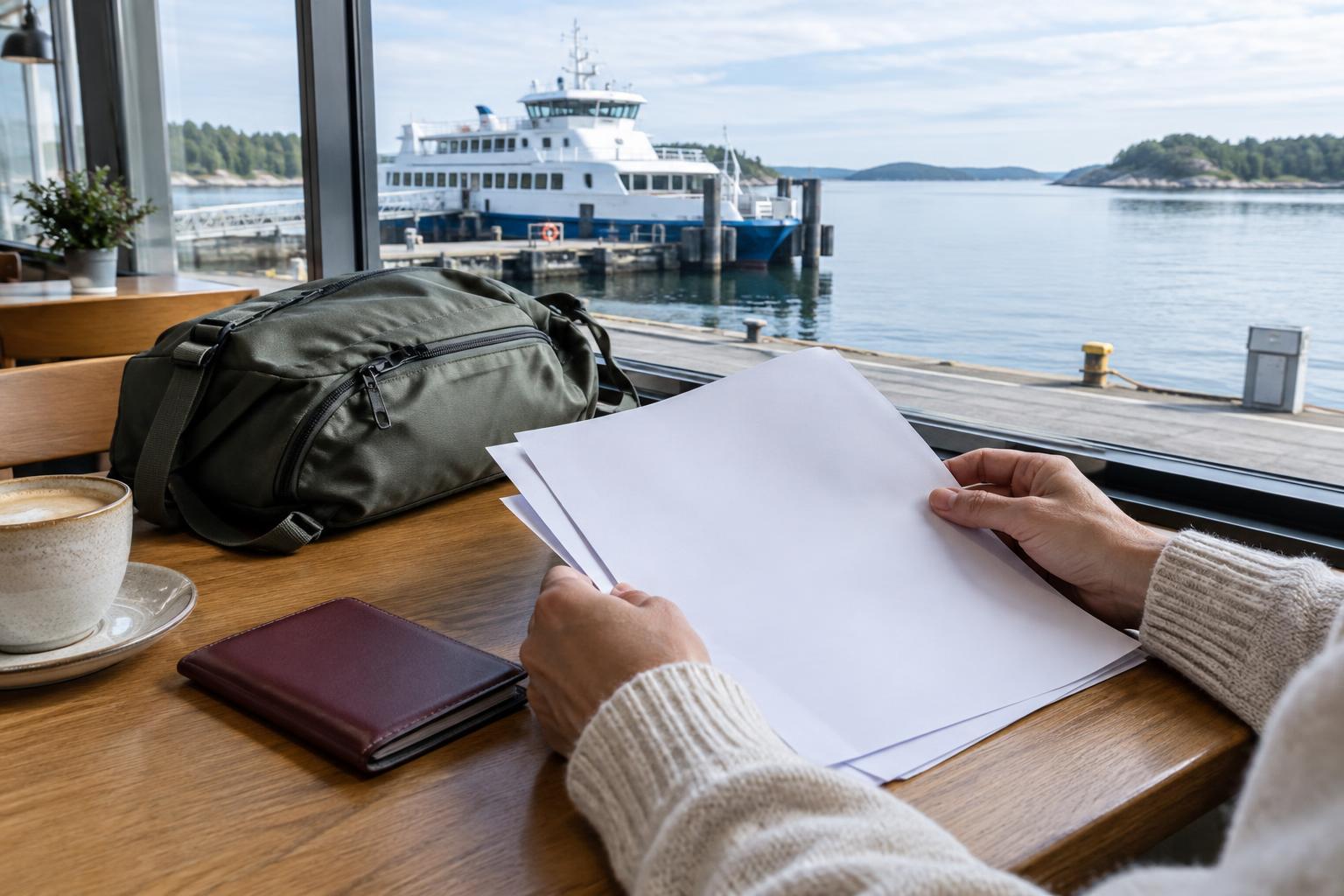
Before departure, carry your packed bag for a short walk and lift it as you would when boarding transport. If that feels awkward, remove items chosen for unlikely scenarios or duplicate purposes. Check what your accommodation provides before packing towels or other bulky basics. Keep documents, water and the layer you might need during transit within easy reach, so you do not have to open your entire bag in a crowded or windy spot.
Forgetting the small things that support a long day out
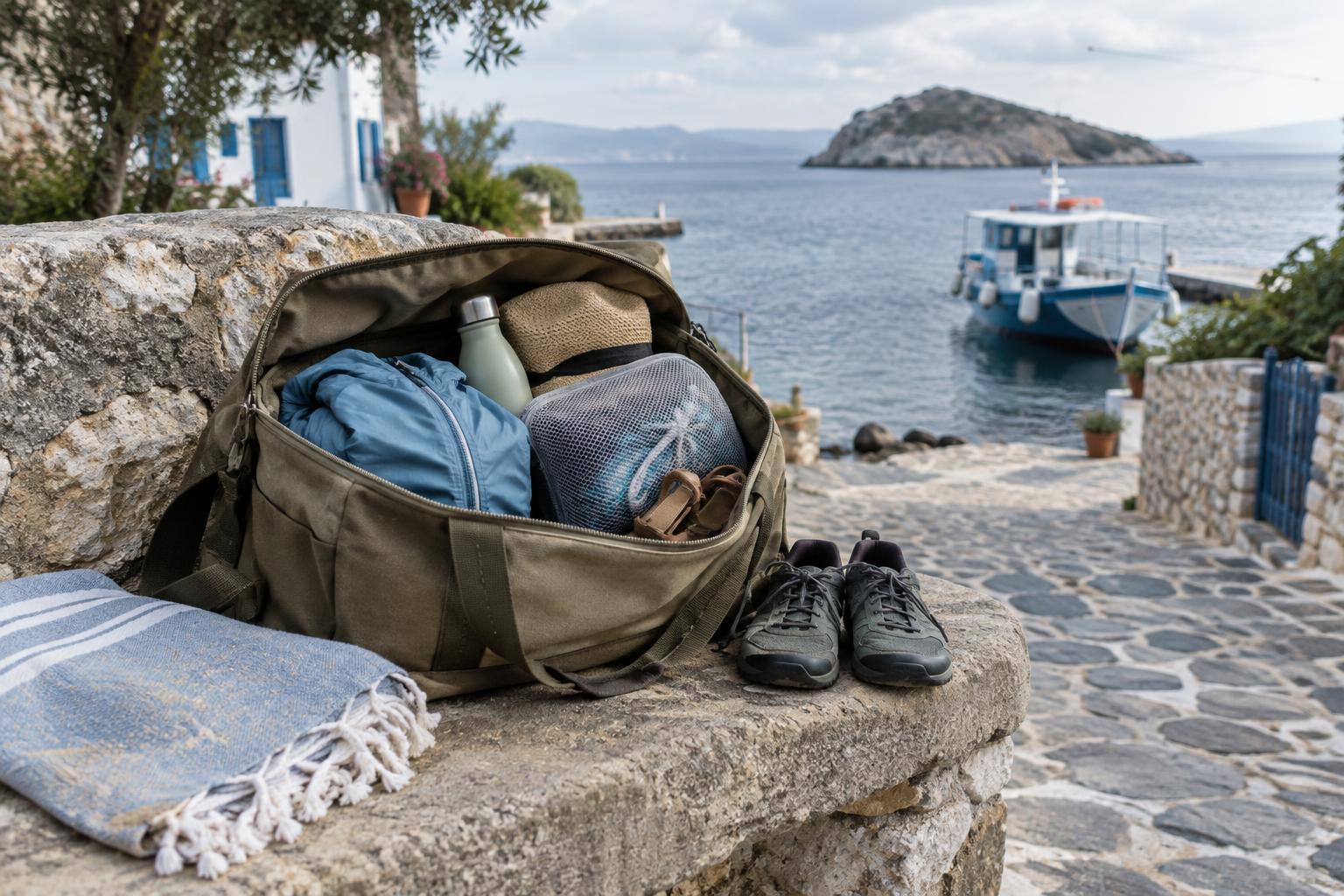
It is possible to remember every outfit and still leave behind the items that make a coastal day comfortable. A refillable water bottle, suitable sun protection and a way to carry everyday essentials can be more useful than another change of clothes. What you need will depend on your plans: a short town visit and a remote shoreline walk call for different levels of preparation.
Build a small day kit around what you will actually do, and refill or reset it each evening. Include the items you routinely use, such as any personal medication, and protect anything that would be troublesome to replace. Keep the kit light enough that you will take it with you. Thoughtful packing is less about anticipating every possible problem than about making ordinary moments—walking, waiting, getting wet and changing plans—easier to handle.