Start with the trip you want to have
Before making a list of islands, picture an ordinary day there. Do you want to walk from a guesthouse to a beach, spend hours in small museums and harbors, or follow trails between villages? An island that suits one of those days may be a better first choice than a dramatic-looking place whose main attractions require long transfers or specialist equipment.
Think about how much independence you want to manage. Planning your own meals and day trips can be part of the pleasure; coordinating several boats, a rental vehicle and scarce accommodation may feel less relaxing. There is no prize for choosing the most difficult island. A first trip can still feel adventurous when its basic arrangements are straightforward.
Follow the whole journey, not just the crossing
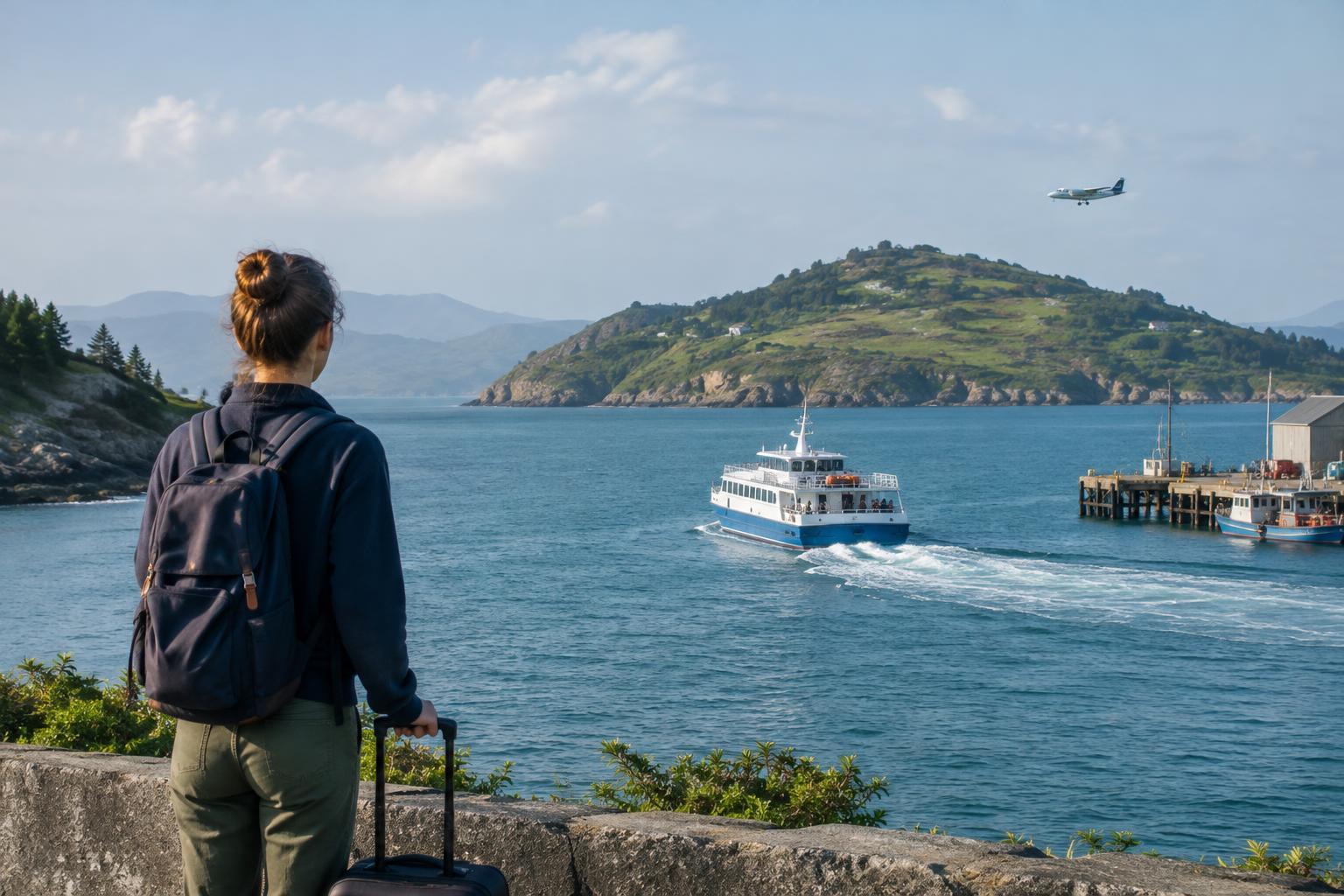
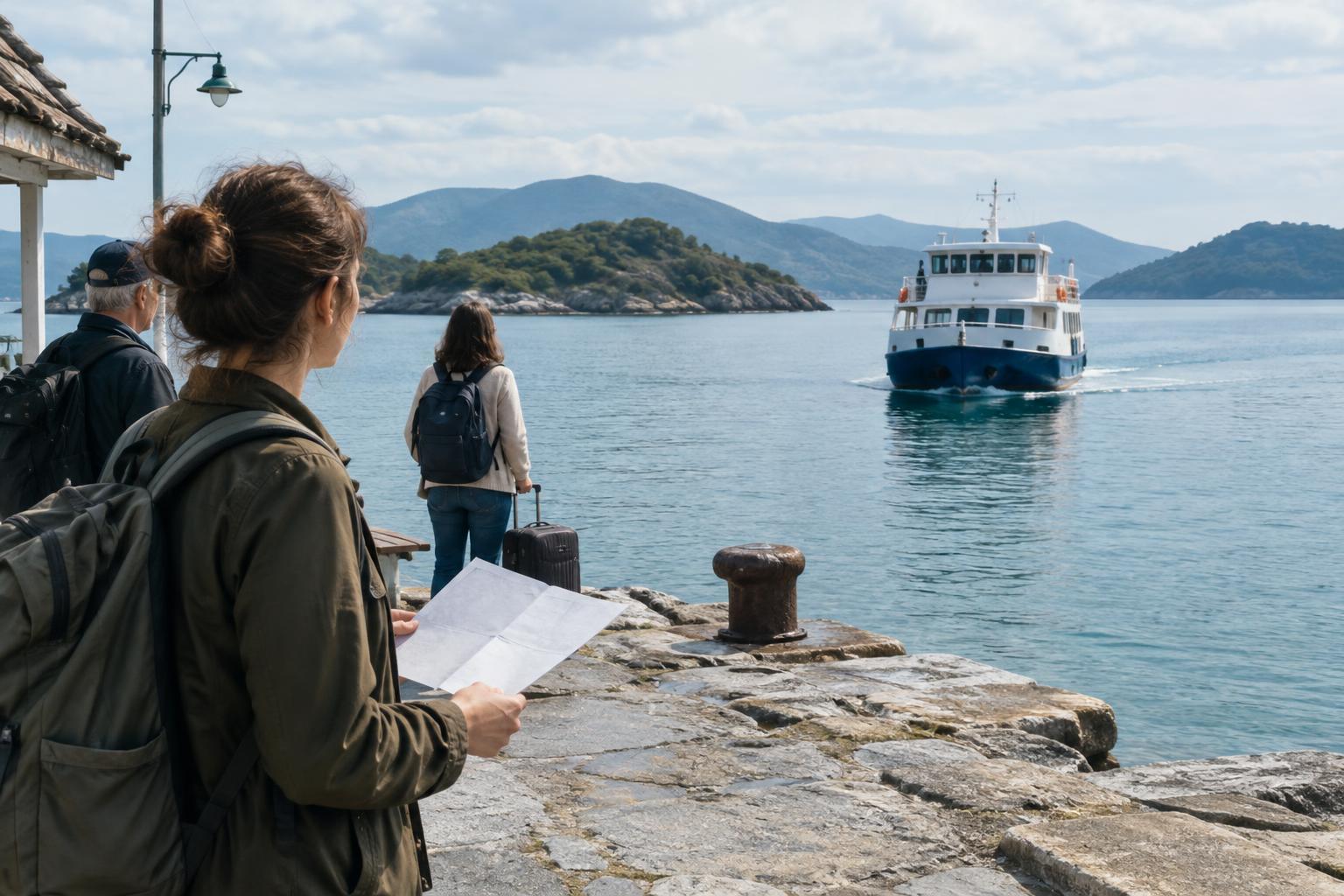
An island may look close on a map yet take most of a day to reach once you include the trip to the departure port, waiting time and onward travel. Sketch the route from your front door to a likely place to stay. Note each connection, whether it runs on the days you need, and what you would do if a crossing were delayed. Check schedules again before booking, because island transport can vary by season.
If you would rather not drive, look beyond the arrival terminal. Can you reach a village with accommodation on foot or by public transport? Are the places you hope to visit connected, or will each outing need a taxi? A compact island with a useful bus route can offer more freedom than a larger one where distances are short on paper but roads are difficult to navigate without a car.
Choose a base that makes daily life easy
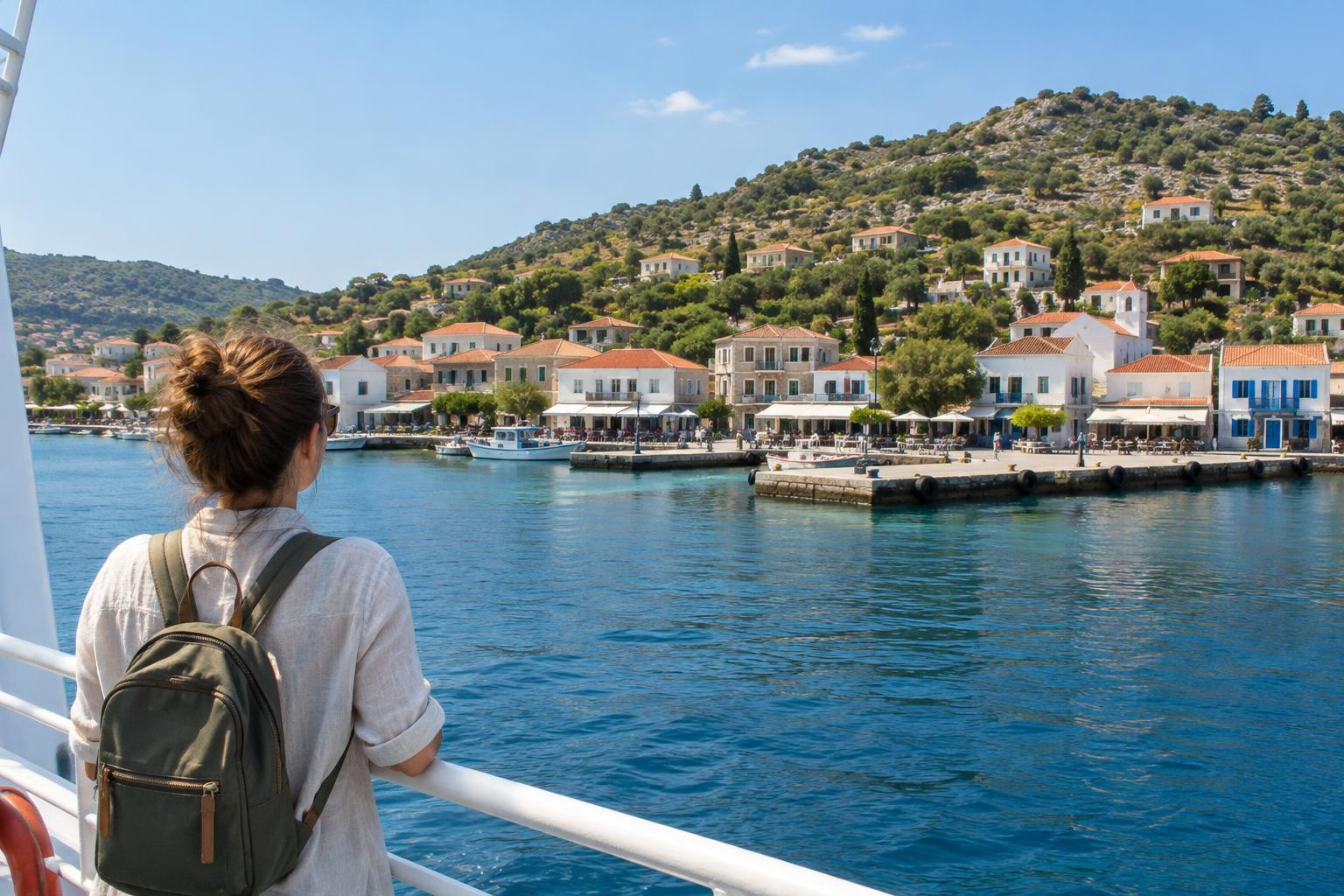
For a first independent visit, a settled town or village often makes a good base. Look for a place where you can buy food, eat an evening meal and take a rest day without organizing an excursion. Read accommodation descriptions for practical details: distance from the port or bus stop, access to a kitchen if you want one, and whether check-in works with your arrival time.
Also consider what happens outside the busiest visitor period. Restaurants, tours and transport may operate less often at quieter times, while popular weeks can make accommodation harder to find. Neither period is automatically better. The useful question is whether the services you will rely on are likely to be available when you plan to go. Confirm essential arrangements directly rather than assuming a listing reflects every season.
Leave room for weather and slower days
Sea conditions and weather can change what is comfortable or possible on an island trip. If your plans depend on one boat tour, a single exposed walk or a tight return connection, the trip may feel fragile. Choose a destination with several appealing options close to your base, including something to do when the water is rough or the forecast makes a long outing uninviting.
An extra night can be more valuable than an extra stop, particularly when arrival and departure each involve a crossing. Time to revisit a café, take a different path to the shore or simply watch a harbor at work is part of island travel, not time left over after sightseeing. A loose plan also lets you follow local guidance about safe routes, access and changing conditions.
Make a short list, then pick the simplest good fit
Compare two or three islands against the same questions: What would a satisfying day look like? How many connections are needed? Can you get around in the way you prefer? Will you have reliable options for food and shelter? Which activities can you enjoy without booking far ahead? Writing down answers helps separate a destination you genuinely want to experience from one that merely looks appealing in photographs.
Once an island meets your main needs, choose a base and build a modest first plan: the journey in, a few possible days out and the journey home. Keep space for discoveries rather than filling every hour. The right first island is one where you can pay attention to the coastline, communities and rhythms of the place instead of spending the whole visit solving logistics.