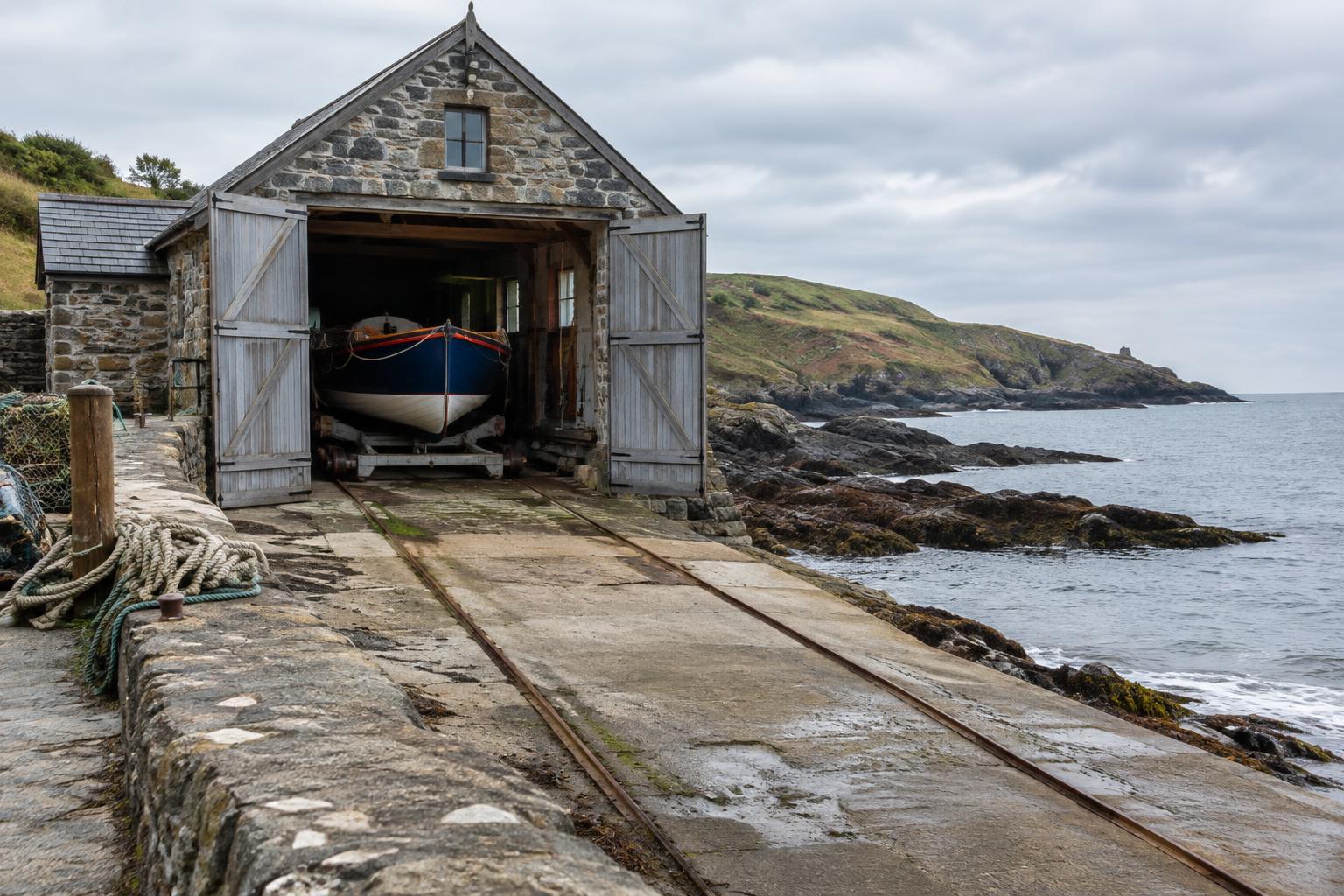
Maritime HeritageA lifeboat station can reveal how a coastal community responded to danger at sea. Learn to read its buildings, boats, records and shoreline setting while respecting rescue work that may still be active.
Read article · 4 min↗
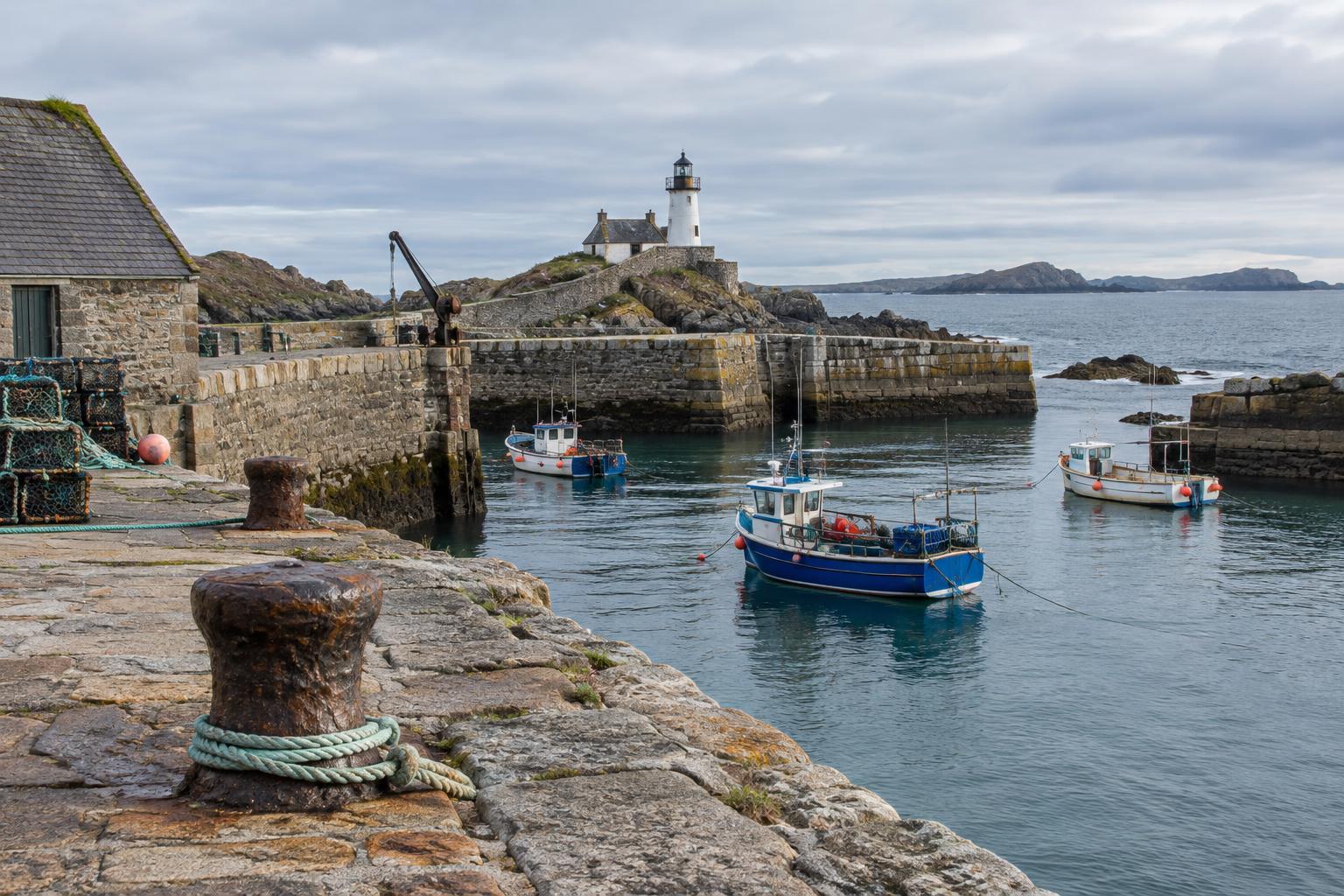
Maritime HeritageA lighthouse, harbor wall or shipwreck exhibit can seem to tell its own story. Look more closely, and questions of labor, trade, change and preservation come into view. Here are common mistakes visitors make at maritime heritage sites, and practical ways to read them with more care.
Read article · 4 min↗
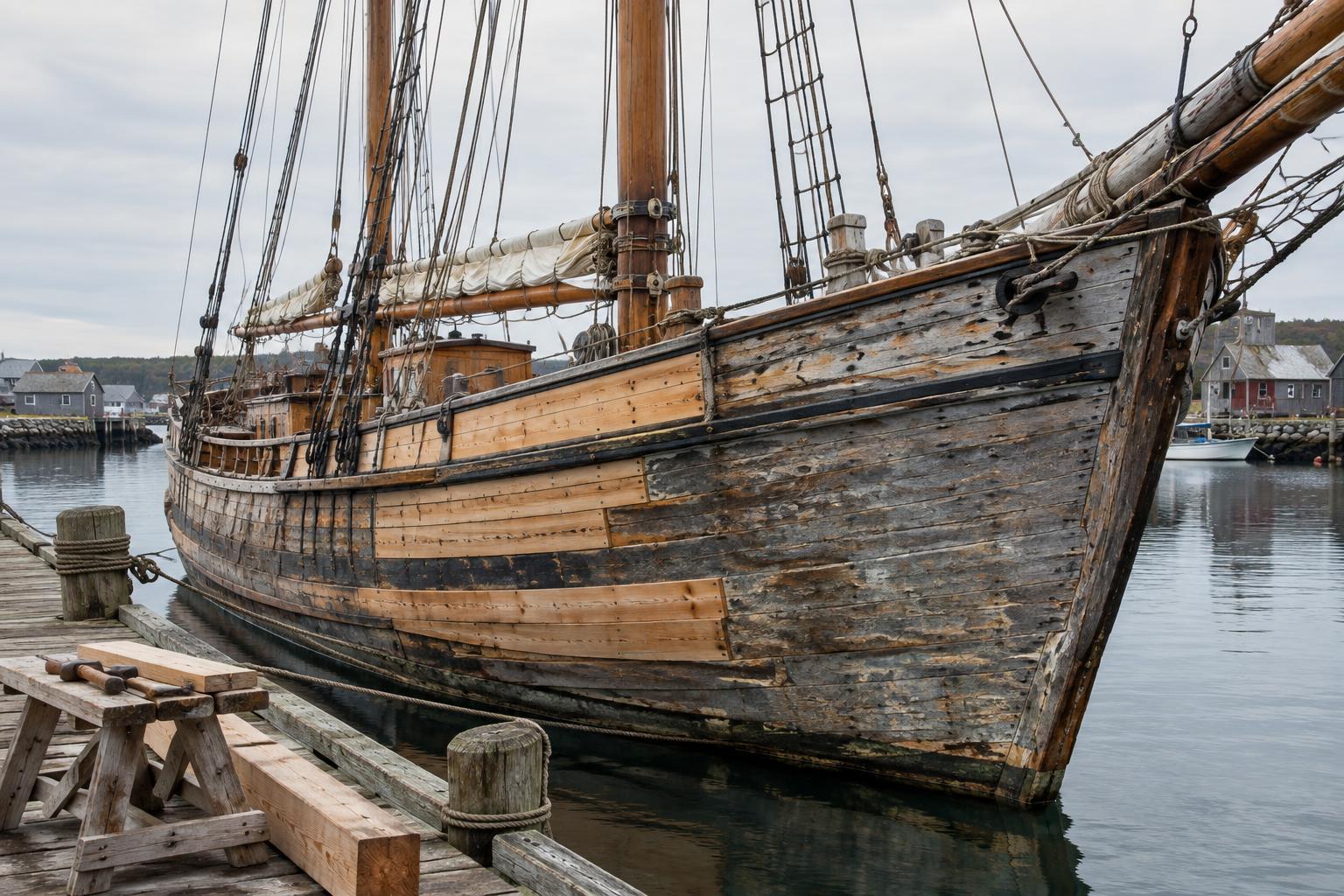
Maritime HeritageA historic vessel may contain original timbers, replacement parts, or no old material at all. Learn how to read the signs, ask useful questions, and appreciate both restored ships and replicas on a maritime heritage visit.
Read article · 4 min↗
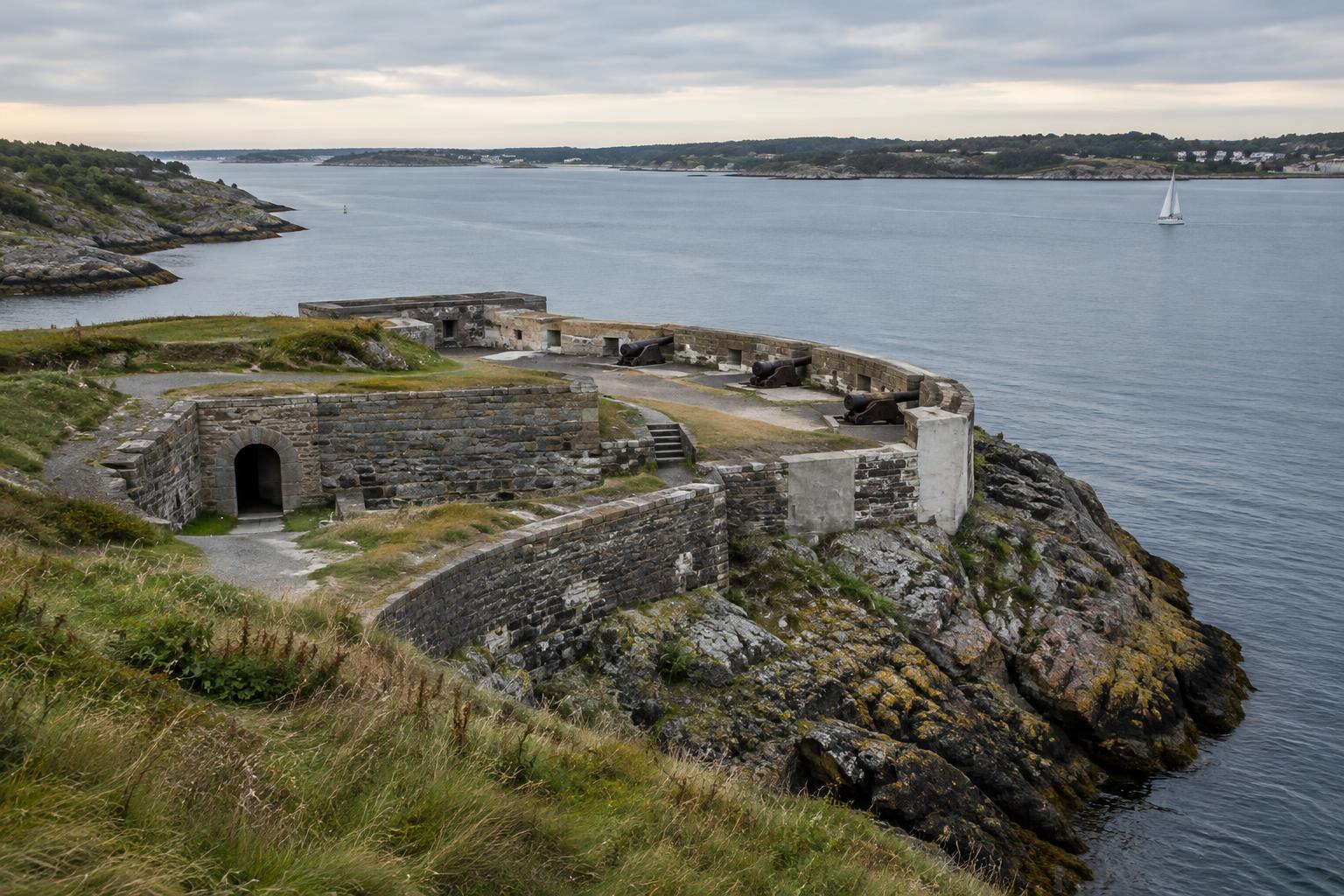
Maritime HeritageA harbor fort becomes easier to understand when you look beyond its walls. Learn how shoreline shape, gun positions, entrances and later alterations reveal what a defense was built to protect.
Read article · 4 min↗
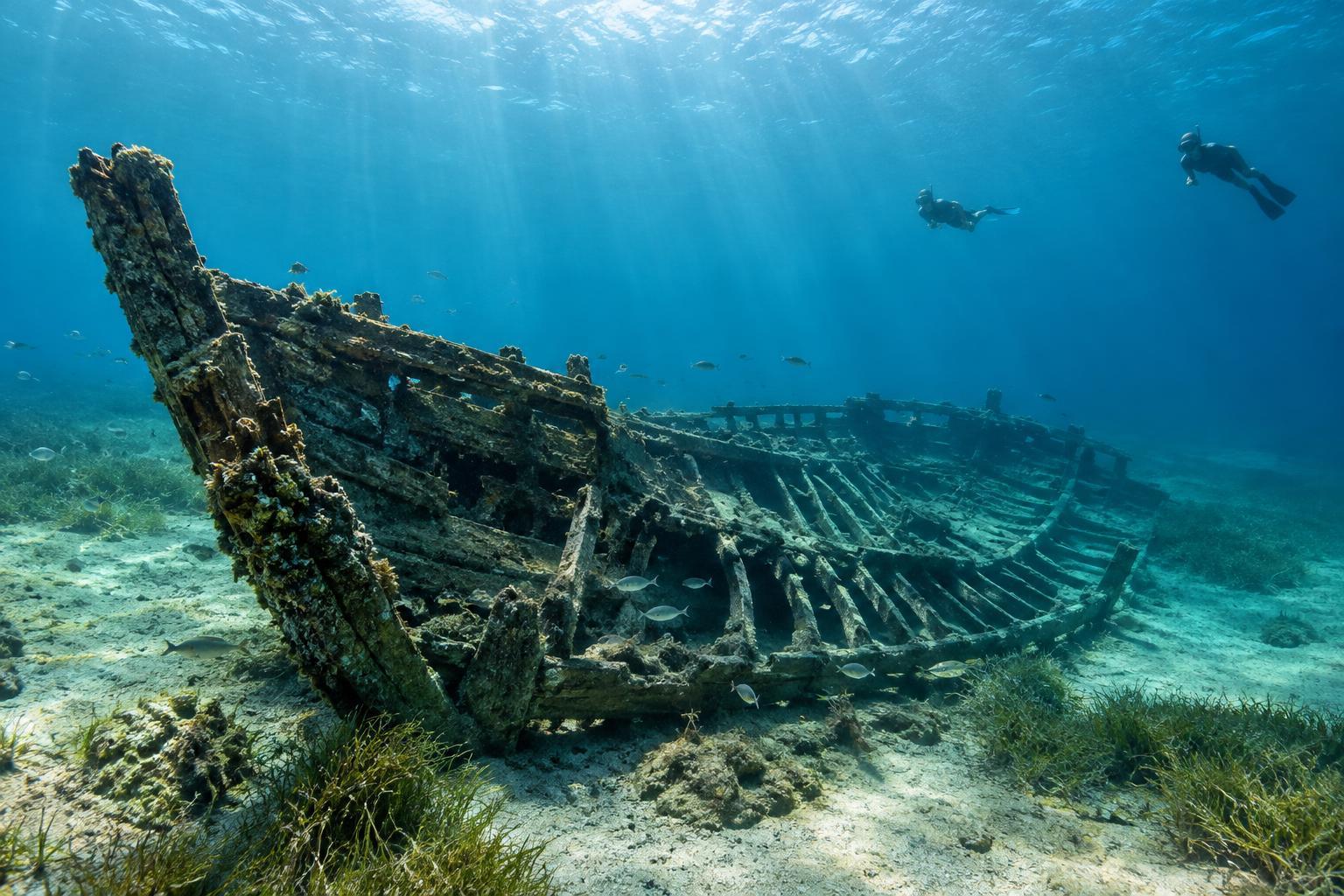
Maritime HeritageA shipwreck can reveal much more than the story of a vessel’s final voyage. Whether you visit by boat, snorkel or dive, a few thoughtful choices can help protect the site and the people connected to it.
Read article · 3 min↗
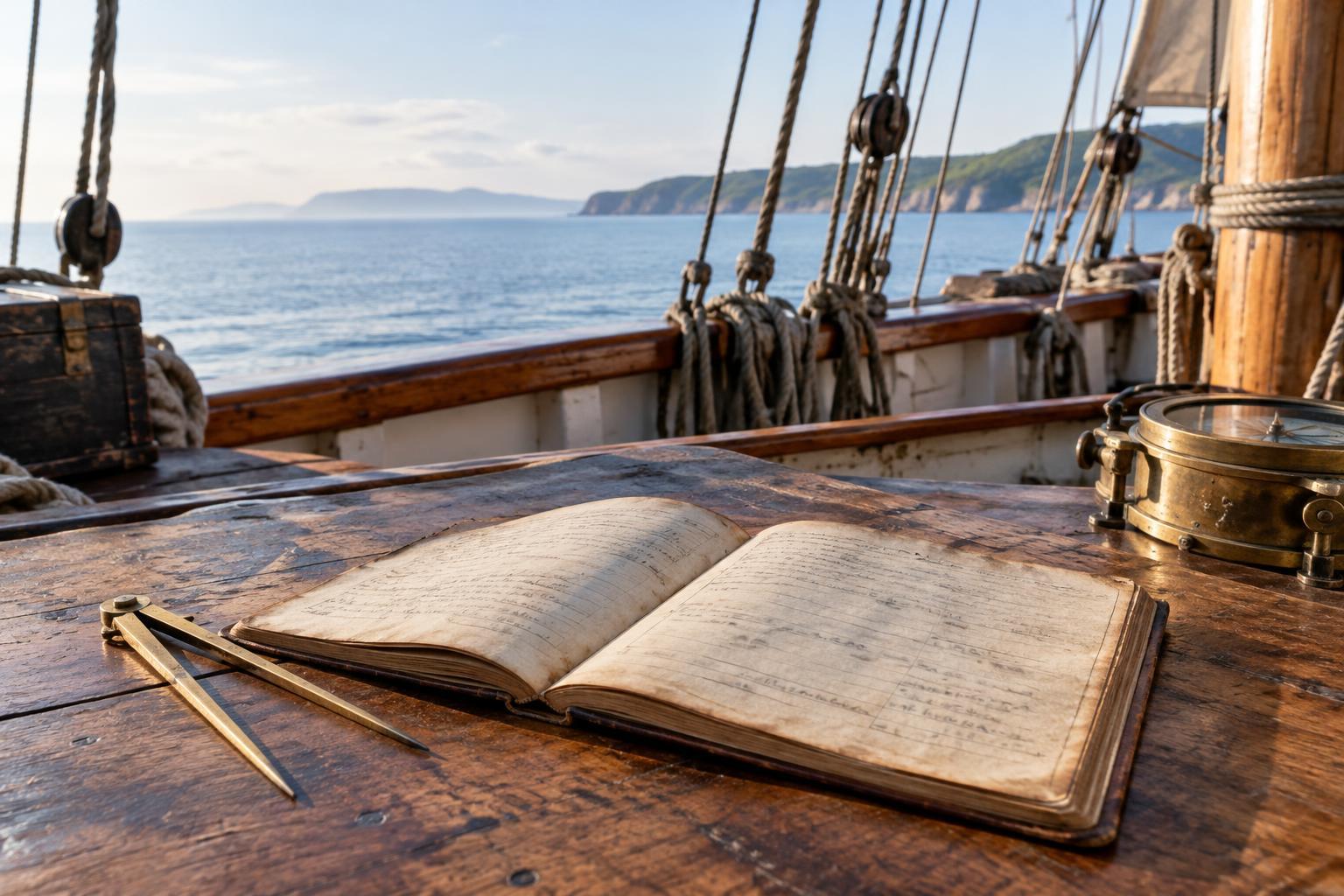
Maritime HeritageA sailor’s logbook may record little more than wind, position and work, yet those details can reveal how a voyage unfolded. Here is how to read logs for their everyday stories while recognizing what they leave out.
Read article · 4 min↗
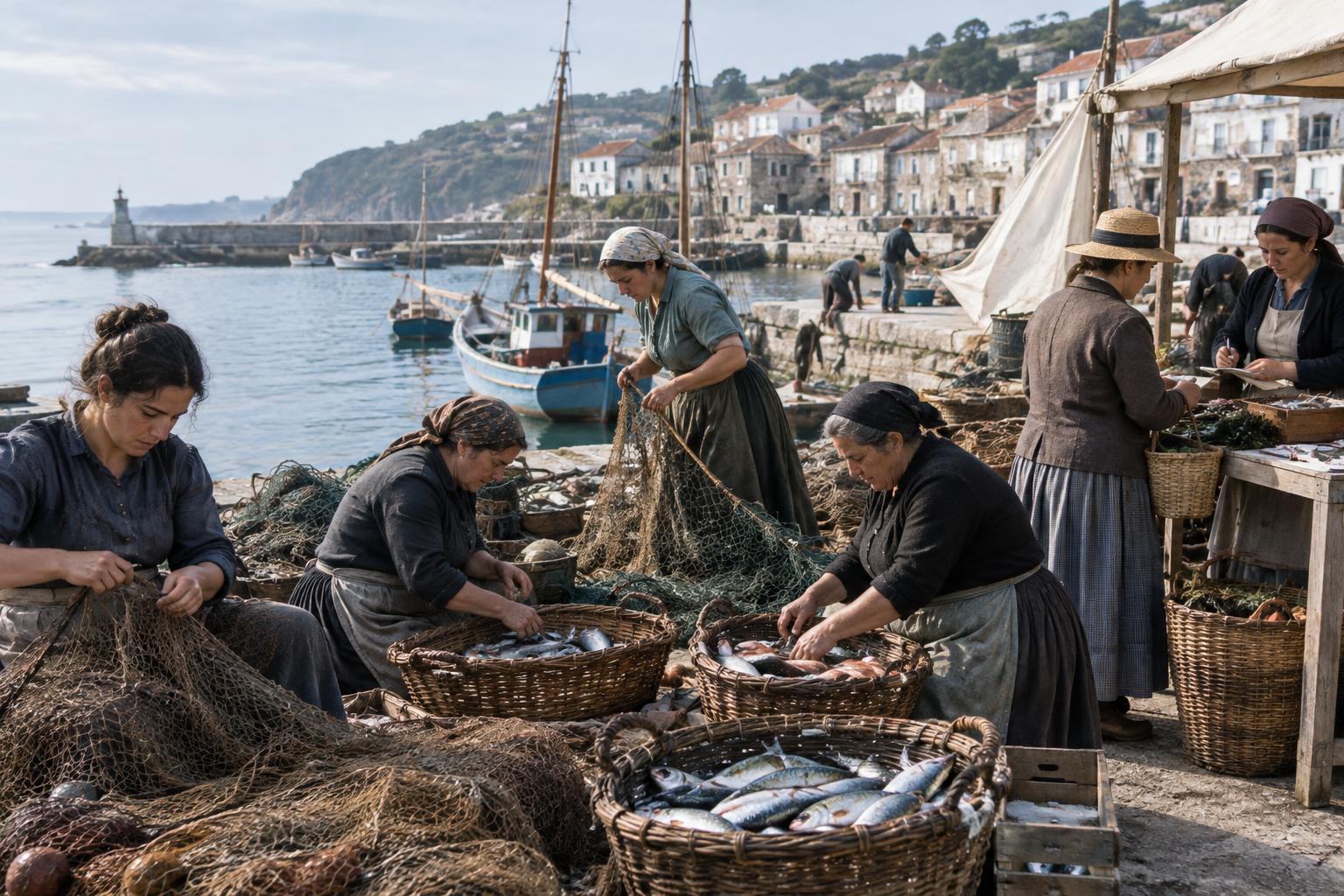
Maritime HeritageMaritime history extends far beyond the people aboard a vessel. Along coasts and in island communities, women worked in fishing, trade, provisioning, repair and household economies that helped keep journeys possible. Here is how to look for their stories when visiting a port.
Read article · 4 min↗
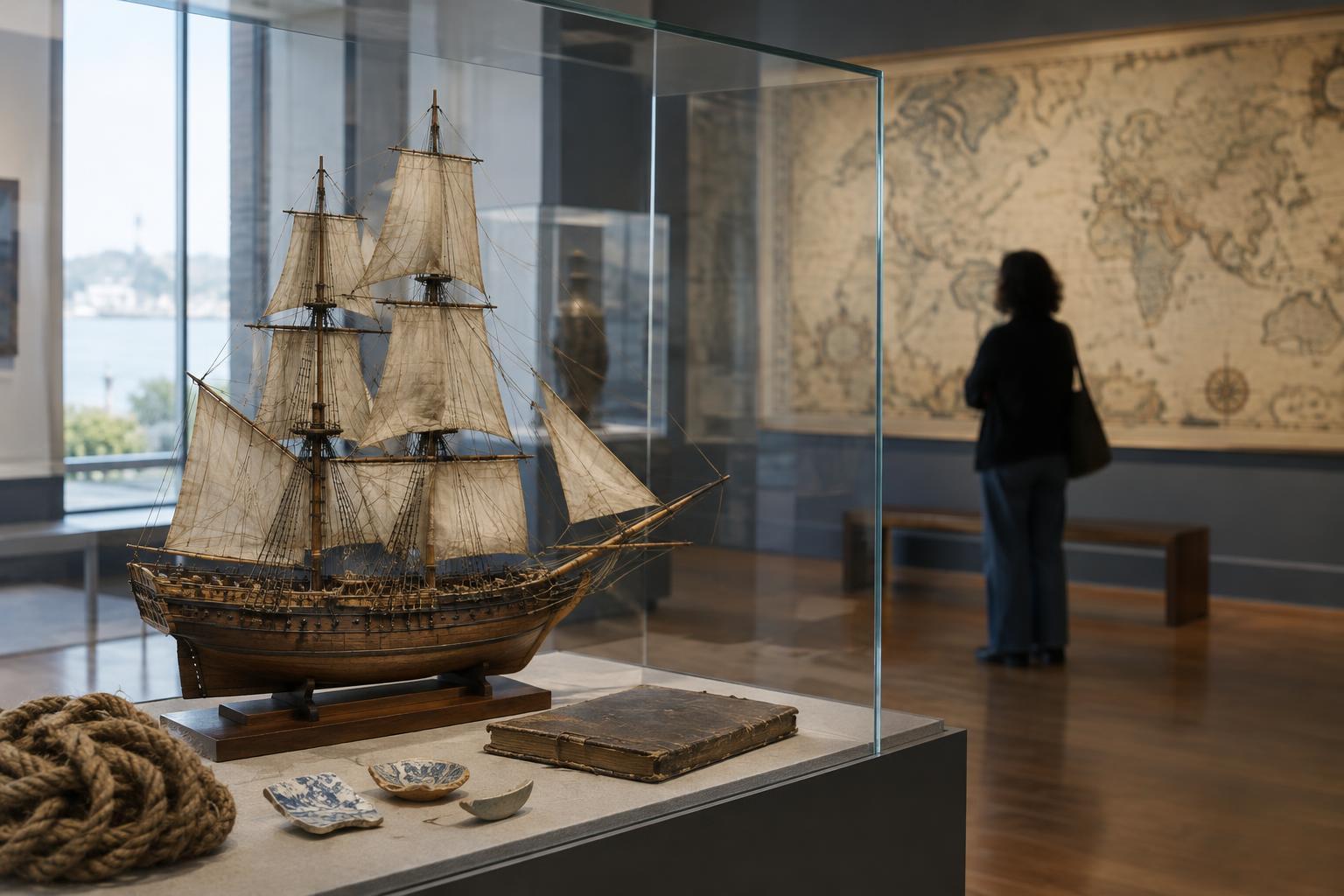
Maritime HeritageA ship model or trading map can make a complicated past look orderly. This guide offers questions to bring into a maritime museum: who moved goods, who benefited, whose labor made trade possible, and whose perspective is missing from the display.
Read article · 4 min↗
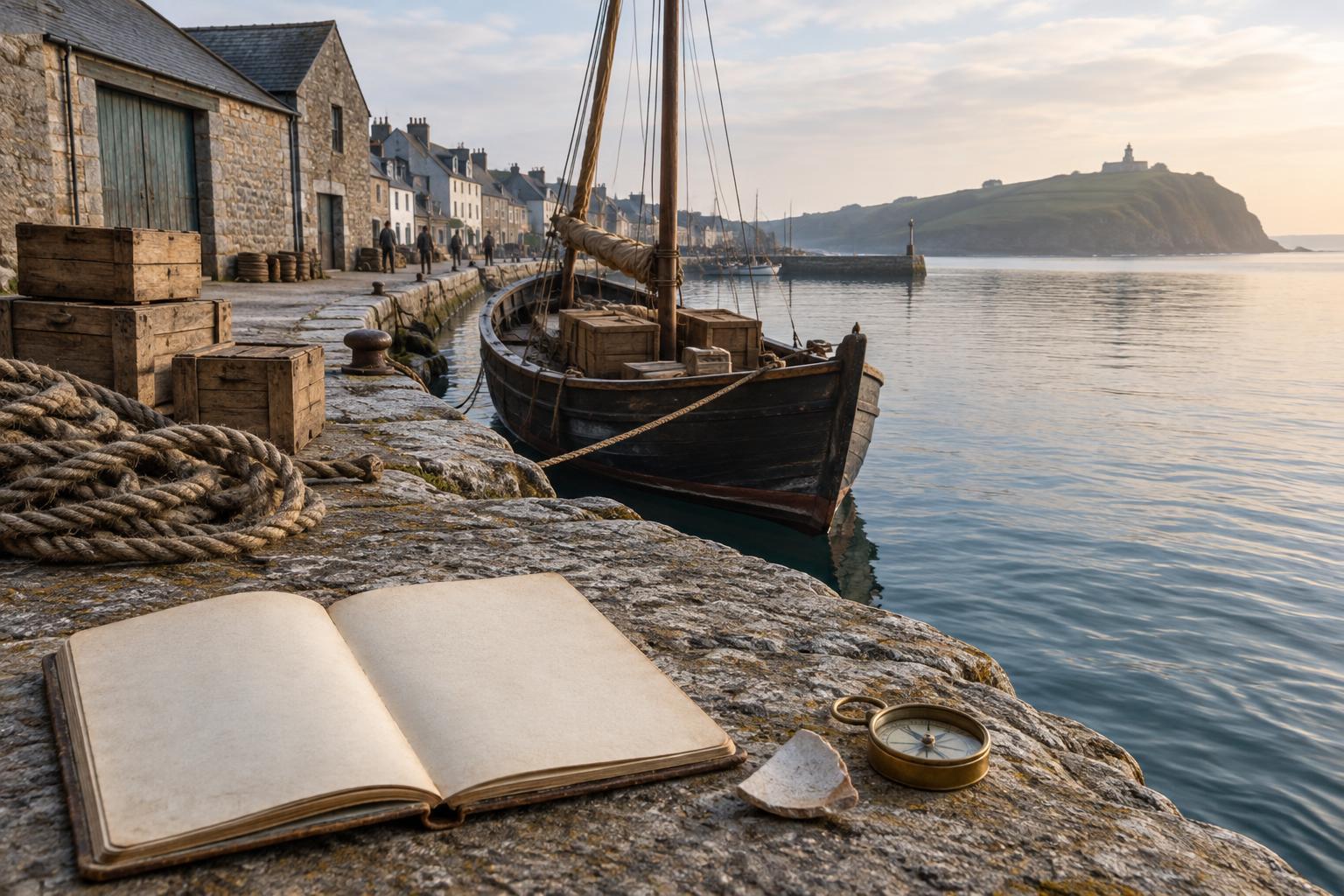
Maritime HeritageA harbor can reveal where goods came from, who moved them and how exchange shaped life ashore. This guide offers a practical way to read a port landscape, follow clues in local collections and build a careful picture of its maritime connections.
Read article · 4 min↗
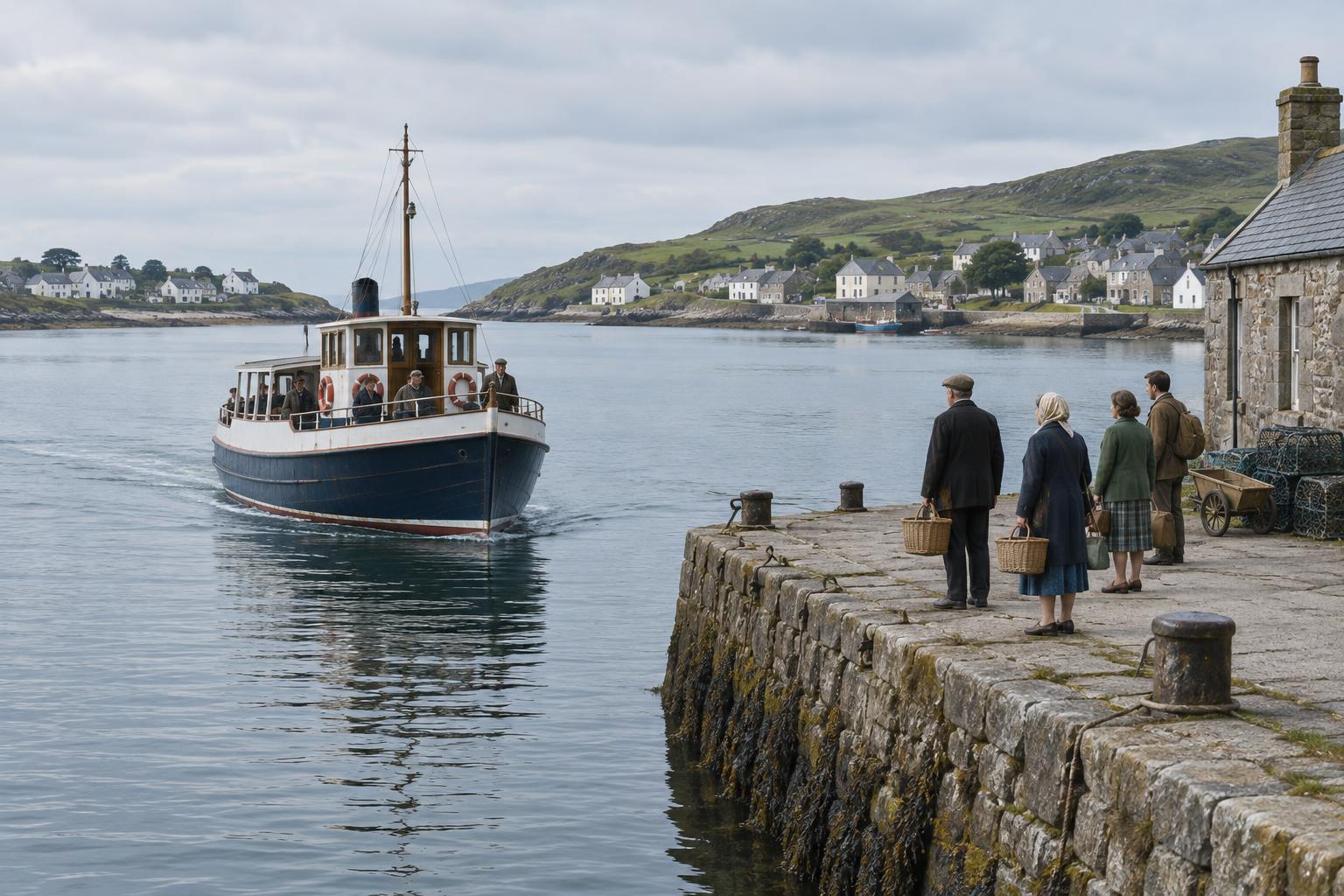
Maritime HeritagePassenger ferries did more than carry people across the water. On many coasts, regular crossings made visits, trade, work and shared traditions easier to sustain. Their history also shows why a sea connection depends on more than a boat.
Read article · 3 min↗
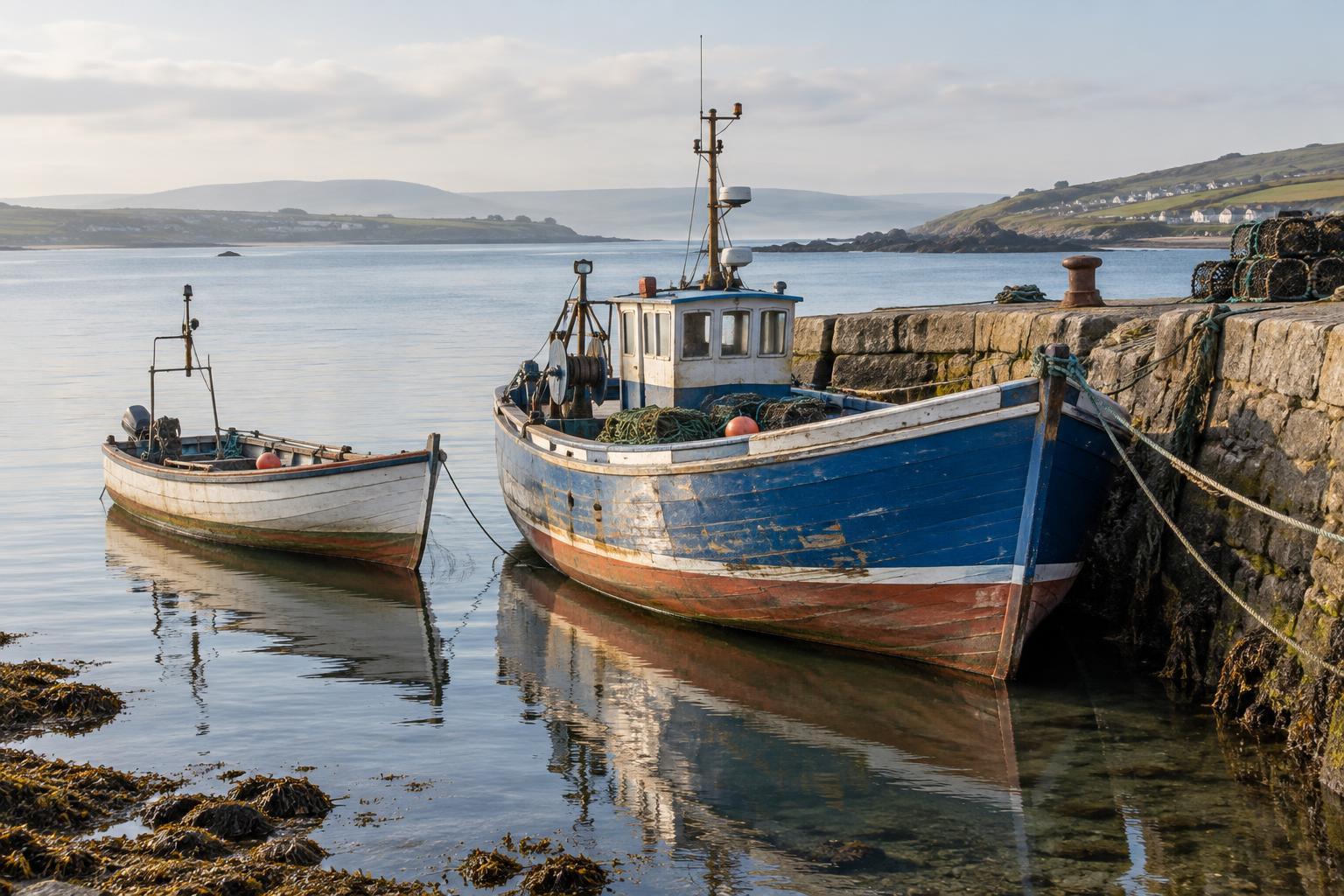
Maritime HeritageA fishing boat’s shape is more than a matter of style. Draft, beam, bow and stern can offer clues to the waters it crosses, the gear it carries and the places where it lands. Here is a practical way to look at working boats with greater attention and respect.
Read article · 4 min↗
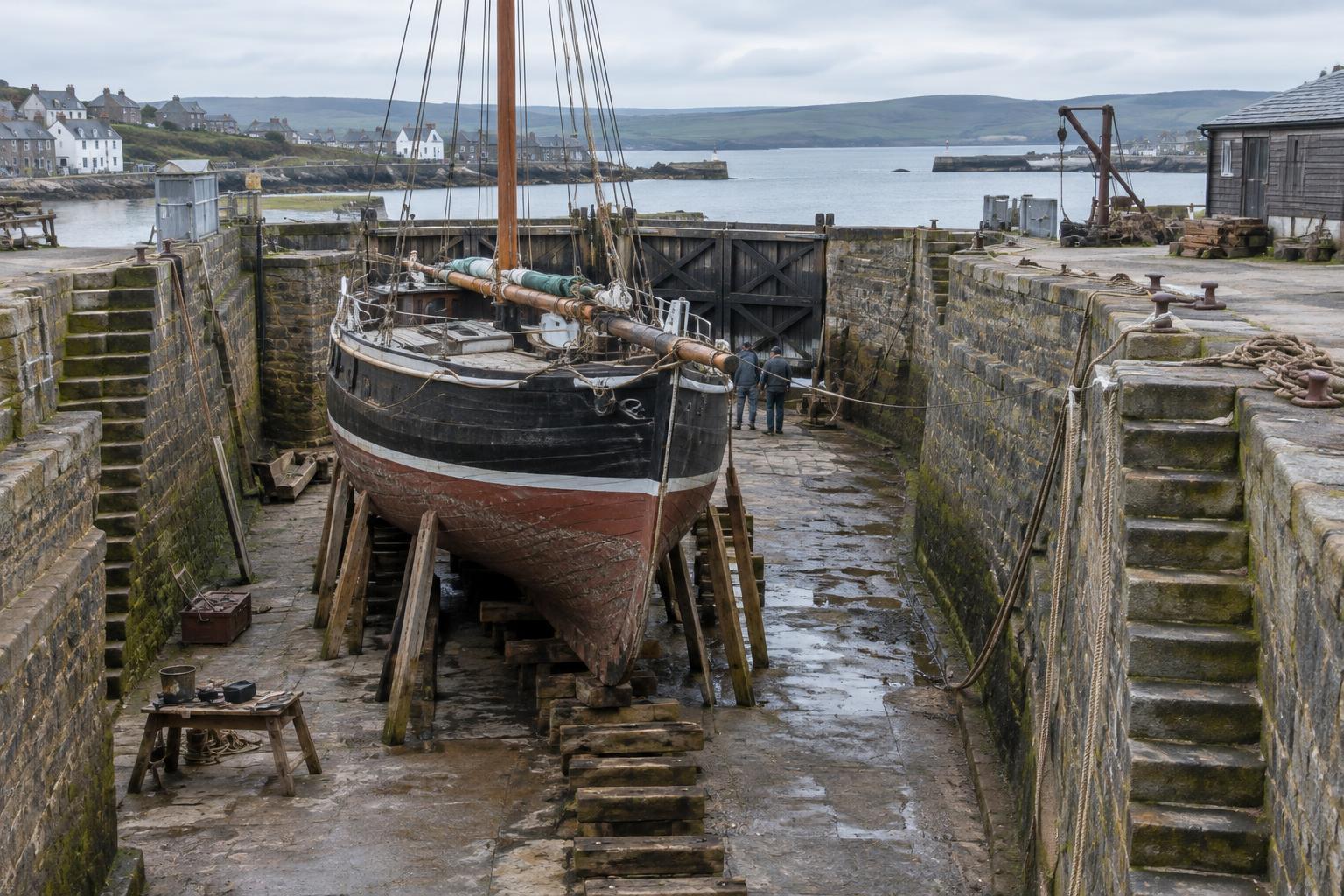
Maritime HeritageA dry dock lets shipwrights work below a vessel’s waterline without beaching the ship. From tidal basins to floating docks, these structures changed how ships were maintained and left a visible record of maritime work along the coast.
Read article · 4 min↗
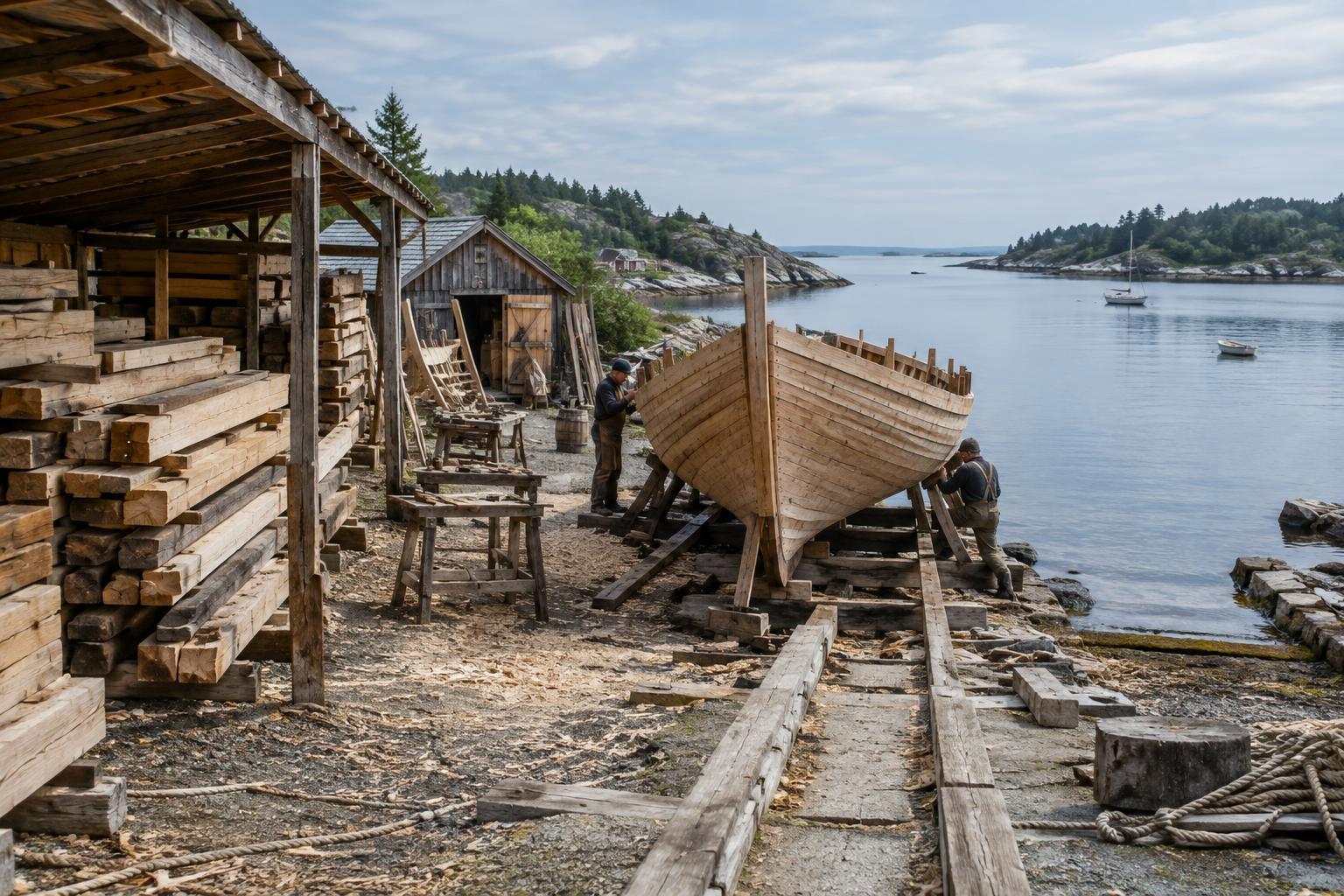
Maritime HeritageA traditional wooden shipyard was more than a place where vessels took shape. Timber stores, drawing floors, workshops, slips and waterfront all played a part. Follow the work from selecting wood to easing a finished hull into the water.
Read article · 4 min↗
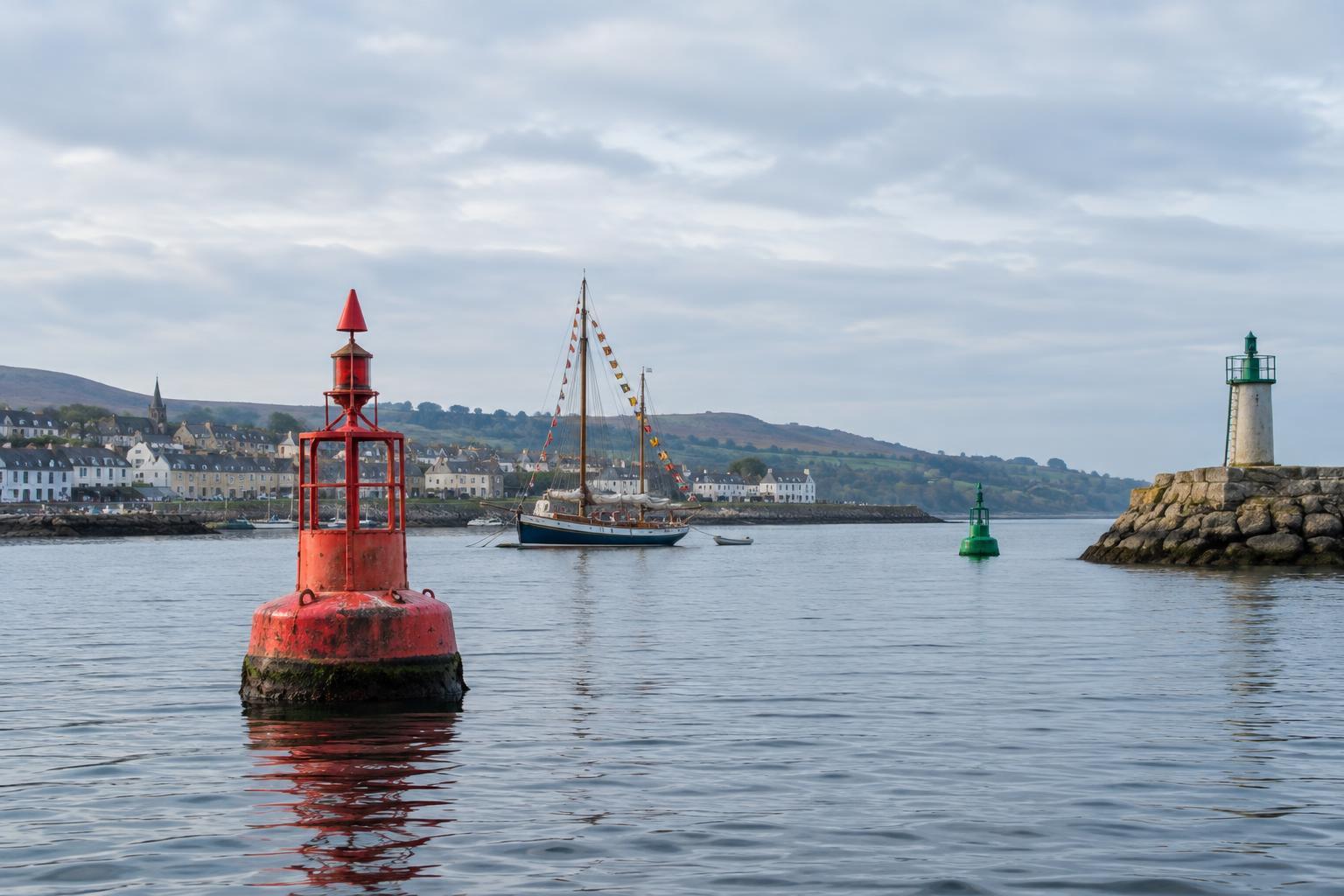
Maritime HeritageThe markers scattered across a harbor are more than colorful scenery. Learn what buoys, fixed beacons and signal flags can tell you about channels, hazards and life on the water—and why their meaning depends on context.
Read article · 4 min↗
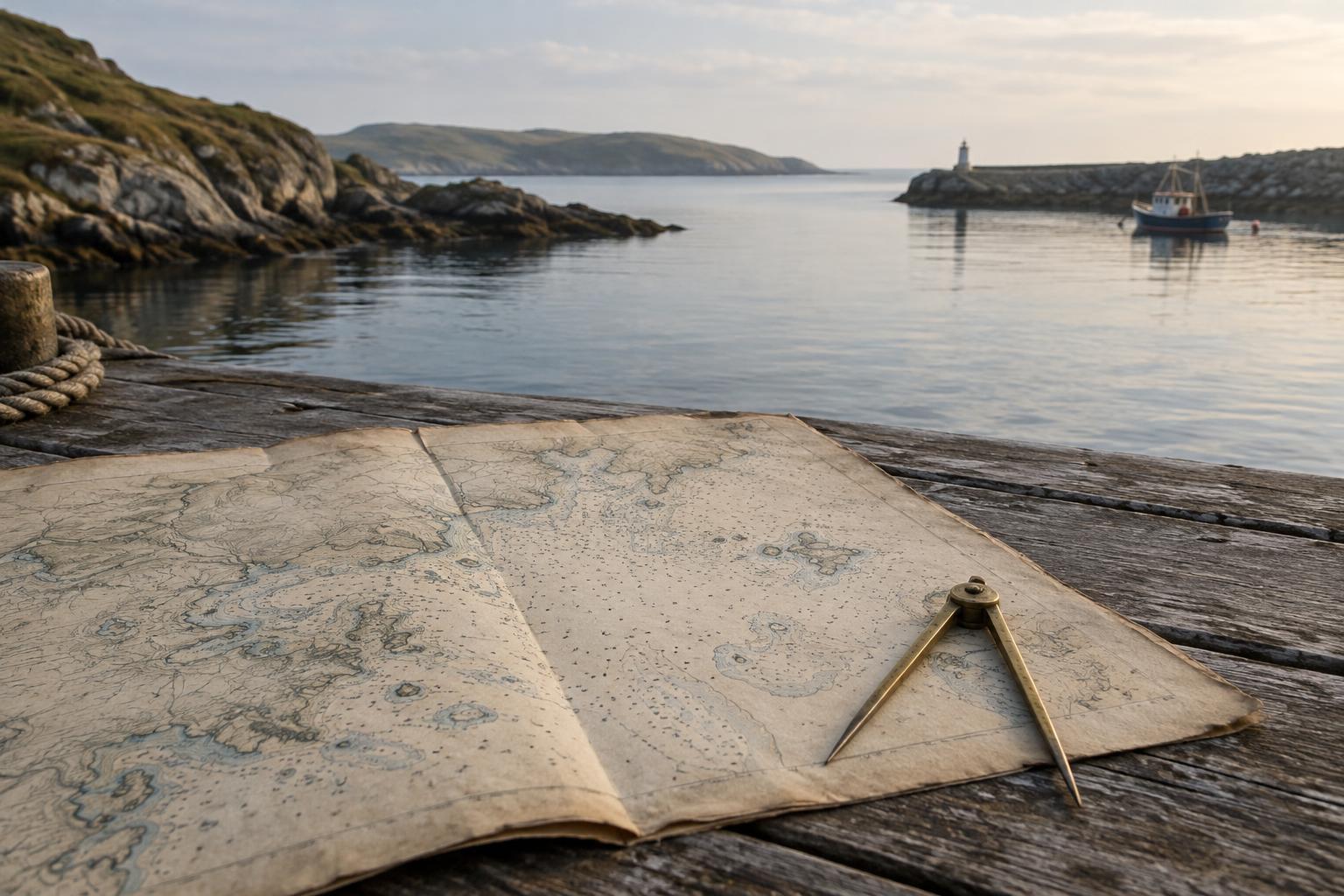
Maritime HeritageHistoric nautical charts can show how mariners recognized a coast, approached a harbor and understood danger at sea. They can also obscure the people and knowledge that made those journeys possible. Here is a practical way to read both the marks on the page and the silences around them.
Read article · 4 min↗
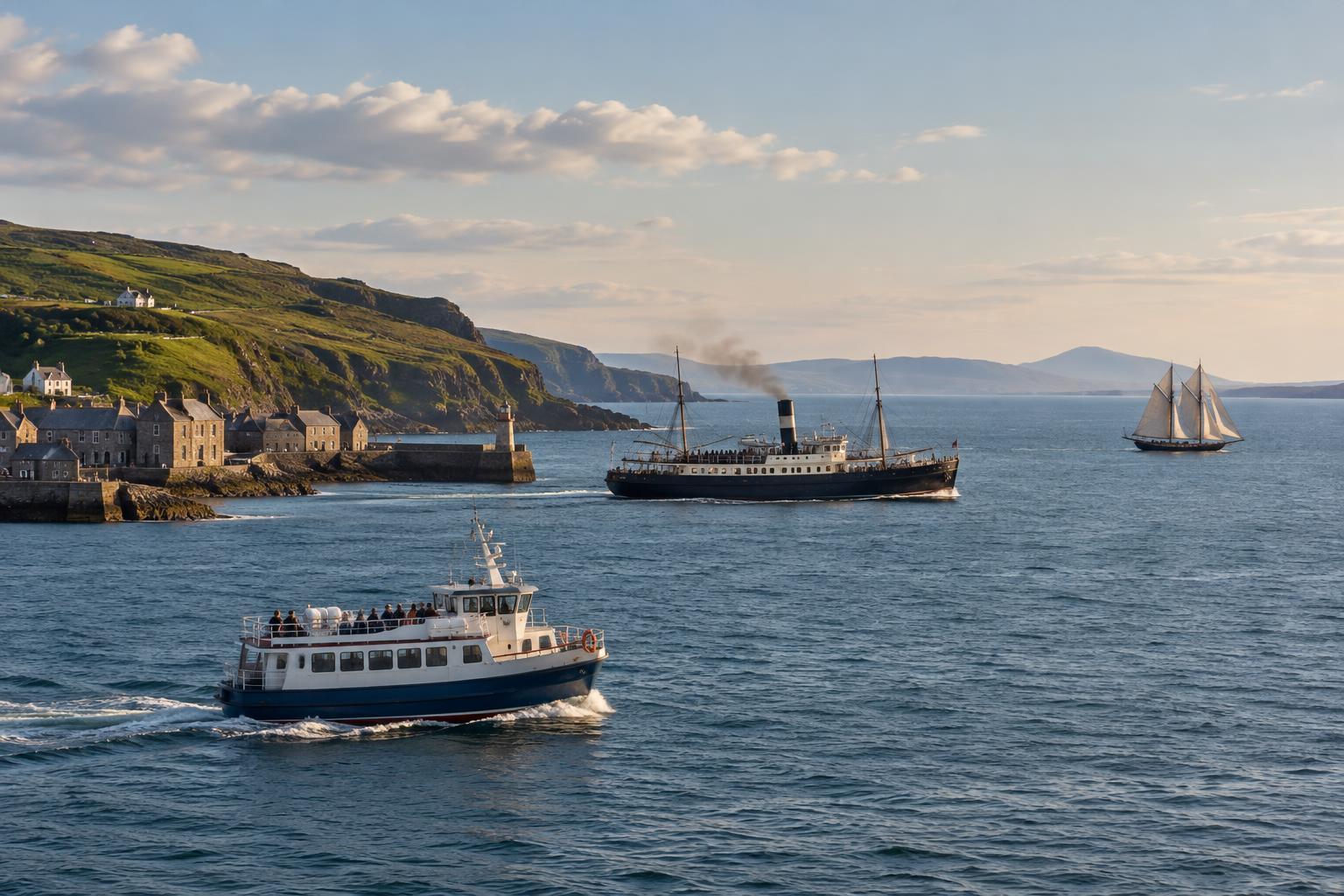
Maritime HeritageA crossing feels different depending on what moves the vessel. From sailing ships that worked with wind and weather to steamships built around fuel and timetables, and motor vessels that serve many routes today, each form of power changed more than speed. It also shaped ports, passenger routines and the ways coastal communities connected.
Read article · 4 min↗
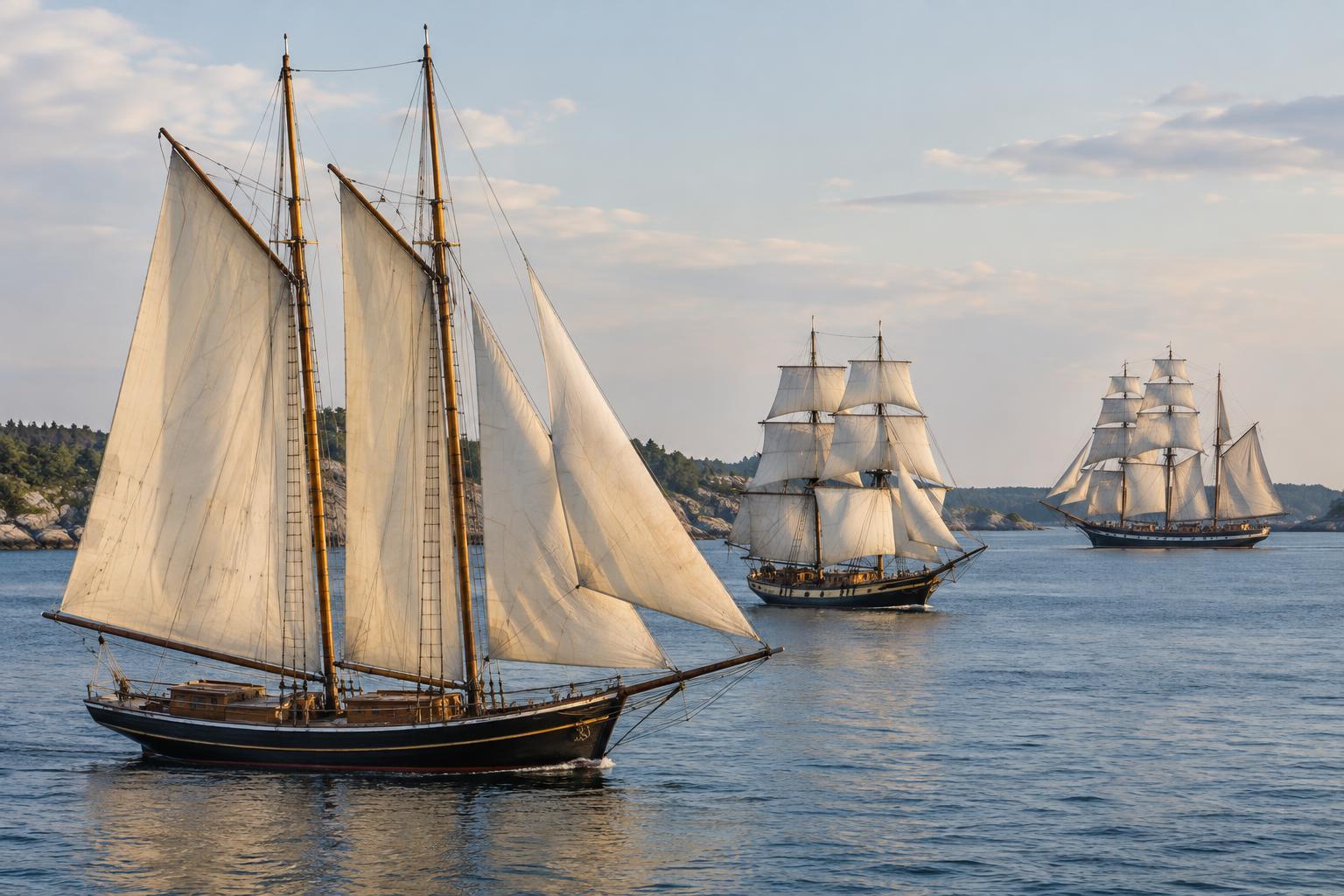
Maritime HeritageA practical guide to recognizing schooners, brigs, barques and smaller sailing craft by their masts and sails, with a few cautions about names that change across places and periods.
Read article · 4 min↗
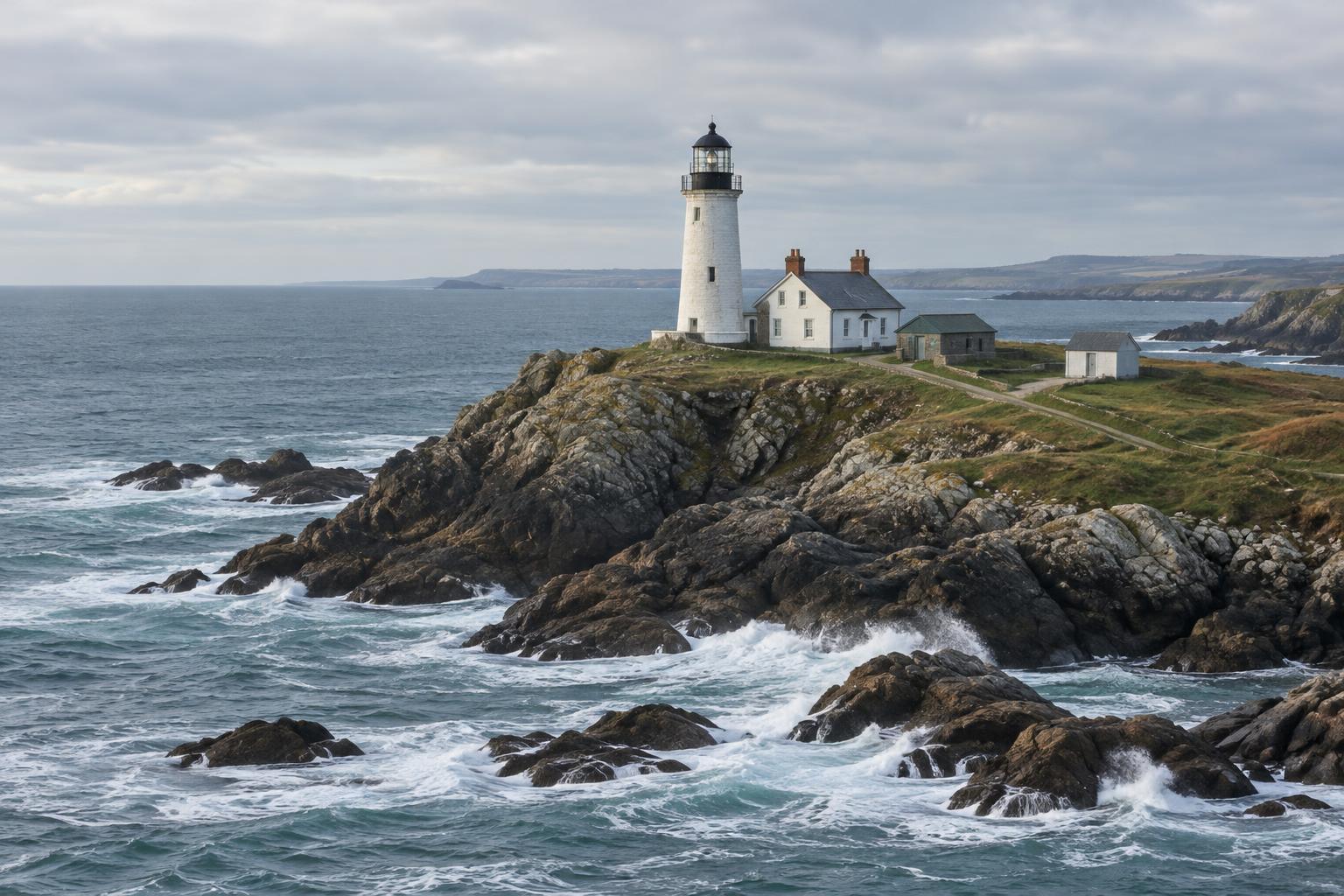
Maritime HeritageA lighthouse is more than a landmark. Its position, shape and surrounding buildings can reveal the hazards it was built to mark, the ways it made its light visible and the people who kept it operating. Here is how to read those clues on a coastal visit without mistaking a beautiful tower for a complete history.
Read article · 4 min↗
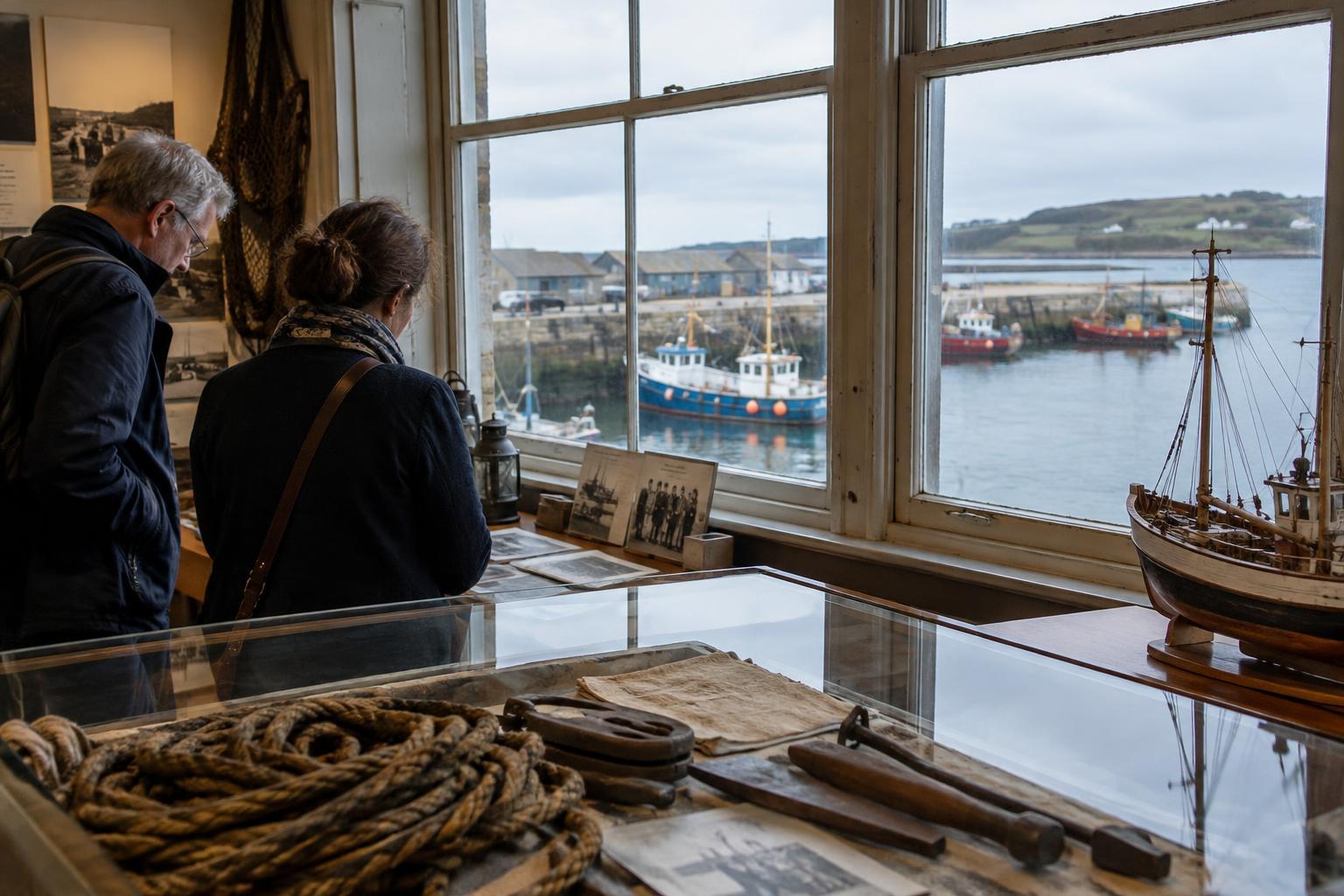
Maritime HeritageMaritime museums offer more than displays of boats and navigational tools. Learn how to read a museum’s galleries for the stories of coastal work, migration, trade and environmental change—and how to carry those stories into the harbor outside.
Read article · 4 min↗
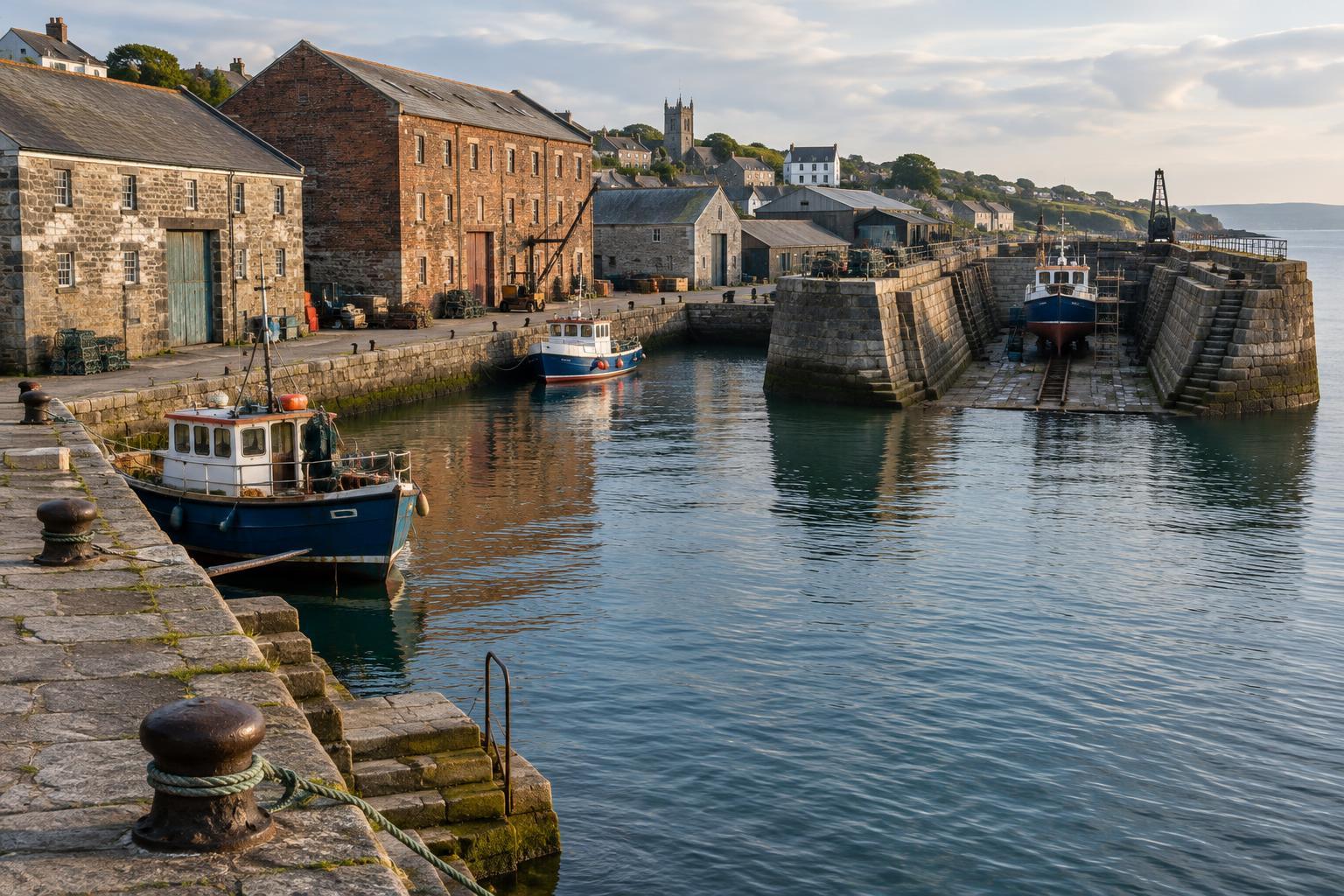
Maritime HeritageA historic harbor is easier to understand when you look at how goods, people and vessels moved through it. Follow the shoreline from quay to warehouse to dry dock, and the working logic of the waterfront begins to appear.
Read article · 3 min↗
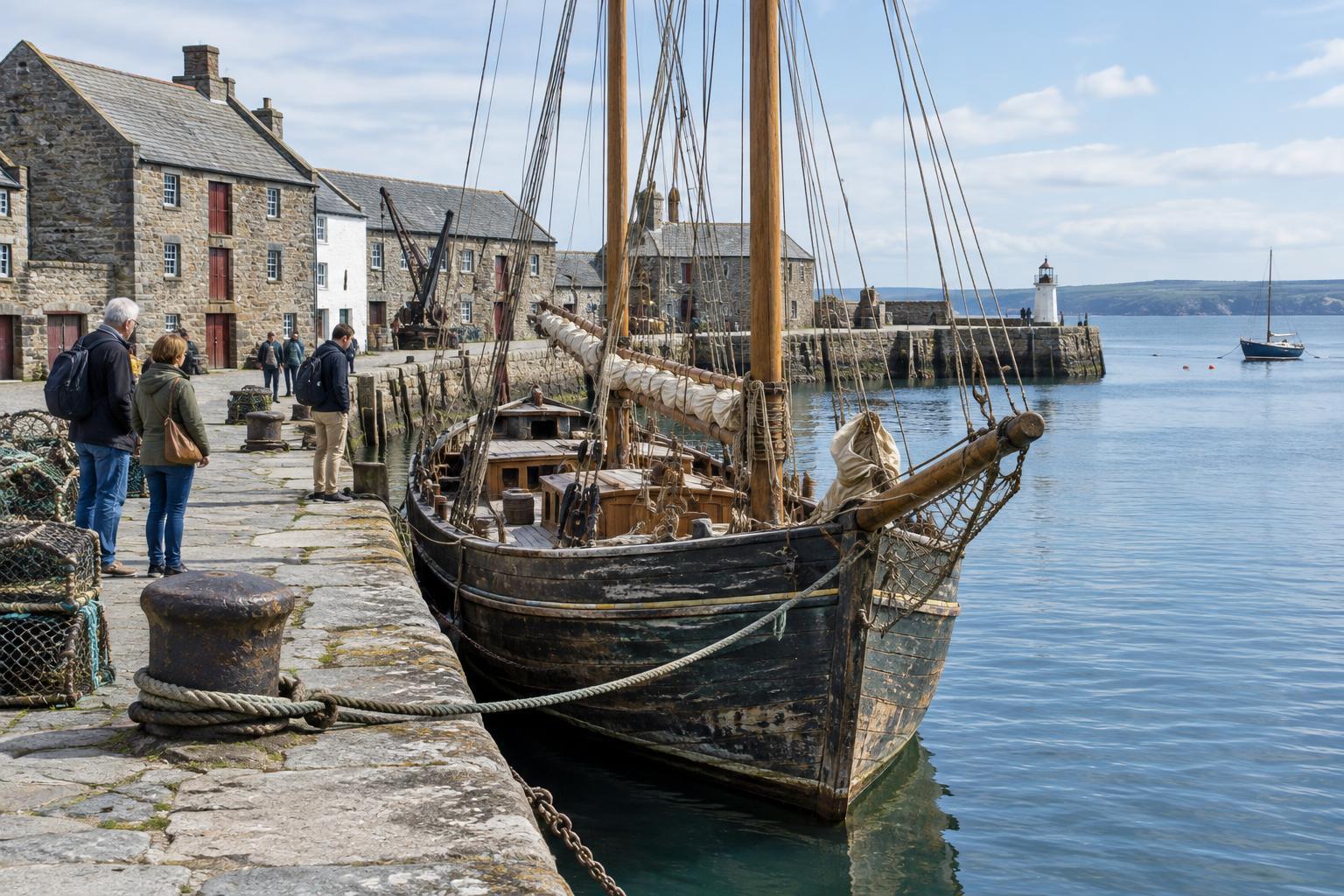
Maritime HeritageMaritime heritage is more than a collection of old vessels. Ships, waterfronts and surviving records can help travelers understand how people worked, traded and crossed the sea. Here is a practical way to explore those traces without losing sight of the people behind them.
Read article · 4 min↗